
Search Results
Keyword:development

US Oak Ridge National Laboratory Advances Radioisotope Nuclear Battery Development
On August 17, 2026, the US Department of Energy's Oak Ridge National Laboratory stated that its nuclear battery program is advancing the development of radioisotope power systems to meet the demand for stable, long-life power sources in deep space exploration, long-term power supply in remote areas, and national security-related scenarios. NASA's Perseverance Mars rover poses with several of the 10 sample tubes it placed in a sample depot it established in a region of Jezero Crater called "Three Forks." The rover's radioisotope thermoelectric generator is powered by a nuclear battery. Image credit: NASA/JPL-Caltech/MSSS. Nuclear batteries generate electricity from the energy released by the decay of radioisotopes, making them suitable for environments such as the seafloor, remote deserts, and extraterrestrial surfaces where maintenance is difficult and continuous power supply is needed for years or even decades.
2026-08-19
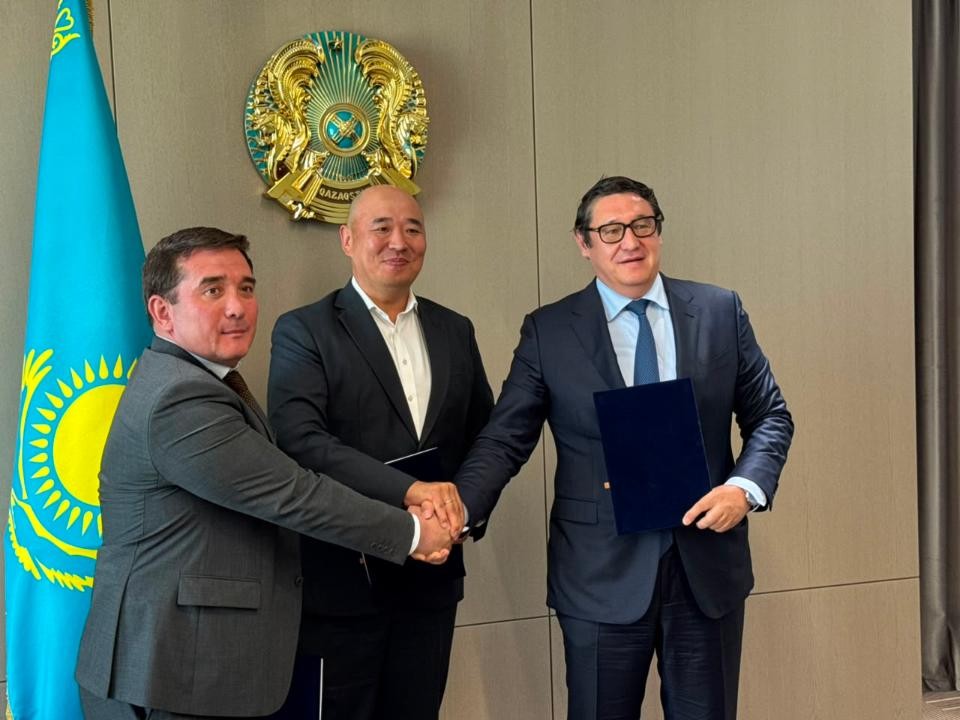
Kazakhstan Signs Memorandum of Cooperation on Atomic Industry Development
The Atomic Energy Agency of the Republic of Kazakhstan, Atameken National Chamber of Entrepreneurs of Kazakhstan, and the Atomic Industry Development Association (AIDA) have signed a Memorandum of Understanding and Cooperation, planning to jointly promote the development of the national atomic energy industry, expand industrial collaboration, and attract local enterprises to participate in major infrastructure projects. The memorandum was signed by Almasadam Satkaliyev, Chairman of the Atomic Energy Agency of the Republic of Kazakhstan, and the Chairman of the Presidium of the Atameken National Chamber of Entrepreneurs...
2026-08-18
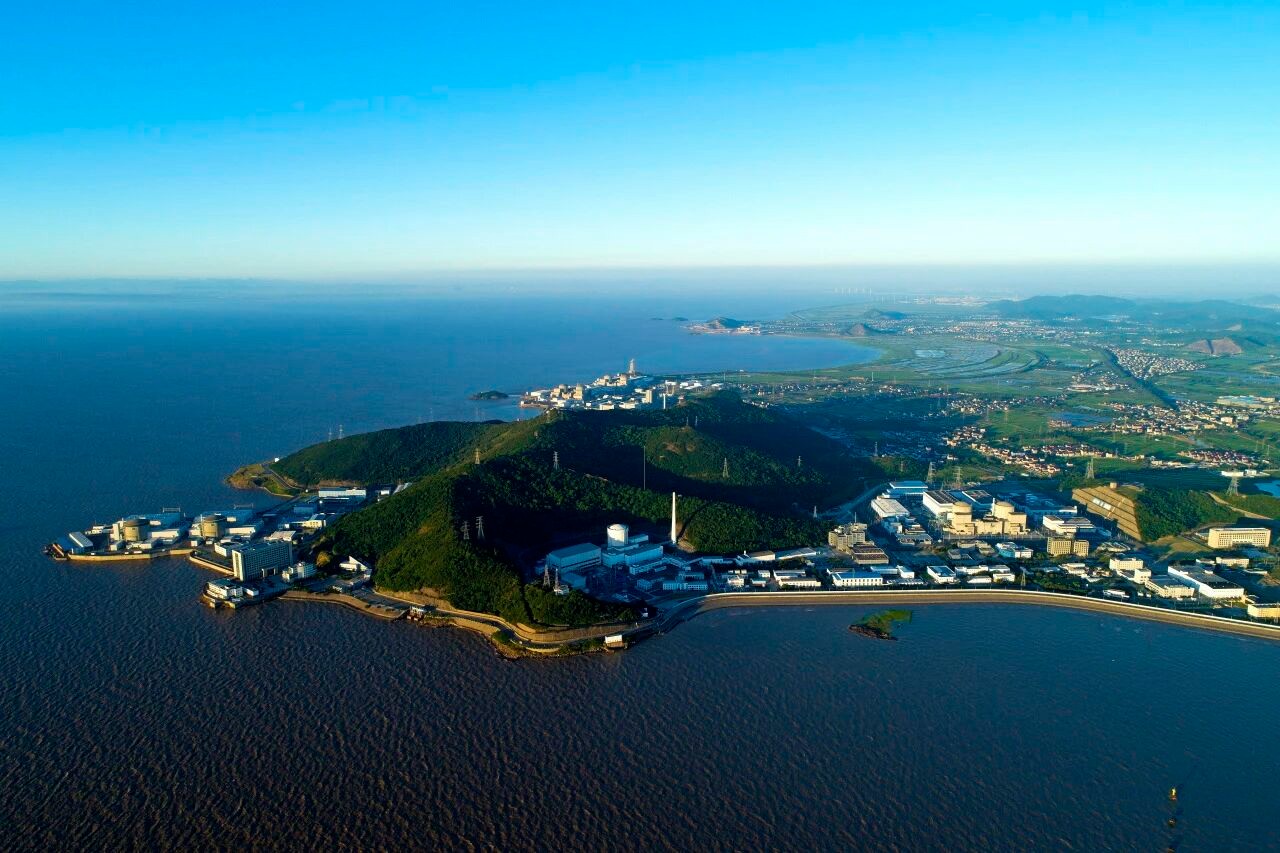
China National Nuclear Power Deeply Studies and Practices the Ecological Environment Code, Undertaking the Historic Mission of Green and Low-Carbon Energy Transition
The Ecological Environment Code of the People's Republic of China (hereinafter referred to as the Ecological Environment Code) officially came into effect on August 15, 2026. The Ecological Environment Code is an important achievement in implementing Xi Jinping's Thought on Ecological Civilization and Xi Jinping's Thought on the Rule of Law. It is the second law in China named after a "Code" following the Civil Code of the People's Republic of China, providing solid legal safeguards and fundamental legal guidance for the construction of a Beautiful China. China National Nuclear Power Co., Ltd. (hereinafter referred to as China National Nuclear Power), as a main force in China's nuclear energy development and an important force in achieving the "dual carbon" goals, deeply implements the Ecological Environment Code, practices the concept of green development, contributes safe and clean energy, and empowers the construction of a Beautiful China...
2026-08-18

Utah Energy Hub Seeks Diversified Growth: Coal, Nuclear, and Data Centers in Parallel Development
On August 12, at the Carbon & Emery Energy Collaborative meeting held in Price, Utah, local government and energy companies discussed regional economic development, coal production, nuclear energy projects, and the electricity demand driven by data centers. The core message conveyed at the meeting was that while coal remains a vital pillar for Carbon County and Emery County, the future of energy and economic growth no longer depends on a single source, but rather requires the combined support of coal, nuclear energy, and emerging industries. Carbon County Commissioner Jared Haddock noted that the county's taxable value has decreased by approximately $1 billion over the past decade, putting greater pressure on local government to maintain its tax base. To avoid...
2026-08-16
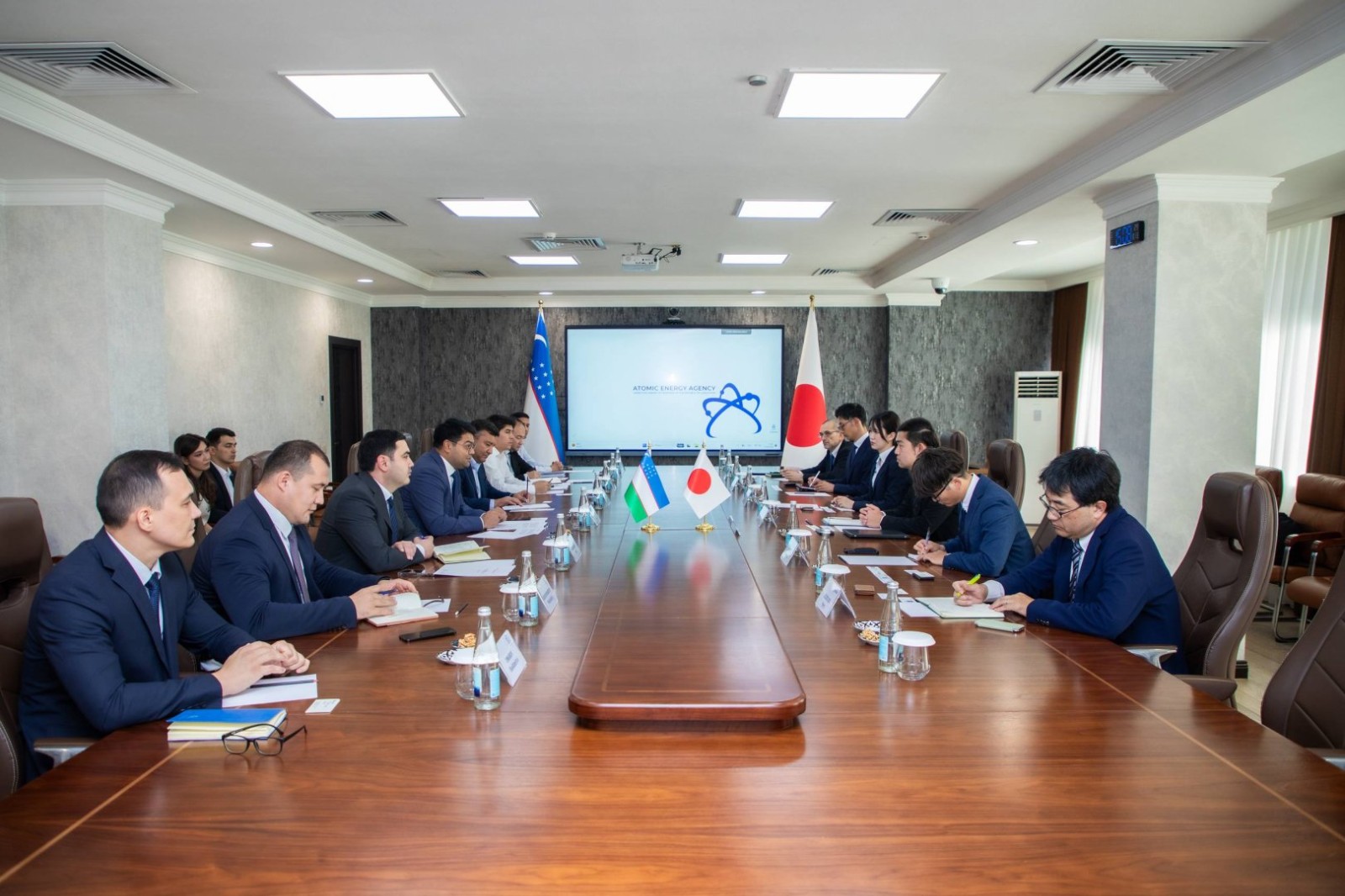
Uzbekistan and Japan Discuss Expanding Cooperation in Peaceful Uses of Nuclear Energy
The Atomic Energy Agency of Uzbekistan recently held talks with a Japanese delegation, with both sides exchanging views on expanding cooperation in the peaceful uses of nuclear energy, focusing on nuclear technology, joint projects in related industries, and energy security cooperation. The Japanese delegation comprised representatives from Japan's Ministry of Economy, Trade and Industry (METI), the Japan Organization for Metals and Energy Security (JOGMEC), and ITOCHU Corporation, led by Abe Yoshimitsu, Deputy Director of the Nuclear Energy International Cooperation Office at METI. During the talks, both sides explored possibilities for advancing cooperation in nuclear technology applications, collaboration in related industries, and experience exchange. The Japanese side expressed its willingness to continue dialogue with Uzbekistan in the peaceful uses of nuclear energy on the basis of mutual respect and common interests, and to promote practical cooperation. The Atomic Energy Agency of Uzbekistan (Uzatom) stated that it would continue to expand international cooperation with countries and organizations possessing experience in the peaceful application of nuclear technology. Uzbekistan and Japan already have a foundation for cooperation in the nuclear energy and uranium resource sectors. ITOCHU Corporation previously signed a uranium concentrate supply agreement with Navoi Mining and Metallurgy Combinat, and JOGMEC has also been involved in the development of uranium deposits in Uzbekistan. In December 2025, during Uzbek President Shavkat Mirziyoyev's visit to Japan, both sides confirmed directions for expanding cooperation, including the export of critical minerals and the introduction of advanced technologies. The current talks continue the momentum of bilateral cooperation in the energy and resource sectors.
2026-08-14

Kazakhstan Advances Nuclear Fuel Cycle from Resource Development to High-Value-Added Manufacturing
Kazakhstan is advancing its nuclear fuel cycle industry from natural uranium mining toward deep processing and high-tech product manufacturing. As one of the world's major natural uranium producers, Kazakhstan has in recent years not only maintained its advantage in resource development but also continued to build capacity in uranium conversion, nuclear fuel component manufacturing, scientific research capabilities, and professional workforce training. The nuclear fuel cycle encompasses the entire process of nuclear materials, from uranium ore mining and processing, to fuel use in reactors, and to the management of spent fuel and radioactive waste. Depending on the technical route, relevant stages may include uranium mining and processing, conversion, isotope enrichment, fuel pellet fabrication, fuel assembly production, and spent fuel storage...
2026-08-13
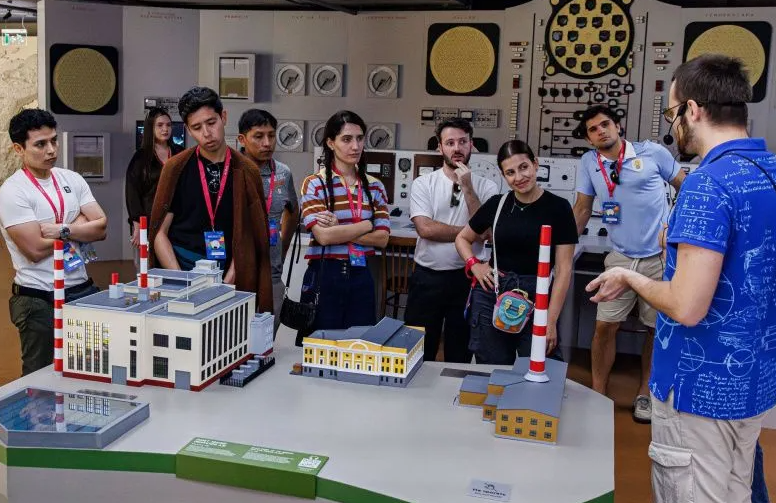
Latin American Energy Experts Learn About Russia's Nuclear Industry Development and Peaceful Use Prospects in Russia
Energy experts from several Latin American countries recently visited the ATOM Museum at VDNKh in Moscow to gain a systematic understanding of the history of Russia's nuclear industry, key technological solutions, and future directions for the peaceful use of nuclear energy. The visit spanned from early scientific research to modern nuclear technology applications, with a focus on the operating principles of nuclear power plants, the structure of water-water power reactors, and the fundamentals of how nuclear energy is converted into electricity. The exchange not only focused on traditional nuclear power but also showcased future-oriented technologies such as small nuclear power plants. A power transmission network planning expert from Peru noted that he had previously been unfamiliar with the development path of Russia's nuclear industry, and this...
2026-08-12
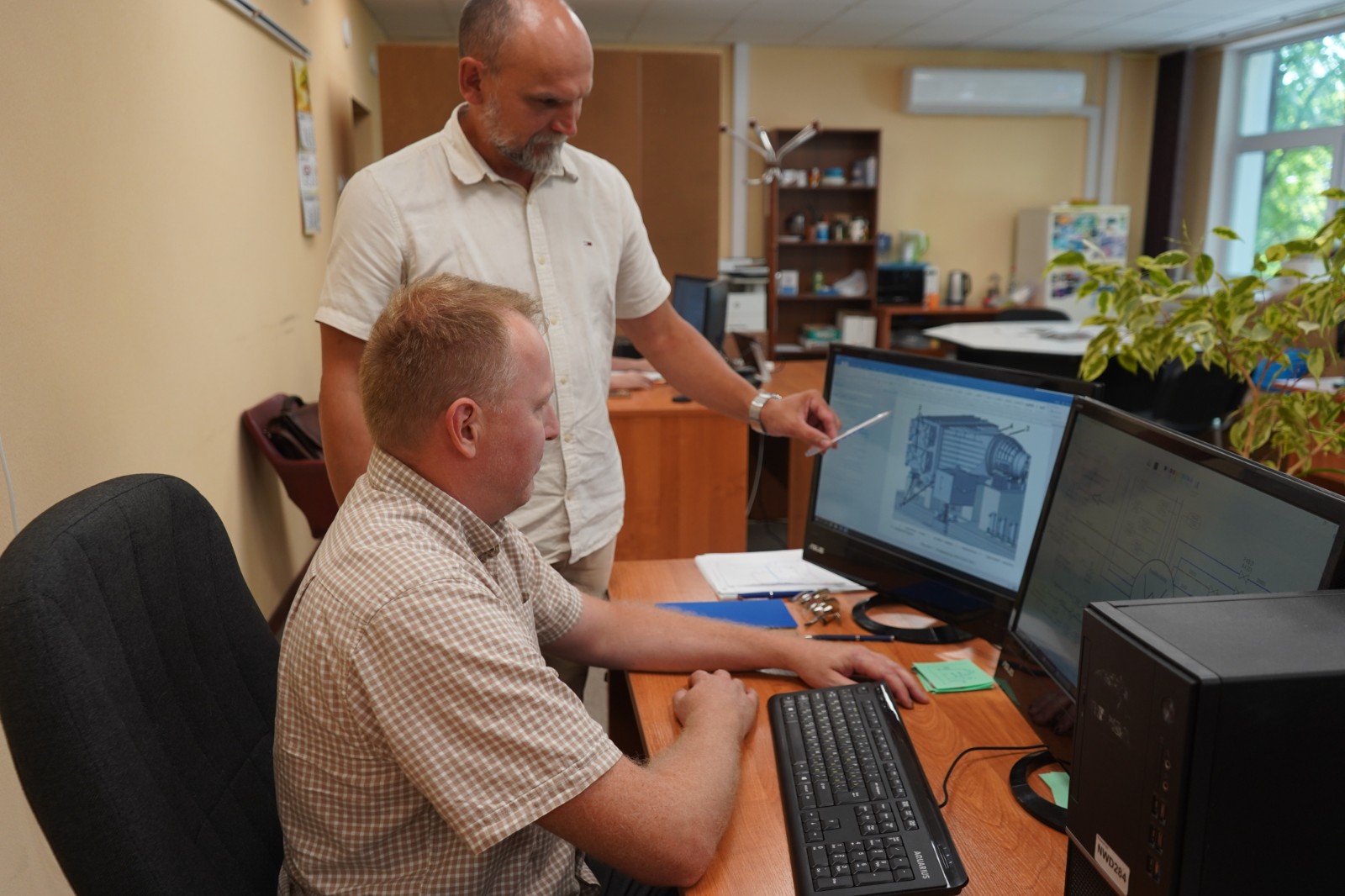
Rosatom Technical Academy Launches Development of Training Programs for Uzbekistan NPP Personnel
Rosatom Technical Academy has launched the development of training programs for personnel of the planned nuclear power plant in Uzbekistan. The foundation ceremony for this project was held in June this year, and training preparations will be aligned with the NPP construction schedule and subsequent operational requirements. Currently, Academy experts are developing teaching materials, refining training methodologies, and formulating course plans coordinated with the NPP construction phases for this new project. The training content will also be adapted to the characteristics of the small modular reactor technology adopted for the project to meet new technical requirements. At the Novovoronezh branch alone, about 50 experts are already involved in developing training programs for Uzbek personnel...
2026-08-12
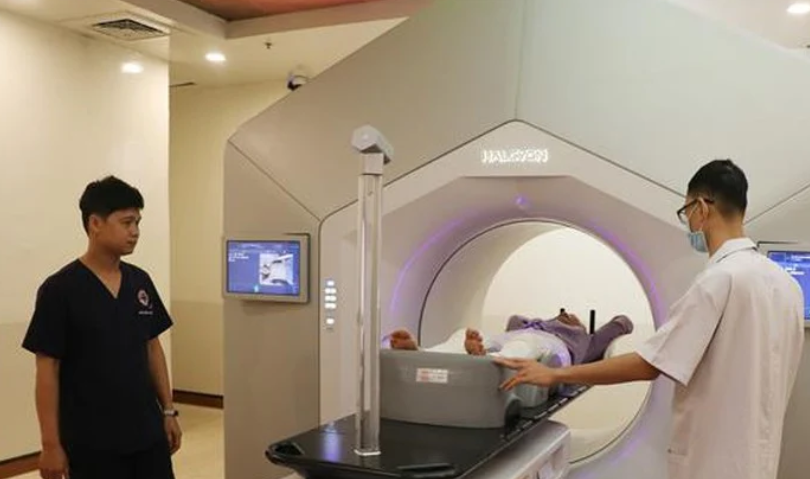
Dong Nai Province, Vietnam: Nuclear Medicine Applications Drive Modern Medical Development, Focusing on Early Cancer Diagnosis and Precision Treatment
In the development of modern medicine, atomic energy technology is moving from the laboratory to the clinical frontline, becoming an important pillar for early disease screening, precise diagnosis, and effective treatment. In recent years, Dong Nai Province has continuously applied nuclear medicine technology to medical examinations and treatments, particularly in areas such as cancer, stroke, traumatic brain injury, cardiovascular diseases, and bone and joint injuries. Through equipment such as X-ray, gamma rays, CT, and MRI, doctors can observe deep structures and lesions of the human body within a relatively short time, giving patients the opportunity for earlier detection and faster intervention. At Dong Nai General Hospital, approximately 500 patients undergo X-ray or related imaging examinations each day, with digital X-ray systems and multi-slice spiral C...
2026-08-12
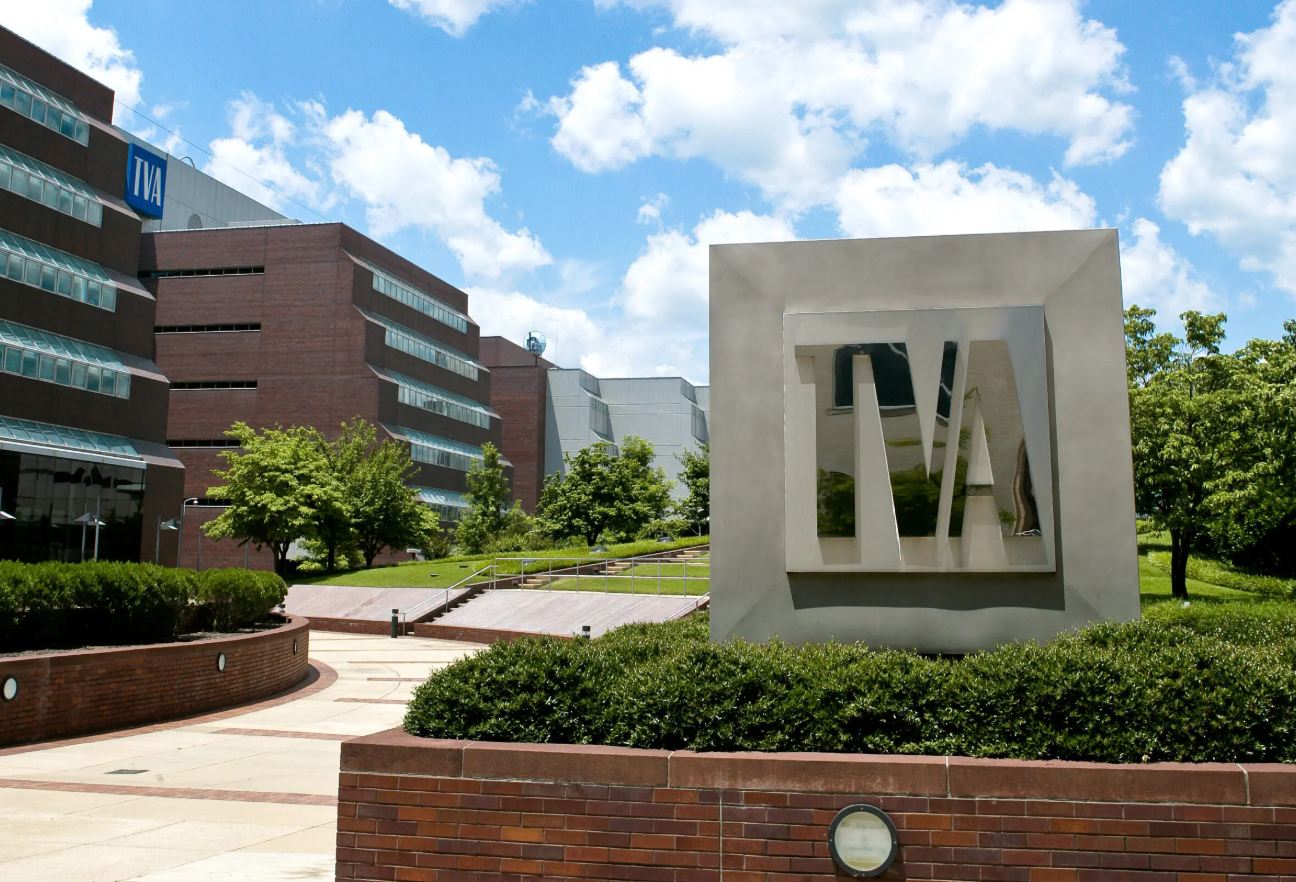
TVA Preserves Bellefonte Nuclear Plant Site for SMR Development, Accelerates Negotiations with GE Vernova Hitachi
The Tennessee Valley Authority (TVA) is preserving the unfinished Bellefonte Nuclear Plant in Jackson County, Alabama for potential future development. Based on current progress, TVA is accelerating negotiations with GE Vernova Hitachi Nuclear Energy, and if the two parties ultimately reach an agreement, this long-idle nuclear plant site could be used to deploy multiple BWRX-300 small modular reactors. TVA spokesperson Scott Fiedler stated that the agency's current goal is to protect and preserve the Bellefonte site for future energy development. Small modular reactors are one of the technologies TVA is considering when evaluating potential power generation options, but no final decision has been made yet...
2026-08-12
Nuclea Signs MOU with Utah Office of Energy Development to Advance Microreactor Testing at USREL
Nuclea Energy USA Inc., a wholly owned subsidiary of advanced nuclear technology developer Nuclea Energy Inc., recently announced that it has signed a Memorandum of Understanding with the Utah Office of Energy Development to explore the possibility of deploying a nuclear test reactor at Utah's San Rafael Energy Laboratory to advance the development and commercialization of Nuclea's Morpheus microreactor. This collaboration is seen as an important step for Nuclea's micro modular reactor moving from technology validation toward actual deployment. According to the MOU, Nuclea and the Utah Office of Energy Development will evaluate test reactor siting, coordination with the U.S. Department of Energy and the Nuclear Regulatory Commission, and...
2026-08-12

UK PhD Students Travel to Canadian Nuclear Laboratories for Hands-On Nuclear Energy Training
On August 10, 2026, Canadian Nuclear Laboratories (CNL) welcomed its first cohort of PhD students from the United Kingdom. The visit is part of a five-year collaboration with the UK's Skills and Training Alliance for a Nuclear Renaissance Centre for Doctoral Training (SATURN CDT), marking the launch of a new long-term partnership in the international development of nuclear energy talent. SATURN CDT is funded by the UK's Engineering and Physical Sciences Research Council (EPSRC) and led by the University of Manchester, in partnership with seven UK universities. The program aims to provide the next generation of nuclear energy professionals with hands-on training beyond the classroom...
2026-08-11
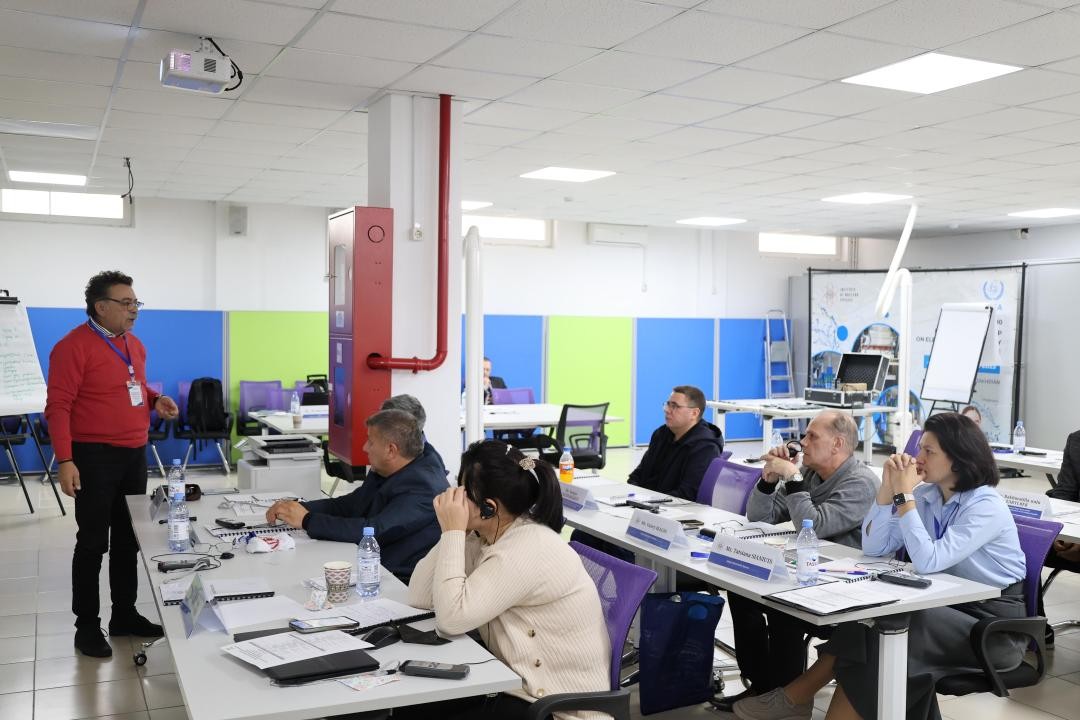
Kazakhstan Strengthens Radiation Safety Monitoring and Nuclear Power Talent Development
Kazakhstan is improving its safety system in the field of nuclear energy and ionizing radiation source utilization, focusing on radiation monitoring, protective measures, and professional personnel training. Ionizing radiation technologies are now widely used in disease diagnosis and treatment, scientific research, product quality inspection, medical device sterilization, geophysical operations, and other fields, and their application simultaneously requires strict implementation of radiation safety management systems. In Kazakhstan, national policy and regulation in the field of atomic energy utilization are the responsibility of the Atomic Energy Agency (AEA) of the Republic of Kazakhstan, while supervision and inspection of atomic energy utilization facilities are carried out by its subordinate Committee for Atomic and Energy Supervision and Control. Current regulations stipulate licensing of related activities, registration and control of ionizing radiation sources...
2026-08-11

Texas A&M University Leads Development of Novel Wound Treatment for New World Screwworm
On August 10, 2026, the Texas A&M Engineering Experiment Station is leading the development of fast-acting, low-residue wound treatments for livestock infected with New World screwworm. The project, funded at $1.86 million, is led by Dr. Mustafa E. S. Akbulut, Associate Professor in the Artie McFerrin Department of Chemical Engineering at Texas A&M University, with the goal of providing ranchers and veterinarians with immediately deployable field treatment tools after infection occurs in animals. New World screwworm is a parasite that feeds on living tissue. According to available data, the pest is currently spreading in Central America and Mexico, with over 150,000 animal infection cases reported. Recently, cases have also emerged in Texas and New Mexico. Federal models predict that a large-scale outbreak in Texas could result in livestock losses exceeding $1.8 billion. If left untreated, these pests can cause severe harm to livestock, companion animals, and wildlife.
2026-08-11
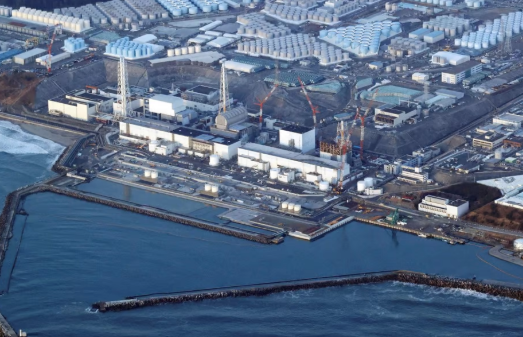
Japan's MEXT to Establish Industry-Academia-Government Collaboration Platform to Strengthen Nuclear Energy Human Resource Development
Japan's Ministry of Education, Culture, Sports, Science and Technology (MEXT) plans to launch a new initiative for nuclear energy human resource development, with the core approach being the establishment of an industry-academia-government collaborative organization within the Japan Atomic Energy Agency (JAEA). This organization will undertake coordination functions such as institutional design and budget allocation, and will promote closer cooperation mechanisms among universities, research institutions, and the industrial sector regarding nuclear energy education and practical training. Based on publicly available information, this arrangement is not merely about adding training courses, but rather an attempt to build a cross-sectoral human resource development platform. JAEA possesses research reactors, experimental facilities, and long-accumulated technical resources; incorporating these resources into the educational system will help bridge the gap between university classroom instruction and actual nuclear engineering field practice...
2026-08-11