Registration
REGISTER FOR THE CONFERENCE
Registration
REGISTER FOR THE CONFERENCE
 Apply to Exhibit
APPLICATION FOR EXHIBITION
Apply to Exhibit
APPLICATION FOR EXHIBITION
 Sponsorship
SPONSORSHIP APPLICATION
Sponsorship
SPONSORSHIP APPLICATION
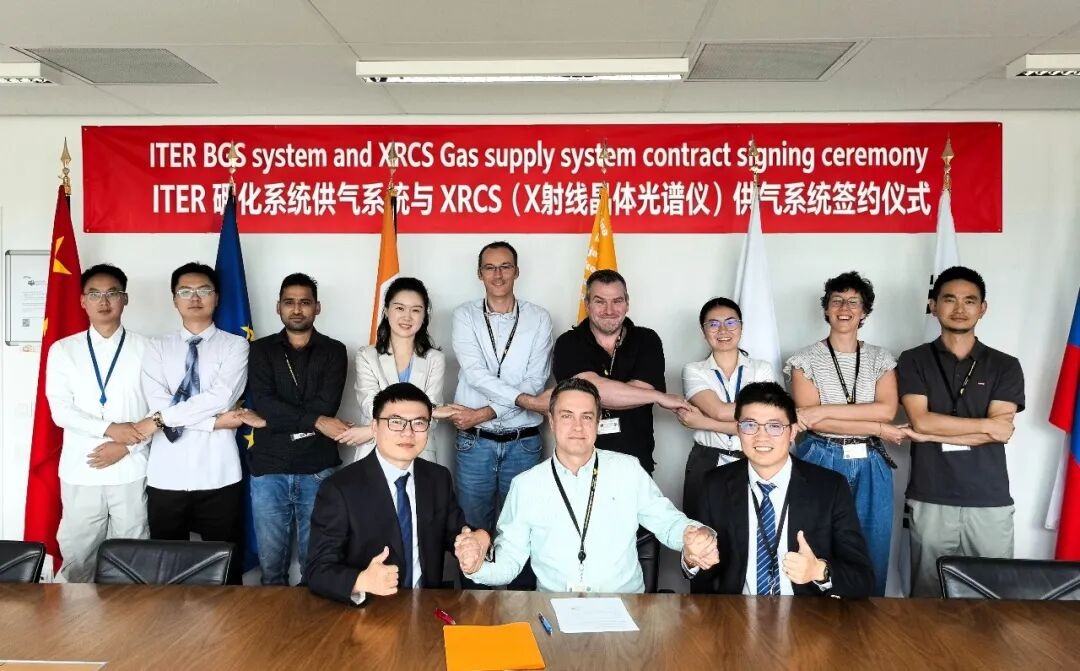
Chinese Team Achieves Full Technical Chain Integration in Wall Treatment for the World's Largest "Artificial Sun"
Recently, the team from the Southwestern Institute of Physics under the China National Nuclear Corporation (CNNC) has made significant progress in the wall treatment technology of the International Thermonuclear Experimental Reactor (ITER): not only successfully passing the Delta Final Design Review (Delta FDR) for the supplementary design of the Glow Discharge Cleaning (GDC) system permanent electrode project, but also, leading and jointly with CNI23, winning the bid and signing contracts in France for the design and manufacture of the boronization system and the X-ray Crystal Spectrometer (XRCS) gas supply system. This marks a new expansion of the Chinese team's core technology in ITER wall treatment, extending the scope from the original glow discharge cleaning to boronization wall treatment, achieving a full technical chain from impurity removal to surface pre-treatment...
2026-08-15
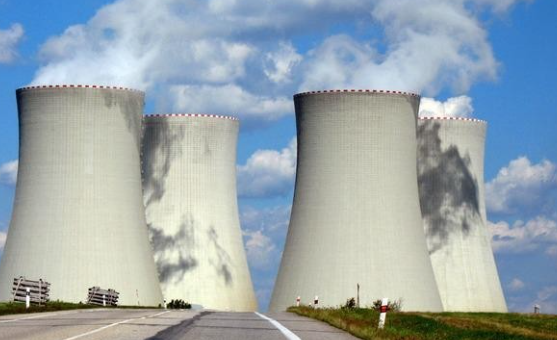
Morocco Conducts 18 Expert Missions with IAEA in 2025, Civil Nuclear Cooperation Expands to African Level
2026-08-15
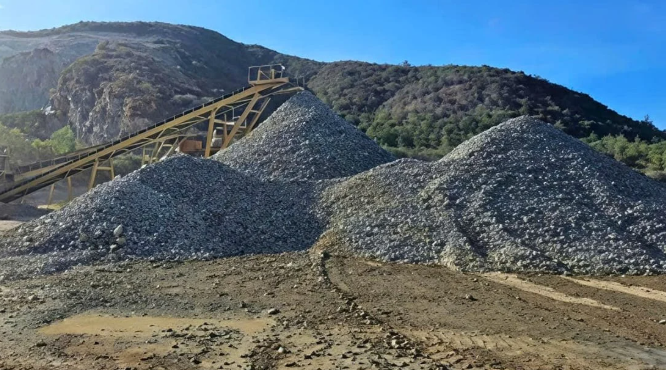
Khanh Hoa Province Approves Mineral Extraction Zone for Ninh Thuan 1/2 Nuclear Power Resettlement and Land Clearance
2026-08-15
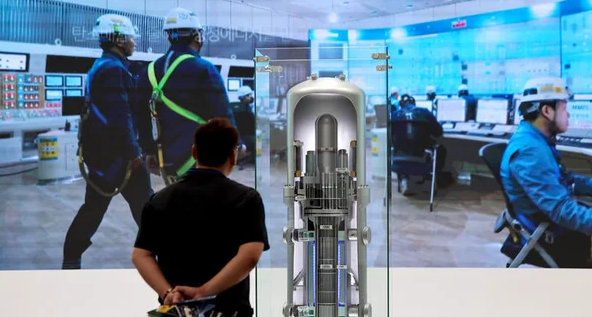
KHNP Maps Out SMR Security System to Address Drone and Nuclear Material Threats
2026-08-15
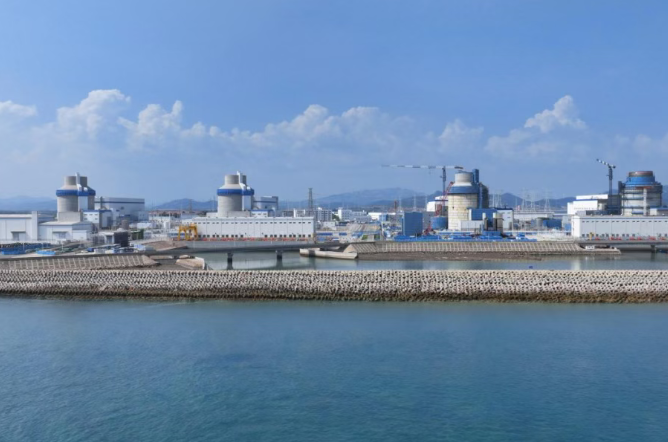
SPIC Haiyang Nuclear Power Unit 3 Hot Functional Test Successfully Completed
2026-08-15
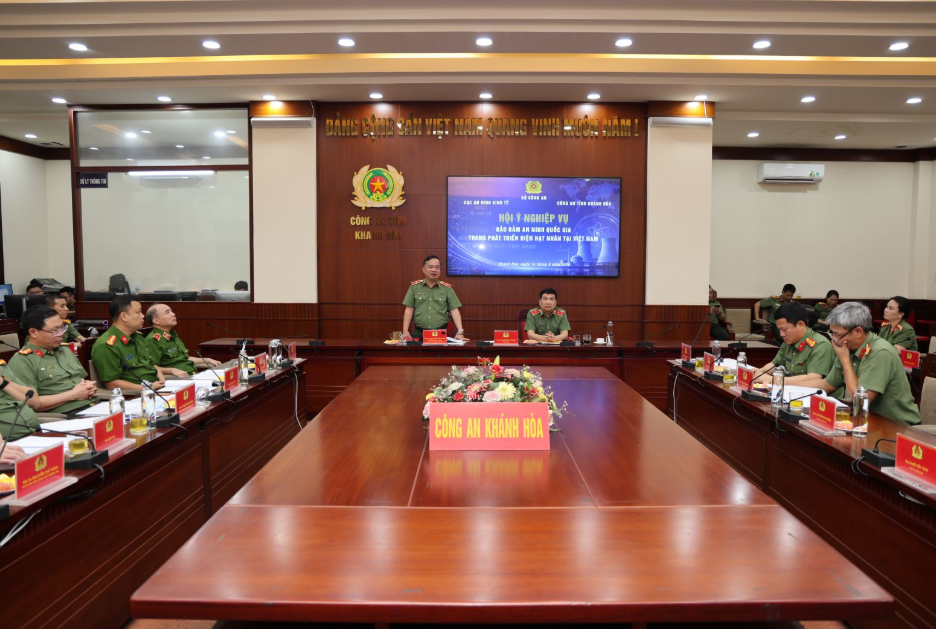
Public Security Ministry's Economic Security Department holds thematic conference on national security safeguards for nuclear energy in Khanh Hoa Province
2026-08-15

India Proposes Strict Approval System for Private Nuclear Power Projects
2026-08-15
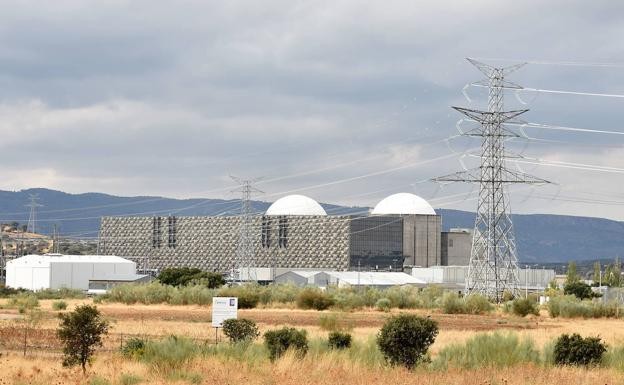
Spain Extends Almaraz Nuclear Power Plant Operation to June 2030
2026-08-15
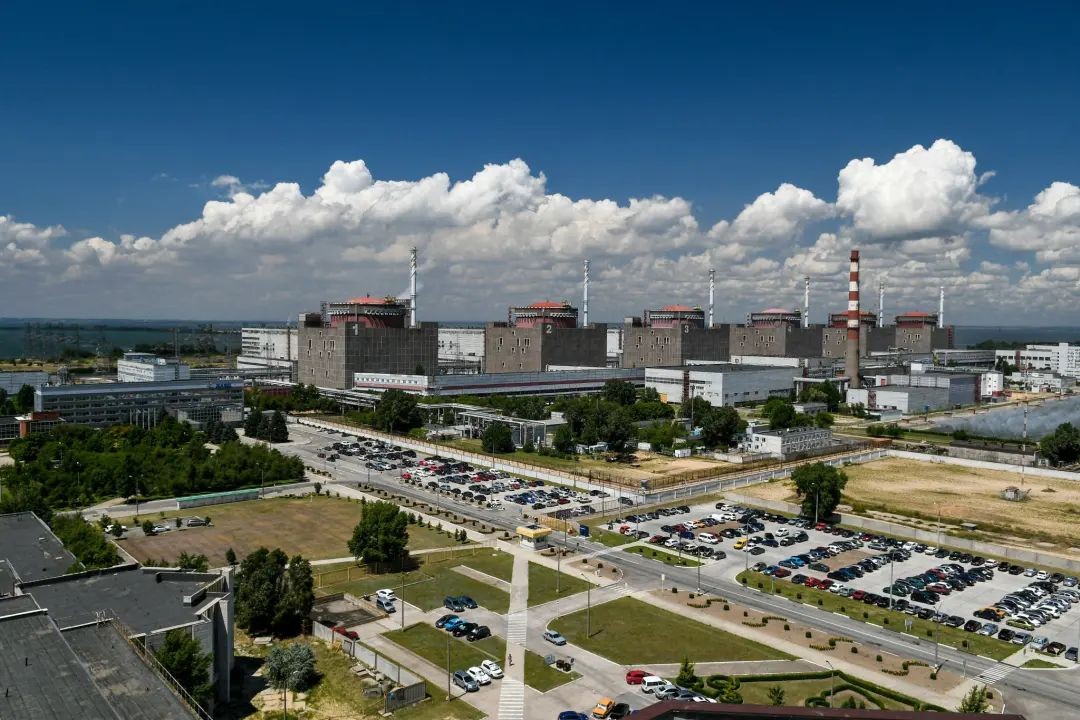
Zaporizhzhia Nuclear Power Plant Launches Major Overhaul of Damaged Diesel Generator
2026-08-15
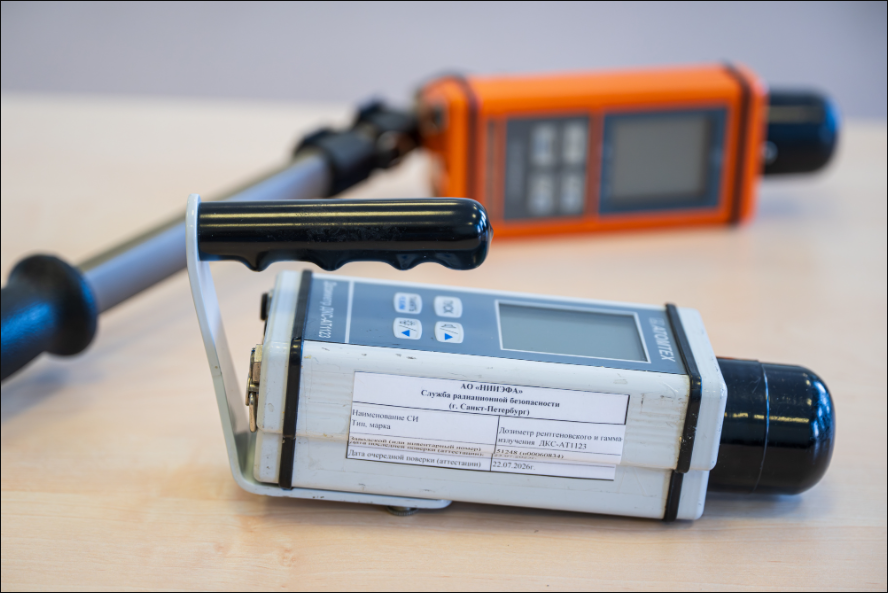
In September, NIIEFA (D.V. Efremov Scientific Research Institute of Electrophysical Apparatus), a subsidiary of Rosatom, will jointly conduct comparative measurements in the fields of radiation monitoring (RM) and individual dose monitoring (IDM) with Ritverts JSC and the A.M. Nikiforov All-Russian Center for Emergency and Radiation Medicine. The work will be carried out under the supervision and support of experts from the D.I. Mendeleev All-Russian Research Institute for Metrology. The focus of these comparative measurements is to verify the accuracy, reliability, and consistency of measurement results obtained by different radiation safety monitoring methods and equipment. Through unified comparison, the performance of various instruments in workplace radiation level assessment, surface contamination monitoring, and individual exposure dose recording can be further confirmed, thereby enhancing the credibility of final radiation dose assessments.
2026-08-15
On August 14, Philippine authorities conducted a raid on Davao Mighty Steel Corp., a steel manufacturing plant located in Barangay Ilang, Bunawan District, Davao City. The operation followed an investigation launched by the National Bureau of Investigation (NBI) after receiving reports that the company was involved in the production and sale of substandard steel rebar, with the scope of the investigation subsequently expanding after radioactive isotopes were detected in commercially sold DMS rebar. The operation was led by the National Bureau of Investigation, with the participation of the Presidential Anti-Organized Crime Commission (PAOCC), and was supported by the Philippine Nuclear Research Institute (PNRI), the Philippine Air Force, the Philippine Coast Guard's Chemical, Biological, Radiological and Nuclear emergency response units, the Coast Guard Special Operations Group, and the Army's 10th Infantry Division.
2026-08-15
On August 14, the 32nd China International Medical Instruments and Equipment Exhibition & Technology Exchange Conference (China-Hospeq 2026) opened at the China National Convention Center in Beijing. CGN Medical was invited to exhibit under the theme of "Precision Radiotherapy · Nuclear Medicine Empowerment," showcasing achievements in the healthcare sector including the Hezhi® proton therapy system and the Hejia® germanium-gallium generator. The exhibits covered radiotherapy solutions, new medical isotopes, SiPM chips for molecular imaging, radiation protection, and medical device sterilization. On the first day of the exhibition, representatives from relevant departments and institutions visited the CGN Medical booth, learning about CGN's product layout and technological progress in the nuclear medicine field, and showing interest in its efforts in the domestic substitution of high-end medical equipment...
2026-08-15
The Rook 1 uranium mine project in northern Saskatchewan, Canada, has officially commenced construction. The project, advanced by NexGen Energy, is located south of the Athabasca Basin, approximately 130 kilometers north of La Loche. Saskatchewan Premier Scott Moe, former Canadian Prime Minister Stephen Harper, Secretary of State for Rural Development Buckley Belanger, and local Indigenous representatives attended the groundbreaking ceremony. The total project investment is approximately CAD 2.2 billion, with an expected construction period of four years. External infrastructure work has already begun, shaft sinking is planned for 2027, and the on-site runway will be expanded to 1,780 meters. Rook 1 is regarded as one of the world's largest uranium mine projects. NexGen estimates...
2026-08-14
Long-term monitoring results from the external radiation monitoring group at Russia's Kola Nuclear Power Plant show that gamma radiation dose rates around the plant site have consistently remained within natural background radiation levels, with radionuclide concentrations matching background values, indicating a sound radiation environment with no differences from surrounding areas. The station's radiation safety department collects surface water samples from the discharge canal monthly, with monitoring coverage encompassing all elements including the atmosphere, snow cover, bottom sediments, food products, algae, berries, mushrooms, and caged fish. The monitoring architecture consists of two tiers: 15 permanent environmental observation stations have been in continuous operation since before the commissioning of the first reactor unit in 1972; 13 ASKRO automated radiation environment monitoring system stations provide real-time ground-level gamma dose rate data, which is transmitted directly to the Rosenergoatom crisis center and integrated into the national unified radiation monitoring network. Approximately 200,000 cubic meters of air are drawn weekly through air filtration units to capture radionuclides, with volumetric activity of radioactive iodine also measured. A mobile radiological laboratory performs on-site spectrometric analysis. Annually, about 1,200 environmental samples are collected from around the plant site and delivered to the Polyarnye Zori laboratory, where well water samples analyzed by Canberra spectrometers yield "zero nuclide" results, with samples retained for one year for potential re-analysis. Biological samples are processed using the ashing method, and instrument sensitivity is sometimes insufficient to even detect any signal from the plant's impact.
2026-08-14
On the morning of August 13, the Department of Science and Technology of Phu Tho Province, in coordination with the Vietnam Union of Science and Technology Associations and the Institute for Technology and Radiation Application, held a scientific seminar to solicit opinions on the draft of the "Radiation and Nuclear Accident Emergency Response Plan of Phu Tho Province." Experts, scientists, and representatives from relevant provincial and municipal departments were invited to attend, aiming to ensure the plan's feasibility, alignment with local conditions, and compliance with national requirements for atomic energy management and radiation safety. The core purpose of this seminar was to improve the emergency response plan through multi-party input, making it more suitable for local realities and meeting the requirements of atomic energy application, radiation safety, and nuclear safety management. From the local perspective, the application of radiation technology in Phu Tho Province has already reached a certain scale. Currently, the province has more than 270 institutions using radiation, equipped with over 417 X-ray machines, 2 linear accelerators, more than 500 radiation devices, and 45 radioactive sources, widely applied in fields such as medicine, industry, technical inspection, and scientific research. These technologies have played an active role in enhancing diagnostic and treatment capabilities, improving labor productivity, upgrading product quality, and serving economic and social development.
2026-08-14
Turkey's Nuclear Regulatory Authority (NDK) has recently adjusted testing requirements for equipment related to nuclear facilities, providing flexibility for equipment with a production cycle of less than 15 days. According to the decision published in the Official Gazette, under specific conditions, when such equipment undergoes certain tests, testing laboratories will no longer be required to hold specific accreditation for the corresponding test methods. This adjustment applies to the supply chain under the framework of the Regulation on Authorization of Nuclear Facilities. When the NDK, suppliers, or subcontractors are unable to provide a laboratory accredited for the relevant test methods, the original accreditation prerequisite may be waived for the testing of such equipment. This indicates that the regulatory authority, while ensuring quality control of nuclear facility equipment, has also left operational leeway for the testing process of short-cycle production equipment.
2026-08-14