
Search Results
Keyword:EC
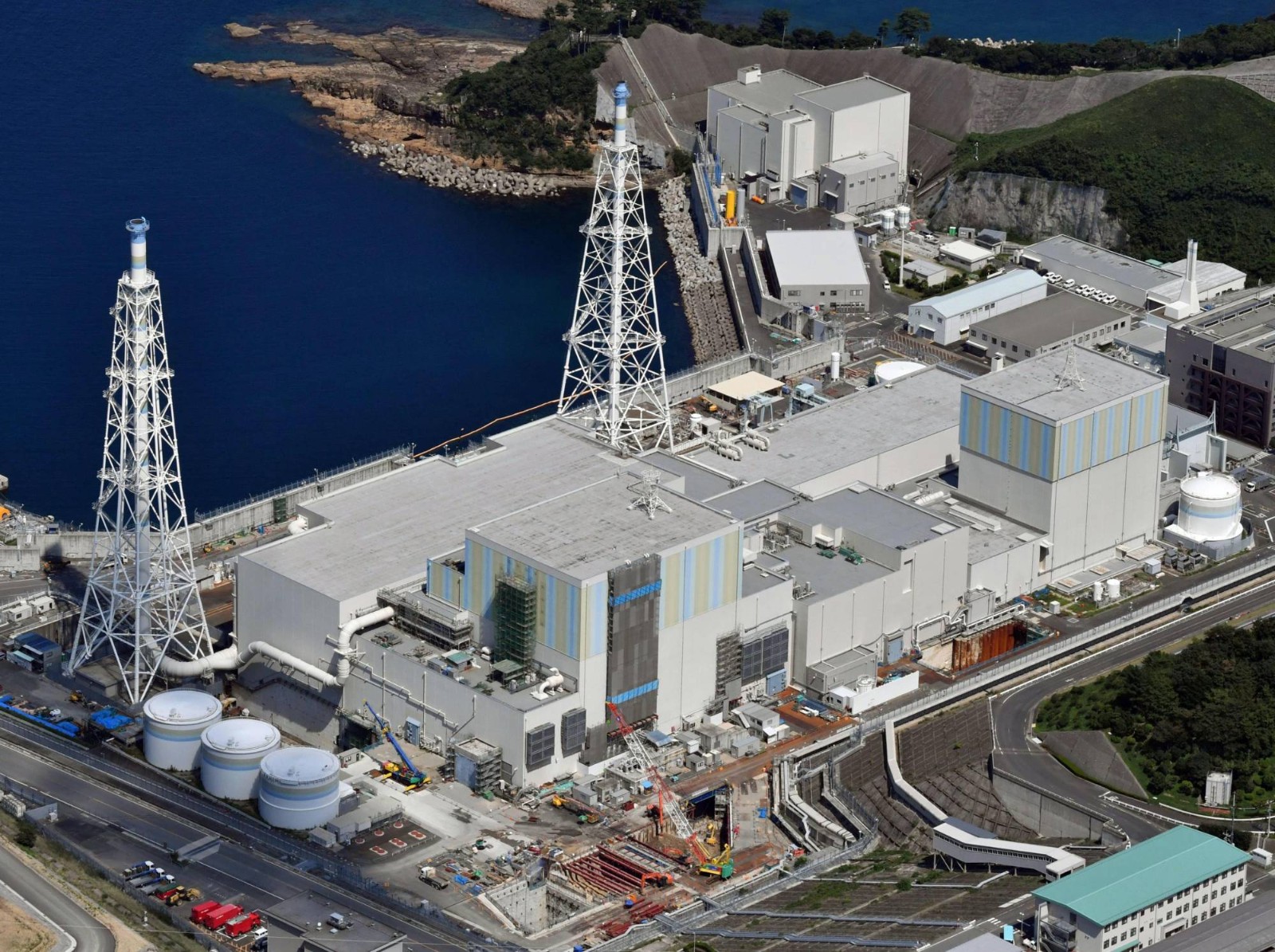
Shimane Nuclear Power Station Unit 2 Resumes Power Generation
Chugoku Electric Power Co. reported on August 19 that Unit 2 of the Shimane Nuclear Power Station resumed power generation at 2:00 p.m. that day through generator synchronization and began supplying electricity to the grid. Unit 2 of the Shimane Nuclear Power Station uses a boiling water reactor with a rated generating capacity of 820,000 kilowatts. Chugoku Electric Power Co. stated that it will prioritize safety, conduct comprehensive inspections of equipment operating conditions, and prepare for the unit to resume commercial operation as scheduled on September 16. ...
2026-08-19
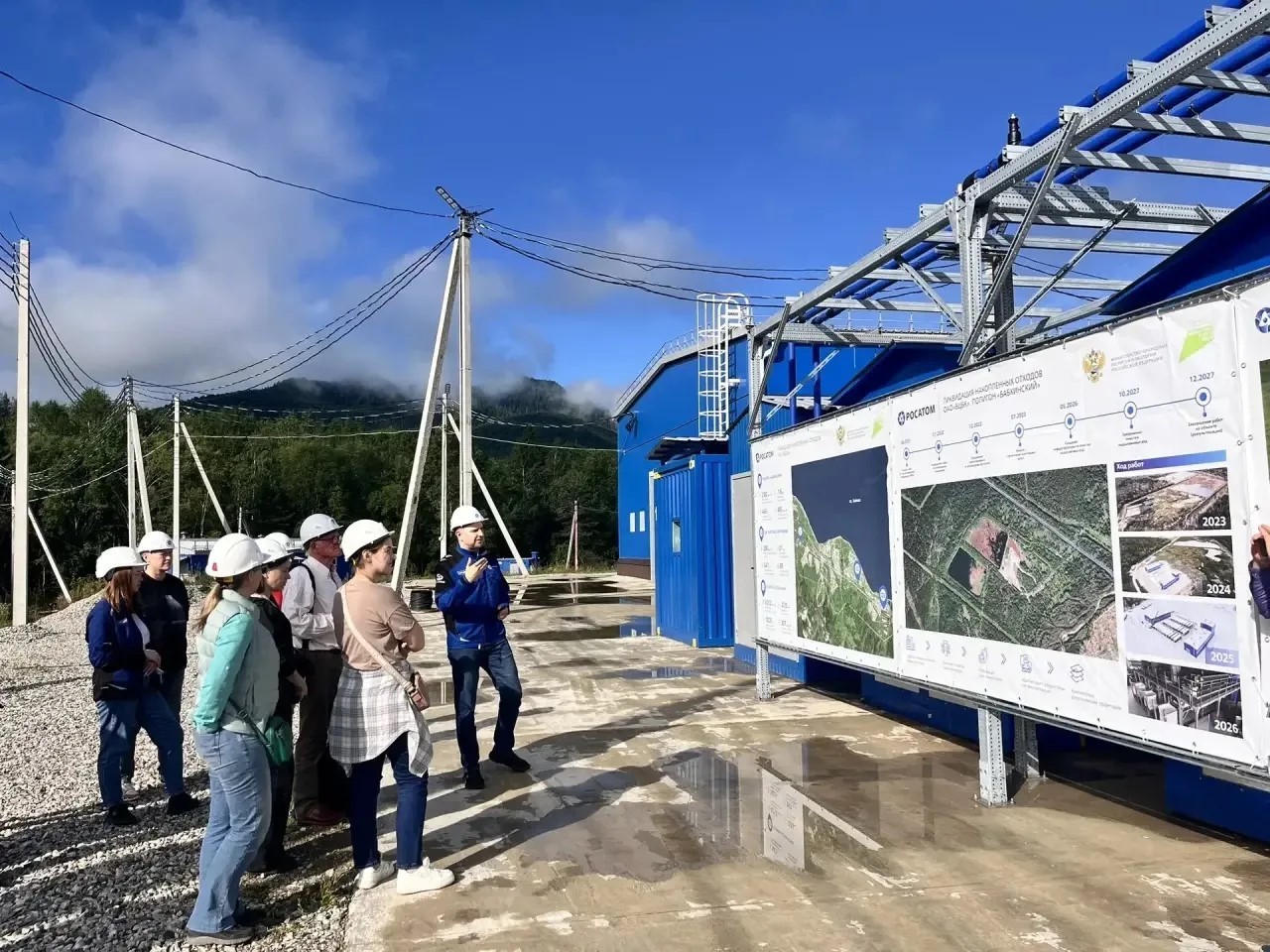
UNESCO Expert Mission Inspects Environmental Remediation Project at Former Baikal Pulp and Paper Mill in Russia
On August 19, 2026, a monitoring mission for the Lake Baikal World Heritage Site, comprising experts from UNESCO and the International Union for Conservation of Nature, inspected the cumulative environmental damage remediation work carried out by Federal Environmental Operator, a subsidiary of Rosatom, at the former Baikal Pulp and Paper Mill site. At the former plant area, the experts were briefed on progress in sludge treatment, alkaline wastewater treatment, and nature-based remediation technologies. The relevant projects primarily target historically accumulated pollution, with the goal of reducing the risk of pollutants entering Lake Baikal. During the visit, the infrastructure at the Babushinsky landfill and the former wastewater treatment plant had been completed and entered the commissioning phase. The...
2026-08-19
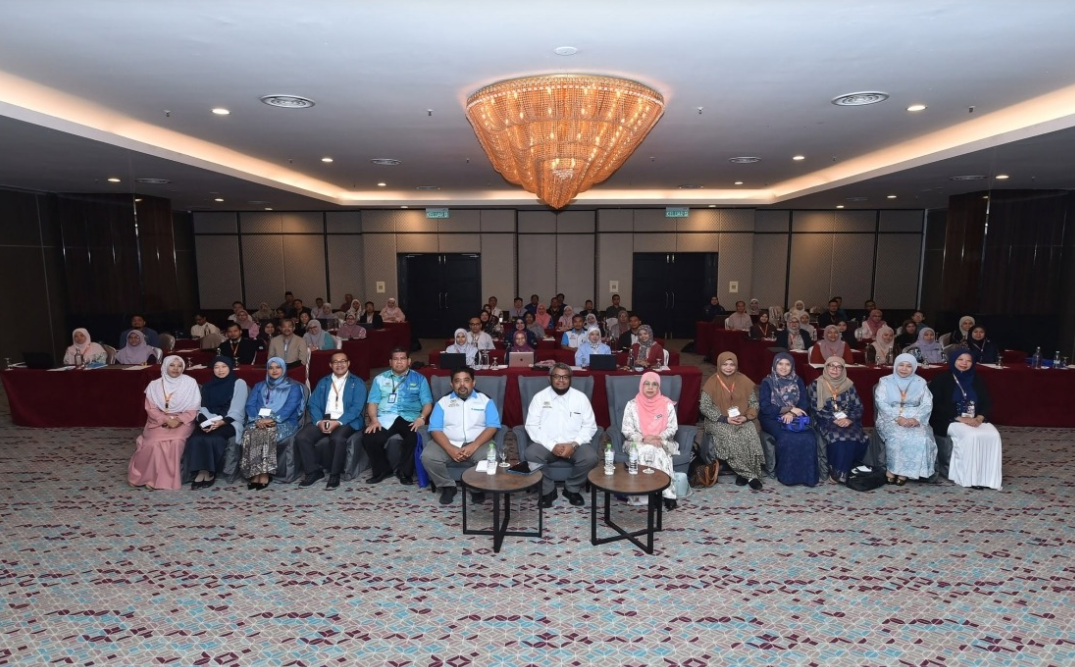
Malaysian Nuclear Agency Strengthens Scientific Writing Training to Promote Dissemination of Nuclear Technology Research Outcomes
On August 18, the Malaysian Nuclear Agency stated that it will continue to enhance the scientific writing and publishing capabilities of its professionals and technical staff, driving research outcomes out of the laboratory to serve society and national development in a broader manner. Dr. Muhamad Rawi Mohamed Zin, Director General of the Malaysian Nuclear Agency, said at the opening of the 2026 Scientific Writing and Publishing Seminar and Workshop that scientific publications are a key indicator of whether research outcomes can promote knowledge advancement, solve practical problems, and create value for national development. High-quality publishing not only helps demonstrate research impact but also enables scientific outcomes to be shared, understood, and applied by a wider audience. This seminar...
2026-08-19
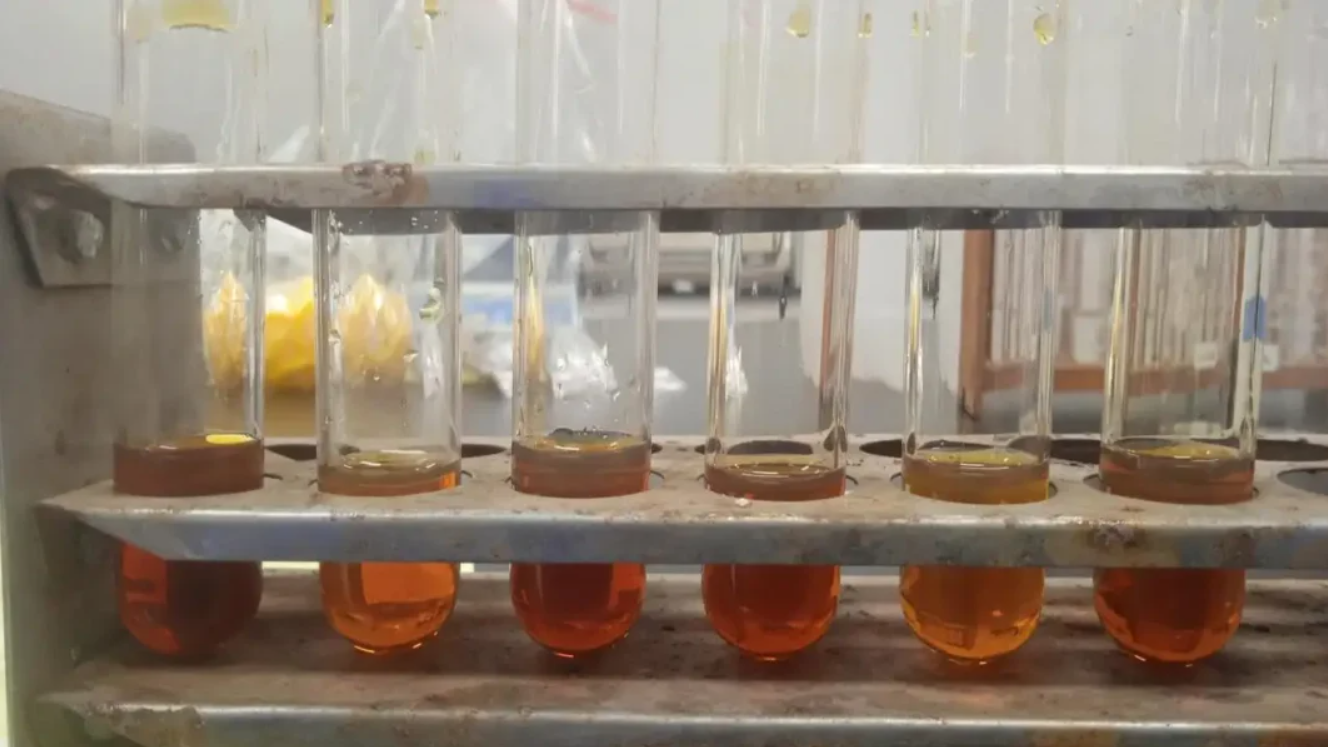
Indonesia Develops Cobalt-60 Gamma Irradiation Technology to Boost Biodiesel Production from Waste Cooking Oil
The Indonesian Nuclear Technology Polytechnic, under the National Research and Innovation Agency (BRIN), has recently successfully developed cobalt-60 (Co-60) gamma irradiation technology and applied it to increase biodiesel production from waste cooking oil. The study aims to explore more efficient pathways for renewable energy production while providing a new solution for the resource utilization of waste cooking oil. Dita Ariyanti, a lecturer at the Indonesian Nuclear Technology Polytechnic, stated that with continued growth in energy consumption and declining fossil fuel reserves, the need to develop alternative energy sources is becoming increasingly urgent. For Indonesia, rising energy demand and dependence on fossil fuels also pose challenges to greenhouse gas emission reduction. Waste cooking oil was previously mostly treated as household waste, and improper disposal could pollute the environment; converting it into biodiesel can reduce waste while obtaining renewable energy.
2026-08-19

Deployable Energy and Hornbeck Offshore Partner to Advance Maritime Microreactor Applications
Deployable Energy recently announced that it has signed a memorandum of understanding with Hornbeck Offshore to advance the commercialization of the Unity nuclear battery for maritime and offshore applications. Hornbeck Offshore has also made a strategic investment in Deployable Energy. Under the arrangement, the collaboration will combine Deployable Energy's transportable microreactor technology with Hornbeck Offshore's operational expertise in offshore service vessels, focusing on applications such as inland waterways, offshore vessels and platforms, national security logistics and autonomous vessels, power generation barges, and floating data centers. ...
2026-08-19
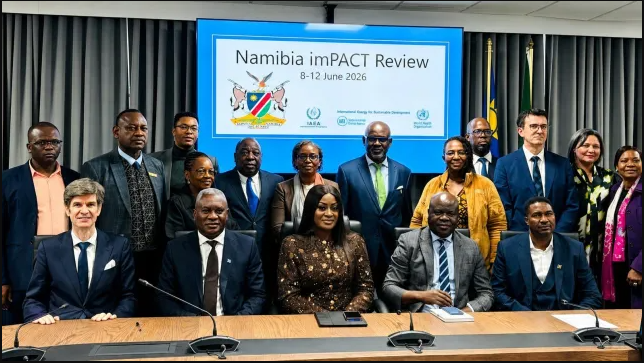
IAEA imPACT Assessment Recommends Namibia Expand Cancer Diagnosis and Treatment Services
August 18, 2026, the results of the International Atomic Energy Agency's imPACT review show that Namibia has demonstrated a clear commitment to strengthening cancer treatment, while still needing to further expand service coverage, build the oncology workforce, and improve access to cancer diagnosis and treatment nationwide. Cancer is becoming an increasingly prominent public health challenge in Namibia. Data shows that the country records more than 4,200 new cancer cases annually. According to Globocan 2024 projections, this figure is expected to rise to 7,200 by 2040. Breast cancer, cervical cancer, prostate cancer, and Kaposi sarcoma currently account for nearly half of all confirmed cancer cases in Namibia...
2026-08-19
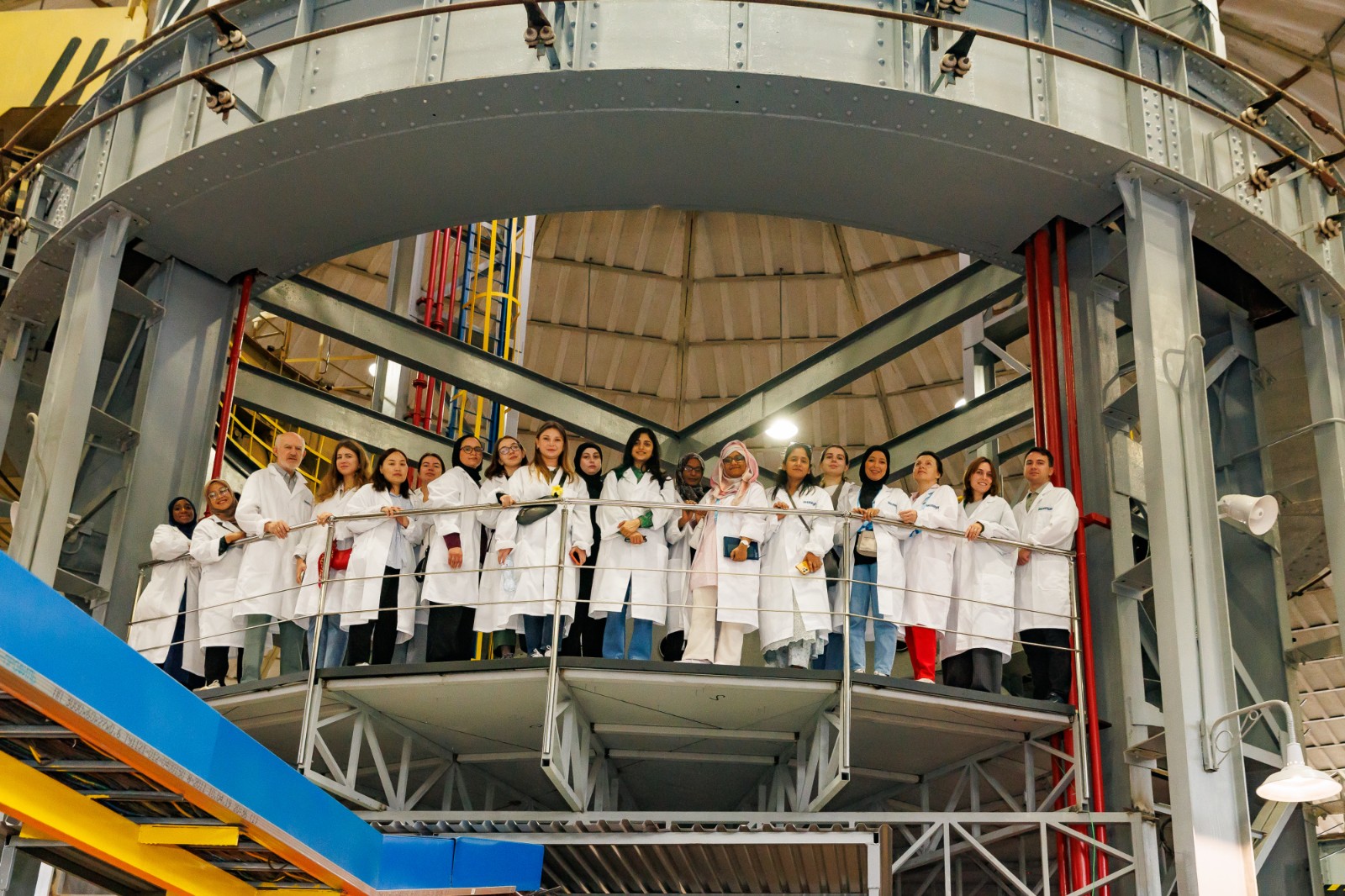
IAEA Lise Meitner Programme Concludes First Visit to Russia
The first visit to Russia under the International Atomic Energy Agency (IAEA) Lise Meitner Programme recently concluded in Moscow. The two-week visit brought together 14 female nuclear industry professionals from 14 countries, focusing on Russia's nuclear technology, nuclear facilities, and research platform operations, along with training and exchanges on professional competence and leadership. During the visit, the delegation toured the Kalinin Nuclear Power Plant, the Rosatom Technical Academy in Obninsk, the Joint Institute for Nuclear Research (JINR), and the Machine-Building Plant under Rosatom's fuel division. Participants also learned virtually about...
2026-08-19
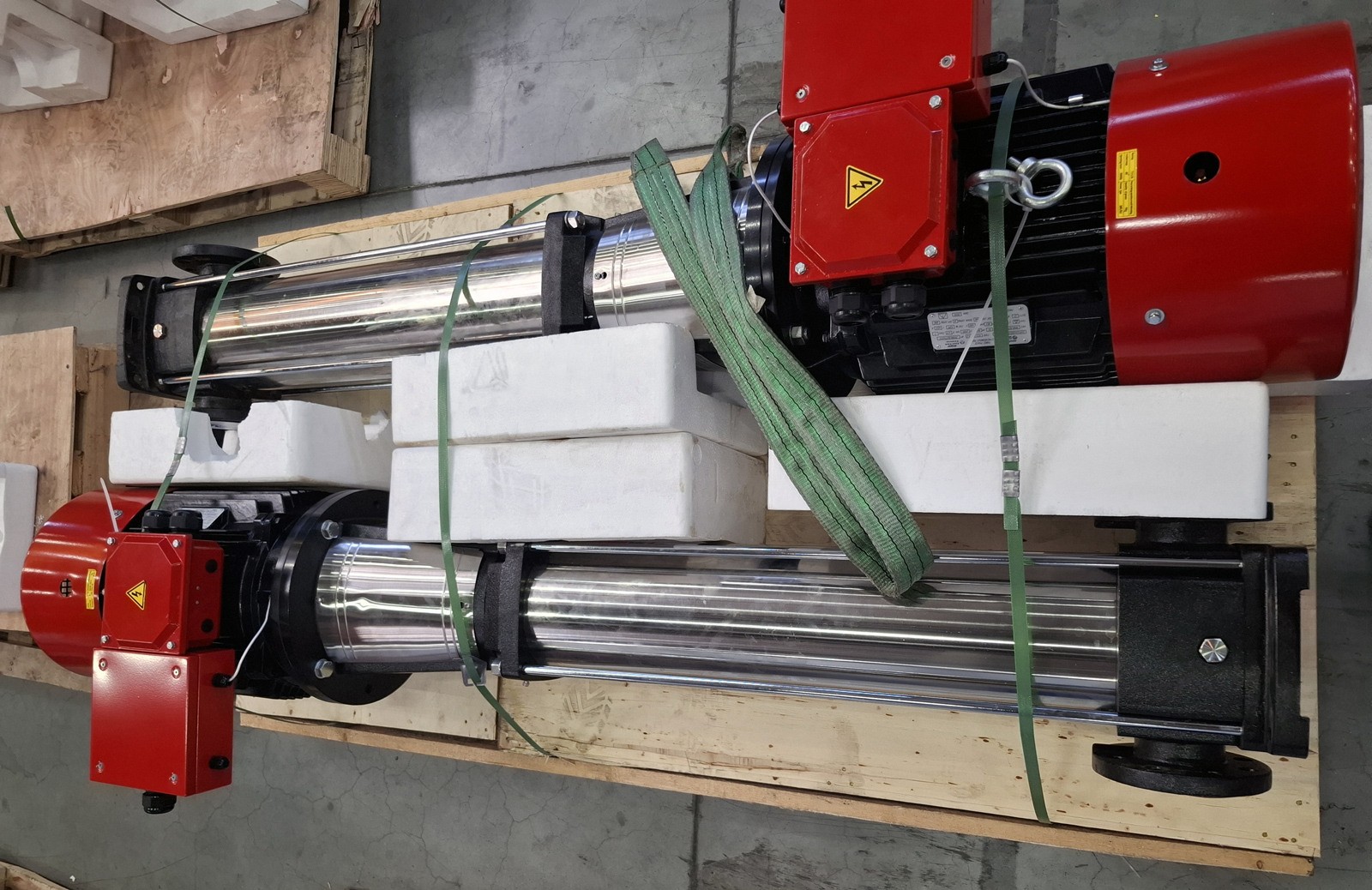
Acceptance Inspection Completed for Auxiliary Pump Equipment at Egypt's El Dabaa Nuclear Power Plant
A milestone in equipment quality control has been achieved at the construction project of the El Dabaa Nuclear Power Plant, Egypt's first nuclear power station. Recently, SpetsAtomResurs LLC, a Russian limited liability company, completed acceptance testing and final acceptance inspection of six auxiliary pump units at its production facility in Moscow, with the relevant equipment having passed pre-delivery quality confirmation. This quality control work was carried out from June 18 to July 21, 2026, fulfilling the supply obligations of SpetsAtomResurs LLC under the agreement concluded with JSC Atomstroyexport, the general contractor for the nuclear power plant construction. The equipment manufacturing and verification work was carried out in accordance with the established quality plan.
2026-08-19
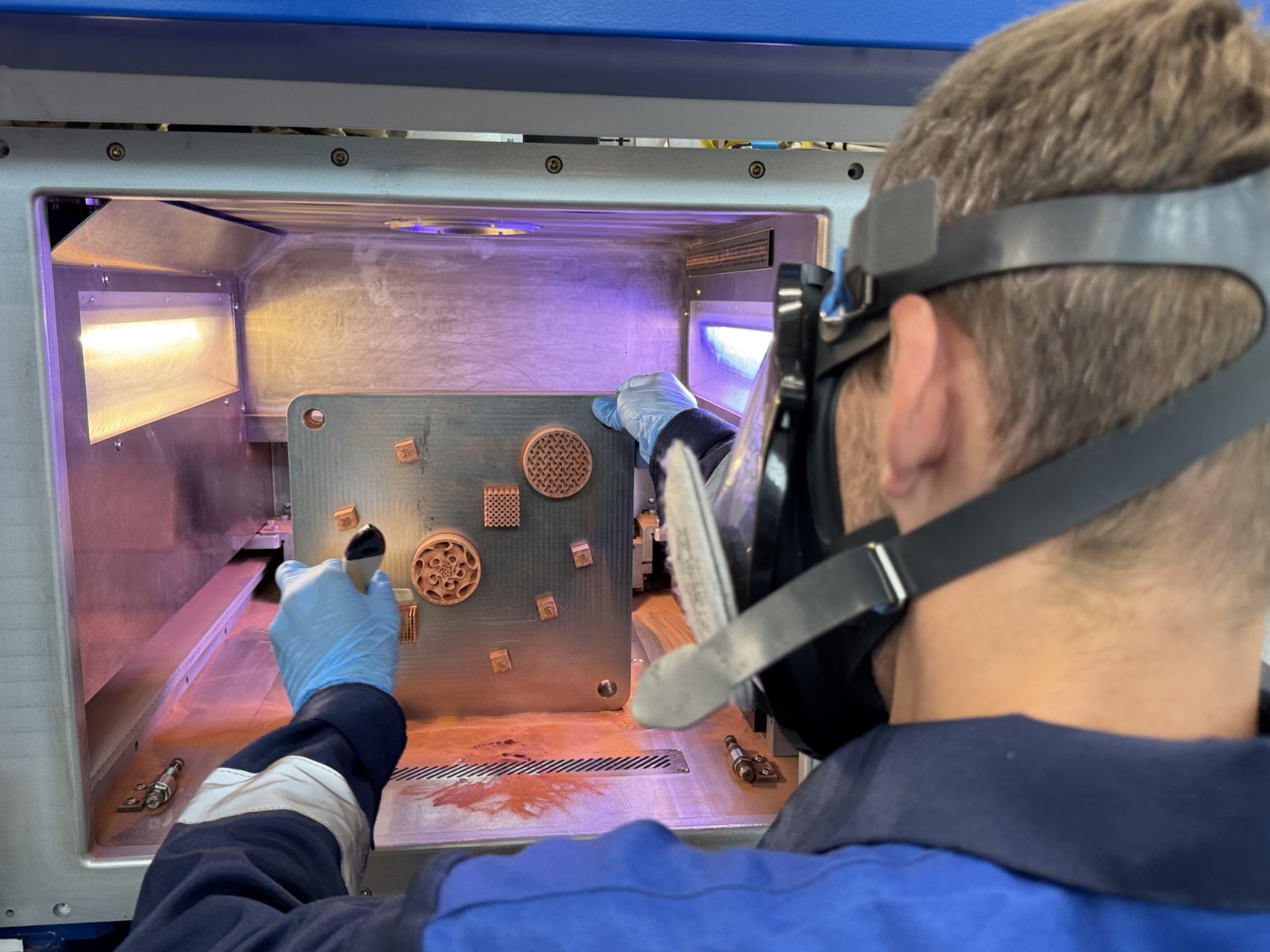
Rosatom masters 3D printing technology for copper and copper alloys
The additive manufacturing technology business division of Rosatom's Fuel Division recently announced that its experts have successfully manufactured products from copper and copper alloys using the RusMelt industrial 3D printer, marking progress in additive manufacturing with copper materials. According to reports, Rosatom had previously used selective laser melting (SLM) technology to produce metal 3D-printed equipment of various sizes, with commonly used materials including stainless steel, heat-resistant materials, and titanium. Due to copper's physical properties such as high thermal conductivity and high electrical conductivity, which also pose technical challenges for laser melting, its application in metal 3D printing has long been limited. The company's additive manufacturing technology center in Moscow...
2026-08-19
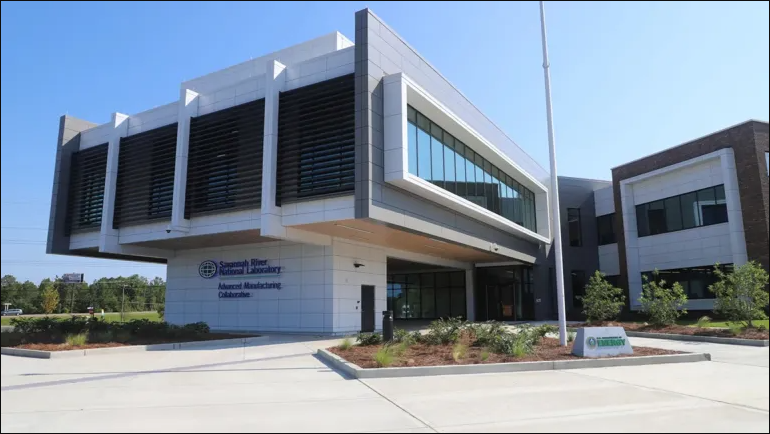
U.S. Laboratory Advances Nuclear Waste Cleanup Technology R&D with Artificial Intelligence
Researchers in South Carolina, U.S., are leveraging artificial intelligence to develop new tools for tackling complex tasks such as nuclear material disposal, waste management, and environmental cleanup. The relevant projects are being conducted at the Advanced Manufacturing Collaborative (AMC) in Aiken, a facility affiliated with the Savannah River National Laboratory (SRNL), spanning approximately 63,000 square feet, with the project launched on August 7, 2025. The Advanced Manufacturing Collaborative brings together researchers, engineers, students, industry partners, and university teams, with a focus on advancing R&D in artificial intelligence, robotics, additive manufacturing, and advanced materials. Johnny Green, Director of the Savannah River National Laboratory, stated that...
2026-08-19
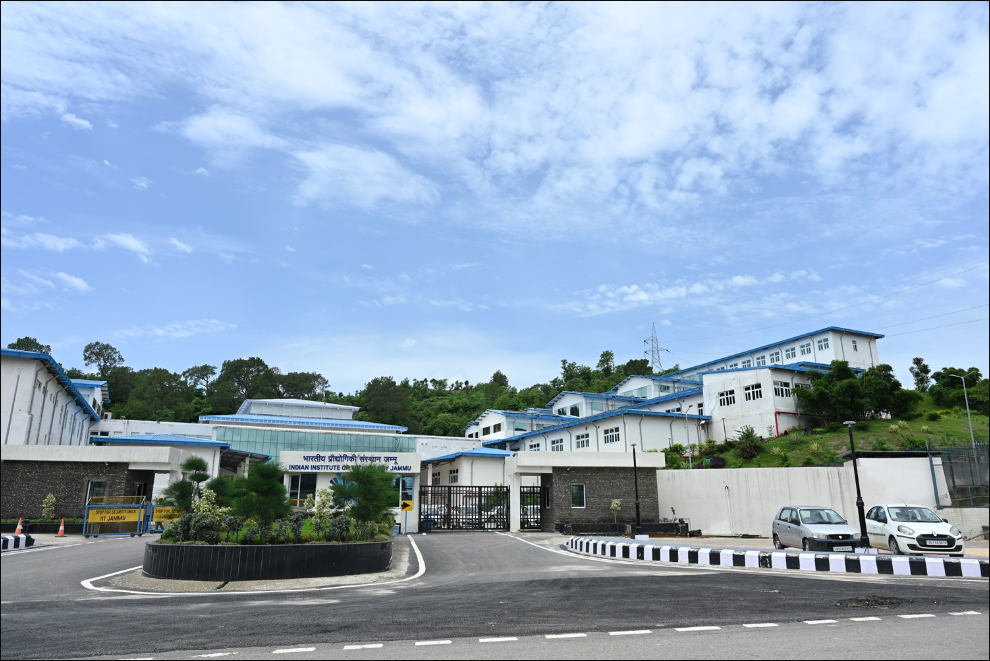
Indian research team uses supercomputer to track microscopic mechanisms of turbulence in dusty plasmas
Researchers at the Indian Institute of Technology Jammu (IIT Jammu), in collaboration with the Indian Institute of Technology Kanpur (IIT Kanpur), used supercomputer simulations to study the origin of chaos in dusty plasmas. By tracking the motion of millions of individual particles, the study revealed how turbulent energy is transferred from large-scale vortices to microscopic thermal motion of particles, providing a new computational perspective for nuclear fusion plasma research and astrophysical process analysis. Plasma is often referred to as the fourth state of matter. Unlike solids, liquids, and gases, atoms in plasma are ionized, forming a system composed of positively charged ions and negatively charged electrons. When tiny solid dust particles enter the plasma, these particles absorb electrons and become negatively charged, subsequently undergoing complex interactions with surrounding particles to form dusty plasma.
2026-08-19
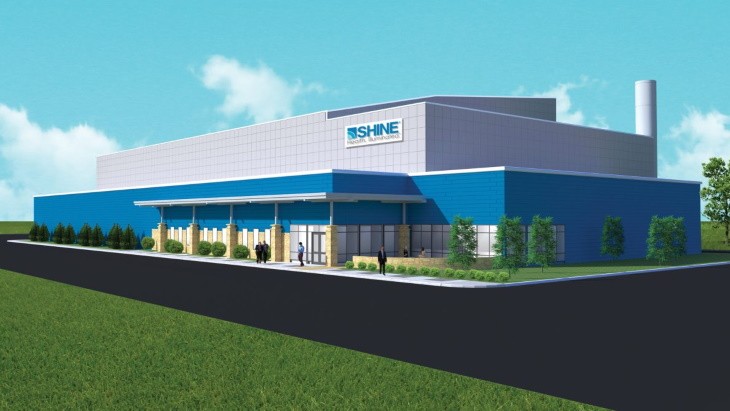
SHINE Advances Commercial Spent Fuel Recycling Facility Construction
U.S. electricity demand is growing at a rate rarely seen in decades, and nuclear energy is considered one of the key options to meet the incremental demand. Meanwhile, the current open nuclear fuel cycle still treats spent fuel primarily as single-use waste, failing to fully utilize most of the energy potential that remains within it. SHINE Technologies is developing spent fuel recycling technologies and plans to build a facility with spent fuel recycling capabilities. The company stated that multiple collaborations funded by the U.S. Department of Energy's Advanced Research Projects Agency-Energy (ARPA-E) CURIE program are advancing the work from validated laboratory-scale chemical processes toward commercial scale...
2026-08-19

SHINE Joins GE Vernova-Led Project to Modernize Nuclear Fuel Reprocessing Materials Accountability
SHINE Technologies (SHINE) announced on August 18 that it has joined a nuclear fuel reprocessing materials management project led by GE Vernova (GE Vernova), with both parties collaborating on tracking, measurement, and nuclear materials accountability of spent fuel during the reprocessing process. The project is led by GE Vernova's Advanced Research Center and funded by the U.S. Department of Energy's Advanced Research Projects Agency-Energy (ARPA-E), with the goal of introducing artificial intelligence technologies into reprocessing facilities to improve real-time monitoring of spent fuel flow and the efficiency of nuclear materials accounting. As a subcontractor to GE Vernova, SHINE will participate in improving sensor deployment schemes and developing an AI-supported materials tracking system, ensuring that nuclear materials control and accountability requirements are incorporated into the overall design at the early stages of reprocessing facility development.
2026-08-19
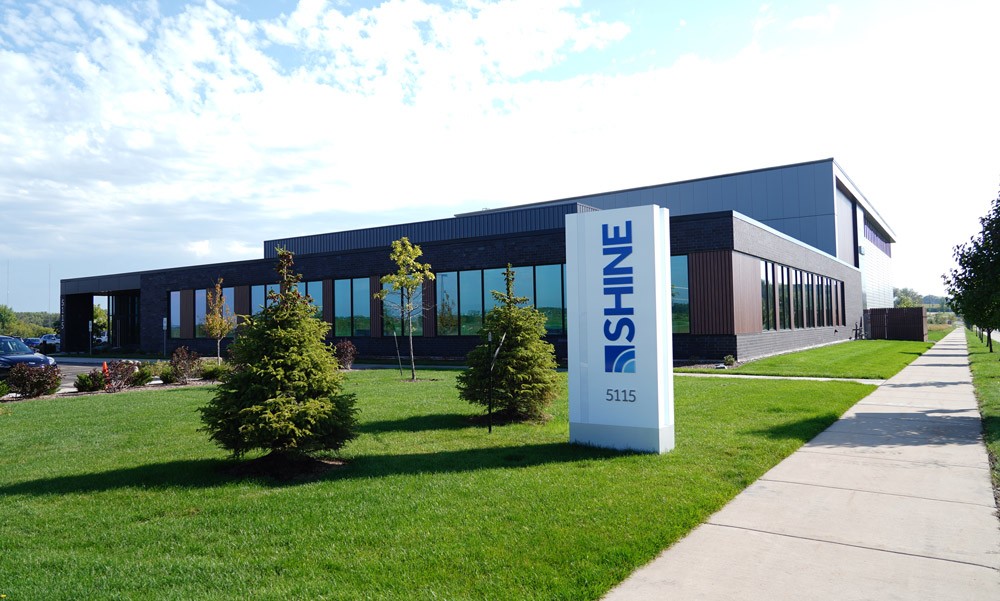
SHINE to Advance Spent Fuel Recycling Separation Technology with Argonne National Laboratory and Others
On August 18, fusion energy company SHINE announced that it will collaborate with the U.S. Department of Energy's Argonne National Laboratory and Case Western Reserve University to apply high-throughput chemical separation technology to the nuclear fuel recycling process it is currently developing. The collaboration is carried out under the CURIE program of the U.S. Department of Energy's Advanced Research Projects Agency-Energy (ARPA-E), with additional funding led by Case Western Reserve University, and SHINE participates as a subcontractor. Spent fuel is often referred to as nuclear waste, but it retains approximately 90% of its energy potential while containing multiple reusable byproducts. In recent years, federal programs and private investment in the United States have driven renewed interest in spent fuel recycling. Argonne National Laboratory is developing a new chemical processing device called "Packed Centrifugal Equipment for Radiochemical Separation," abbreviated as PaCERS. The device generates centrifugal force exceeding normal gravity conditions through high-speed rotation to improve chemical separation efficiency, and reduces costs across multiple stages of nuclear fuel recycling through higher throughput and lower solvent usage.
2026-08-19
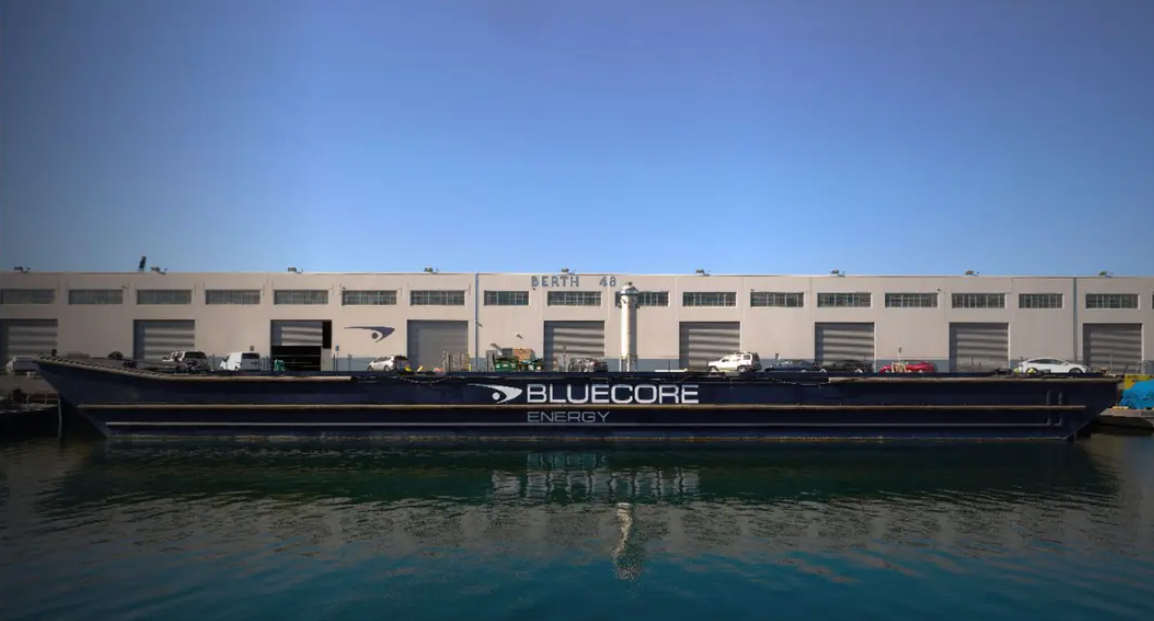
Port of Long Beach Advances Offshore Small Modular Reactor Project
The Port of Long Beach in California, USA, is advancing an exploratory project for an offshore small modular reactor (SMR) system that could one day provide electricity for port operations, terminal equipment, charging infrastructure, and vessels at berth. If the project ultimately comes to fruition, it could become one of California's first new nuclear power projects in nearly 50 years. The project partner is Bluecore Energy, a startup founded less than a year ago that plans to develop small nuclear reactors deployable on floating barges. The Port of Long Beach has leased the Pier 48 site to the company for technology development and testing. Previously, the Port of Long Beach also...
2026-08-19