
Search Results
Keyword:El

Busan Gijang Southeast Radiation Medical Science Industrial Complex Simultaneously Advances Proton and Heavy Ion Therapy Centers
Within the Southeast Atomic Energy Medical Institute (Southeast Atomic Energy Medical Institute) in Gijang-gun, Busan, the proton therapy center and heavy ion therapy center projects are being advanced simultaneously, expected to form an integrated cancer treatment hub, alleviate medical concentration in the capital region, and attract patients from other regions and overseas. Busan's first proton accelerator project can also be used for industrial purposes, benefiting regional high-tech industries and investment attraction. According to Busan City and the Busan Institute of Science and Technology Advancement (BISTEP) on August 2, the Southeast Proton Therapy Center construction project will officially break ground in the second half of this year; BISTEP recently completed a commissioned study on the establishment strategy and implementation plan for the Southeast Proton Therapy Center (executed by the Southeast Atomic Energy Medical Institute) (Southeast...
2026-08-03
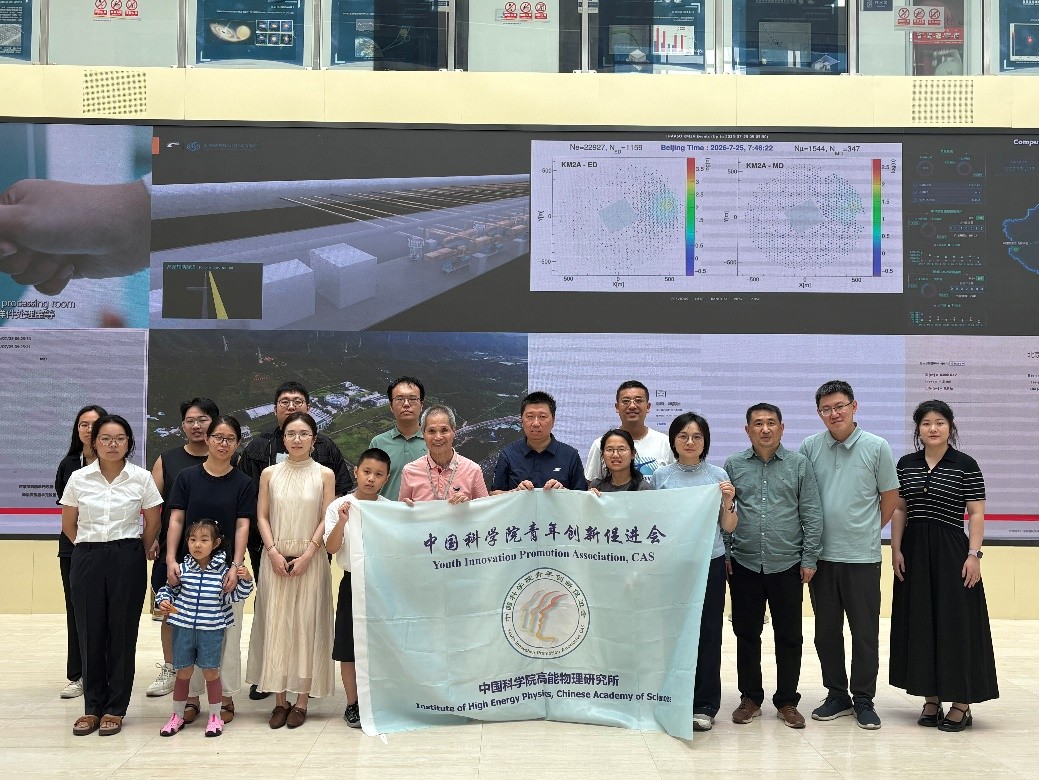
The Institute of High Energy Physics of the Chinese Academy of Sciences Successfully Held the Fourth "1+1" Youth Forum on Nuclear and Particle Physics — Frontier Technologies Empowering Nuclear Medicine Diagnosis and Treatment
On July 25, 2026, the fourth "1+1" Youth Forum on Nuclear and Particle Physics (hereinafter referred to as the "1+1 Forum") was successfully held at the Institute of High Energy Physics of the Chinese Academy of Sciences (hereinafter referred to as IHEP). Themed "Frontier Technologies Empowering Nuclear Medicine Diagnosis and Treatment," the forum was organized by the Youth Working Committee of the Beijing Nuclear Society and the IHEP Group of the Youth Innovation Promotion Association of the Chinese Academy of Sciences, co-organized by the Institute of High Energy Physics of the Chinese Academy of Sciences and the School of Nuclear Science and Technology of the University of Chinese Academy of Sciences, and hosted by the R&D Center for Nuclear Technology (Nuclear Detection and Nuclear Imaging) of the China Atomic Energy Authority and the Beijing Engineering Research Center for Radiation Imaging Technology and Equipment. The 1+1 Forum has always adhered to the principle of organically combining demand with technology, academia with science popularization...
2026-08-03
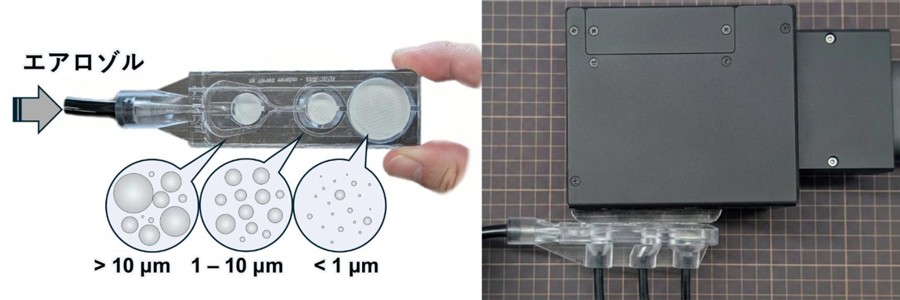
JAEA Develops 3D-Printed Disposable Aerosol Particle Size Classification Device
On July 30, 2026, the Japan Atomic Energy Agency announced the development of a palm-sized, 3D-printed disposable device named µSPLIT (micro splitter) that can separate airborne particles by particle size on-site and collect them onto filters for subsequent or direct measurement. The disposable classification and measurement device µSPLIT (left) separates aerosols by particle size through controlled intake flow rate, with particles collected on filters. (Right) The main unit can be directly connected to a radiation detector via a thin film. According to reports, µSPLIT measures approximately 12 cm × 3 cm × 3 cm and is integrally molded from transparent resin using stereolithography 3D printing technology...
2026-08-03
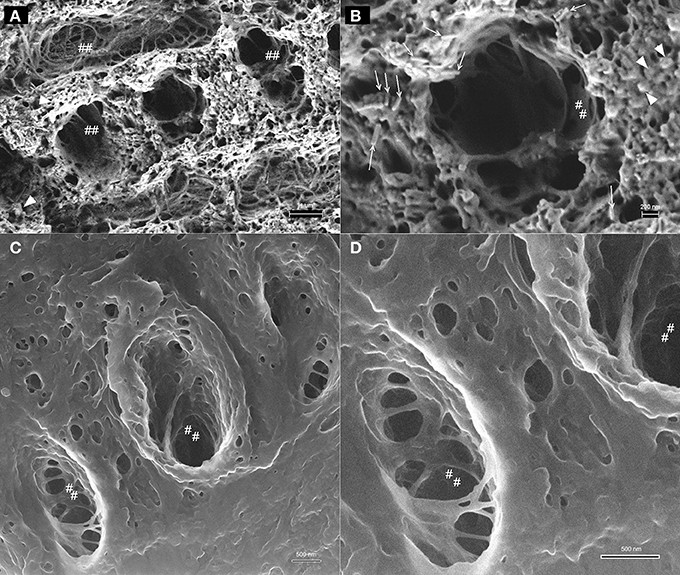
Russian research team reveals submicroscopic pore structure of chernozem using ion beam scanning electron microscopy
Researchers at the Moscow Institute of Physics and Technology and their collaborators have recently used focused ion beam scanning electron microscopy (FIB-SEM) to perform detailed characterization of the microstructure of chernozem soil samples. The study shows that this technique can identify pores smaller than 1 micron, pore morphology, and specific organic components in soil, providing a new observational tool for understanding the mechanisms of chernozem fertility formation and maintenance. The research was supported by a grant from the Russian Science Foundation and published in the 17th series "Soil Science" of the Moscow University Bulletin. Soil science research typically requires extending from the field scale to the microscopic scale. Computed tomography (CT) has been widely used to...
2026-08-03
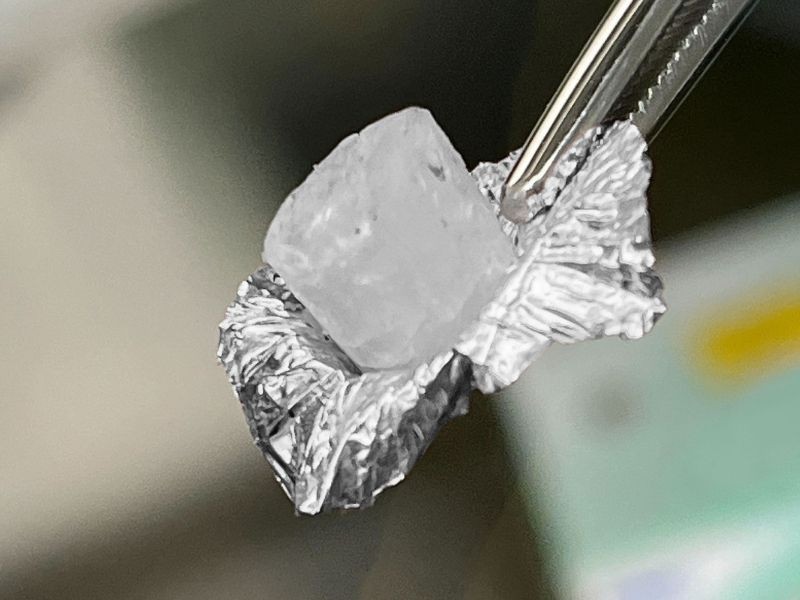
Kairos Power Advances Flibe Molten Salt Applications to Support KP-FHR High-Temperature Reactor Development
Kairos Power announced on July 29 that its Fluoride Salt-Cooled High-Temperature Reactor (KP-FHR) will be among the early adopters of a fluoride salt coolant. This coolant, commonly referred to as Flibe, is composed of lithium fluoride (LiF) and beryllium fluoride (BeF₂). In the 1960s, Oak Ridge National Laboratory used this material as a coolant in the Molten Salt Reactor Experiment. According to Kairos Power, Flibe has a high specific heat capacity, enabling it to effectively absorb and transfer heat generated in the reactor core. Compared with some sodium-cooled or helium-cooled reactor systems, fluoride salt offers certain advantages in heat transport...
2026-08-03

Utah Finalist for DOE Nuclear Fuel Cycle Site, with Great Salt Lake Rescue as Bargaining Chip
Utah is seeking an agreement with the U.S. Department of Energy (DOE), hoping to secure federal nuclear hub status while also gaining assistance in addressing the Great Salt Lake crisis. Governor Spencer Cox and U.S. Energy Secretary Chris Wright signed a memorandum agreeing to collaborate on realizing the full value of the nuclear fuel cycle. However, this agreement does not mean Utah has decided to build the nuclear hub, and the state will decline if it is deemed unsafe or disadvantageous. Currently, Utah is one of five states competing for the federal Nuclear Lifecycle Innovation Park, which aims to consolidate all aspects of the nuclear fuel cycle in one location, including fuel fabrication, enrichment,...
2026-08-03
Japanese Team Discovers New Ordered State of "Electronic Chirality" in Uranium Compound
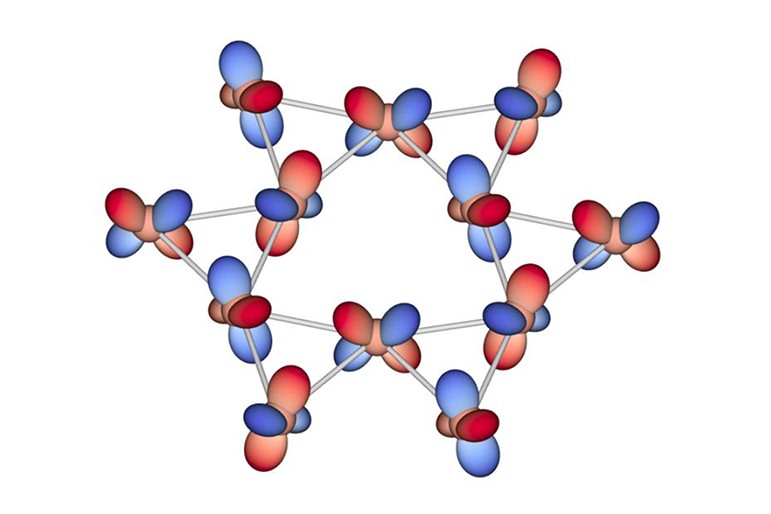
The Japan Atomic Energy Agency and Tohoku University announced on July 28 that their research team has discovered a new electronic ordered state in the uranium compound URhSn, confirming for the first time in an actual material that even when the crystal structure itself lacks chirality, the arrangement of electrons within the material can spontaneously form right-handed/left-handed characteristics. Chirality generally refers to the property where an object cannot perfectly coincide with its mirror image, such as left and right hands, screw thread directions, and the helical structure of DNA. In the past, material chirality was generally believed to originate from asymmetry in atomic arrangement. This study demonstrates, however, that chirality can also arise from the ordered arrangement of electron distributions. The research team used single-crystal samples of URhSn, composed of uranium, rhodium, and tin, and employed nuclear magnetic...
2026-08-03

Radiation protection expert Peter Bryant to lead University of Liverpool's Chadwick Institute for Nuclear Innovation
The University of Liverpool has announced that Professor Peter Bryant has been appointed as the Director of the newly established Chadwick Institute for Nuclear Innovation, with his tenure officially commencing in September 2026. The Chadwick Institute for Nuclear Innovation is named after Nobel laureate Sir James Chadwick, who served as Head of the Physics Department at the University of Liverpool and is renowned for his discovery of the neutron. The Institute will leverage the University of Liverpool's research expertise, innovative facilities, and strategic partnerships in the nuclear energy sector to advance research and talent development in nuclear innovation. Bryant has long been engaged in work related to the civil nuclear fuel cycle, with his research and management portfolio encompassing radiation protection, environmental permitting, radioactive waste...
2026-08-03
Multinational Team Reveals Mechanisms of Lithiation in Modulating the Structural and Electronic Properties of Borophene Using Synchrotron Techniques
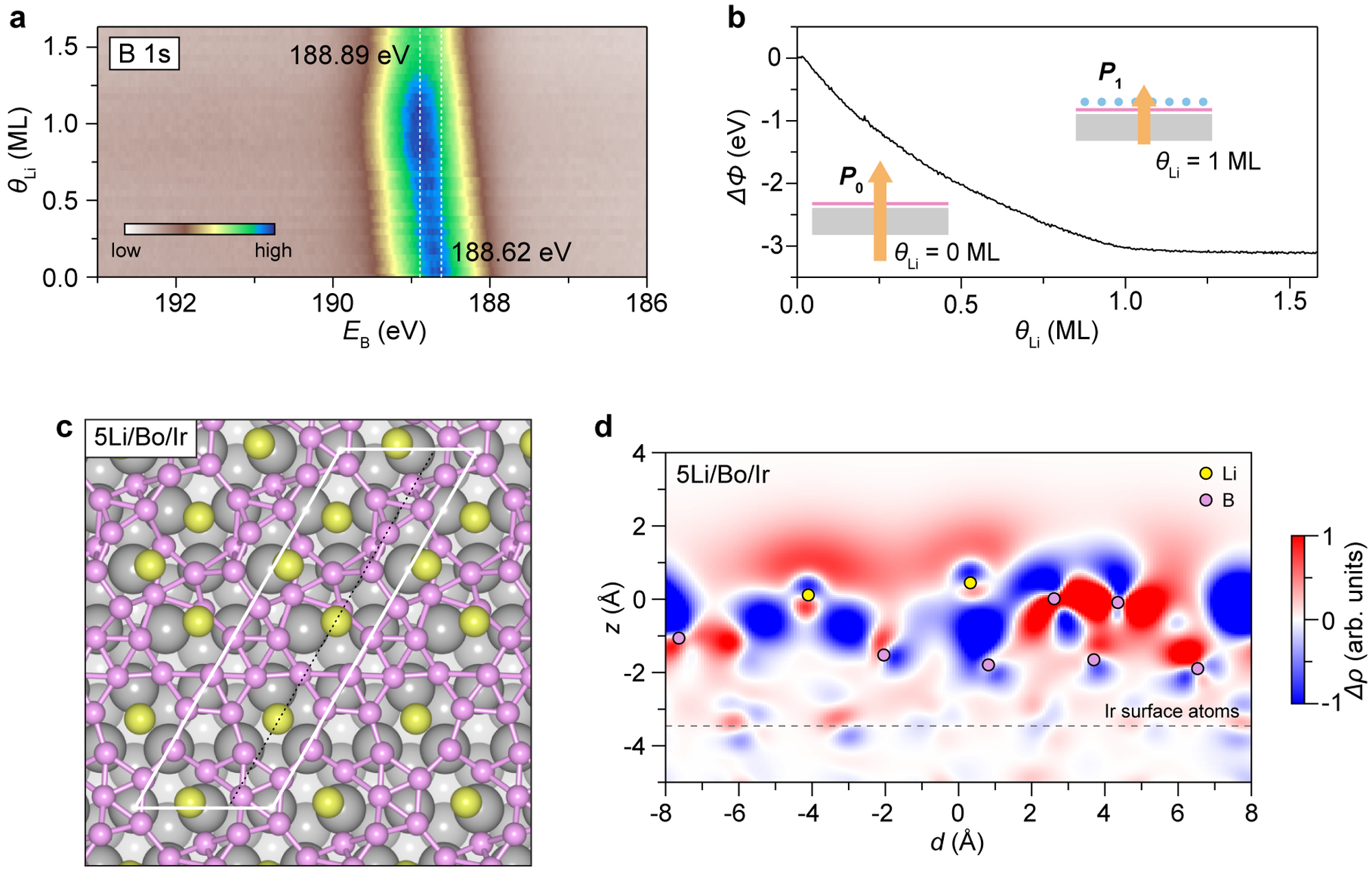
A research team from the Institute of Physics in Zagreb, Croatia, Elettra Synchrotron in Trieste, Italy, Shimane University, and Tokyo University of Science recently conducted a study on the interaction between lithium atoms and borophene, revealing the mechanisms by which lithiation affects the atomic structure and electronic properties of borophene. The findings were published in *ACS Nano* and selected as the journal cover article. (a) Shift of the B 1s core level toward higher binding energy; (b) reduction of the sample work function due to charge transfer from Li atoms to B atoms; (c) lithium atoms (yellow) deposited on borophene (magenta) induce deformation of the borophene lattice, attributed to significant charge redistribution within the system...
2026-08-03

Global Nuclear Power Construction Accelerates, Asian Countries Lead the Way
Global nuclear power construction is accelerating, particularly in the Asian region. China is currently the most active country in nuclear power construction worldwide, with more than twenty nuclear reactors under construction, far surpassing other nations. This large-scale investment reflects China's emphasis on energy security and reducing carbon emissions. India follows closely behind, also actively expanding its nuclear power capacity to meet growing electricity demand and achieve climate goals. Beyond Asia, several European countries are also increasing their nuclear power capacity. Although France already possesses a large number of existing nuclear power plants, it is also advancing the construction of new nuclear reactors, aiming to maintain the share of nuclear energy in its energy mix. The United Kingdom is likewise committed to developing nuclear power, with plans to build new...
2026-08-03
UK Poll Shows Nearly Half of Public Support Nuclear Energy Development
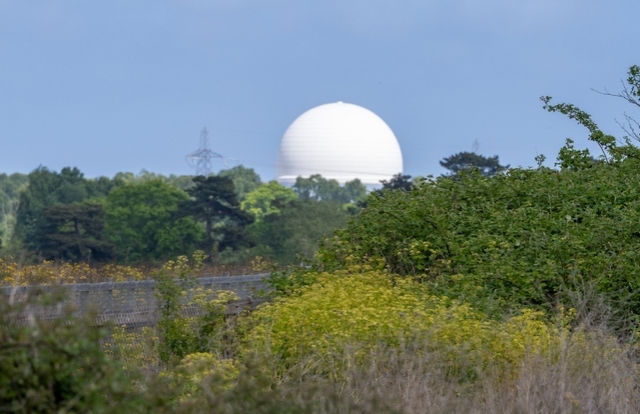
A new UK opinion poll shows that nearly half of respondents support the country's development of nuclear energy to address climate change and energy security challenges. Although public concerns over nuclear power plant safety persist, with growing awareness of the intermittency of renewable energy and rising calls to reduce dependence on fossil fuels, the role of nuclear energy in the UK's energy mix is attracting increasing attention. The survey results show that 48% of respondents consider nuclear energy an important component of achieving net-zero emission targets, while 29% hold opposing views. The main reasons for supporting nuclear energy include its reliability and low-carbon characteristics. Unlike renewable sources such as wind and solar, nuclear power plants...
2026-08-03

US Utility Xcel Energy's Nuclear Plant Life Extension Boosts Q2 Earnings Significantly
Xcel Energy, a multi-state regulated electric and gas utility headquartered in Minneapolis, USA, achieved significant earnings growth in the second quarter, primarily driven by reduced depreciation expenses resulting from extended operating lives of its nuclear power plants. The company extended the expected operating lives of its nuclear plants to 2050 and beyond, thereby lowering quarterly depreciation costs and positively impacting its financial performance. Despite a decline in operating revenues, net income still grew by 32% to $586 million, with diluted earnings per share rising from $0.75 to $0.93. The extension of nuclear plant operating lives does not imply an immediate increase in cash flow or power generation...
2026-08-03
Danube Water Levels Continue to Drop, Putting Pressure on Romania's Cernavodă Nuclear Power Plant Operations
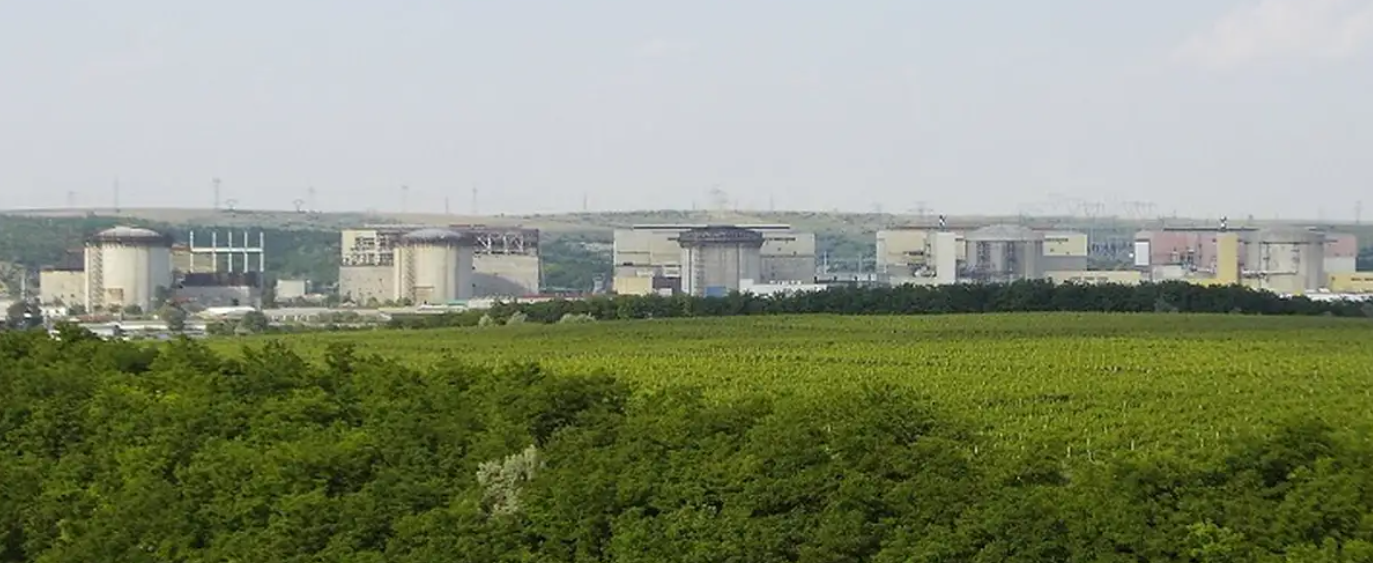
Romanian official Sorin Lindasu said on August 1 that if the Danube River water level continues to decline, the Cernavodă Nuclear Power Plant in Constanța County, southeastern Romania, may only be able to continue operating for 4 to 5 days. To ensure the water level required for continuous plant operation, relevant parties have begun implementing hydraulic engineering works on the Danube. Lindasu stated that the Danube water level is currently dropping at a rate of about 2 to 3 centimeters per day. A flow rate of 1,590 cubic meters per second has been recorded at the Baziaș inlet where the Danube enters Romanian territory, and this figure is expected to continue declining, potentially falling to about 1,450 cubic meters per second by August 7. Under these conditions, Cernavodă...
2026-08-03
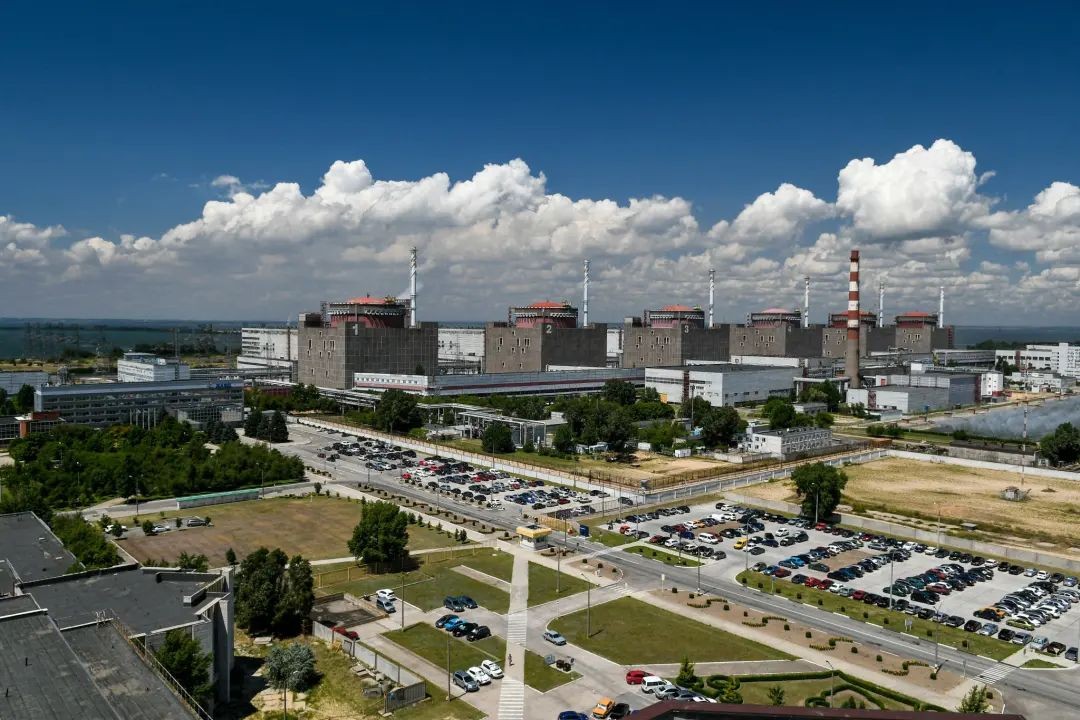
Zaporizhzhia Nuclear Power Plant currently relies on only one external power line for electricity supply
Alexey Likhachev, President of Rosatom, stated that the Zaporizhzhia Nuclear Power Plant currently obtains electricity through only one 330 kV external transmission line—Ferrosplavnaya-1—and that the instability of external power supply remains one of the main safety hazards facing the facility. According to the company's press office, Likhachev noted that the lack of a second operational external transmission line at the Zaporizhzhia NPP increases the risk to the safe operation of the plant's units. Although the plant is in a shutdown state, its safety-critical systems still require a stable power supply to ensure the continued operation of equipment related to nuclear safety...
2026-08-03
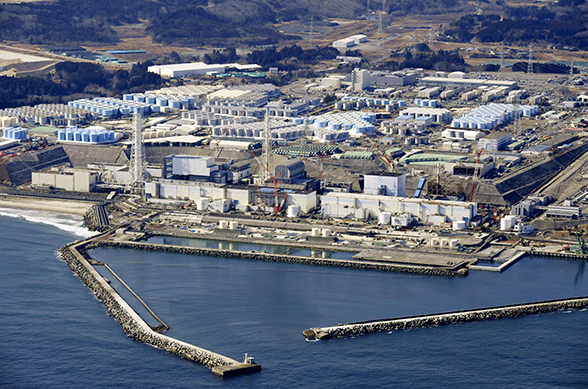
Nitrogen Supply Unit at Fukushima Daiichi Nuclear Power Station Resumes Operation After Malfunction
Tokyo Electric Power Company (TEPCO) reported on August 1 that a reactor nitrogen supply unit at the Fukushima Daiichi Nuclear Power Station malfunctioned that day, but was subsequently repaired and resumed gas supply. The company stated that during the malfunction, no significant fluctuations were observed in hydrogen concentrations inside the reactors of Units 1 to 3 or in surrounding radiation monitoring data, and no risk of hydrogen explosion was confirmed. The reactor containments and pressure vessels of Units 1 to 3 at the Fukushima Daiichi Nuclear Power Station require continuous nitrogen injection to suppress hydrogen accumulation resulting from radiolysis of water. If hydrogen concentrations exceed a certain level, the risk of hydrogen explosion may increase. According to TEPCO, at 11:14 a.m. on August 1, a worker...
2026-08-03