
Search Results
Keyword:Nuclear
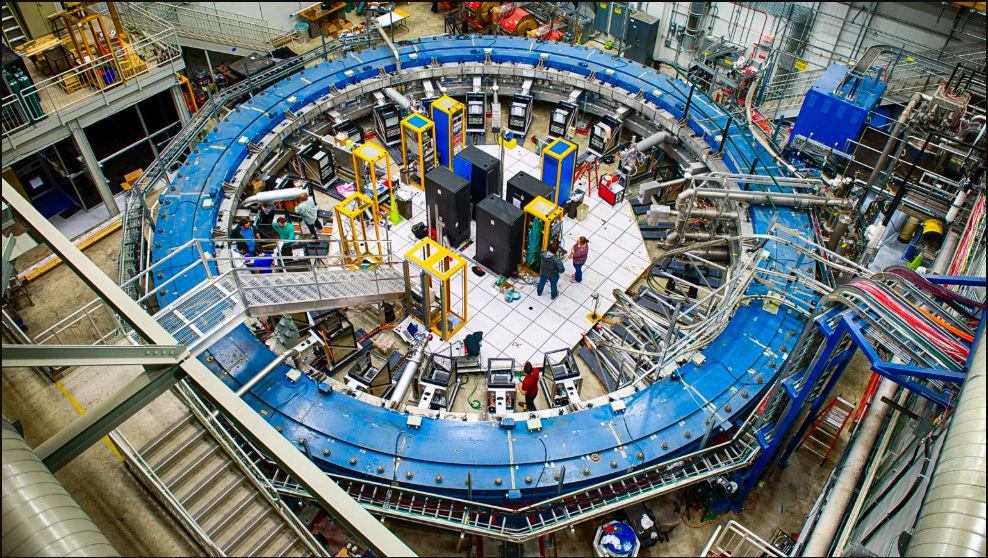
After 25 Years, the Muon Wobble Puzzle Sees Key New Progress in Physics
For 25 years, precise measurements of how muons wobble in a magnetic field have been a major puzzle in particle physics. Early experiments showed a discrepancy between the measured value of the muon's g-factor and theoretical predictions, a difference once seen as a possible hint of unknown particles. Recent new theoretical calculations and experimental analyses have brought a new twist to this puzzle. The muon is a heavier cousin of the electron that precesses like a tiny magnet in a magnetic field. Its extra wobble is quantified by the muon g-2 coefficient. According to quantum theory, known particles and interactions influence this coefficient through fleeting quantum fluctuations, making muon g-2 a key test of the Standard Model...
2026-08-03
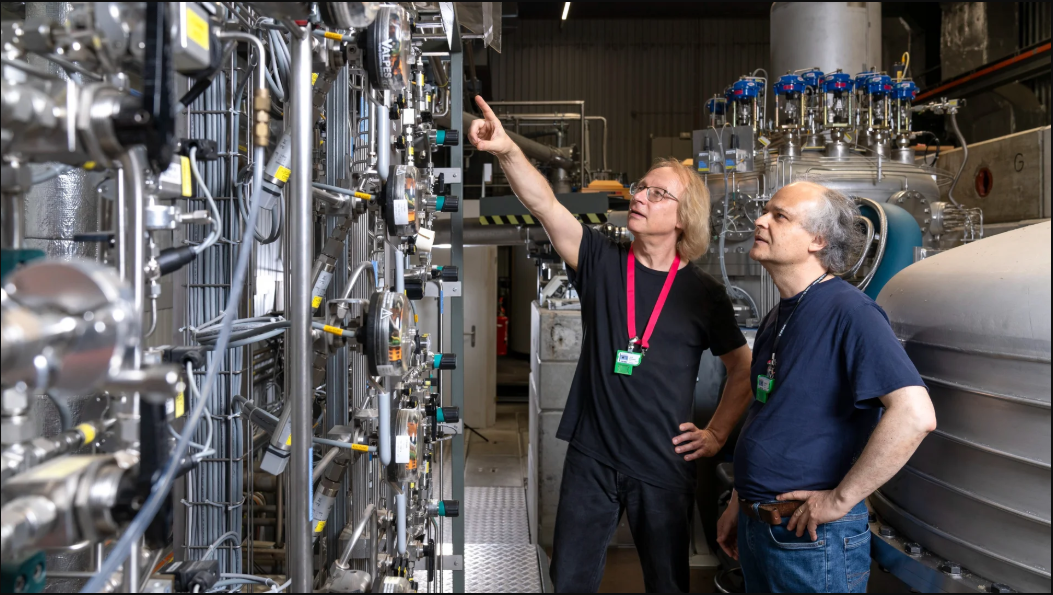
Swiss PSI Ultracold Neutron Experiment Finds No Signs of "Mirror World" Oscillation
The Paul Scherrer Institute (PSI) in Switzerland announced on July 28 that its researchers detected approximately 25 billion neutrons in an ultracold neutron experiment and found no signs of neutrons spontaneously transforming into mirror neutrons. The results constrain, with high certainty, the theoretical possibility of neutrons disappearing into the so-called mirror world. The mirror world hypothesis posits that every elementary particle in the real world may have a corresponding mirror particle, such as mirror electrons, mirror protons, and mirror neutrons. Such particles interact extremely weakly with ordinary matter, potentially connecting primarily through gravity or rare oscillations of neutral particles, and have therefore also been considered as dark matter candidates...
2026-08-03
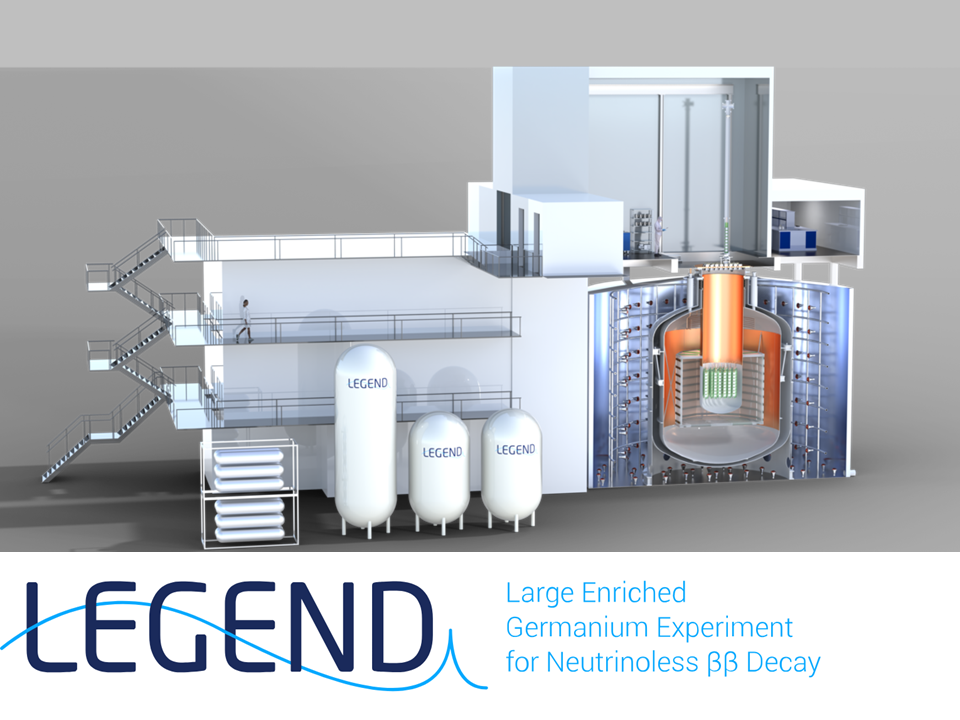
German Science and Humanities Council Supports German Participation in the LEGEND-1000 Neutrinoless Double Beta Decay Experiment
On July 27, 2026, the German Science and Humanities Council expressed its support for German participation in the LEGEND-1000 experiment. The project had previously passed scientific evaluation and was deemed significant for a broad research community in the fields of particle physics and nuclear physics. LEGEND-1000 is the next phase of the large-scale enriched germanium neutrinoless double β decay experiment, planned to be constructed by an international collaborative team at the underground laboratory of the Gran Sasso National Laboratory in Italy. German participating institutions include the Max Planck Institute for Nuclear Physics in Heidelberg and the Technical University of Munich, with project leaders being Professor Susanne Mertens and Professor Stefan Schönert, respectively. According to the project...
2026-08-03
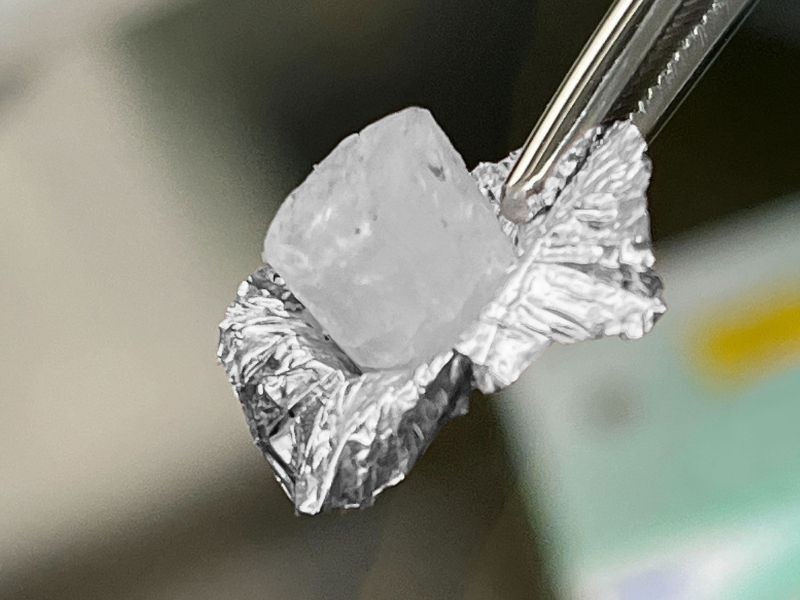
Kairos Power Advances Flibe Molten Salt Applications to Support KP-FHR High-Temperature Reactor Development
Kairos Power announced on July 29 that its Fluoride Salt-Cooled High-Temperature Reactor (KP-FHR) will be among the early adopters of a fluoride salt coolant. This coolant, commonly referred to as Flibe, is composed of lithium fluoride (LiF) and beryllium fluoride (BeF₂). In the 1960s, Oak Ridge National Laboratory used this material as a coolant in the Molten Salt Reactor Experiment. According to Kairos Power, Flibe has a high specific heat capacity, enabling it to effectively absorb and transfer heat generated in the reactor core. Compared with some sodium-cooled or helium-cooled reactor systems, fluoride salt offers certain advantages in heat transport...
2026-08-03
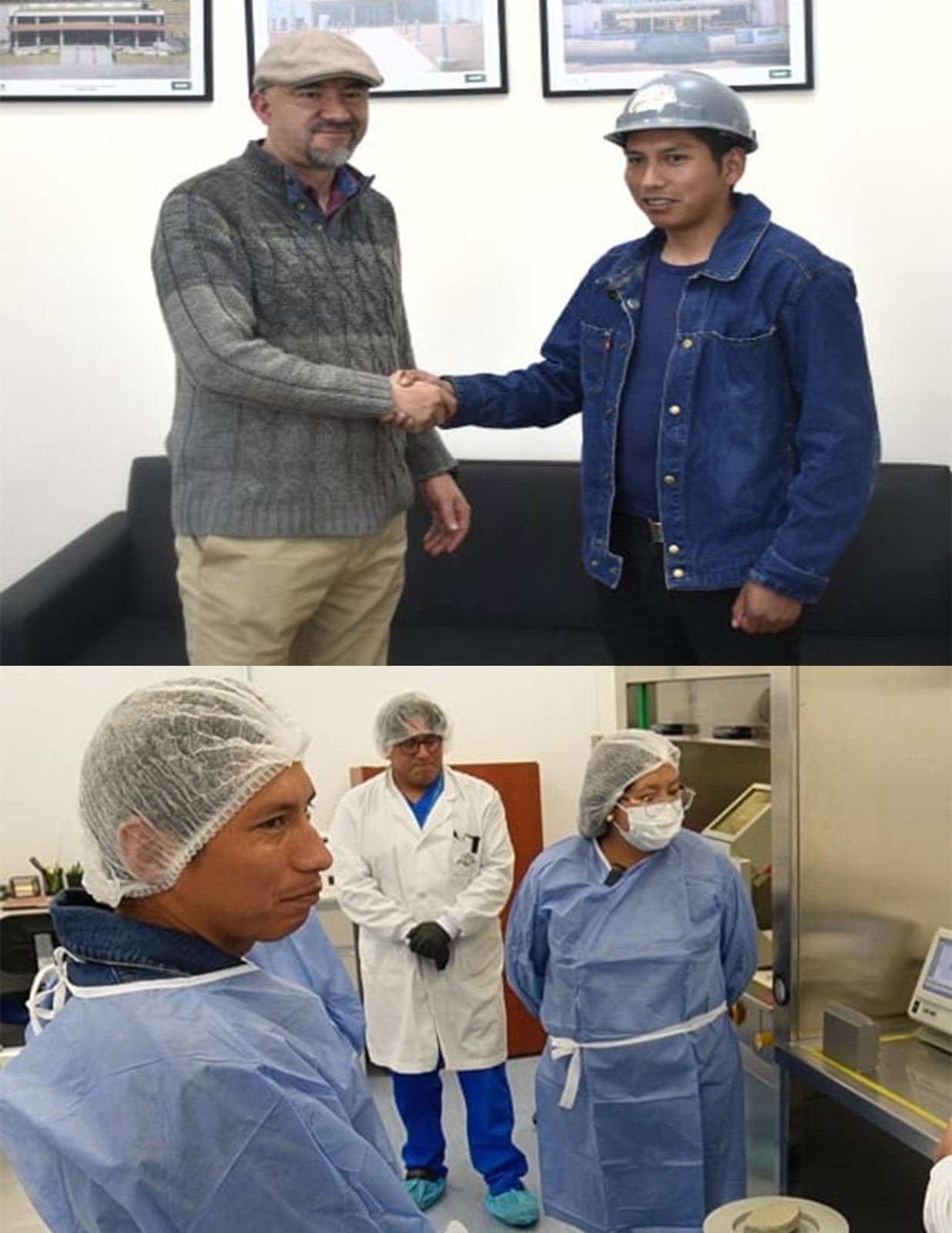
Bolivia Advances Legislative Process for Peaceful Nuclear Technology Applications
EL ALTO, Bolivia, July 29 - The Bolivian Nuclear Energy Agency (ABEN) recently held working exchanges with relevant committees of the Plurinational Legislative Assembly to discuss the reactivation of related legislative agendas, focusing on the continued advancement of Bolivia's nuclear energy program and peaceful nuclear technology application projects. René Soria Sausedo, Executive Director of ABEN, stated that as the primary operating entity of Bolivia's nuclear program, ABEN bears the responsibility of driving the implementation of peaceful nuclear technology application projects. These efforts require modern legal instruments to define institutional mandates, technical standards, and the fundamental legal framework for project development. The parliamentary delegation, led by the President of the International Policy and Migration Protection Committee, visited ABEN facilities...
2026-08-03
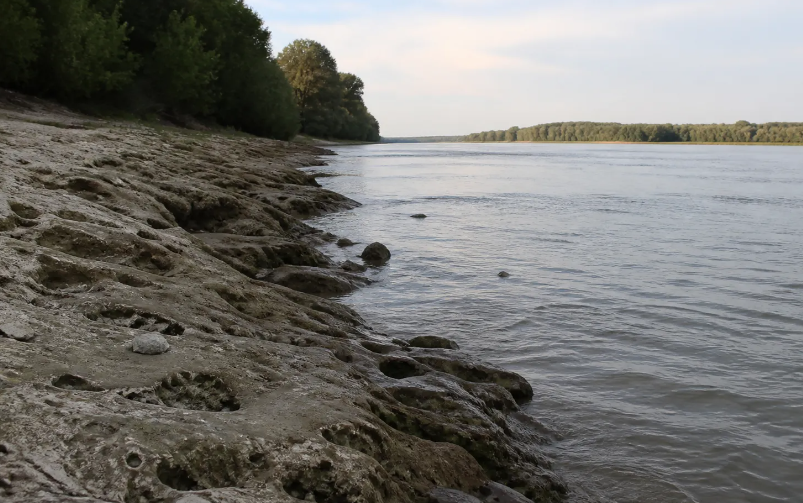
Romania Blasts Rocks in Danube to Secure Nuclear Power Plant Water Supply
Romania is conducting blasting operations on rocks in the Danube River to ensure the water supply for the Cernavodă Nuclear Power Plant. The Ministry of National Defense has launched related actions aimed at altering the river's flow, diverting part of the water from the Bala branch to the Old Danube branch. Initial blasting operations began on Sunday, involving over one hundred military personnel and sixteen pieces of military equipment. According to Navy Reserve Commander Marcel Neculae, the first two explosions failed to completely destroy the target rock, which proved harder than expected. Navy divers are currently assessing the blasting results, after which explosive charges will be gradually increased to continue the operation. Romania's water resources authority has also noted the complexity of the project and warned that it may not succeed.
2026-08-03

Utah Finalist for DOE Nuclear Fuel Cycle Site, with Great Salt Lake Rescue as Bargaining Chip
Utah is seeking an agreement with the U.S. Department of Energy (DOE), hoping to secure federal nuclear hub status while also gaining assistance in addressing the Great Salt Lake crisis. Governor Spencer Cox and U.S. Energy Secretary Chris Wright signed a memorandum agreeing to collaborate on realizing the full value of the nuclear fuel cycle. However, this agreement does not mean Utah has decided to build the nuclear hub, and the state will decline if it is deemed unsafe or disadvantageous. Currently, Utah is one of five states competing for the federal Nuclear Lifecycle Innovation Park, which aims to consolidate all aspects of the nuclear fuel cycle in one location, including fuel fabrication, enrichment,...
2026-08-03
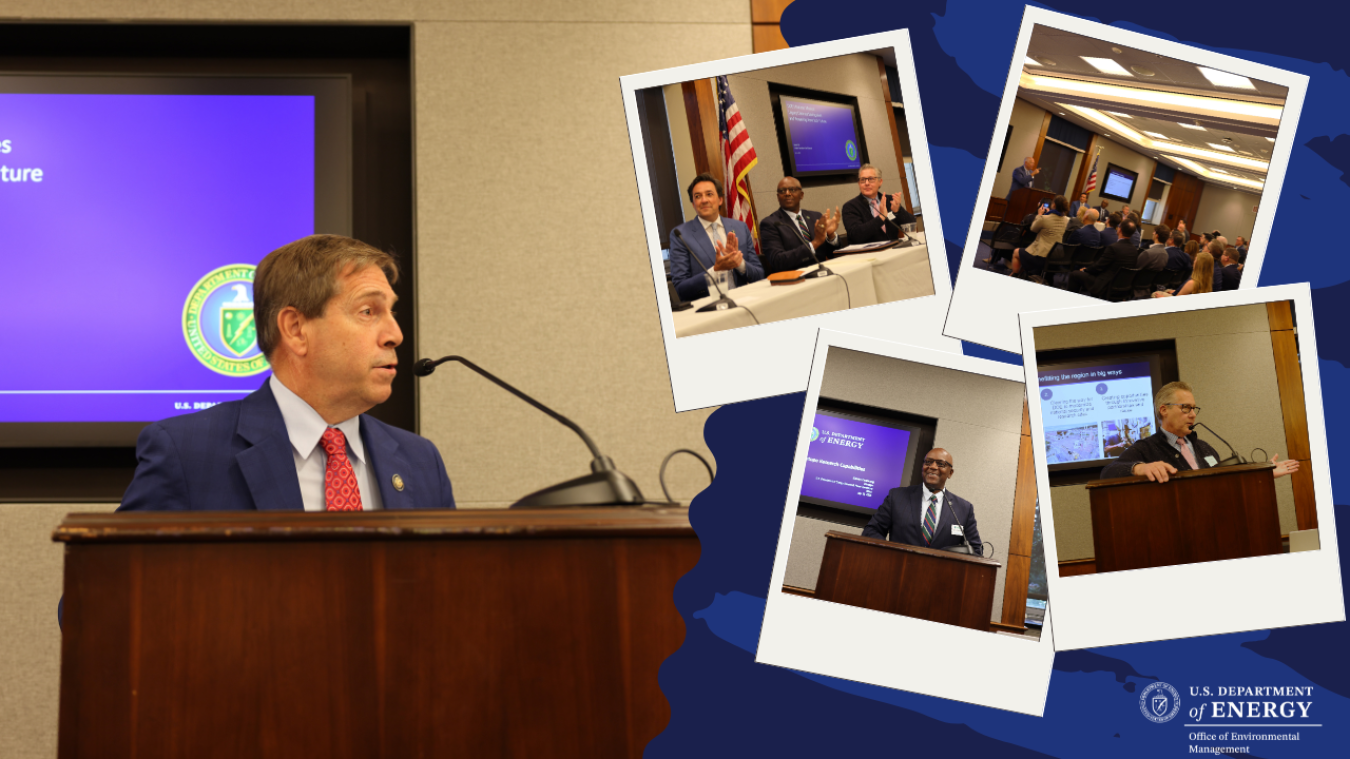
U.S. Department of Energy Highlights Progress in Legacy Waste Cleanup and Medical Isotope R&D
Recently, senior officials from the U.S. Department of Energy attended an event hosted by the U.S. House Nuclear Cleanup Caucus, presenting the application progress of legacy nuclear waste cleanup efforts in medical isotope R&D and future energy technologies. The event, themed "DOE's Isotope Mission: Legacy Cleanup Saves Lives, Empowers America's Future," focused on how nuclear cleanup missions align with isotope production and medical research. DOE's Under Secretary for Science Dario Gil, along with Oak Ridge National Laboratory Environmental Management Office Manager Eric Olds and Savannah River Operations Office Manager Edwin DeShon, jointly attended the event. DeShon...
2026-08-03
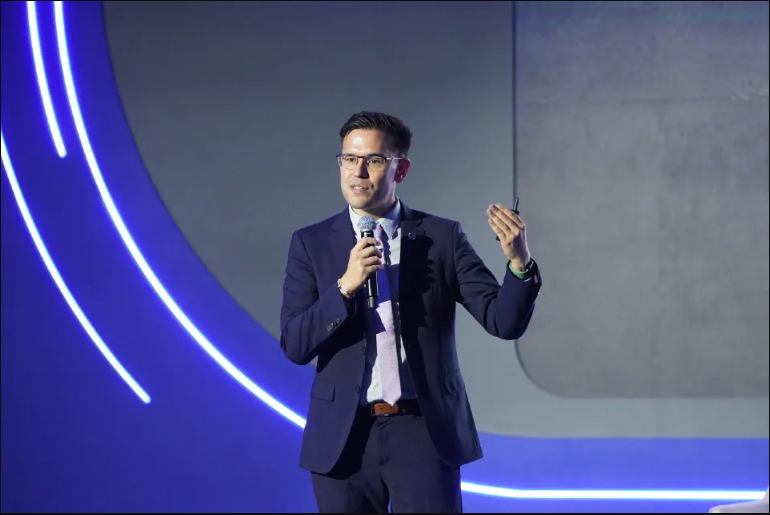
Radiation protection expert Peter Bryant to lead University of Liverpool's Chadwick Institute for Nuclear Innovation
The University of Liverpool has announced that Professor Peter Bryant has been appointed as the Director of the newly established Chadwick Institute for Nuclear Innovation, with his tenure officially commencing in September 2026. The Chadwick Institute for Nuclear Innovation is named after Nobel laureate Sir James Chadwick, who served as Head of the Physics Department at the University of Liverpool and is renowned for his discovery of the neutron. The Institute will leverage the University of Liverpool's research expertise, innovative facilities, and strategic partnerships in the nuclear energy sector to advance research and talent development in nuclear innovation. Bryant has long been engaged in work related to the civil nuclear fuel cycle, with his research and management portfolio encompassing radiation protection, environmental permitting, radioactive waste...
2026-08-03
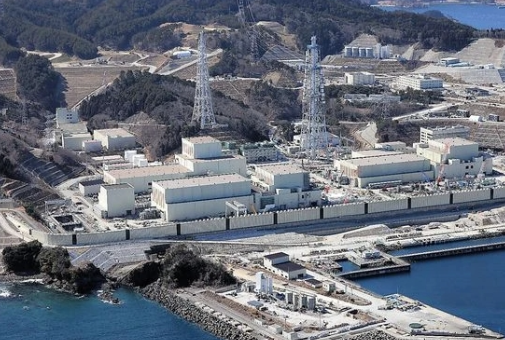
Japanese Poll: 76% of Respondents Support Maintaining the "Three Non-Nuclear Principles"
The Tokyo Shimbun, citing a national poll conducted by the Kyodo News-affiliated survey organization from June to July among 3,000 people aged 18 and above, reported that 76% of Japanese support maintaining the Three Non-Nuclear Principles of not manufacturing, not possessing, and not allowing the introduction of nuclear weapons; 77% oppose nuclear-sharing arrangements (i.e., the U.S. stationing nuclear weapons in Japan and operating them jointly). Given that Japan is the only country to have suffered atomic bombing in war, the results highlight strong anti-nuclear sentiment, while debate over whether to revise the principles is intensifying. Support for Japan joining the Treaty on the Prohibition of Nuclear Weapons before the first review conference in November stands at 55%, down 5 percentage points from the previous year; opponents account for 42%, of whom 56% believe that joining would not lead to nuclear disarmament. Regarding recent U.S. actions...
2026-08-03
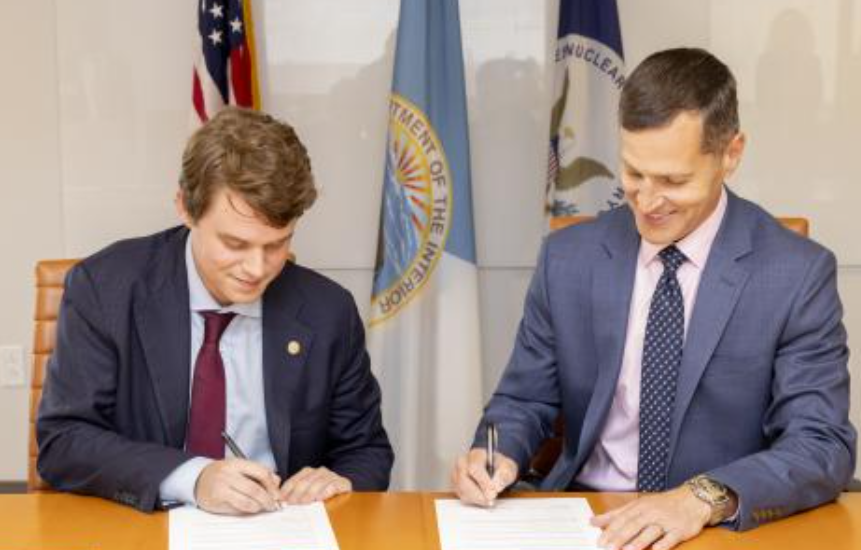
U.S. Nuclear Regulatory Commission Signs Memorandums of Understanding with Coast Guard and Marine Minerals Administration to Strengthen Offshore Nuclear Energy Cooperation
Recently, the U.S. Nuclear Regulatory Commission (NRC) signed Memorandums of Understanding (MOUs) with the U.S. Coast Guard (USCG) and the newly established Marine Minerals Administration (MMA), respectively, aimed at strengthening coordination and cooperation on civilian offshore nuclear projects. These initiatives come at a time of growing interest in nuclear technology within the commercial shipping sector, including projects such as nuclear-powered vessels and floating nuclear power plants. The agreement with the Coast Guard updates a previous agreement signed with the Atomic Energy Commission in 1973, aiming to modernize regulatory processes and ensure effective management of the design, construction, operation, and oversight of civilian nuclear reactors at sea. Meanwhile, the NRC's cooperation with the MMA focuses on clarifying jurisdictional issues for any potential nuclear projects on the U.S. Outer Continental Shelf (OCS).
2026-08-03
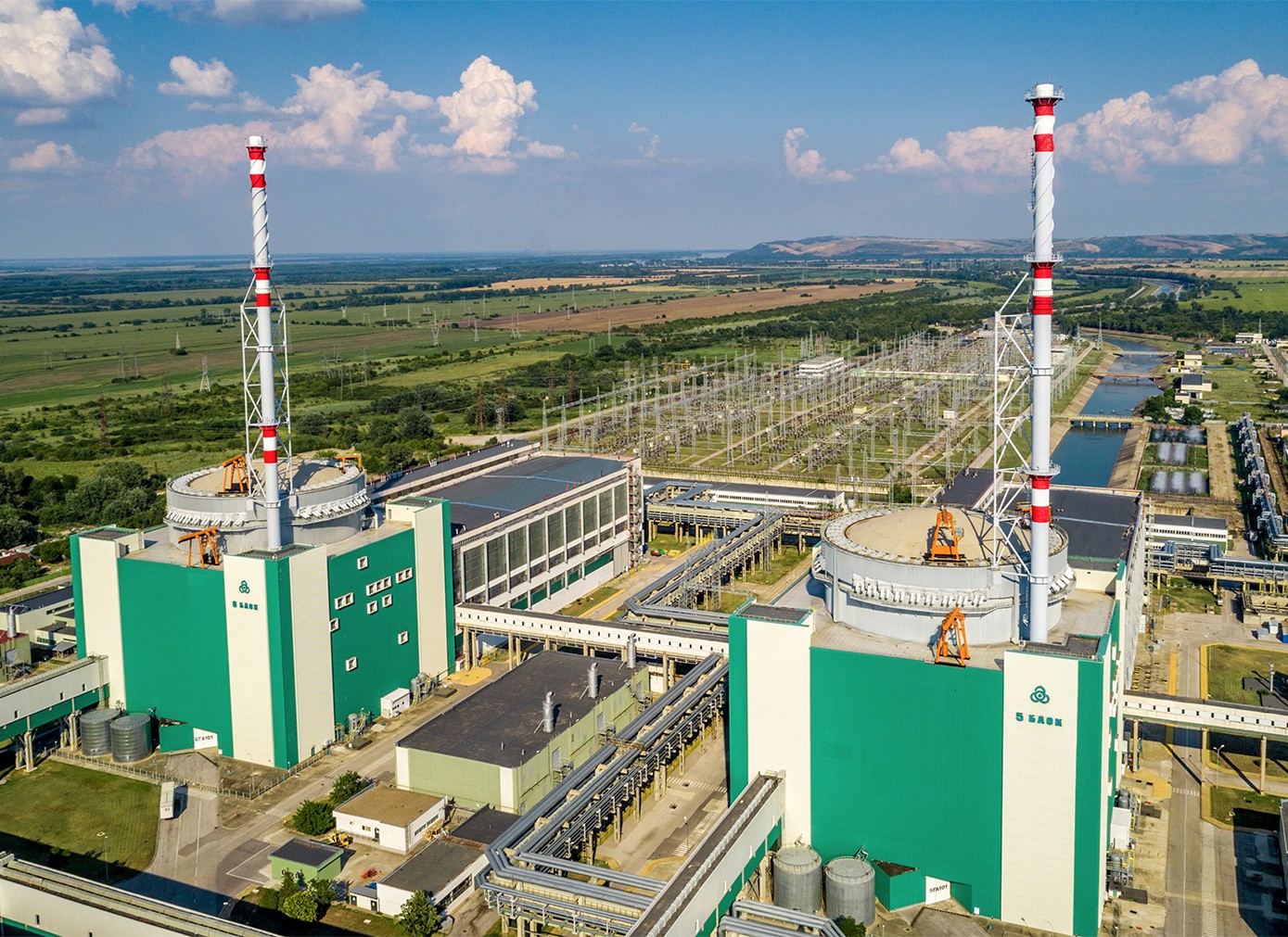
Bulgaria Approves Decommissioning Licenses for Units 3 and 4 of Kozloduy Nuclear Power Plant
On August 1, the Bulgarian Nuclear Regulatory Agency (NRA) issued a 10-year license to the State Enterprise for Radioactive Waste Management (SERAW), authorizing it to carry out the decommissioning of Units 3 and 4 of the Kozloduy Nuclear Power Plant. The license was presented to SERAW Deputy Executive Director Elizabeth Mladenova by NRA Chairman Tsanko Bachiski. The license is held by SERAW's specialized department responsible for the decommissioning of Units 1 to 4 of the Kozloduy Nuclear Power Plant. SERAW Management Board Chairman Sergey Tsochev attended the license award ceremony. According to the license requirements, the decommissioning of Units 3 and 4 must comply with Bulgaria's Law on the Safe Use of Nuclear Energy and relevant implementing regulations.
2026-08-03

Adani Group Proposes Two Nuclear Power Plants in India's Odisha State
The Adani Group has submitted a proposal to the Government of Odisha to build two nuclear power plants in the state, with a planned total installed capacity of 5,600 MW and an estimated investment of approximately ₹1.5 trillion. The proposal is seen as a significant move to expand private sector participation in India's civil nuclear energy sector. According to disclosures, Subrat Tripathy, President of Business Development at Adani Ports and Special Economic Zone, led a delegation to meet Odisha's Deputy Chief Minister and Energy Minister Kanak Vardhan Singh Deo in Bhubaneswar...
2026-08-03
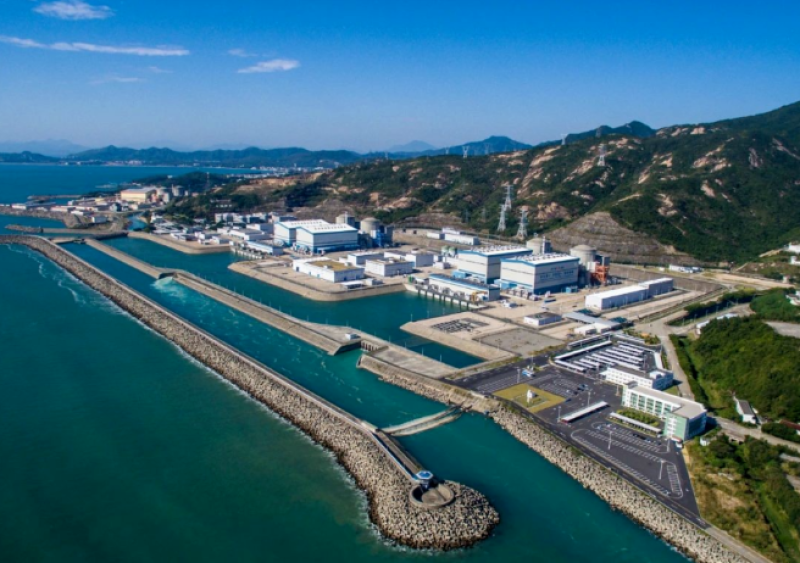
Global Nuclear Power Construction Accelerates, Asian Countries Lead the Way
Global nuclear power construction is accelerating, particularly in the Asian region. China is currently the most active country in nuclear power construction worldwide, with more than twenty nuclear reactors under construction, far surpassing other nations. This large-scale investment reflects China's emphasis on energy security and reducing carbon emissions. India follows closely behind, also actively expanding its nuclear power capacity to meet growing electricity demand and achieve climate goals. Beyond Asia, several European countries are also increasing their nuclear power capacity. Although France already possesses a large number of existing nuclear power plants, it is also advancing the construction of new nuclear reactors, aiming to maintain the share of nuclear energy in its energy mix. The United Kingdom is likewise committed to developing nuclear power, with plans to build new...
2026-08-03
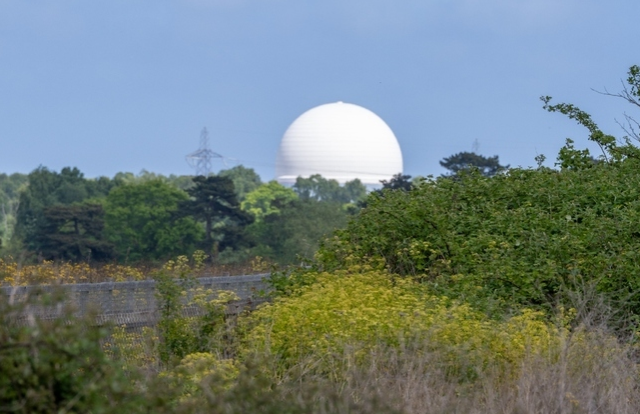
UK Poll Shows Nearly Half of Public Support Nuclear Energy Development
A new UK opinion poll shows that nearly half of respondents support the country's development of nuclear energy to address climate change and energy security challenges. Although public concerns over nuclear power plant safety persist, with growing awareness of the intermittency of renewable energy and rising calls to reduce dependence on fossil fuels, the role of nuclear energy in the UK's energy mix is attracting increasing attention. The survey results show that 48% of respondents consider nuclear energy an important component of achieving net-zero emission targets, while 29% hold opposing views. The main reasons for supporting nuclear energy include its reliability and low-carbon characteristics. Unlike renewable sources such as wind and solar, nuclear power plants...
2026-08-03