
Search Results
Keyword:PERI
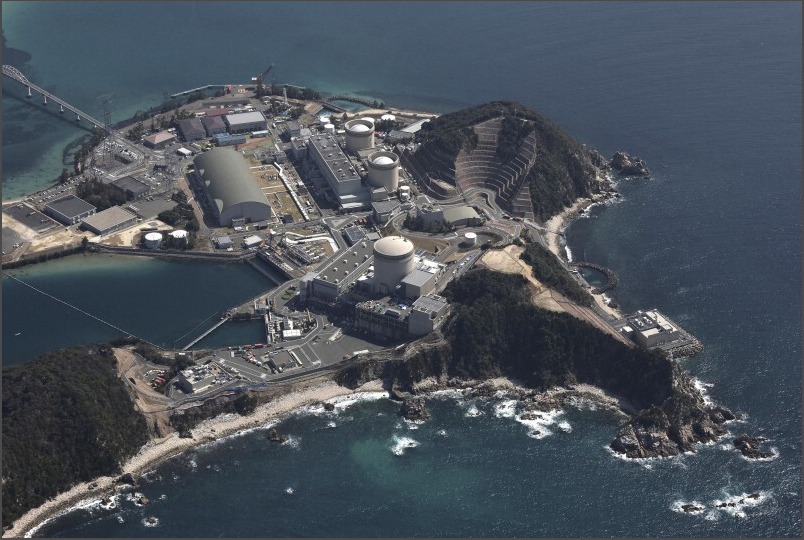
Japan's Mihama Nuclear Power Station Unit 3 Plans Grid Connection on September 15
Kansai Electric Power announced on September 1, 2026, that work related to the periodic inspection of Unit 3 at Japan's Mihama Nuclear Power Station is progressing as planned. Based on the progress of the inspection and the status of corrective measures for the steam leakage issue in the high-pressure turbine, the unit is scheduled to be connected to the grid on September 15. Unit 3 of Mihama Nuclear Power Station is a pressurized water reactor unit with a rated electrical output of 826 MW and a rated thermal output of 2,440 MW. On May 8 this year, the unit underwent a manual reactor shutdown after steam leakage was confirmed in the high-pressure turbine. From June 16, the unit entered its 29th periodic inspection. Kansai Electric Power stated that, in response to the steam leakage in the high-pressure turbine, the upper cylinder sealing cover has been replaced based on the results of the cause investigation, and multiple measures such as the development of relevant guidelines are being advanced.
2026-09-01

First experiments at Russia's SKIF microfocus station to target "invisible" gold deposits and extraterrestrial particle research
On August 19, 2026, the microfocus station, one of the first-stage experimental stations of the Russian SKIF Collective Use Center, announced its initial experimental directions. The station will utilize synchrotron radiation-based analytical techniques to study the elemental composition and structural characteristics of objects, serving fields such as geology, geophysics, microelectronics, and materials science. At the SKIF opening ceremony, Russian President Vladimir Putin inspected the microfocus station. According to the presentation, the station's first experiments will focus on the exploration and extraction of hard-to-recover gold, platinum, rare earth elements, and oil reserves. Ore sample research is a critical step in the development of new mineral deposits. By determining the elemental composition of rocks, researchers can...
2026-08-31
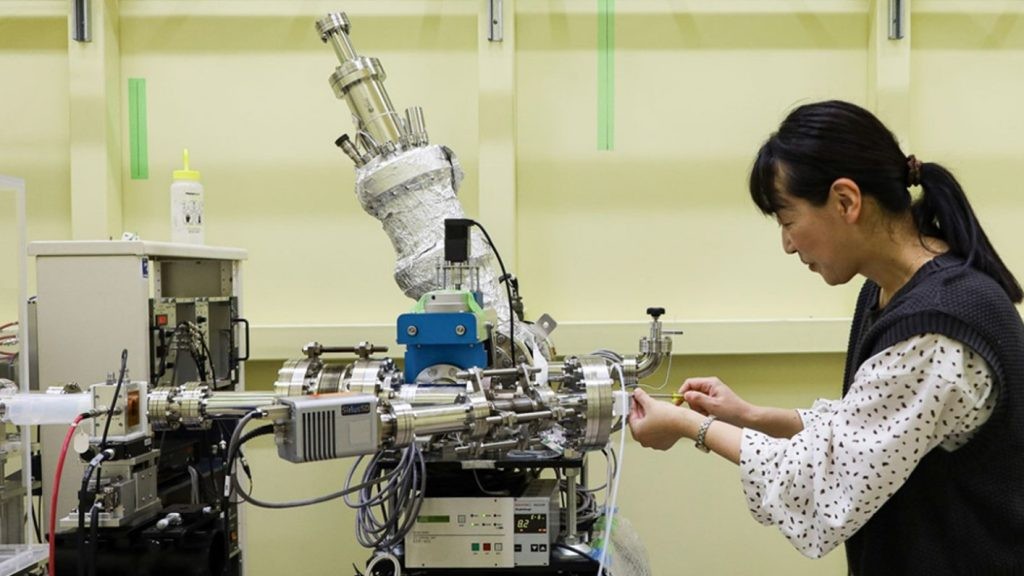
Japan's PF Launches Quantum Multi-Beam Experiments, Achieving Simultaneous Hard and Soft X-ray Measurements
The Photon Factory, a synchrotron radiation facility at the Institute of Materials Structure Science, High Energy Accelerator Research Organization (KEK) in Japan, has recently launched collaborative experiments on the development and research multi-purpose beamlines BL-11A and BL-11B, achieving simultaneous irradiation of the same sample with hard and soft X-rays at the same position. The research results will be published in the international academic journal *Review of Scientific Instruments*. The Photon Factory uses electrons moving at near-light speed to generate high-brightness X-rays, known as synchrotron radiation, for studying material structures and properties. Among these, hard X-rays are better suited for observing the internal structure of materials, while soft X-rays are ideal for analyzing material surfaces and electronic states. Previously, at synchrotron radiation facilities, the two types of X-rays typically had to...
2026-08-31
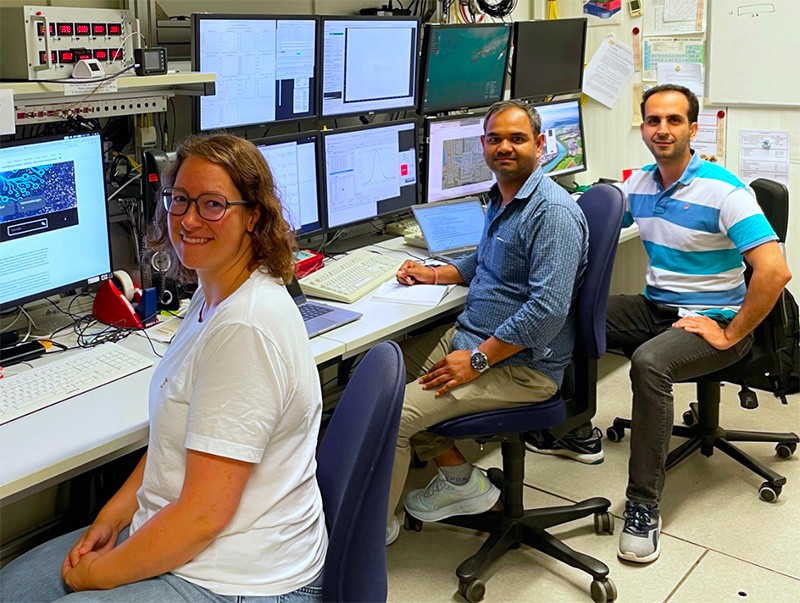
German Photon and Neutron Research Data Alliance Receives €8.3 Million in Second-Phase Funding
The German National Research Data Infrastructure consortium for photon and neutron experimental data (DAPHNE4NFDI) will enter its second funding phase, receiving initial funding of €8.3 million, with the funding period running until the end of 2028. Since 2021, the consortium has been working to improve the management of research data from photon and neutron experiments, making the data easier to find, access, and reuse over the long term. DAPHNE4NFDI is one of the disciplinary consortia under the German National Research Data Infrastructure (NFDI), with members including the German Electron Synchrotron (DESY), Kiel University (CAU), and other universities and research institutions. The funding decision is based on a recommendation from the German Research Foundation (DFG). Since January 2026...
2026-08-31
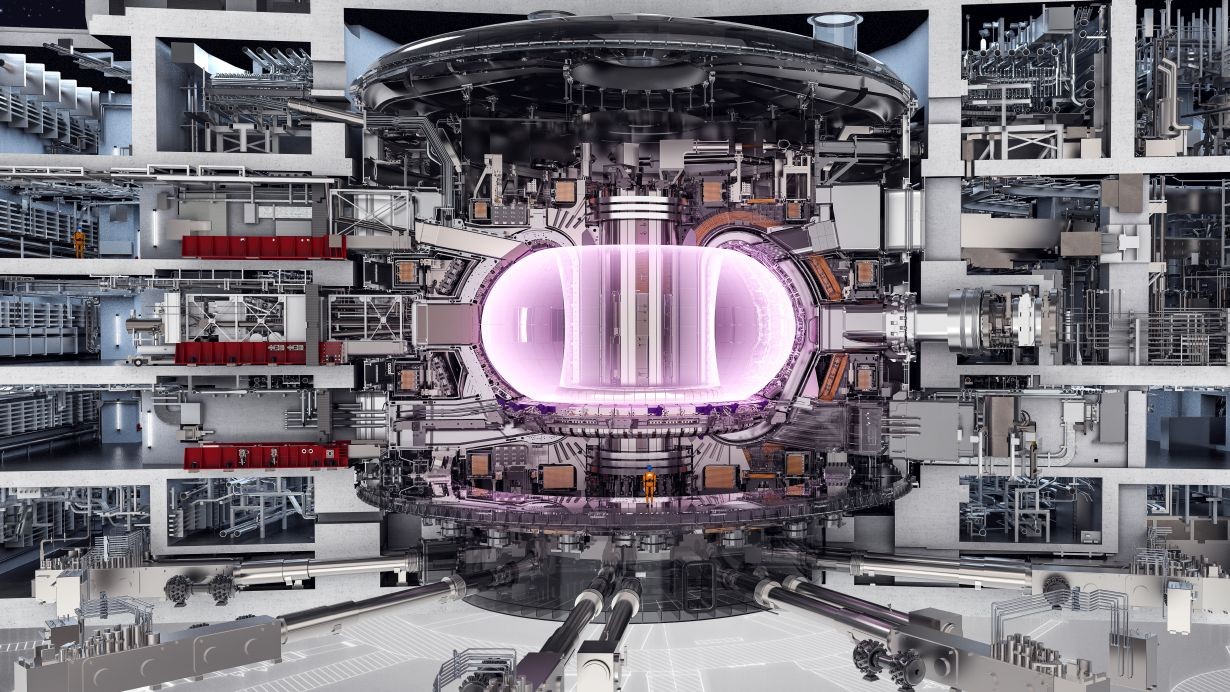
France's ITER research program may start before 2034
Scientific preparation work for the International Thermonuclear Experimental Reactor (ITER) is currently about 7 months ahead of the original schedule, and the research program may start earlier than the previously set target of 2034. Anatoly Krasilnikov, Director of the ITER Project Center at Rosatom, revealed this progress during the Technoprom-2026 forum. Krasilnikov stated that the project team no longer uses the milestone term "first plasma," but has instead adjusted the objective to "start of the research program," with a target date of 2034. Based on the current progress, the work is 7 months ahead of schedule, and there is a possibility of achieving the goal ahead of time...
2026-08-28
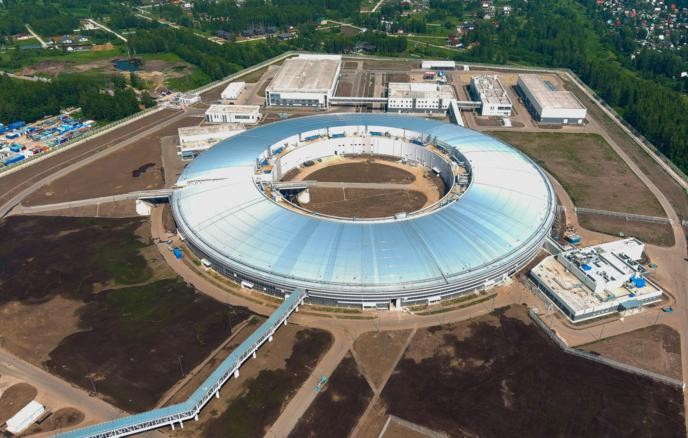
First Seven Experimental Stations of Russia's SKIF Synchrotron Planned for Commissioning in Summer 2027
The first seven scientific experimental stations at the Siberian Circular Photon Source (SKIF) shared center, located near Novosibirsk, Russia, are planned to begin beam testing in August 2027. According to the center's relevant official, all experimental station equipment has been fully installed, and experts are currently conducting commissioning work. Construction of the SKIF synchrotron was completed in June 2026. Once the project becomes operational, it will utilize synchrotron radiation to help researchers observe the internal structure of matter, obtaining high-precision data on material structure and behavior, which can serve fundamental research and related industrial R&D. As planned, the Budker Institute of Nuclear Physics of the Siberian Branch of the Russian Academy of Sciences will launch beam operation in the main storage ring in September...
2026-08-28
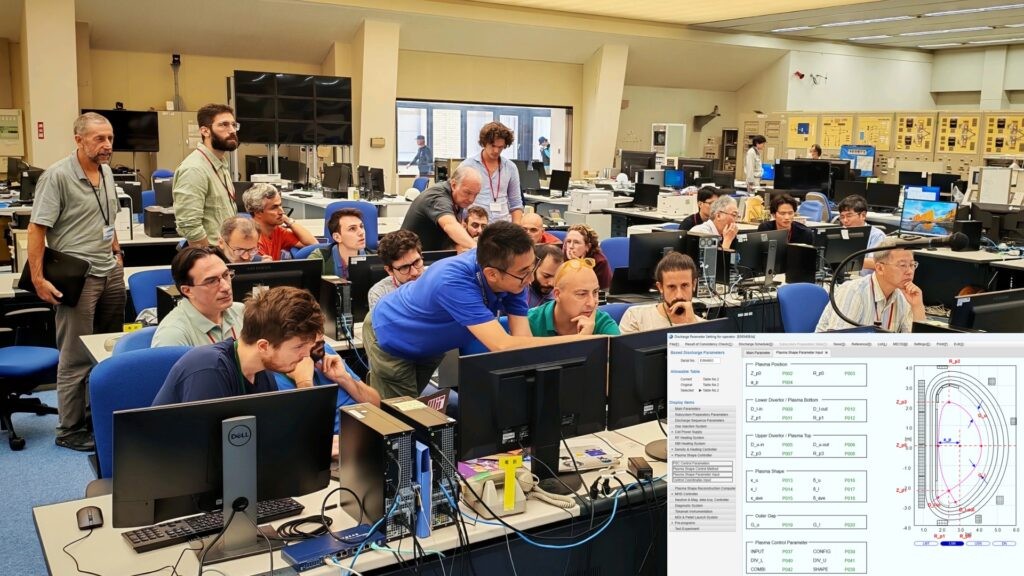
Japan's JT-60SA Experimental Team Advances Preparations for Next Operation Phase
Preparations for the next phase of JT-60SA experimental activities are underway. The technical team is carrying out integrated commissioning as planned, while the experimental team is simultaneously refining related tools and software to enhance scientific output capabilities for the next operation phase. During a training course organized by QST, EUROfusion participants are learning how to configure discharge settings using the Human-Machine Interface (HMI) in preparation for the next JT-60SA campaign. Image credit: QST. The Third JT-60SA Experimental Team Workshop was held from July 27 to 31, 2026, at the Naka Institute of the National Institutes for Quantum Science and Technology (QST) in Japan. Approximately 50 experts attended, including 20 representatives from Europe...
2026-08-26

Russia's SKIF "Microfocus" experimental station to conduct elemental and structural studies of ores
The Microfocus station, the first experimental station of the Siberian Circular Photon Source (SKIF) Phase 1, will be used to study the elemental composition and structural characteristics of samples in fields such as geology, geophysics, microelectronics, and materials science. The station is being created and integrated by Tomsk Polytechnic University and will in the future serve the exploration and development of hard-to-recover gold, platinum, rare earth elements, and oil reserves. According to reports, the first experiments at the Microfocus station will focus on ore sample studies. Such research is an important step in the development of new deposits, helping researchers more accurately assess deposit reserves, select more suitable extraction methods, and identify promising areas for subsequent exploration. The station employs...
2026-08-25
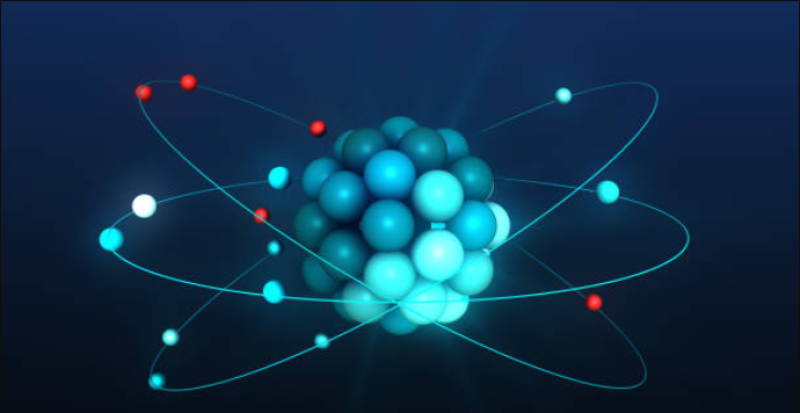
Large Hadron Collider experiments reveal neon nucleus may be bowling-pin shaped
A recent experimental result from the Large Hadron Collider at CERN suggests that the internal structure of the neon-20 nucleus may not be approximately spherical as commonly depicted in traditional textbooks, but rather closer to a "bowling pin" shape. This finding provides new experimental clues for studying deformation of light atomic nuclei and collective behavior in high-energy nuclear collisions. Atomic nuclei are composed of protons and neutrons, determining the elemental identity of atoms and carrying most of their mass. Although nuclei are often simplistically depicted as spherical, nuclear physics research has shown that some nuclei exhibit pronounced non-spherical deformation, such as the pear-shaped nuclei mentioned in previous studies. Accurately understanding these shapes helps physicists...
2026-08-21
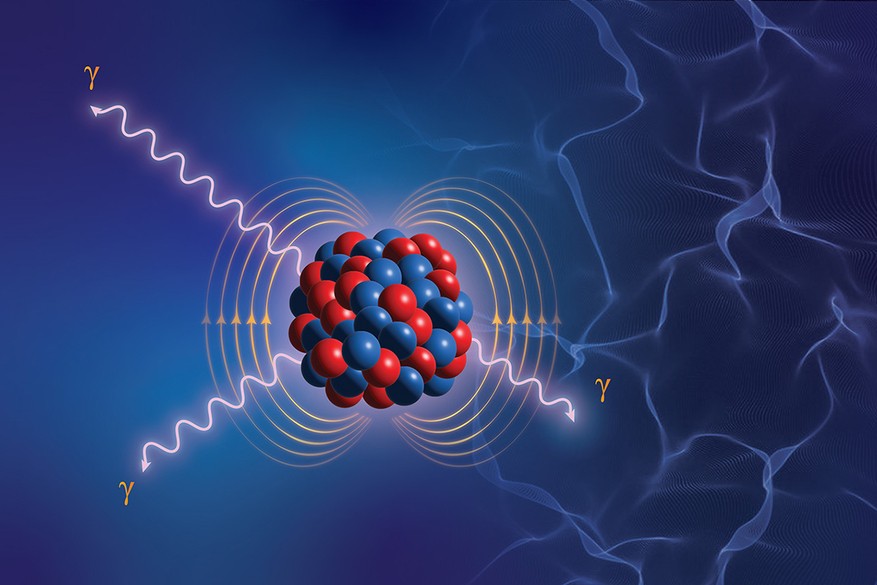
US FRIB Experiment Reveals Magnetic Origin of Anomalous Low-Energy Gamma-Ray Enhancement
According to an August 21 announcement from Lawrence Livermore National Laboratory, a new study led by the U.S. Facility for Rare Isotope Beams (FRIB) with participation from researchers at Lawrence Livermore National Laboratory and other institutions has provided a new experimental explanation for the long-standing low-energy enhancement phenomenon in nuclear physics. The findings were published in the journal Nature. An experiment at the Facility for Rare Isotope Beams (FRIB) has yielded new results, answering a fundamental question about nuclear structure. (Image: FRIB) Gamma rays are a form of electromagnetic radiation. When an excited nucleus loses energy during radioactive decay and transitions to a lower, more stable energy level, it emits gamma rays. Over the past few decades, scientists have discovered that certain nuclei emit anomalously large numbers of low-energy gamma rays, but this phenomenon does not occur in all nuclei, and its occurrence conditions have been difficult to predict reliably in theory.
2026-08-21
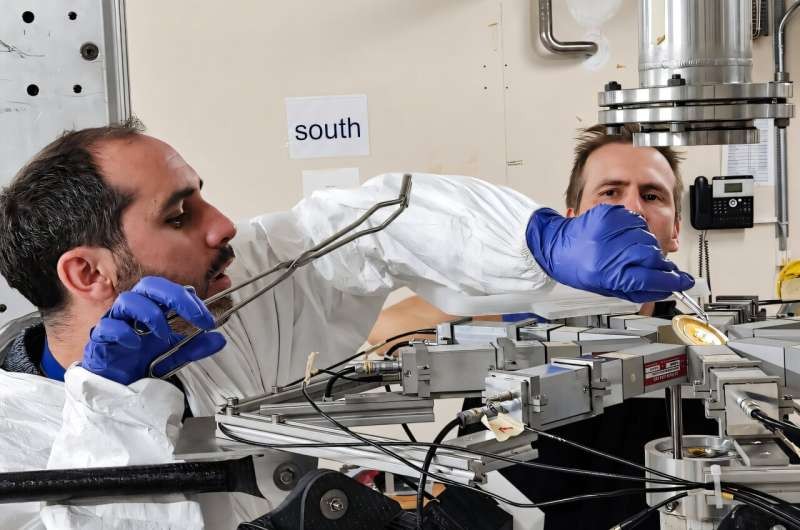
CERN measures niobium-94 neutron capture for the first time, shedding new light on the mystery of molybdenum abundance in ancient stardust
The n_TOF collaboration at CERN recently reported that researchers have for the first time measured the probability of neutron capture by niobium-94. The results, published in Physical Review Letters, provide new experimental evidence for explaining the anomalous abundance of molybdenum-94 in presolar grains. The EAR2 facility in the n_TOF experiment at CERN produces intense neutron beams, opening new possibilities for nuclear research. Credit: CERN Niobium-94 is a niobium isotope containing 41 protons and 53 neutrons, occupying a critical juncture in the nuclear reaction chain that produces heavy elements in dying stars. Researchers are interested in it because niobium-94 is very close to molybdenum-94, differing by just one fewer proton and one more neutron. Under the high-temperature, high-pressure conditions inside stars, niobium-94 may either transform into molybdenum-94 through beta decay or form niobium-95 through neutron capture. The competition between these two reaction pathways directly affects scientists' understanding of the origin of molybdenum-94.
2026-08-20
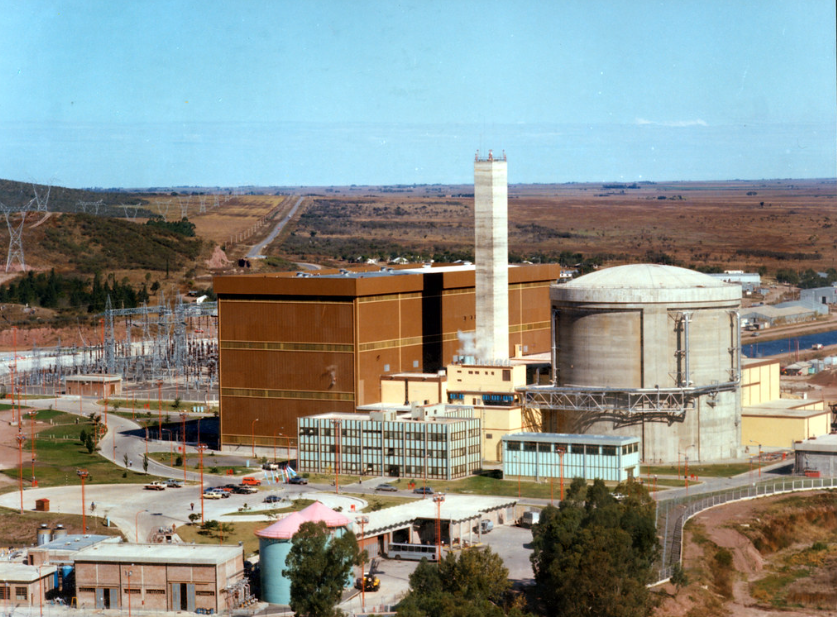
Embalse Nuclear Power Plant Life Extension Experience Boosts Argentina's Nuclear Power Service Exports
Argentina's Embalse Nuclear Power Plant life extension project has become an important technical foundation for the country's nuclear power service exports. Between 2015 and 2019, the Embalse Nuclear Power Plant underwent a large-scale refurbishment, with core work including reactor tube replacement, fuel channel replacement, steam generator renewal, and upgrade of the plant's computer control system, enabling the unit to operate for another 30 years. Nuclear power plant life extension is one of the most technically challenging projects in the energy sector, requiring the dismantling, inspection, assessment, and refurbishment of key equipment that has been in operation for decades, with stringent requirements for engineering precision, quality control, and project management capability. Through the Embalse Nuclear Power Plant project, Argentina has for the first time fully implemented this complex process.
2026-08-19
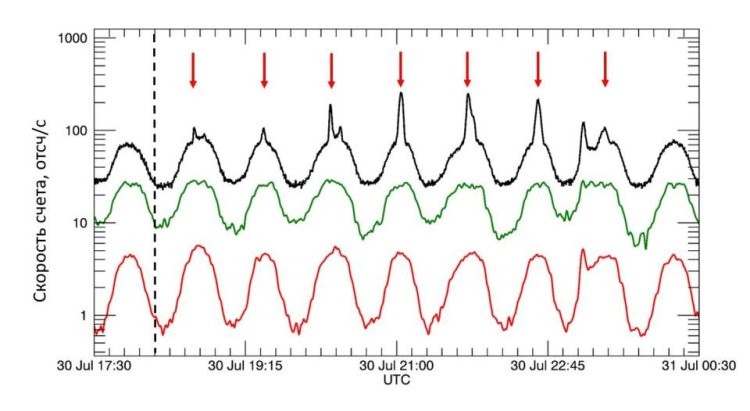
Russian Segment of ISS Adjusts BTN-M2 Equipment Configuration, Continues Neutron and Gamma Radiation Observations
On August 13, 2026, during the ISS-75 expedition mission, Russian cosmonauts Pyotr Dubrov and Anna Kikina performed configuration adjustments to the BTN-M2 scientific equipment inside the Nauka module of the Russian Segment of the International Space Station. Figure 1. Profiles of gamma rays (energies below 500 keV, black curve), 511 keV photons from electron-positron annihilation (green curve), and high-energy neutrons (red curve) detected by the BTN-M2 instrument aboard the ISS on July 30–31, 2026. Red arrows indicate enhanced gamma-ray flux during the solar proton event (SPE) as the ISS passed over high-latitude regions of the Earth...
2026-08-18
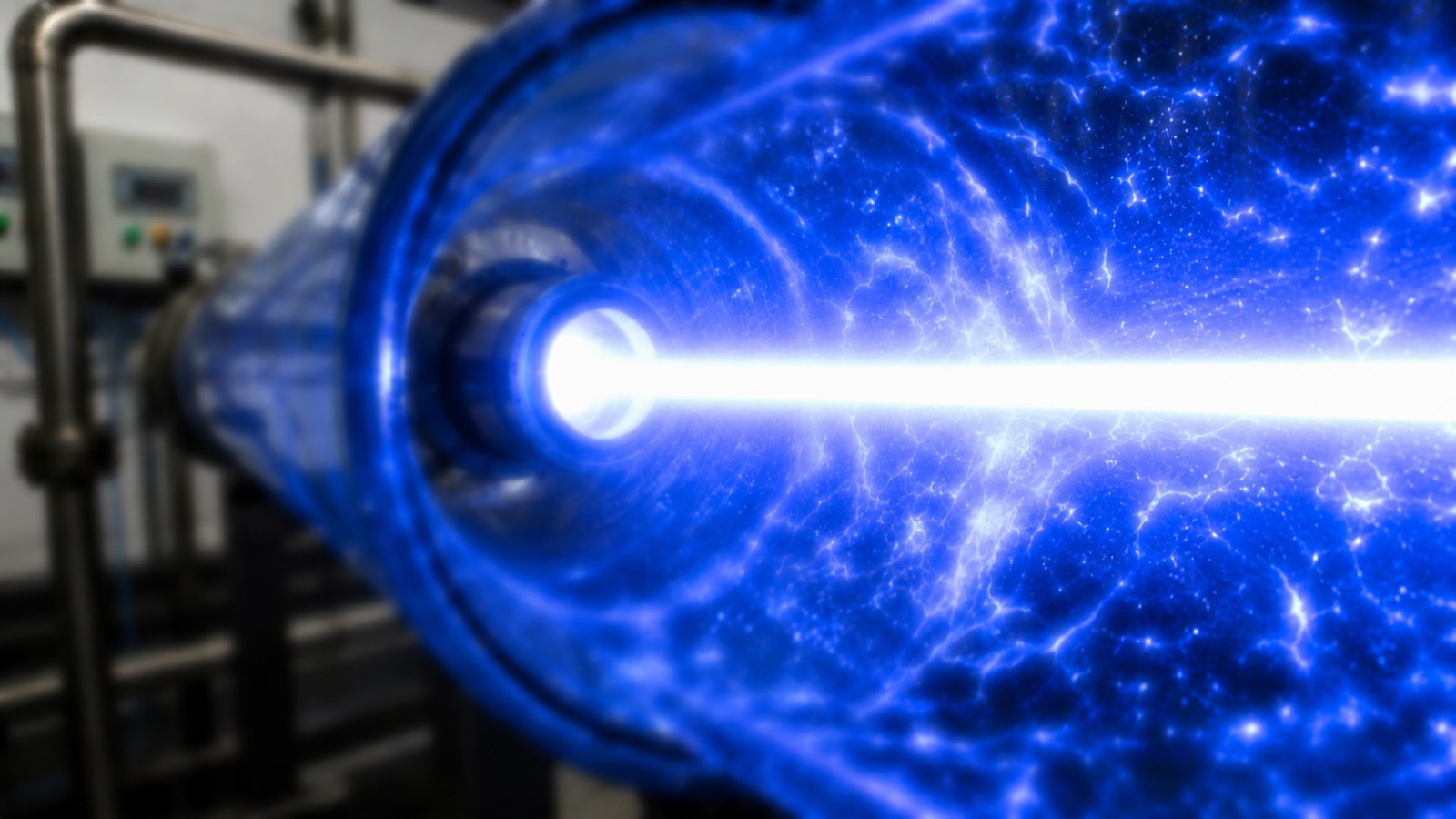
World's first laser plasma accelerator-driven high-resolution muon imaging experiment to launch in Romania
Ideon Technologies, a global subsurface detection muon tomography company, is participating in an international research consortium to conduct the world's first high-resolution muon imaging experiment driven entirely by a laser plasma accelerator. The experiment aims to use a compact accelerator to produce muon beams on demand for non-destructive high-resolution imaging, with applications targeting mineral production, critical infrastructure, cargo inspection, medical imaging, semiconductors, nuclear security, and space radiation testing. Consortium members include the University of Texas at Austin, the Extreme Light Infrastructure - Nuclear Physics (ELI-NP) facility team, Heinrich Heine University Düsseldorf, Helmholtz-Zentrum Dresden-Rossendorf, ELI-Beamlines, and Tau Systems.
2026-08-18
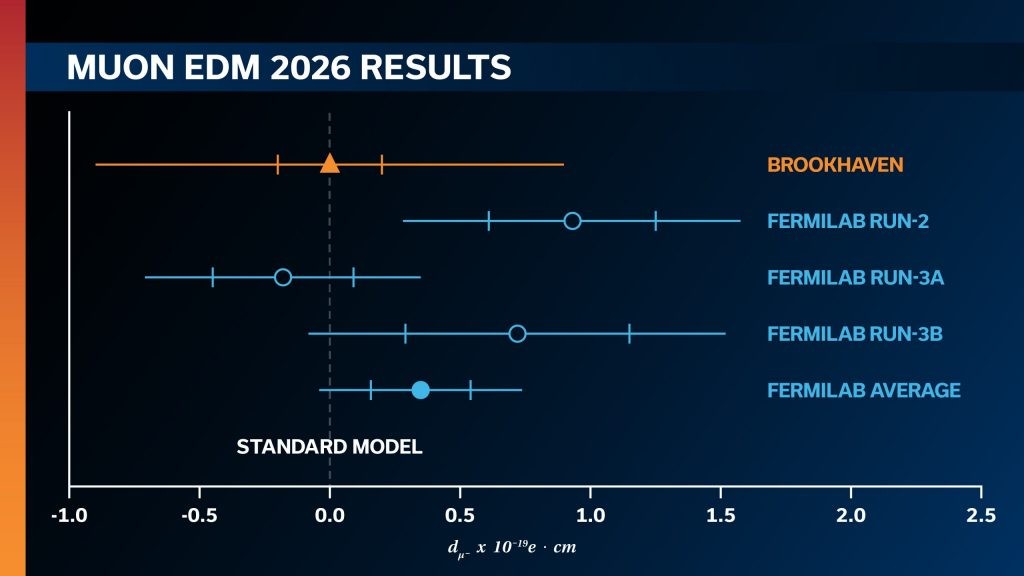
Fermilab Muon g-2 Experiment Sets New Direct Detection Limit on Muon Electric Dipole Moment
On August 12, 2026, the Muon g-2 Collaboration announced that a new analysis based on 25% of the data from the Muon g-2 experiment at the U.S. Department of Energy's Fermi National Accelerator Laboratory has produced the most sensitive direct measurement of the muon's electric dipole moment to date. The results show that if a muon electric dipole moment exists, its magnitude is below the current detection threshold of the experiment. The muon electric dipole moment values measured by Fermilab across different data-taking periods were compared with previous results from Brookhaven National Laboratory. The combined Fermilab value is consistent with zero (no observation). Although the experiment uses positive muons, results are typically reported for negative muons, which reverses the sign of the measured value...
2026-08-17