
Search Results
Keyword:PERI

CMS Experiment Advances Higgs Boson Pair Search with New Data
The CMS Collaboration has recently announced new progress in the study of Higgs boson pair production. The study is based on proton collision data at a center-of-mass energy of 13.6 TeV recorded by the CMS detector from 2022 to 2024, focusing on the search for processes where one Higgs boson decays to a bottom quark–antiquark pair and the other decays to a τ lepton–antitau pair, namely the HH→bbττ channel. Since the discovery of the Higgs boson in 2012, the CMS and ATLAS Collaborations have continuously measured the interactions of the Higgs boson with other Standard Model particles, and the results so far remain generally consistent with Standard Model predictions. In contrast, the “self-coupling” among multiple Higgs bosons...
2026-08-17
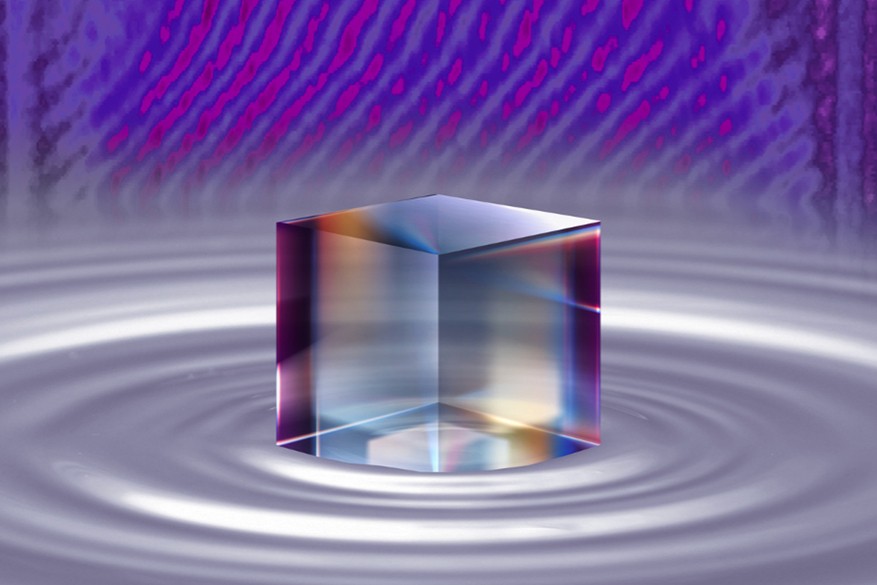
US experiment reveals diamond melting behavior under high pressure, potentially advancing inertial confinement fusion research
Researchers at Lawrence Livermore National Laboratory published a new study in Nature Physics documenting the melting process of diamond at pressures approximately three times greater than those at Earth's core. The experiments showed that under high-pressure conditions, diamond floats in liquid metallic carbon, similar to how ice floats in water. This finding helps improve inertial confinement fusion experimental models and provides new evidence for understanding the potential "diamond rain" phenomenon inside ice giant planets such as Neptune and Uranus. The latest melting experiments confirmed that under high pressure, diamond floats in liquid metallic carbon, just as ice floats in a glass of water. (Concept image: James Wickboldt/LLNL) The research team stated...
2026-08-17
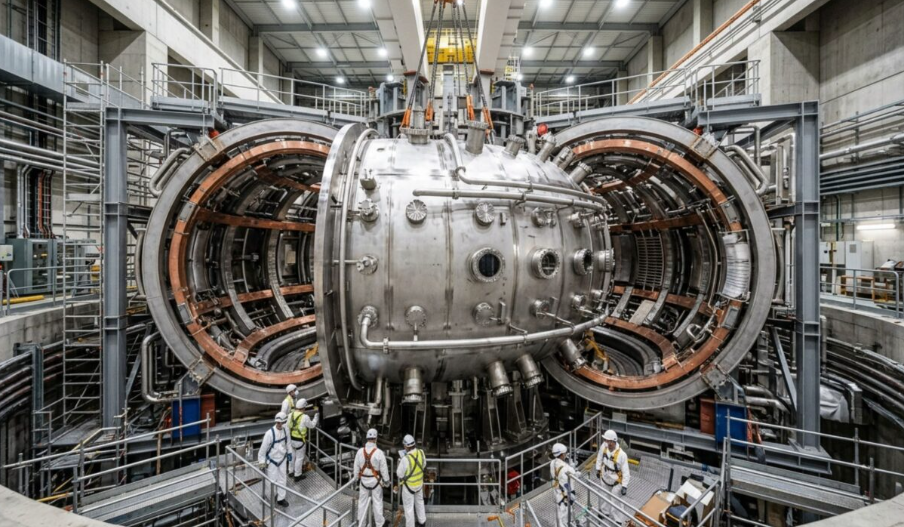
ITER Tokamak Advances Assembly in France, Fusion Experiment Targets 150 Million Degree Celsius Plasma
The ITER tokamak being assembled in southern France is one of the most closely watched large-scale experimental devices in global nuclear fusion research. The machine weighs approximately 23,000 tonnes in total and adopts a donut-shaped toroidal structure, using strong magnetic fields to confine high-temperature plasma, with the goal of replicating on Earth the conditions for fusion reactions that occur inside stars. Its plasma volume is approximately 830 cubic meters, far exceeding previous tokamak devices, and it is therefore expected to validate the key physics and engineering technologies required for future commercial fusion reactors. ITER adopts the toroidal tokamak structure because charged particles can move along toroidal paths under strong magnetic fields, thereby minimizing direct contact with the device's inner walls...
2026-08-14
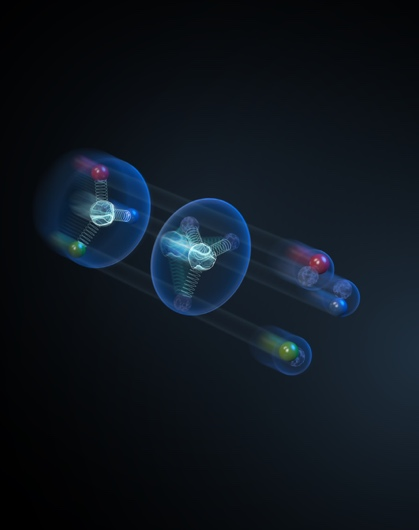
USTC Team Participates in STAR Experiment, Discovering Possible "Y"-Shaped Gluon Junction Inside Nucleons
The University of Science and Technology of China, together with Kent State University and Brookhaven National Laboratory, played a leading role in the STAR international collaboration. Through precise measurements of net baryon number and net charge in high-energy nucleus-nucleus collision experiments, they discovered an exotic structure inside nucleons that may overturn fundamental understanding of nucleon internal structure. In the early morning of August 14, the results were published online in the journal Science under the title "Tracking the baryon number with nuclear collisions." Nucleons are the fundamental particles that make up the material world, carrying more than 99% of the mass of the visible matter in the universe. Understanding the internal structure of nucleons is of paramount importance for understanding the fundamental constituents and fundamental interactions of the material world.
2026-08-14
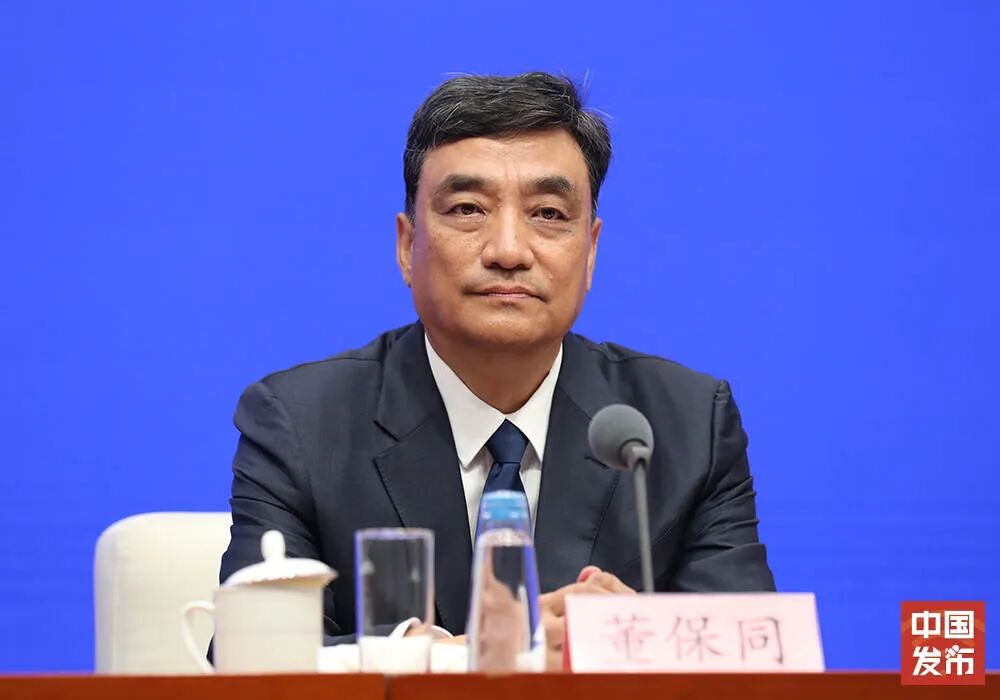
Dong Baotong, Director of the National Nuclear Safety Administration: China's nuclear safety level remains among the top internationally, and during the "15th Five-Year Plan" period, the number of operating nuclear power units in China will rank first in the world
The State Council Information Office held a series of press conferences on August 13 themed "Starting the '15th Five-Year Plan' with a Strong Beginning," introducing the progress of comprehensively advancing the construction of a Beautiful China. Dong Baotong, Vice Minister of Ecology and Environment and Director of the National Nuclear Safety Administration, stated at the conference that ecological environment safety encompasses several key aspects, including ecological security, nuclear safety, and environmental risk prevention and control. The Ministry of Ecology and Environment serves as the lead coordinating body for both the national ecological security work coordination mechanism and the nuclear safety work coordination mechanism. Over the years, together with relevant departments, we have actively responded to various risks and challenges, effectively safeguarding the bottom line of ecological environment safety. Among these, in the area of nuclear safety, we have consolidated the primary responsibility of nuclear facility operators...
2026-08-13
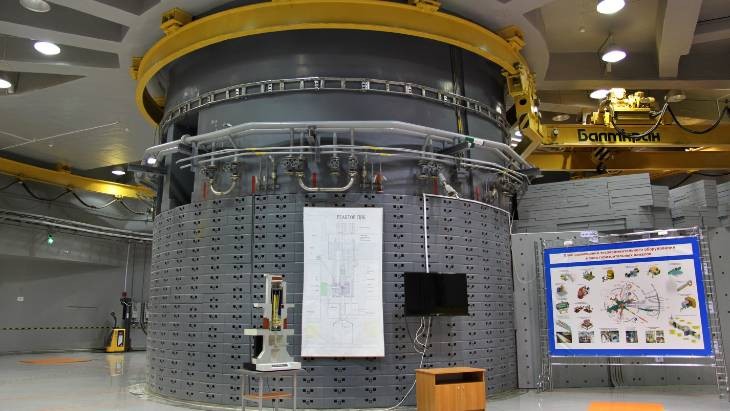
25 experimental stations of the PIK high-flux nuclear reactor at the Kurchatov Institute to be commissioned in December 2026
At a meeting of the Science and Education Committee, Mikhail Kovalchuk, Director of the National Research Centre "Kurchatov Institute," announced that 25 experimental stations of the PIK high-flux nuclear reactor at the Konstantinov Nuclear Physics Institute in Gatchina, Leningrad Oblast, Russia, will be commissioned in December 2026. According to reports, the project is being implemented pursuant to a presidential decree. Currently, construction of these 25 experimental stations is nearing completion, and the associated waveguide hall is planned to open in December of the same year. As a large-scale research facility, the PIK reactor will provide experimental conditions for related nuclear physics research once its experimental stations are commissioned...
2026-08-13
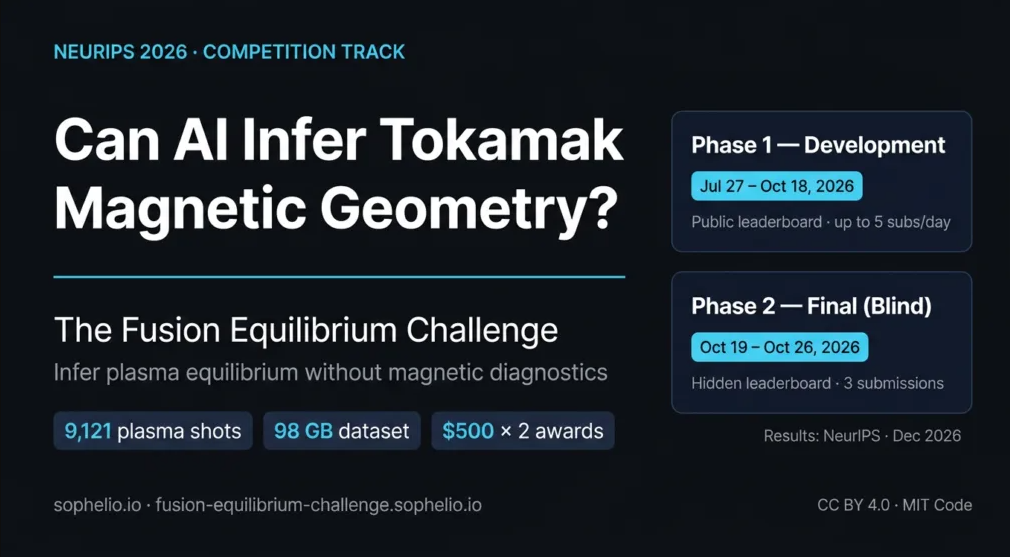
Sophelio Launches Fusion Equilibrium Challenge, Opening DIII-D and MAST Experimental Datasets
On August 11, Sophelio launched the Fusion Equilibrium Challenge. The competition has been accepted into the 2026 Conference on Neural Information Processing Systems (NeurIPS) competition track, making it the first fusion energy-related challenge to enter this track. The challenge is co-organized by Sophelio together with the DIII-D National Fusion Facility, the UK Atomic Energy Authority (UKAEA) FAIR-MAST project, and the Institute for Fusion Studies (IFS) at the University of Texas at Austin, with data hosted on the Hugging Face platform. Open to the global machine learning community, the competition re...
2026-08-12
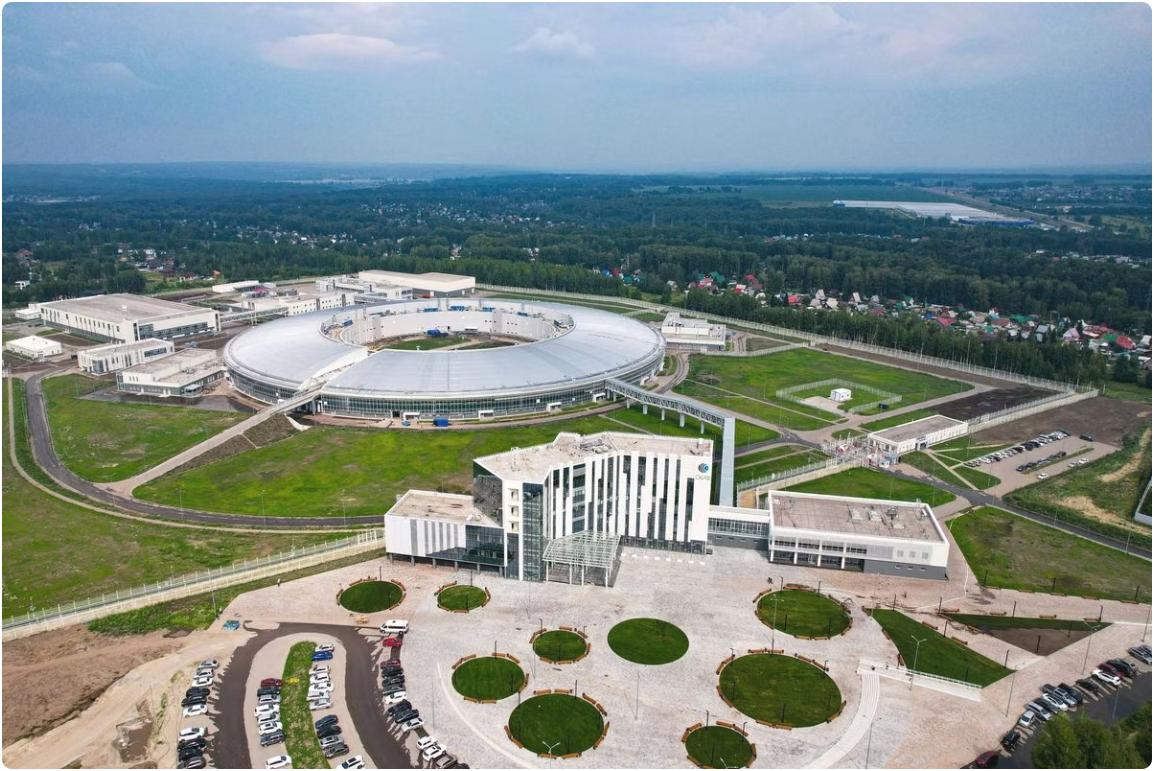
First batch of experimental stations at Russia's Siberian Circular Photon Source expected to be operational by end of 2026
On August 11, Russian President Vladimir Putin stated at a meeting of the Council for Science and Education that the first research stations of the Siberian Circular Photon Source (SKIF) synchrotron are expected to be commissioned by the end of 2026. At the meeting, Putin noted that the Siberian Circular Photon Source is currently one of the world's most powerful particle accelerators, with some parameters being unique, capable of helping researchers conduct in-depth studies of the structure of matter at the atomic and molecular levels. He also stated that Russia needs to accelerate the development of future technologies, concentrate efforts on priority tasks, and make more efficient use of national strategic scientific resources, including research institutions, advanced digital computing resources, and unique biological resources. The Siberian Circular Photon...
2026-08-12
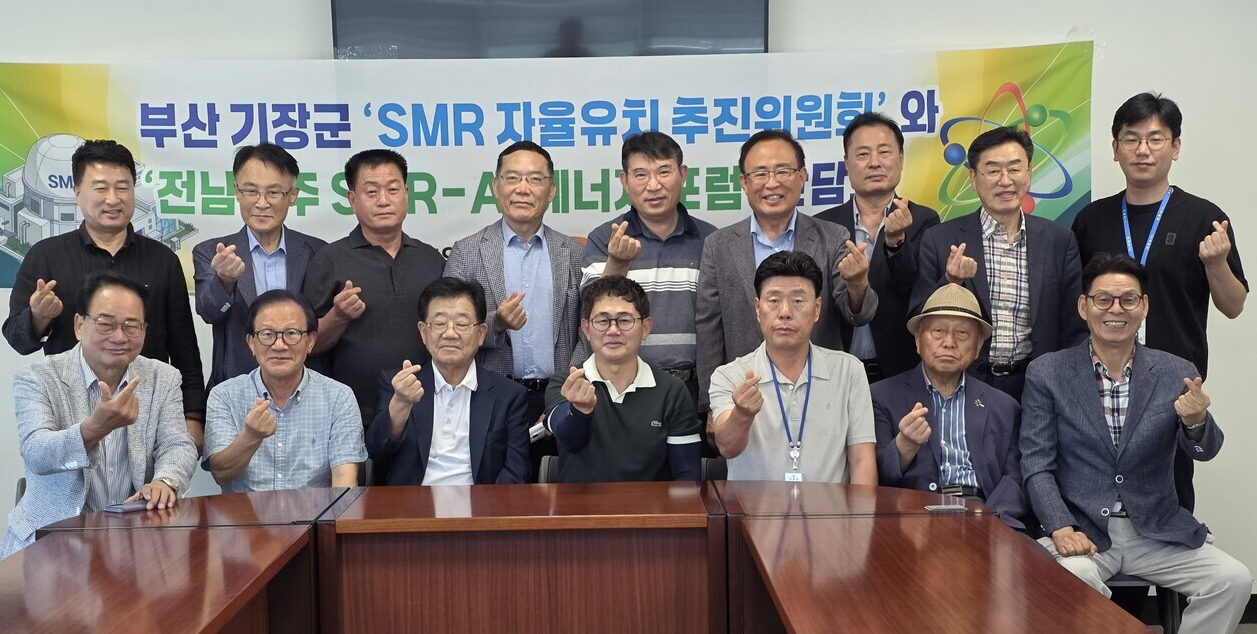
South Korea's Honam Region Visits Busan Gijang for SMR Experience, Seeking New Solutions for Stable Semiconductor Power Supply
South Korea's South Jeolla Province and Gwangju region are paying attention to Small Modular Reactors (SMR) as a potential alternative for semiconductor industry power supply. On August 7, members of the "South Jeolla-Gwangju SMR-AI Energy Forum" visited the Gijang-gun Jangan-eup Gilcheon-ri Village Hall in Busan to hold discussions with the local nuclear safety consultative body, village representatives, the Gori headquarters of Korea Hydro & Nuclear Power, and relevant Gijang-gun departments, focusing on understanding Gijang's autonomous pursuit process and resident communication experience in the siting of the innovative Small Modular Reactor (i-SMR). The direct background of this visit is the potential stable power supply challenge that the semiconductor industry in the Honam region may face in the future. Semiconductor manufacturing relies heavily on continuous, reliable large-scale...
2026-08-11
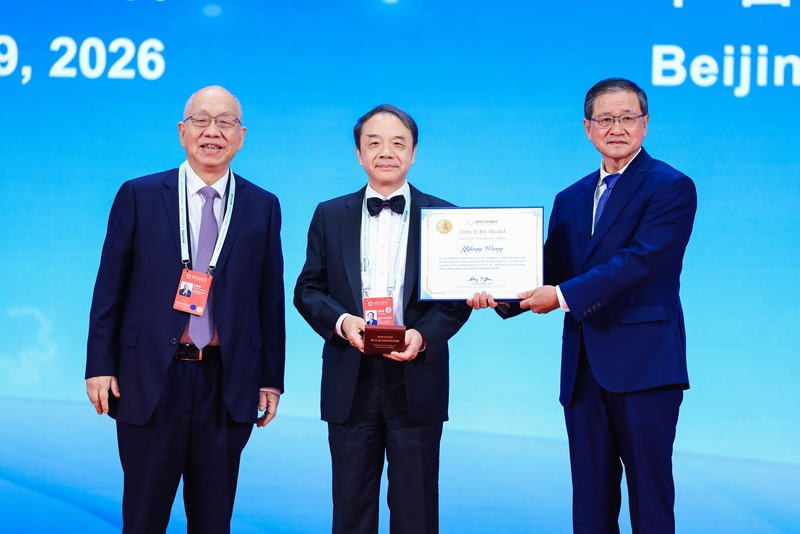
Jiangmen Neutrino Experiment Targets Mass Ordering Challenge; Wang Yifang Says Expected to Be Resolved Within 3 to 5 Years
On August 9, the 2026 International Congress of Basic Science opened in Beijing. Wang Yifang, academician of the Chinese Academy of Sciences and researcher at the Institute of High Energy Physics, Chinese Academy of Sciences, was awarded the Samuel C.C. Ting Physics Medal in recognition of his significant contributions to neutrino oscillation research, precise measurement of the mixing angle θ13, and the construction of the Jiangmen Underground Neutrino Observatory (JUNO). According to reports, the Basic Science Medal is established for scientists worldwide who have achieved groundbreaking results in basic sciences, covering three fields: mathematics, physics, and engineering. Wang Yifang's award-winning achievements include being the first to discover a new neutrino oscillation mode, first to precisely measure the mixing angle θ13, and leading the completion of the Jiangmen Neutrino Experiment...
2026-08-10

Belarusian NPP safe operation period may be extended to 100 years, with first spent fuel to be shipped to Russia for reprocessing in 2034
Stanislav Levitsky, head of the Rosatom representative office in Belarus, stated on the "Economic Environment" program of Belarusian TV Channel One that Belarusian nuclear energy development is backed by comprehensive safety assurances. He emphasized that while nuclear facilities can indeed have serious consequences if mismanaged, under the existing risk control system and modern technological support at the Belarusian NPP, nuclear power can become a low-cost, stable, and safe energy source. Levitsky believes that amid intense competition in the energy sector, some irresponsible players may use information tactics to create anxiety and attempt to provoke panic among the public...
2026-08-10
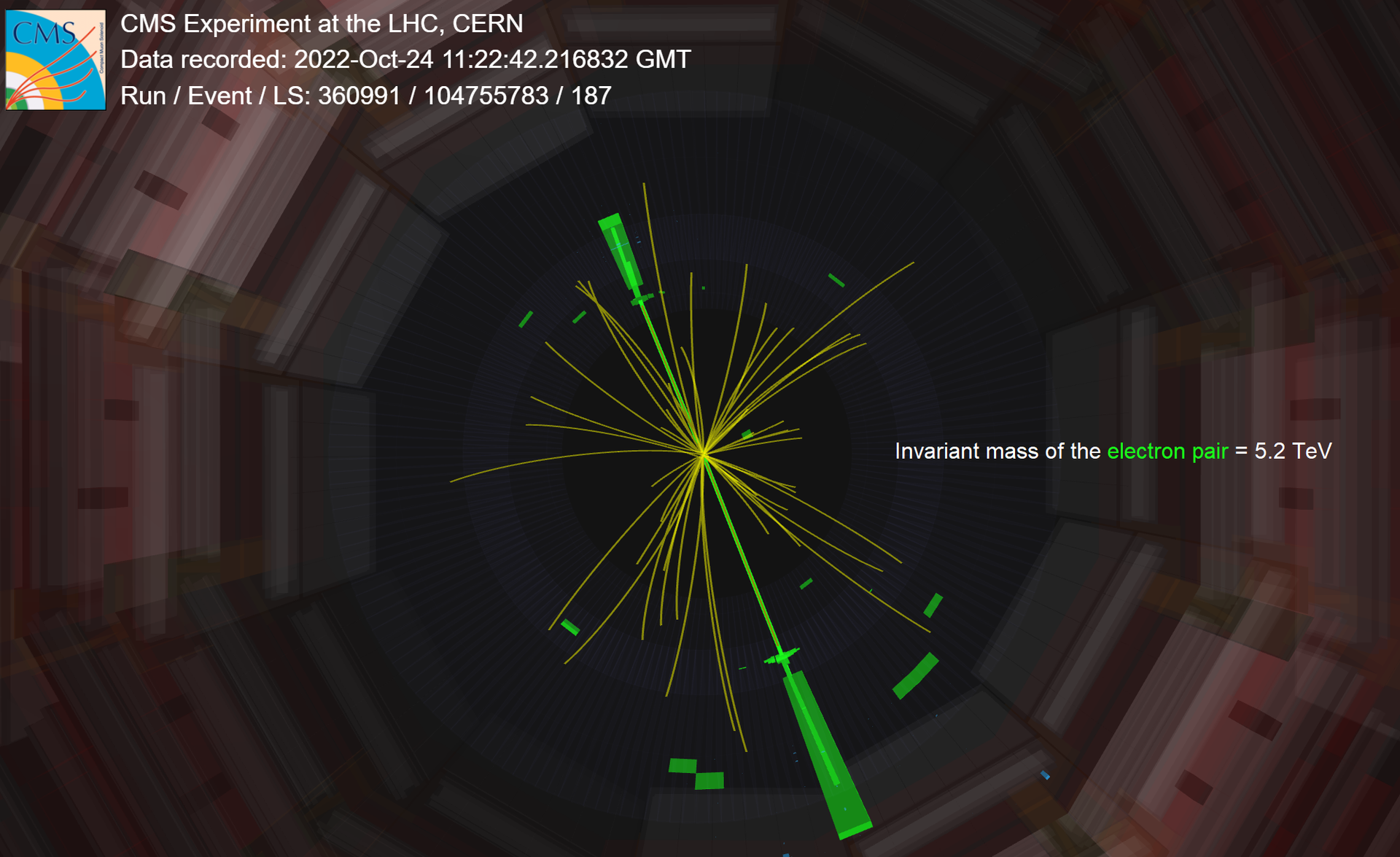
CMS records highest-energy lepton pairs to date, testing the possibility of a composite Higgs boson
The CMS experiment recently used the complete proton-proton collision dataset collected during Run 2 of the Large Hadron Collider and the first two years of Run 3, namely 2022 to 2023, to search for clues that the Higgs boson may be composed of smaller constituents. The analysis results show that the experimental data are consistent with Standard Model predictions, with no evidence pointing to new physics yet. Whether the Higgs boson is an elementary particle or a composite particle with deeper structure is a long-standing question in particle physics. To test this possibility, the CMS team adopted two complementary approaches: on one hand, directly searching for new heavy particles that could be produced at the Large Hadron Collider; on the other hand, indirectly probing the effects of new particles with higher masses that are difficult to produce directly through subtle deviations in high-energy electron pair and muon pair production processes.
2026-08-10
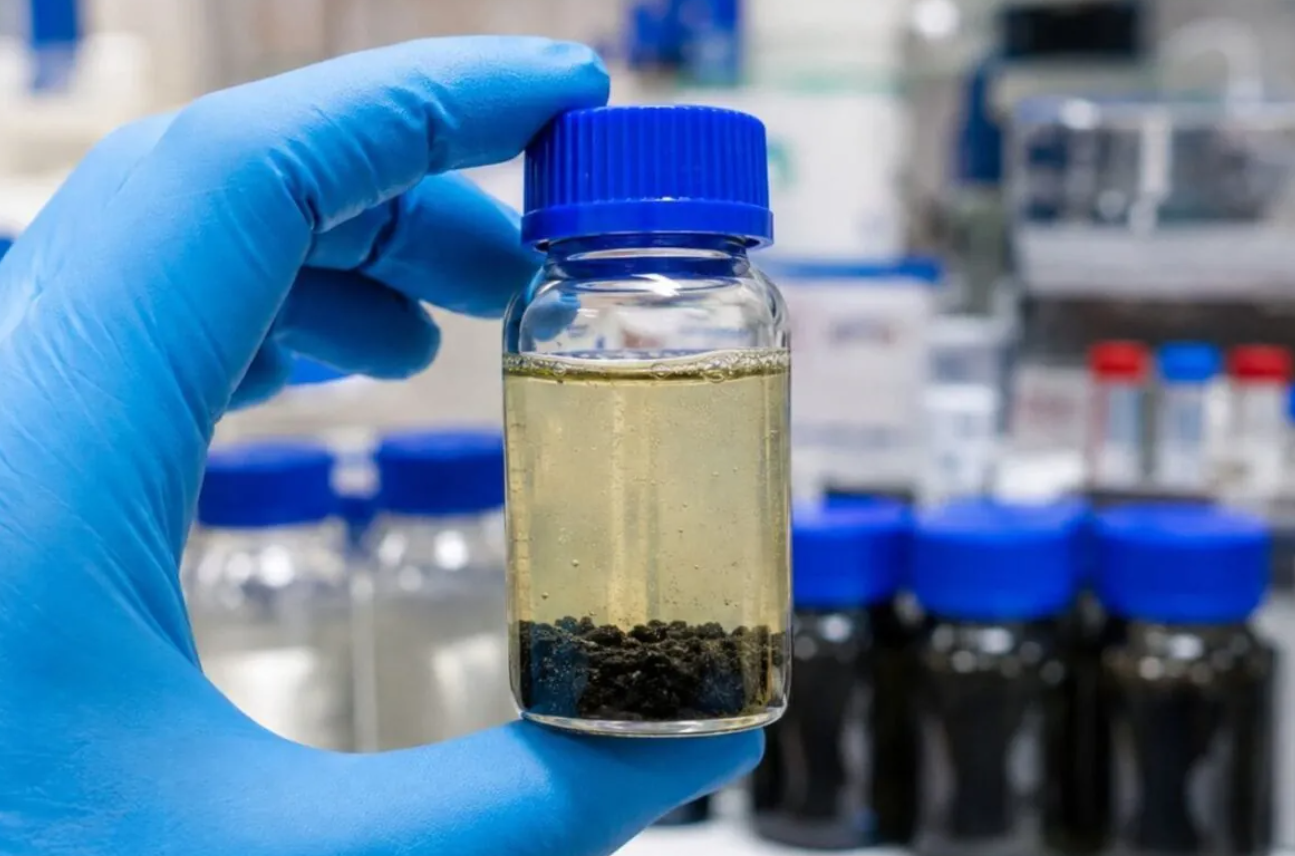
German-Grenoble Joint Experiment: Bacteria Immobilize 96% of Uranium in Mine Water, Offering New Insights for Legacy Uranium Mine Remediation
More than three decades after the closure of the Schlema-Alberoda legacy uranium mine in Saxony, Germany, remediation pressure continues unabated. After the mine workings were flooded, the water still contains approximately 1 milligram of uranium per liter, far exceeding the World Health Organization's provisional guideline value of 0.03 milligrams per liter for drinking water. This means that even though mining has long ceased, contaminated water must still be treated over the long term to prevent radioactive metals from migrating with groundwater into rivers or drinking water sources. A team involving the Helmholtz-Zentrum Dresden-Rossendorf in Germany, the University of Grenoble, and other institutions conducted experiments directly using real water samples from the mine and achieved noteworthy results: after 130...
2026-08-10
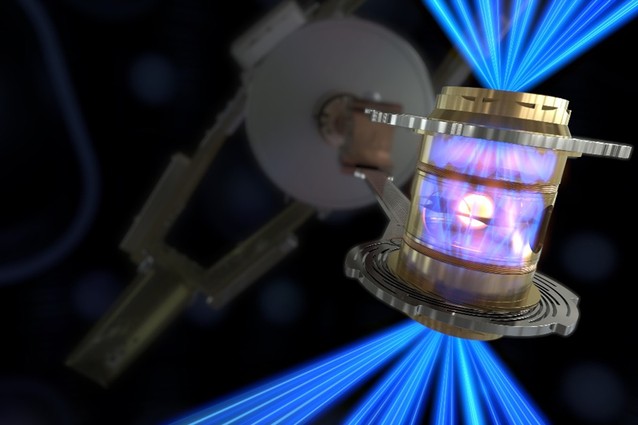
LLNL Research in the U.S. Reveals New Mechanisms of Laser Polarization Effects in NIF Inertial Confinement Fusion Experiments
Researchers at Lawrence Livermore National Laboratory (LLNL) have recently discovered in studies related to the National Ignition Facility (NIF) that the polarization state of lasers may influence the cross-beam energy transfer (CBET) process in inertial confinement fusion experiments and could help reduce backscatter and the risk of damage to optical components. The related paper, titled "Effects of Laser Polarization on Cross-Beam Energy Transfer in Inertial Confinement Fusion," was recently published as a featured article in the journal Physics of Plasmas. NIF experiments demand extremely high precision in laser control. The facility's 192 laser beams must be focused to a width of a few millimeters and enter the target area through holes approximately 3 millimeters in diameter located at the top or bottom of a gold hohlraum. The hohlraum is about 2 centimeters in diameter. After the lasers enter the plasma, different beams cross each other and undergo energy transfer, a process known as cross-beam energy transfer. When designing NIF inertial confinement fusion experiments, scientists carefully tune the laser wavelengths to use CBET to balance energy distribution and improve implosion symmetry.
2026-08-10
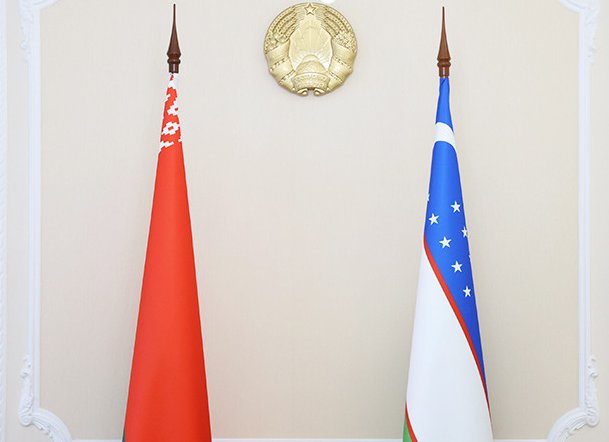
Belarus and Uzbekistan Plan Energy Cooperation Roadmap, Nuclear Power Experience Cooperation Listed as Priority
On August 7, according to the press service of the Belarusian Ministry of Energy, following a meeting between Belarusian Energy Minister Denis Moroz and Uzbek Ambassador to Belarus Nouriddin Mamanov, the two sides agreed to draft a cooperation roadmap in the energy sector. The meeting focused on the prospects for Belarus-Uzbekistan energy cooperation and examined follow-up arrangements based on the consensus reached by the two countries' high-level officials during Uzbek President Shavkat Mirziyoyev's visit to Belarus in July. Among the proposed areas of cooperation, collaboration in the atomic energy sector was identified as a key component. According to the discussions, the Uzbekistan nuclear power plant project will draw on Belarusian experience...
2026-08-08