
Search Results
Keyword:SiC
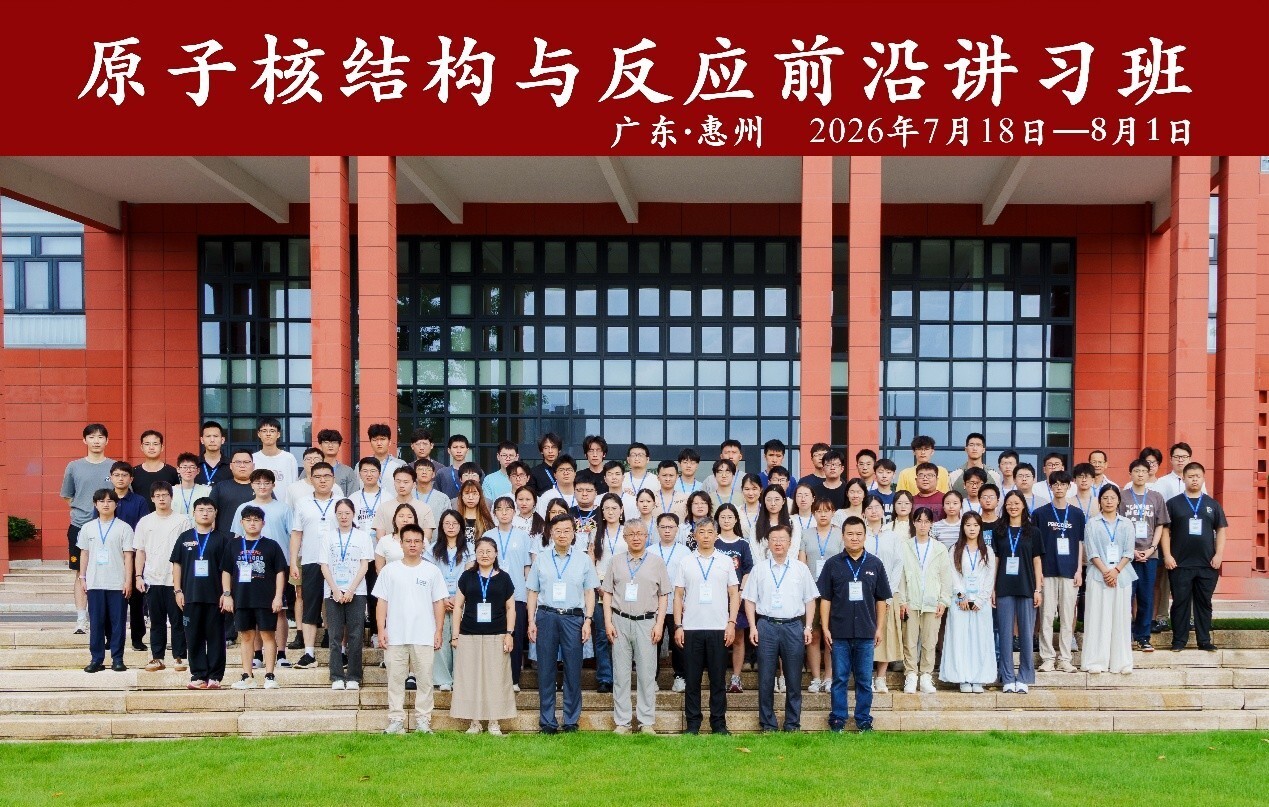
"Frontier Workshop on Nuclear Structure and Reactions" Successfully Held at the Institute of Modern Physics, Chinese Academy of Sciences
From July 18 to August 1, the Institute of Modern Physics of the Chinese Academy of Sciences hosted the Frontier Workshop on Nuclear Structure and Reactions. Funded by the Special Fund for Theoretical Physics of the National Natural Science Foundation of China, the workshop attracted 89 young faculty members, postdoctoral researchers, and graduate students from over 30 universities and research institutions nationwide. Twenty-one experts in nuclear physics were invited to give lectures, totaling nearly 80 class hours. Academician of the Chinese Academy of Sciences and President of East China Normal University, Professor Ma Yugang; Academician of the Chinese Academy of Sciences and Professor at Tsinghua University, Zou Bingsong; Director of the Institute of Modern Physics, Professor Sun Zhiyu; as well as representative lecturers Professor Ye Yanlin and Professor Yang Xiaofei from Peking University...
2026-08-13
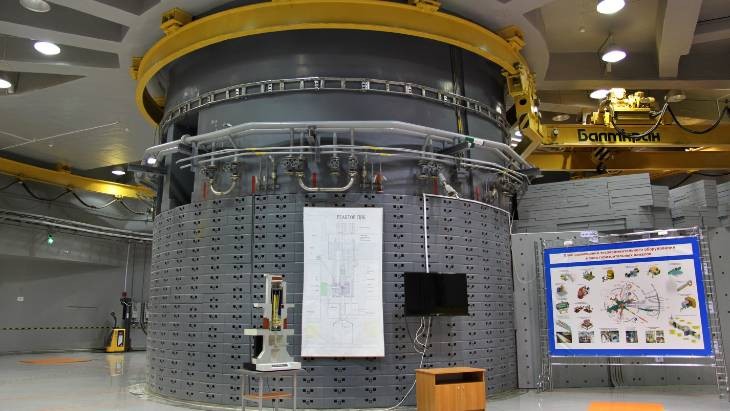
25 experimental stations of the PIK high-flux nuclear reactor at the Kurchatov Institute to be commissioned in December 2026
At a meeting of the Science and Education Committee, Mikhail Kovalchuk, Director of the National Research Centre "Kurchatov Institute," announced that 25 experimental stations of the PIK high-flux nuclear reactor at the Konstantinov Nuclear Physics Institute in Gatchina, Leningrad Oblast, Russia, will be commissioned in December 2026. According to reports, the project is being implemented pursuant to a presidential decree. Currently, construction of these 25 experimental stations is nearing completion, and the associated waveguide hall is planned to open in December of the same year. As a large-scale research facility, the PIK reactor will provide experimental conditions for related nuclear physics research once its experimental stations are commissioned...
2026-08-13
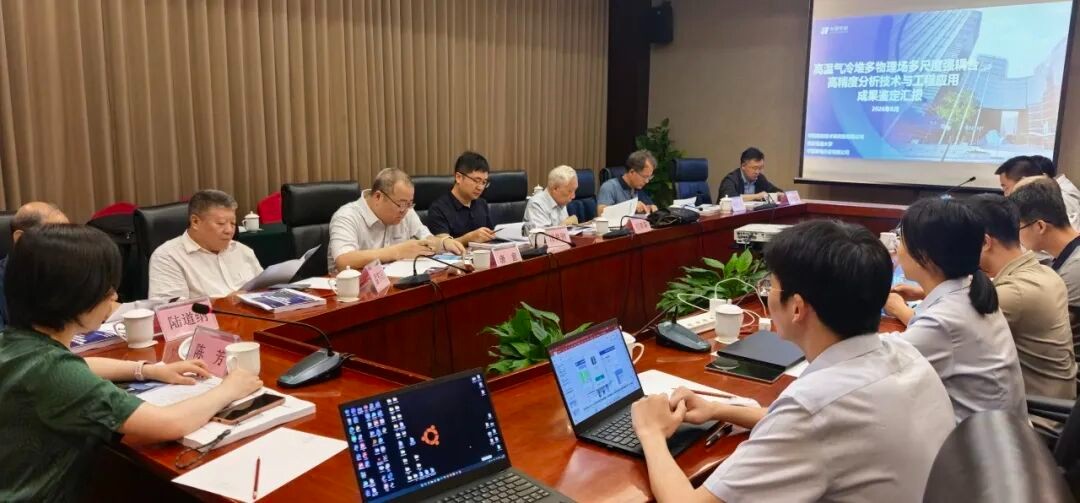
"High-Precision Analysis Technology and Engineering Application of Multi-Physics, Multi-Scale, Strongly Coupled High-Temperature Gas-Cooled Reactor" Passes Scientific and Technological Achievement Appraisal, Reaching Internationally Leading Level
On August 7, the China Nuclear Energy Association organized a scientific and technological achievement appraisal meeting in Beijing for the high-precision analysis technology and engineering application of multi-physics, multi-scale, strongly coupled high-temperature gas-cooled reactors. Ye Qizhen, academician of the Chinese Academy of Engineering, served as the leader of the project review panel. The expert group unanimously agreed to pass the achievement appraisal, recognizing it as reaching an internationally leading level. Xu Weiqiang, General Manager of the Nuclear Energy Research Institute, attended the meeting, and Liu Wei, Director of the Reactor Engineering Institute, delivered a special report. This achievement was completed through five years of joint research by Huaneng Nuclear Energy Technology Research Institute and Xi'an Jiaotong University, targeting world-class challenges such as strong multi-physics coupling in the core of pebble-bed high-temperature gas-cooled reactors, limited in-core temperature measurement points, and complex bypass flow paths. For the first time internationally, it established...
2026-08-12
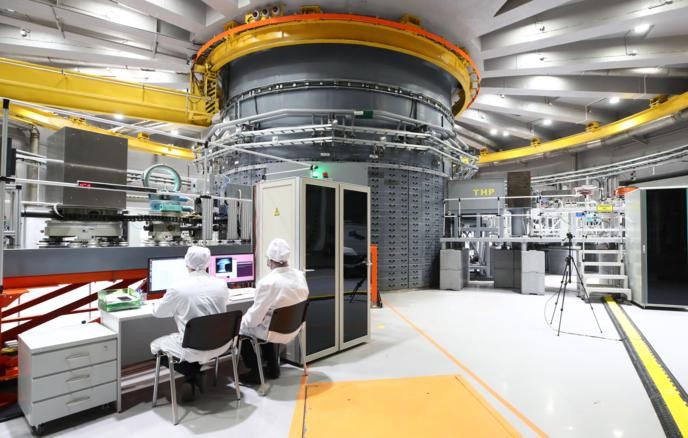
Russia Approves Chinese Academy of Sciences' Accession to International Research Organization at PIK Reactor
Mikhail Kovalchuk, Director of the Kurchatov Institute National Research Centre in Russia, recently stated that Russia has approved the Chinese Academy of Sciences' accession to the International Centre for Synchrotron Radiation, Neutron and Laser Research, which is being established around the PIK high-flux research reactor. Speaking at a meeting of the Science and Education Committee held in Novosibirsk, Kovalchuk said that three Chinese institutions have successively submitted applications to join the international organization, with the application from the Chinese Academy of Sciences having completed review and received approval. In June of this year, he had indicated that the Chinese side was interested in participating in this international research cooperation mechanism. The PIK high-flux research reactor is located in Gatchina, Russia, and was developed by the Konstantinov Petersburg Nuclear Physics Institute...
2026-08-12
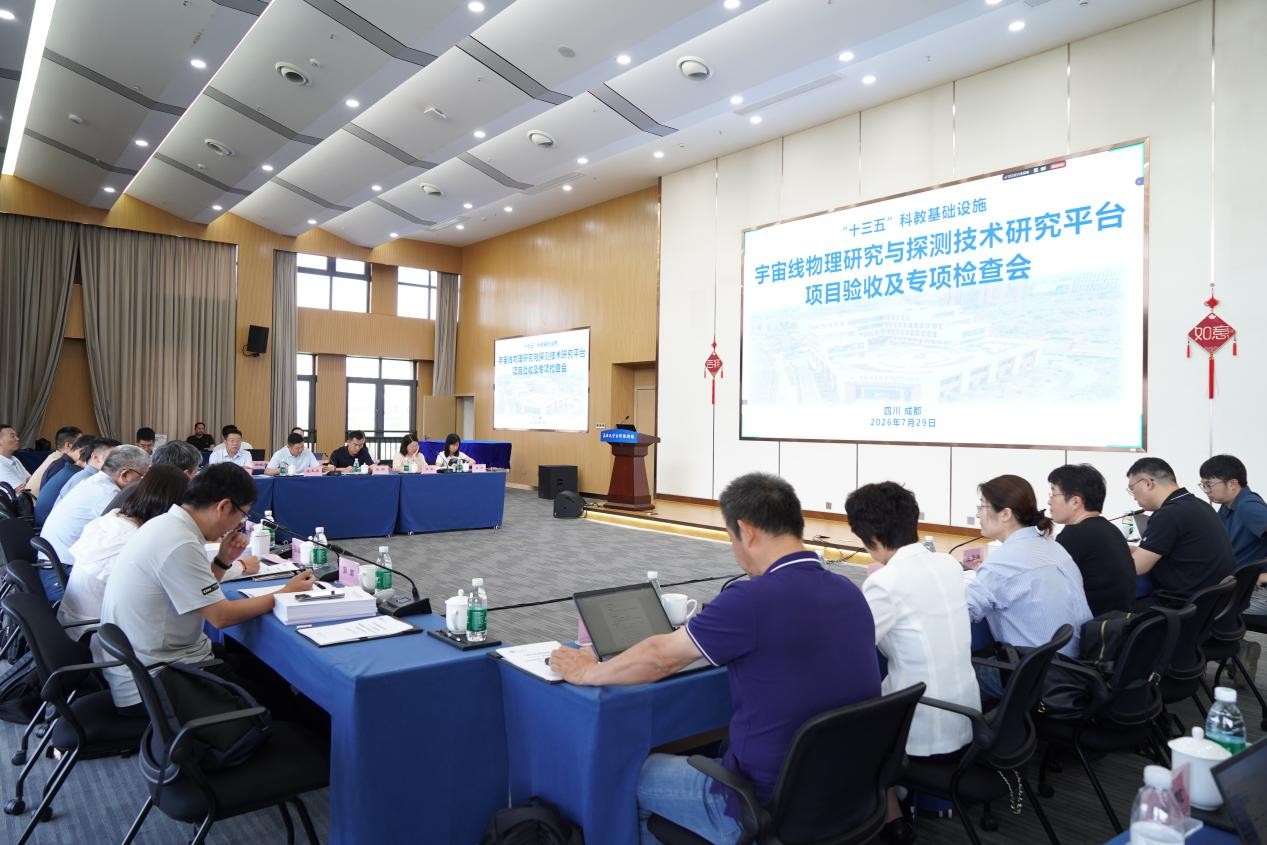
The "13th Five-Year" Science and Education Infrastructure Cosmic Ray Physics Research and Detection Technology Platform Project Passed Acceptance
On July 29, 2026, the Finance Bureau of the Chinese Academy of Sciences organized the acceptance meeting for the Cosmic Ray Physics Research and Detection Technology Platform Project (hereinafter referred to as the Research Platform). The meeting was chaired by Wei Zichao, Director of the Investment and Infrastructure Projects Division of the Academy. Tan Zhouliang, Vice President and Member of the Party Leadership Group of the Chengdu Branch of the Chinese Academy of Sciences, and Liu Congzhan, Deputy Director of the Institute of High Energy Physics of the Chinese Academy of Sciences, delivered speeches respectively. Academician Cao Zhen, Project Manager of the Research Platform, gave an overall introduction to the project construction, and Researcher Zhang Shoushan of the project team presented a summary report on the project construction. Subsequently, the acceptance expert group inspected the construction and installation works on site, verified the procurement, installation, and operation of project equipment, and verified the completion of project investment...
2026-08-11

International Team Measures Niobium-94 Neutron Reactions, Explaining Anomalous Molybdenum-94 Abundance in the Solar System
An international team of physicists has, for the first time, conducted a comprehensive study of the interactions between neutrons and the niobium-94 isotope. The findings have been published in Physical Review Letters. The study suggests that the elevated abundance of molybdenum-94 in the primordial material of the solar system can be explained by a series of neutron-involving nuclear reaction processes inside old stars, without requiring the introduction of previously unknown special formation mechanisms. The research was led by Alberto Mengoni, a researcher at the Italian National Institute for Nuclear Physics. The team conducted experiments using the n_TOF facility at CERN, focusing on tracking the interactions between neutrons and niobium-94 atoms. The n_TOF facility is used to...
2026-08-11
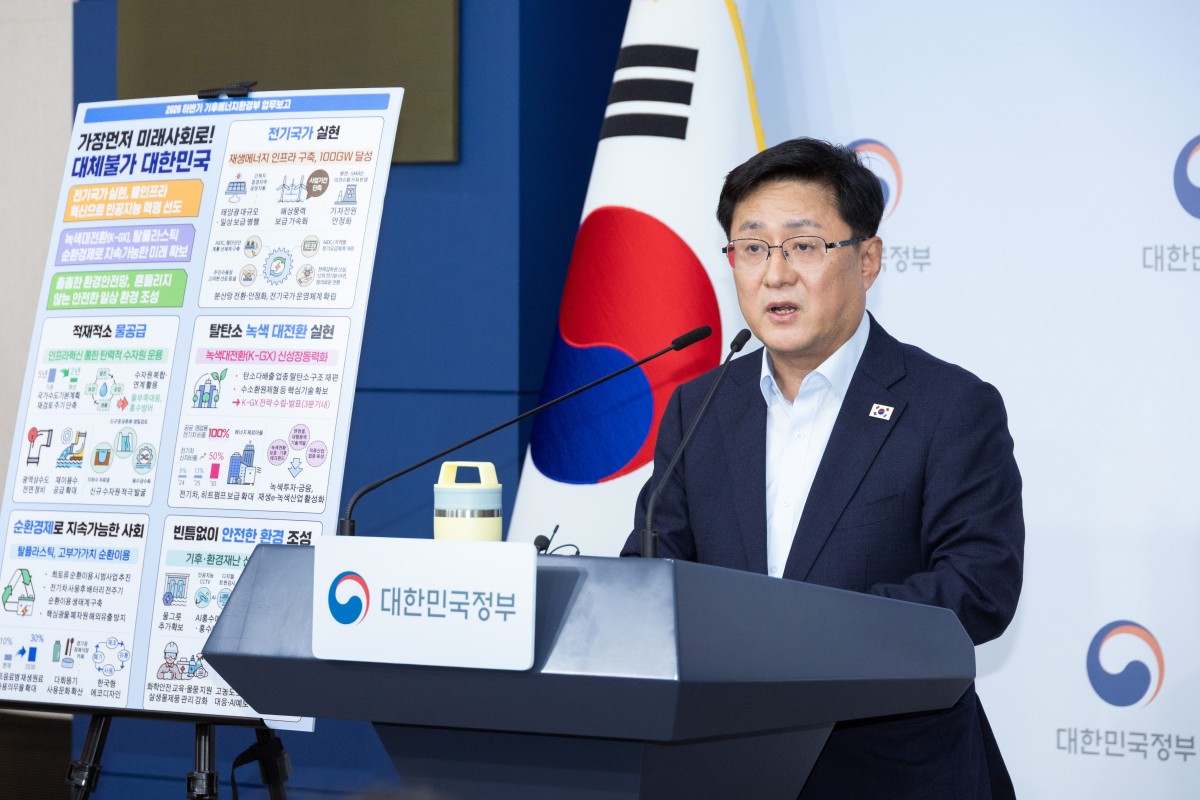
South Korea's semiconductor cluster adds about 21 GW of new power demand; government to study whether to build new nuclear units
South Korea's Minister of Climate, Energy and Environment, Kim Sung-hwan, said on the 10th that the new electricity demand from the Yongin—Hoseon semiconductor industry cluster is approximately 21 GW, equivalent to the power supply capacity of about 15 nuclear units based on an estimate of 1.4 GW per unit. The Ministry of Climate, Energy and Environment plans to seek expert and public opinions before announcing the 12th Basic Plan for Electricity Supply and Demand in October, and will decide accordingly whether to push for the construction of new nuclear units. Kim Sung-hwan stated that the electricity demand of the semiconductor industry has increased significantly compared to the past. The South Korean government has decided to raise renewable energy capacity from 78 GW to 100 GW by 2030, but whether the increase in renewable energy alone can meet the new demand still requires further assessment.
2026-08-11
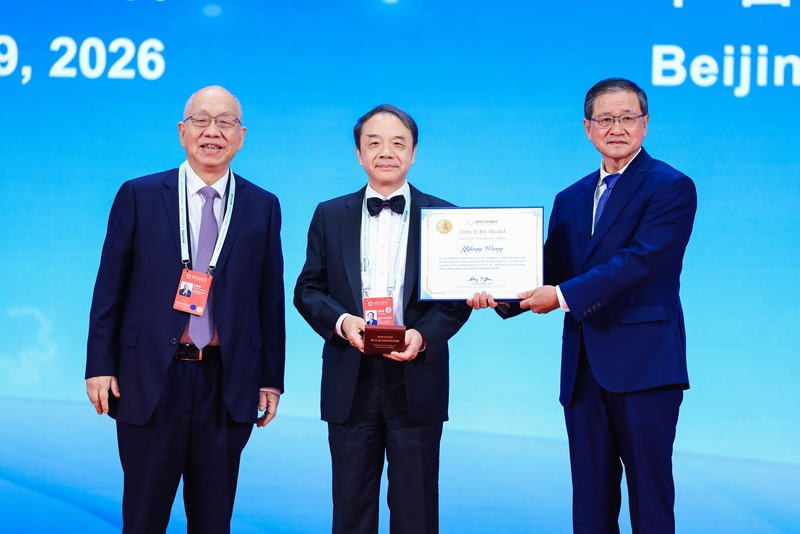
Jiangmen Neutrino Experiment Targets Mass Ordering Challenge; Wang Yifang Says Expected to Be Resolved Within 3 to 5 Years
On August 9, the 2026 International Congress of Basic Science opened in Beijing. Wang Yifang, academician of the Chinese Academy of Sciences and researcher at the Institute of High Energy Physics, Chinese Academy of Sciences, was awarded the Samuel C.C. Ting Physics Medal in recognition of his significant contributions to neutrino oscillation research, precise measurement of the mixing angle θ13, and the construction of the Jiangmen Underground Neutrino Observatory (JUNO). According to reports, the Basic Science Medal is established for scientists worldwide who have achieved groundbreaking results in basic sciences, covering three fields: mathematics, physics, and engineering. Wang Yifang's award-winning achievements include being the first to discover a new neutrino oscillation mode, first to precisely measure the mixing angle θ13, and leading the completion of the Jiangmen Neutrino Experiment...
2026-08-10
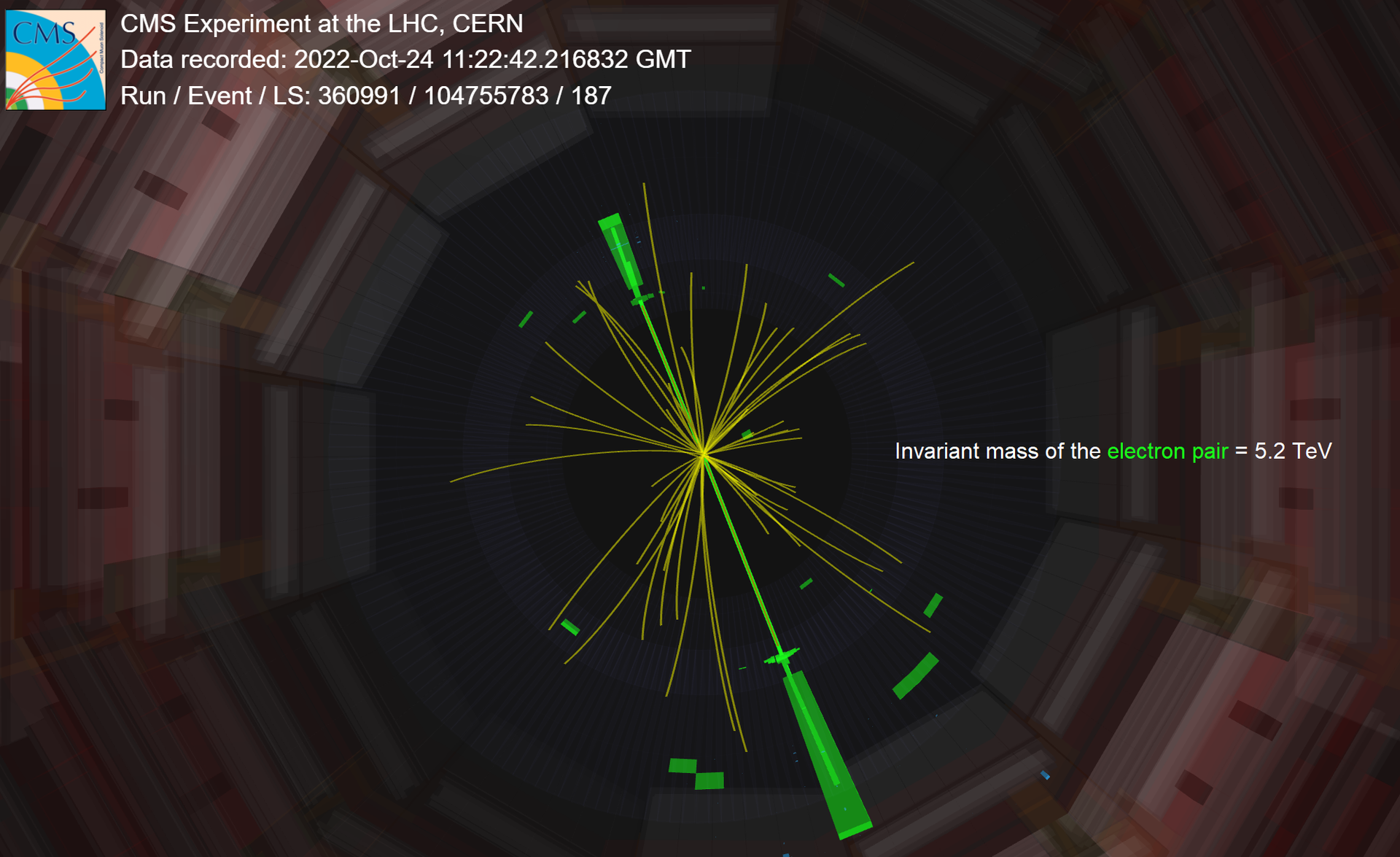
CMS records highest-energy lepton pairs to date, testing the possibility of a composite Higgs boson
The CMS experiment recently used the complete proton-proton collision dataset collected during Run 2 of the Large Hadron Collider and the first two years of Run 3, namely 2022 to 2023, to search for clues that the Higgs boson may be composed of smaller constituents. The analysis results show that the experimental data are consistent with Standard Model predictions, with no evidence pointing to new physics yet. Whether the Higgs boson is an elementary particle or a composite particle with deeper structure is a long-standing question in particle physics. To test this possibility, the CMS team adopted two complementary approaches: on one hand, directly searching for new heavy particles that could be produced at the Large Hadron Collider; on the other hand, indirectly probing the effects of new particles with higher masses that are difficult to produce directly through subtle deviations in high-energy electron pair and muon pair production processes.
2026-08-10
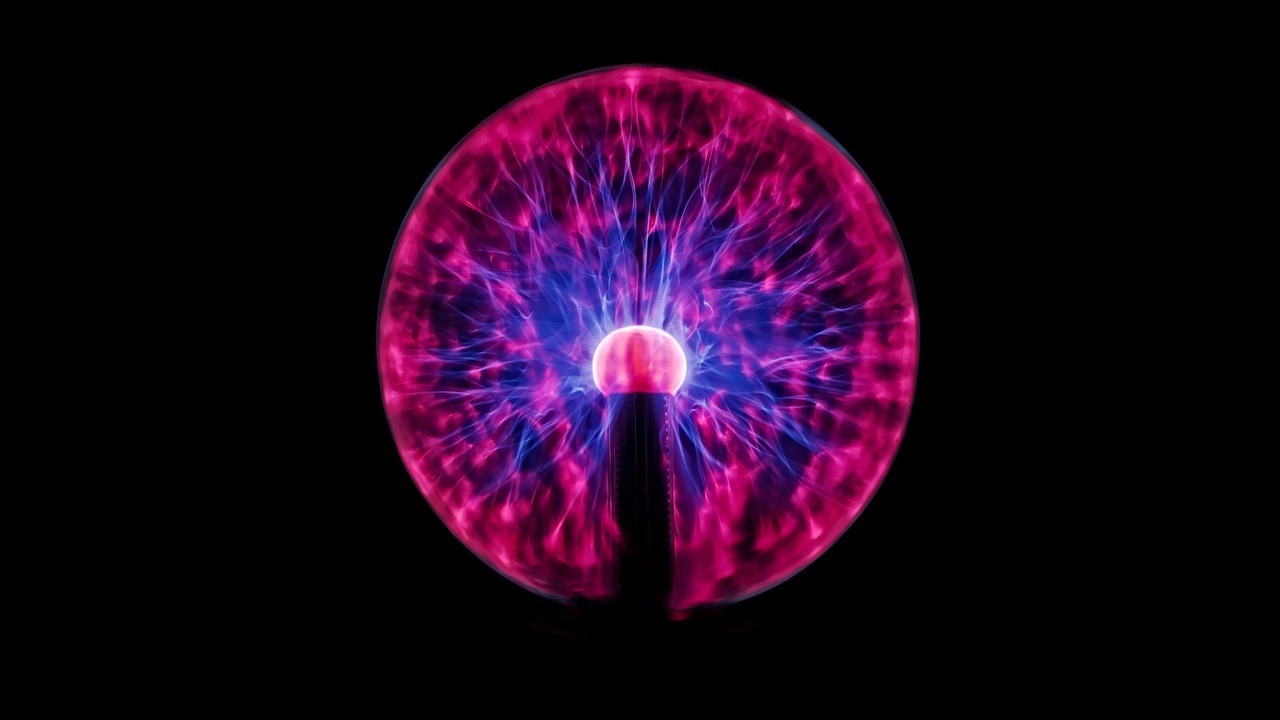
Russian University Proposes Rapid Simulation Method for Plasma Ion Parameters
Researchers from the HSE University and the Moscow Institute of Physics and Technology have developed a simple analytical method for calculating the behavior of heavy ions in helium under strong electric fields. The findings have been published in Physica Scripta. Plasma is a gas composed of charged particles such as electrons, negative ions, and positive ions, typically quasi-neutral and highly conductive. In addition to fluorescent lamps and welding arcs, plasma also exists in controlled nuclear fusion devices such as tokamaks. Atmospheric plasma jets can also be used for wound disinfection, work surface cleaning, and improving crop seed performance. In plasma jet research, scientists...
2026-08-10
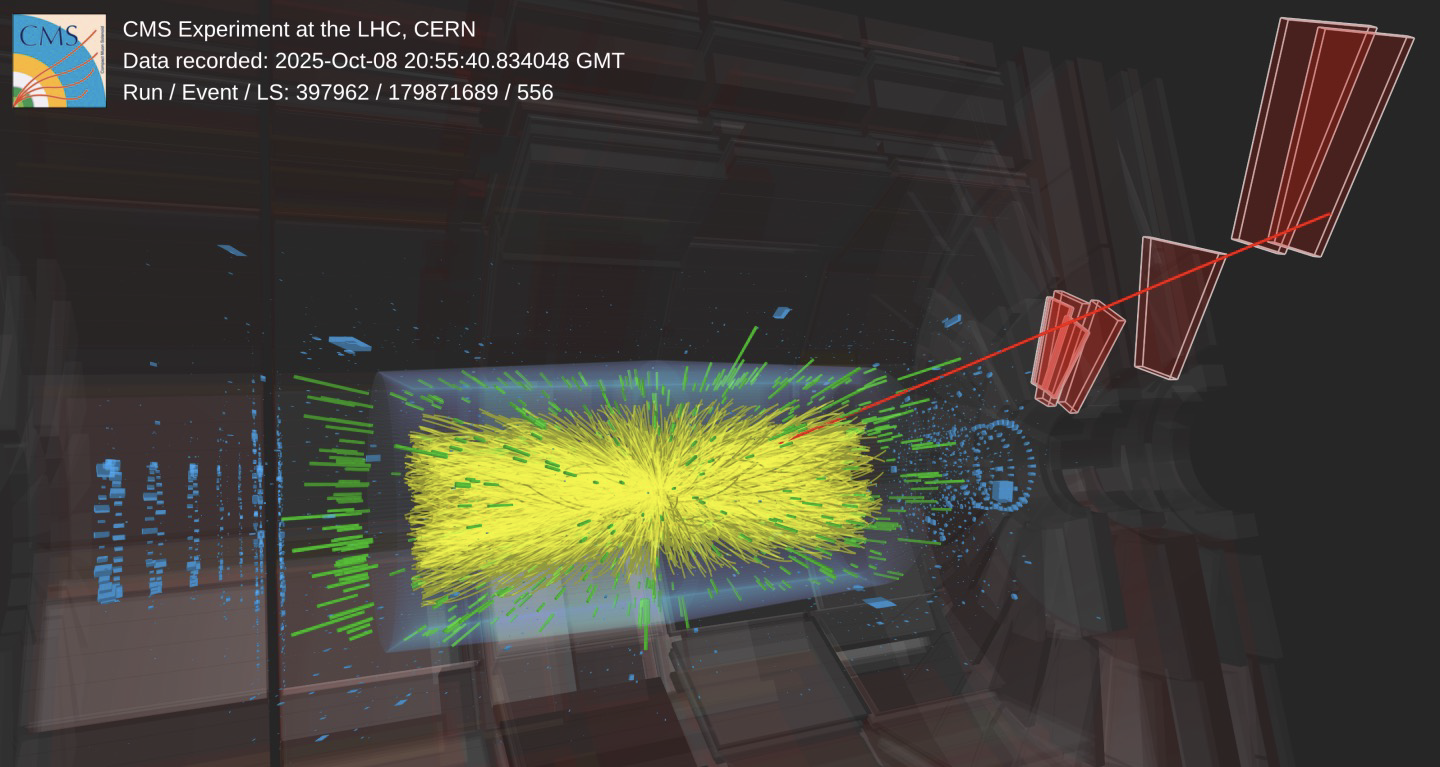
CMS completes high-pileup collision test, validating particle reconstruction algorithms for High-Luminosity LHC operation
In 2025, the Large Hadron Collider (LHC) conducted a dedicated test over several days to simulate high-intensity collision conditions closer to those expected during future operation of the High-Luminosity Large Hadron Collider (HL-LHC). The Compact Muon Solenoid (CMS) experiment team used this opportunity to test whether existing particle tracking, identification, and reconstruction software, along with a new class of machine learning methods, can adapt to the more complex collision conditions of the HL-LHC era. During LHC operation, each crossing of proton beams produces multiple proton–proton collisions simultaneously, a phenomenon known as pileup. The current Run 3 features approximately 65 simultaneous interactions, while the HL-LHC is expected to reach 140 to 200. To...
2026-08-10
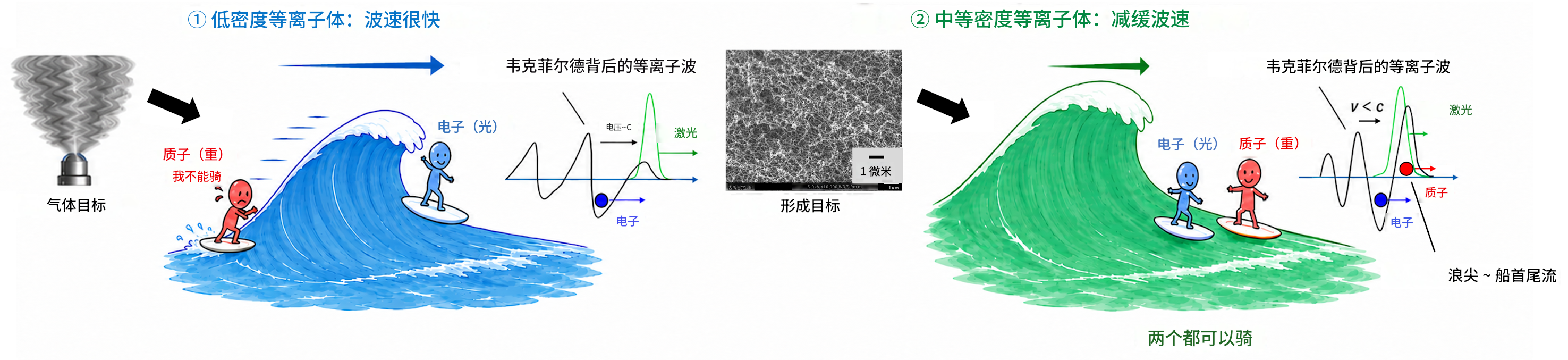
Japanese research team demonstrates ion wakefield acceleration for the first time, accelerating protons to a maximum of 60 MeV
Kyushu University, the National Institutes for Quantum Science and Technology (QST), and Osaka University recently announced jointly that the research team used high-intensity laser irradiation on a foam target to experimentally demonstrate the ion wakefield acceleration mechanism for the first time, providing a new experimental foundation for research on next-generation laser-driven ion accelerators. The results were published in *Communications Physics* on August 3, Japan time. According to the report, the research aims to reproduce physical processes similar to high-energy particle acceleration in space within a laboratory setting. Traditional high-energy accelerators typically require long acceleration tubes or large ring-shaped facilities, while the strong electric fields generated by plasma waves are considered promising for advancing accelerator miniaturization. However, compared with electrons, protons and ions...
2026-08-10
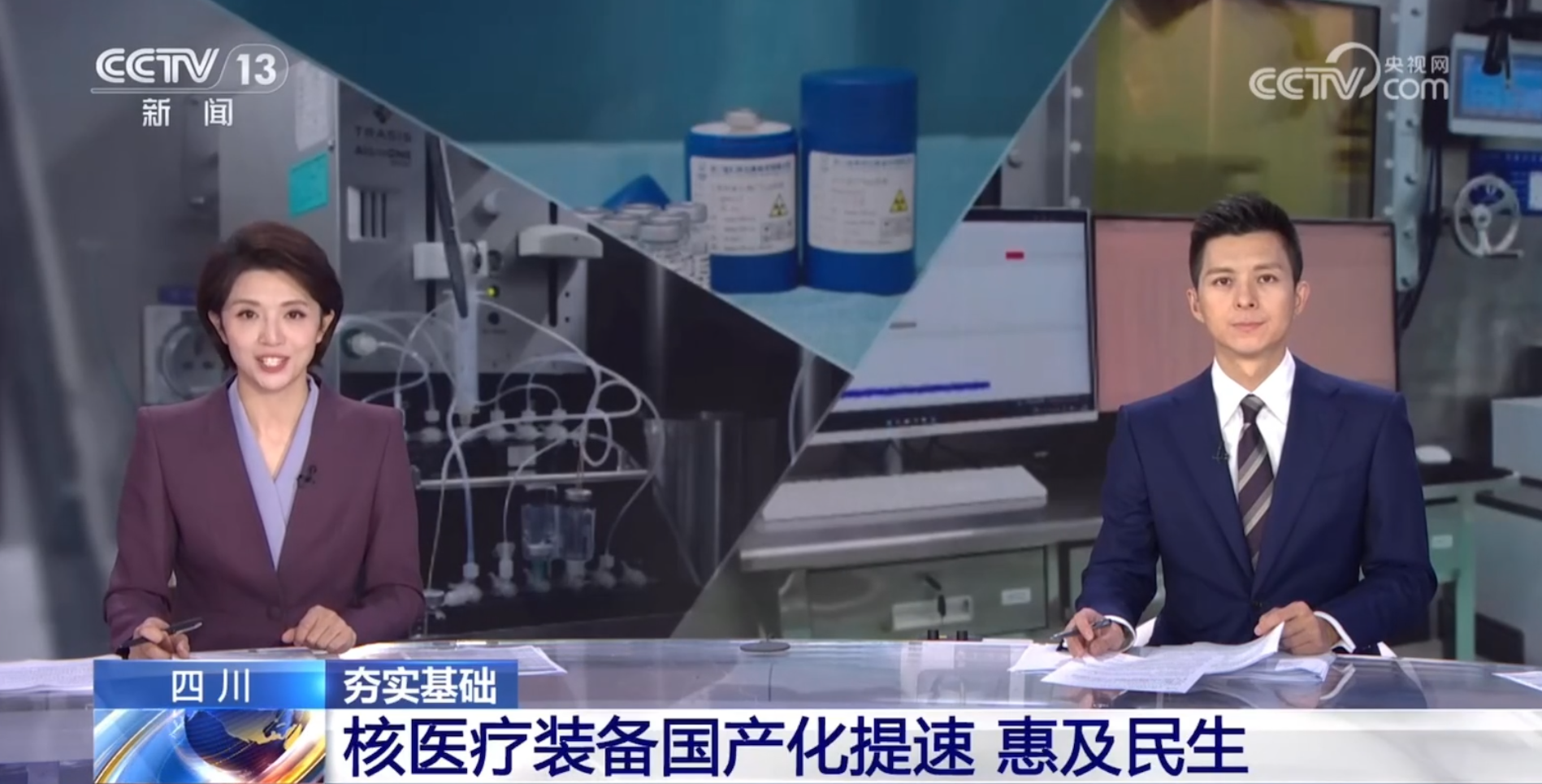
Consolidating Foundations·Sichuan: Accelerated Localization of Nuclear Medical Equipment Benefits the Public
On August 9, 2026, CCTV's "Morning News" program aired a feature titled "Consolidating Foundations·Sichuan: Accelerated Localization of Nuclear Medical Equipment Benefits the Public," reporting on Jiuyiyuan Company. Founded in February 2017, Sichuan Jiuyiyuan Particle Technology Co., Ltd. is a national high-tech enterprise integrating R&D, production, and services of high-end nuclear medical equipment, committed to providing overall solutions for radiopharmaceuticals. A cyclotron is a device that uses magnetic and electric fields to drive charged particles in a circular motion, repeatedly accelerating them via high-frequency electric fields during their movement. Low- and medium-energy cyclotrons applied in the medical field are devices that produce positron-emitting radionuclides, generating a variety of radionuclides that not only meet clinical PET/CT examination needs but also support the clinical positron drug and new drug development demands of the molecular imaging and precision medicine era. The report noted that core nuclear medicine equipment has long relied on imports, which is a key bottleneck constraining the development of nuclear medicine in China. In 2021, Jiuyiyuan successfully developed the first domestically produced medical cyclotron, breaking foreign technological monopoly. In June this year, the company launched the first domestically produced 30MeV multi-particle medium-to-high-energy cyclotron with fully independent intellectual property rights, with mass production planned for September, achieving internationally advanced product performance.
2026-08-10
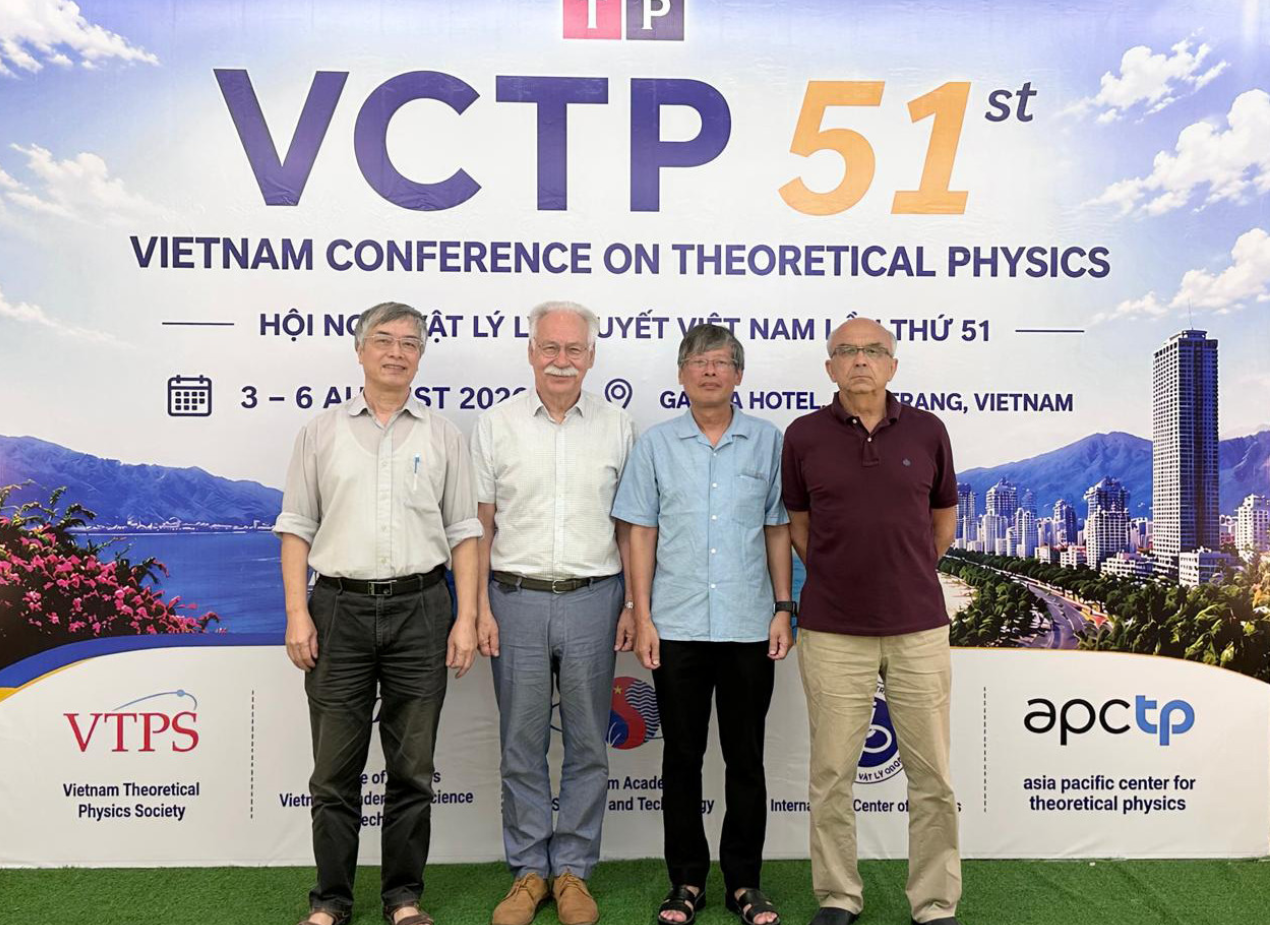
JINR delegation participates in the 51st Vietnam Conference on Theoretical Physics
From August 3 to 6, the 51st Vietnam Conference on Theoretical Physics (VCTP-51) was held in Nha Trang, Vietnam. A delegation of researchers from the Bogoliubov Laboratory of Theoretical Physics and the Laboratory of Information Technologies of the Joint Institute for Nuclear Research attended the conference, engaging in exchanges with more than 170 scholars from Vietnam, Germany, India, China, Pakistan, Russia, Taiwan, the Philippines, Japan, and other countries and regions. The conference topics covered multiple frontier directions in theoretical physics, including high-energy physics, nuclear physics, condensed matter physics, and cosmology, as well as interdisciplinary research areas such as physics beyond the Standard Model, molecular physics, quantum optics and quantum information, biomaterials, and biomolecules. The broad agenda...
2026-08-08

DUNE Integrates Artificial Intelligence into Neutrino Experiment to Enhance Particle Detection and Data Processing Capabilities
The team at the U.S. Fermi National Accelerator Laboratory is advancing the Deep Underground Neutrino Experiment (DUNE) by integrating artificial intelligence and machine learning tools into experiment design, detector operations, and data analysis workflows, aiming to improve neutrino interaction identification, event classification, and detector management capabilities. Located at the Long-Baseline Neutrino Facility, DUNE has begun installing structural components for its large neutrino detector modules. The experiment consists of a near detector and a far detector: the near detector is situated at Fermilab, while the far detector is located approximately one mile underground at the Sanford Underground Research Facility in South Dakota. Both detectors will employ liquid argon time projection chamber technology to record neutrino...
2026-08-07