
Search Results
Keyword:SiC
U.S. Department of Energy Extends Princeton University Contract to Operate PPPL
The U.S. Department of Energy (DOE) and Princeton University have extended the contract under which Princeton University manages and operates the Princeton Plasma Physics Laboratory (PPPL). The laboratory is located on Princeton University's Forrestal Campus in Plainsboro, New Jersey. Under the new extension, the contract will be renewed for five years starting April 1, 2027. Princeton University expects to strengthen collaboration with faculty and research teams on campus during the contract period, explore next-generation fusion energy research facilities, and enhance laboratory infrastructure and safety to support ongoing operational needs. Princeton University's office for research affairs...
2026-08-25
Ketterle Team: "Neutrino Laser" Based on Quantum-Entangled Atomic Clouds Theoretically Infeasible
Nobel laureate Wolfgang Ketterle and his team have conducted a theoretical examination of a neutrino laser concept and concluded that the scheme is fundamentally difficult to realize. The research findings have been published in *Physical Review Letters*. The concept was previously proposed by American physicists, with the core idea being the use of rubidium-87 atomic clouds or other unstable isotopes, placing them into specific quantum states to generate highly directional neutrino beams. According to the concept, if a neutrino source analogous to a laser could be constructed, it would help accelerate neutrino mass measurements and advance observational studies of the interconversion phenomena among different types of neutrinos. The Ketterle team's key focus this time was whether a large number of atoms could cooperatively emit neutrinos and other fermions, similar to the synchronized release of photons in a conventional laser.
2026-08-25
Large-area pixel detector independently developed by the Institute of High Energy Physics, Chinese Academy of Sciences completes long-term online operation validation
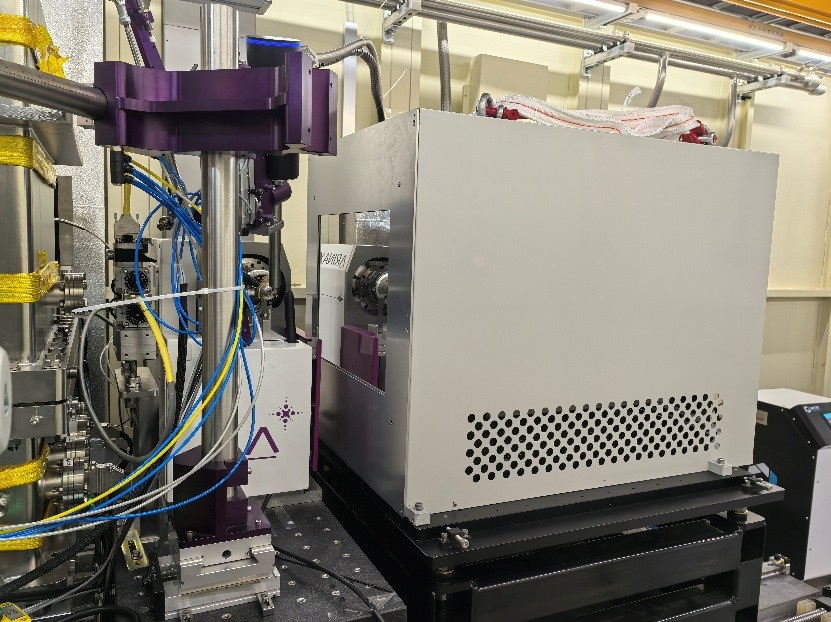
Recently, the 6-megapixel large-area two-dimensional pixel array detector independently developed by the detector R&D team of the High Energy Photon Source (HEPS) at the Institute of High Energy Physics, Chinese Academy of Sciences, completed long-term online operation validation. Since its deployment for trial operation at the HEPS Biological Macromolecular Microcrystal Diffraction Beamline in October 2025, it has supported nearly 90 research projects from over 50 research groups as of June 30, 2026. During the trial operation period, the detector accumulated more than 2,000 hours of operation with stable, uninterrupted performance. The beamline and detector teams conducted joint commissioning and optimization, verifying its operational stability and data reliability under complex working conditions. Leveraging the high-quality data collected by this detector, some...
2026-08-24
Russian Scientists Propose New Scheme for Measuring Proton and Deuteron Electric Dipole Moments in a Single Storage Ring
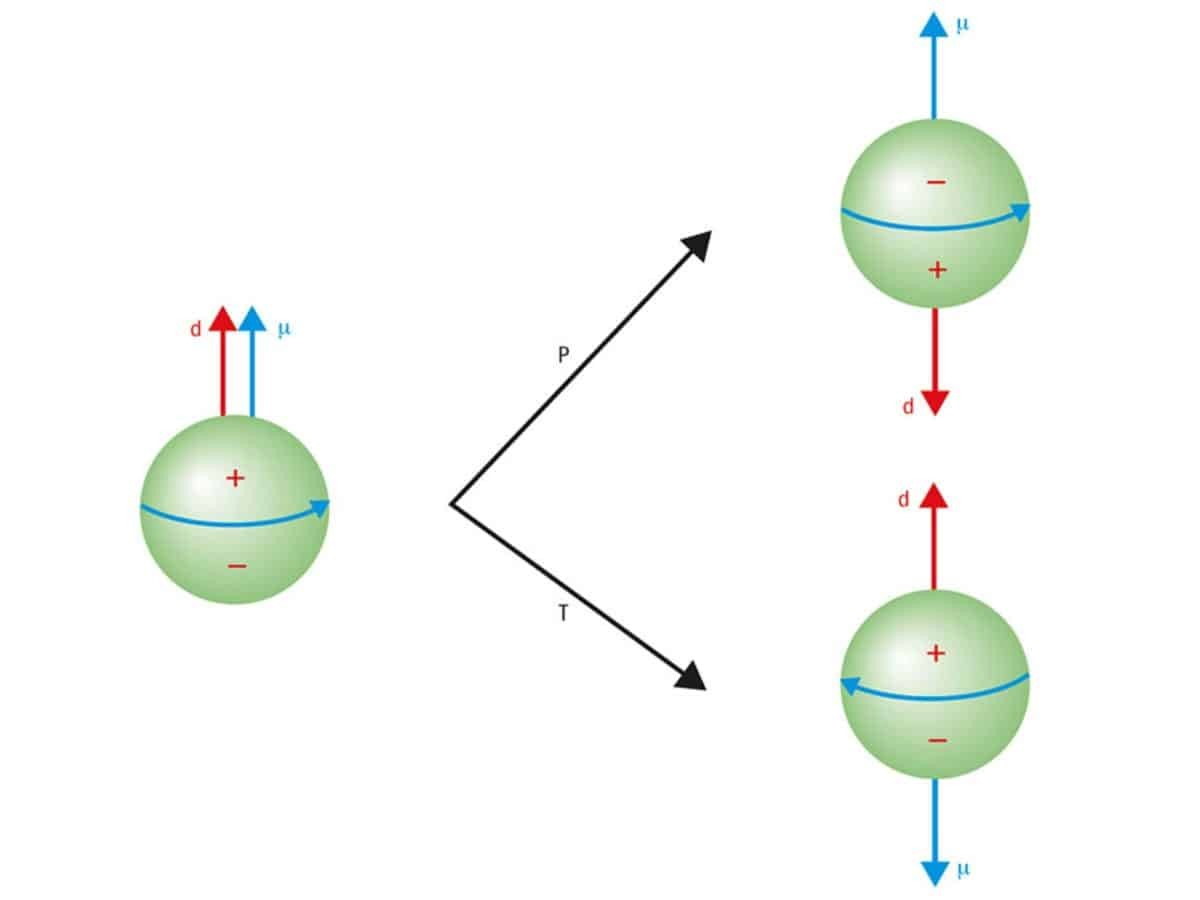
August 21 news, researchers from the Moscow Institute of Physics and Technology, the Institute for Nuclear Research of the Russian Academy of Sciences, the National Research Nuclear University MEPhI, and the Landau Institute for Theoretical Physics of the Russian Academy of Sciences have proposed a new experimental scheme to study the electric dipole moments of protons and deuterons in a single storage ring. The scheme can be implemented both in specially constructed new facilities and, potentially, in upgraded existing accelerator complexes. The electric dipole moments of protons and deuterons reflect the asymmetry of the internal charge distribution relative to the spin direction. According to Standard Model predictions, their values are non-zero but extremely small, on the order of 10⁻³¹ e·cm, far below current experimental sensitivity...
2026-08-24
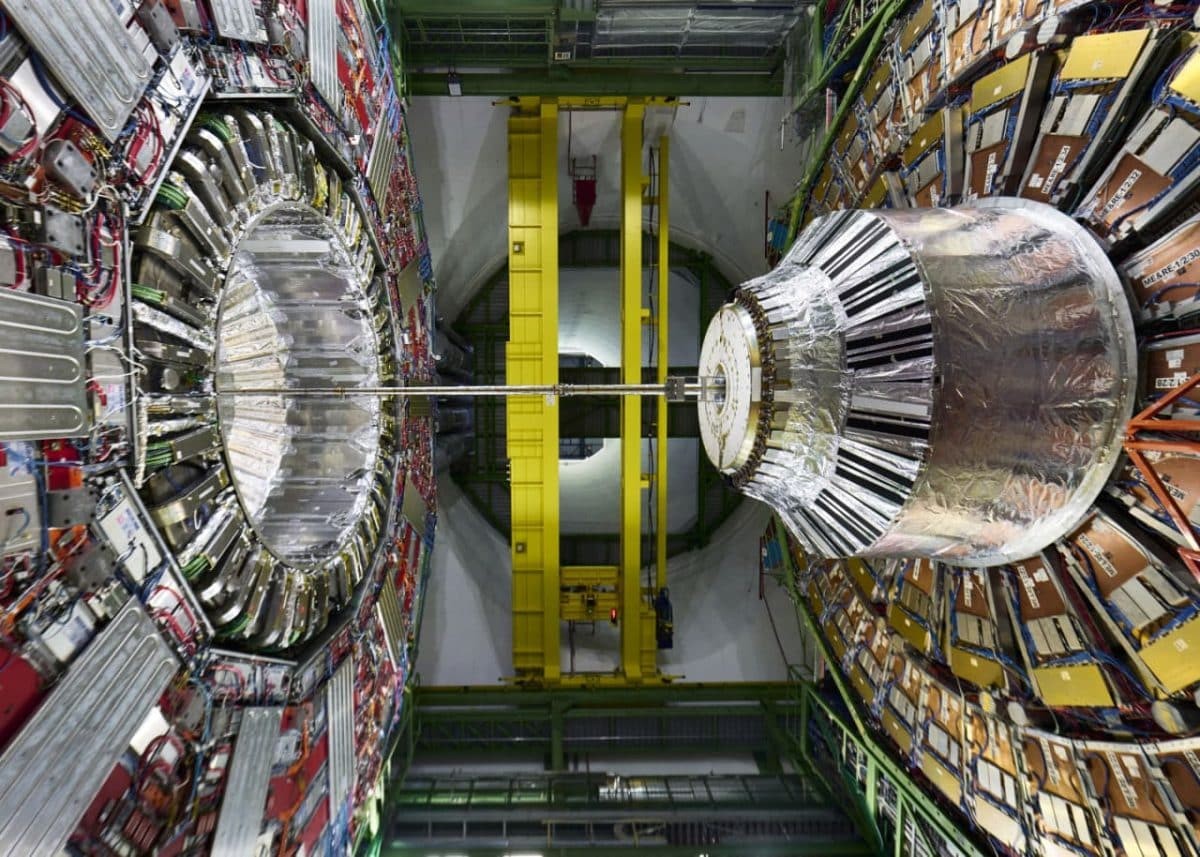
CERN Large Hadron Collider Data Challenge Models of Oxygen and Neon Nucleus Structure
Physicists at the European Organization for Nuclear Research (CERN), analyzing a new batch of collision data from the CMS detector at the Large Hadron Collider, have found that oxygen and neon nuclei do not behave entirely as predicted by existing models in high-energy collisions. This result indicates that the scientific community's understanding of the shapes and internal structures of certain light nuclei still requires further refinement. In high-energy nuclear collisions, a quark-gluon plasma is briefly formed in the collision region. This state of matter decays rapidly, but the collective flow characteristics of its particles can be used to infer the collision geometry and indirectly provide information about nuclear structure. Researchers believe that symmetric collisions of light ions help better control the initial collision conditions, making them suitable for studying collective responses in small systems.
2026-08-24
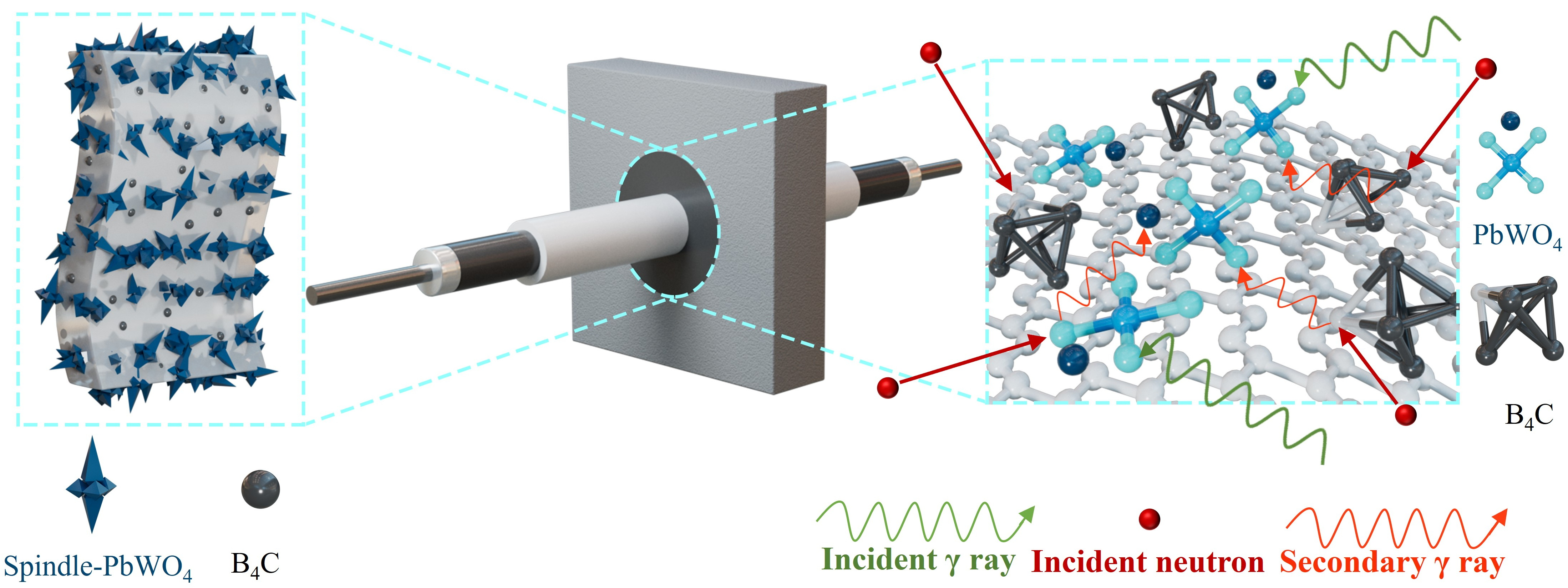
Progress in Tritium Containment and Radiation Protection Materials Research at the Institute of Plasma Physics, Chinese Academy of Sciences
Recently, Associate Researcher Huo Zhipeng of the Fusion Reactor Blanket and Safety Research Center at the Institute of Plasma Physics, Chinese Academy of Sciences, together with his supervised master's students Zhang Jie and Chen Zuoyang, developed a class of flexible PbWO4-B4C reinforced silicone rubber composites with dual functions of tritium safety containment and nuclear radiation protection. The related research results were published in Journal of Materials Research and Technology. Future fusion facilities require comprehensive performance from radiation protection materials in tritium safety containment systems, including airtight sealing, flexibility for easy assembly and disassembly, and radiation shielding capability, for penetration hole sealing, post-maintenance, and high-flux neutron and γ-ray radiation protection. The research...
2026-08-21
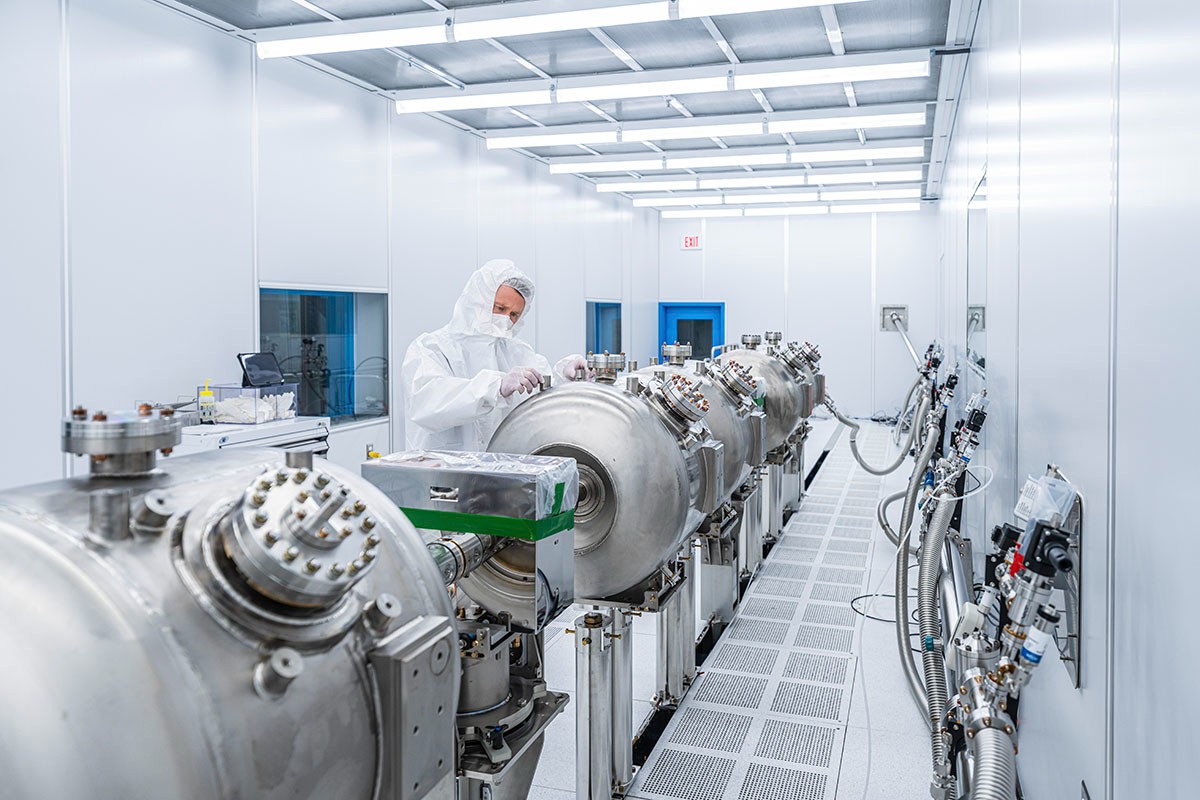
U.S. Department of Energy Selects Fermilab to Lead AI Project to Enhance Superconducting Radio-Frequency Cavity Control in Particle Accelerators
The U.S. Department of Energy's Genesis Program recently selected an artificial intelligence project led by Fermi National Accelerator Laboratory, supporting its collaboration with national laboratories, universities, and industry to use AI and machine learning technologies to improve resonance control in particle accelerators. The project aims to enhance accelerator operational performance and beam stability while reducing energy consumption and operating costs. Superconducting radio-frequency cavities are being assembled and tested, ready for installation on the Proton Improvement Plan-II at the Fermilab Accelerator Complex. By finely tuning the resonant frequency of the cavities, scientists can optimize acc...
2026-08-21
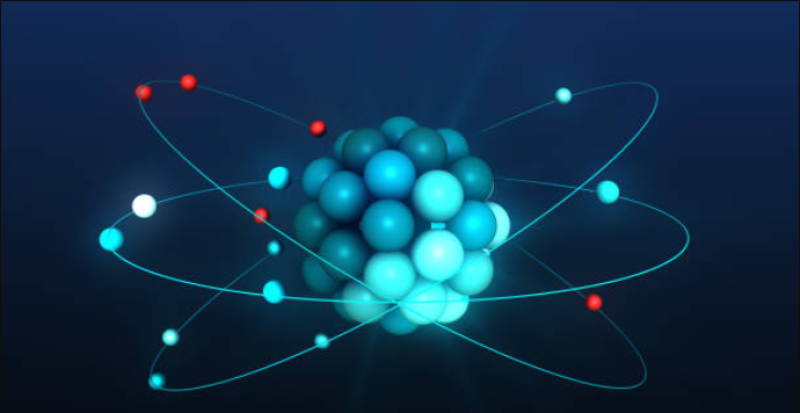
Large Hadron Collider experiments reveal neon nucleus may be bowling-pin shaped
A recent experimental result from the Large Hadron Collider at CERN suggests that the internal structure of the neon-20 nucleus may not be approximately spherical as commonly depicted in traditional textbooks, but rather closer to a "bowling pin" shape. This finding provides new experimental clues for studying deformation of light atomic nuclei and collective behavior in high-energy nuclear collisions. Atomic nuclei are composed of protons and neutrons, determining the elemental identity of atoms and carrying most of their mass. Although nuclei are often simplistically depicted as spherical, nuclear physics research has shown that some nuclei exhibit pronounced non-spherical deformation, such as the pear-shaped nuclei mentioned in previous studies. Accurately understanding these shapes helps physicists...
2026-08-21
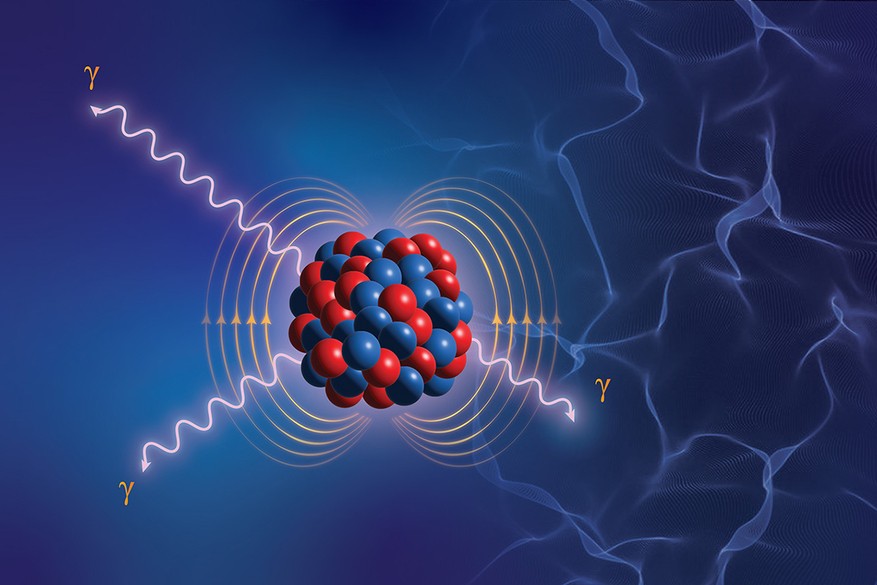
US FRIB Experiment Reveals Magnetic Origin of Anomalous Low-Energy Gamma-Ray Enhancement
According to an August 21 announcement from Lawrence Livermore National Laboratory, a new study led by the U.S. Facility for Rare Isotope Beams (FRIB) with participation from researchers at Lawrence Livermore National Laboratory and other institutions has provided a new experimental explanation for the long-standing low-energy enhancement phenomenon in nuclear physics. The findings were published in the journal Nature. An experiment at the Facility for Rare Isotope Beams (FRIB) has yielded new results, answering a fundamental question about nuclear structure. (Image: FRIB) Gamma rays are a form of electromagnetic radiation. When an excited nucleus loses energy during radioactive decay and transitions to a lower, more stable energy level, it emits gamma rays. Over the past few decades, scientists have discovered that certain nuclei emit anomalously large numbers of low-energy gamma rays, but this phenomenon does not occur in all nuclei, and its occurrence conditions have been difficult to predict reliably in theory.
2026-08-21
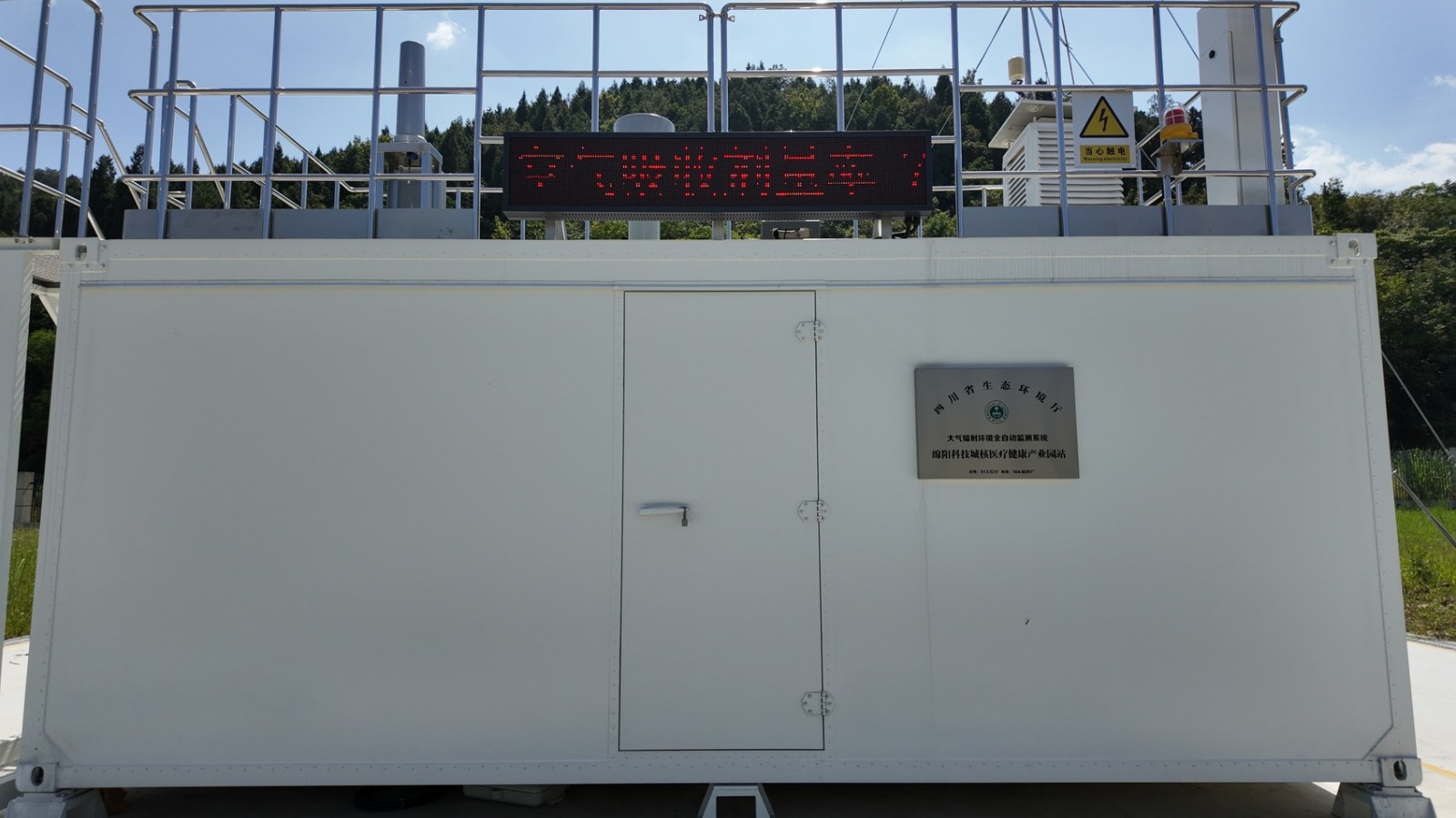
Automatic Radiation Environment Monitoring Station in Mianyang, Sichuan Put into Trial Operation, with Core Equipment and Systems Achieving Domestic Localization
Recently, the automatic radiation environment monitoring station located within the Nuclear Medical Health Industrial Park of the China (Mianyang) Science and Technology City was officially put into trial operation. As the first automatic radiation environment monitoring station in Sichuan Province to fully achieve domestic localization of core equipment and systems, it will provide radiation environment safety assurance for the development of the nuclear medical industry in the park through 24-hour uninterrupted automatic monitoring capabilities. At the automatic radiation environment monitoring station, operational data from equipment such as environmental γ dose rate monitors are updated in real time on monitoring screens. Compared with the previous approach that relied on manual on-site sampling and batch laboratory analysis, the automatic station enables continuous monitoring, reducing the time required to produce monitoring results from several days to the same day, thereby improving...
2026-08-20
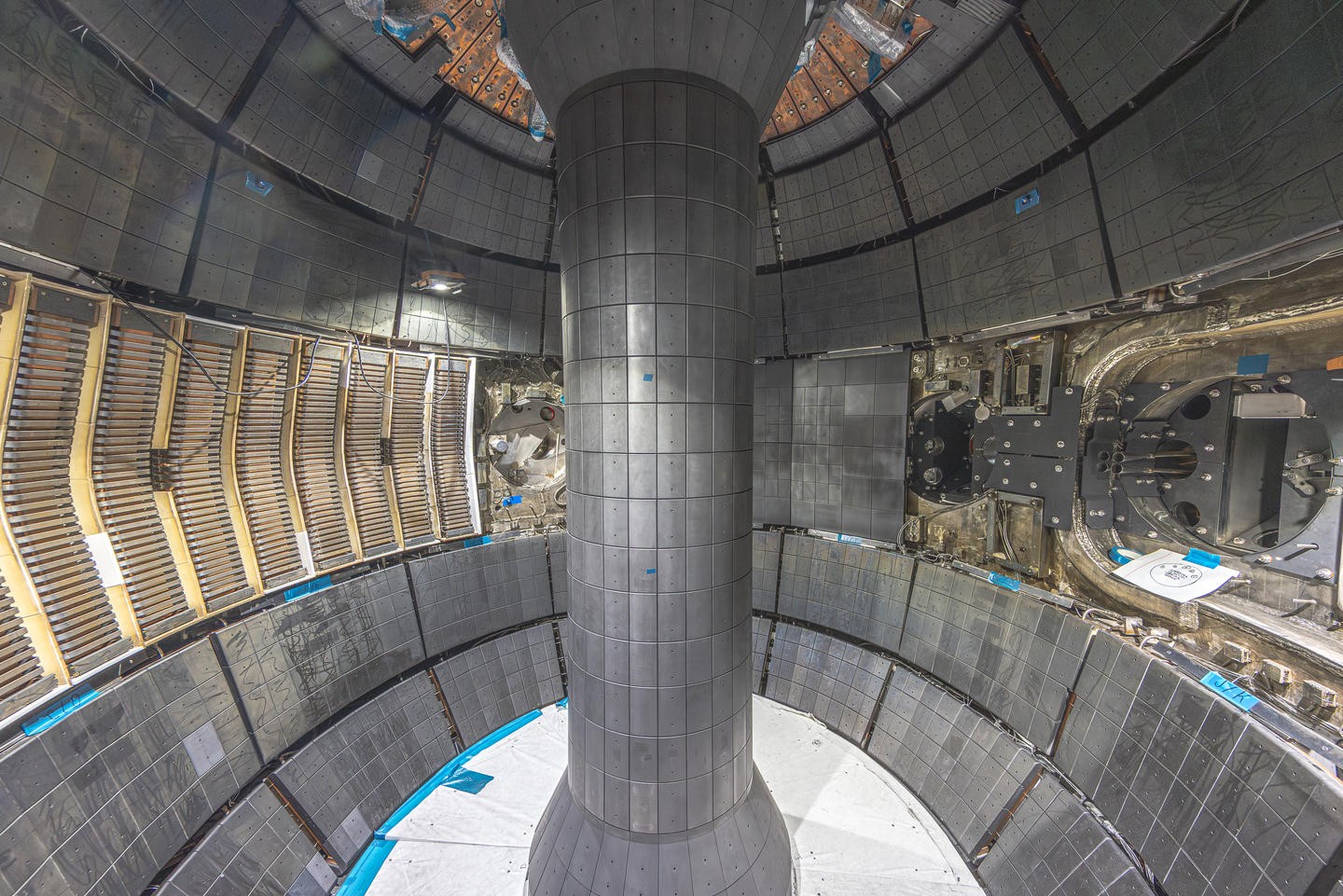
Princeton Plasma Physics Laboratory to Validate Spherical Tokamak Fusion Path with NSTX-U
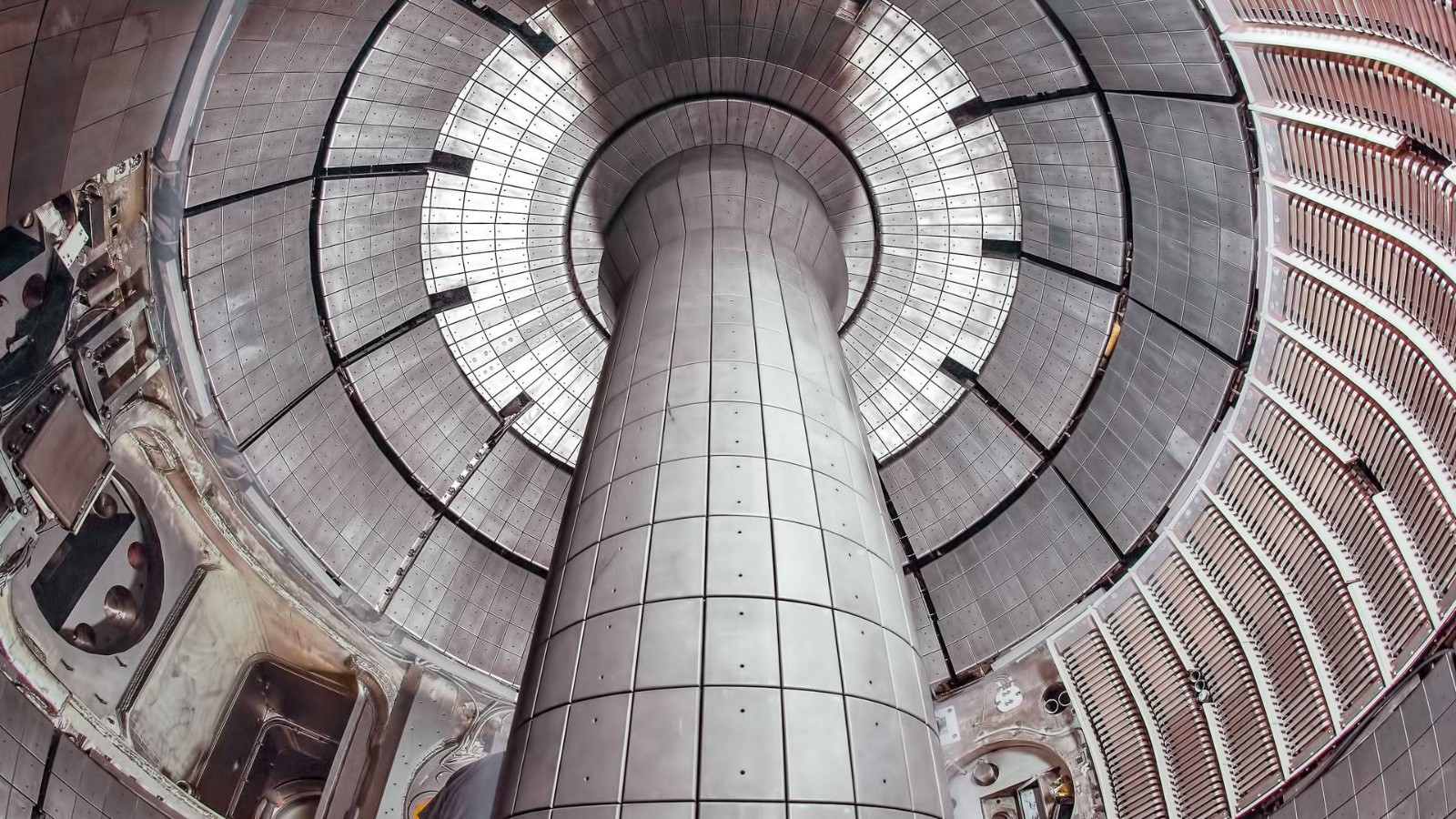
The Princeton Plasma Physics Laboratory (PPPL) is advancing research on the National Spherical Torus Experiment-Upgrade (NSTX-U), planning to use this largest spherical tokamak in the United States to assess the potential of compact tokamak configurations for future fusion power plants. The device is designed to become one of the most powerful spherical tokamaks in the world and will be used to study key issues such as high-temperature plasma confinement, heat transport, material performance, and real-time control. The image above shows the vacuum vessel and center column of the NSTX-U at the Princeton Plasma Physics Laboratory (PPPL). This device will help scientists determine the optimal shape for future fusion power plants...
2026-08-20
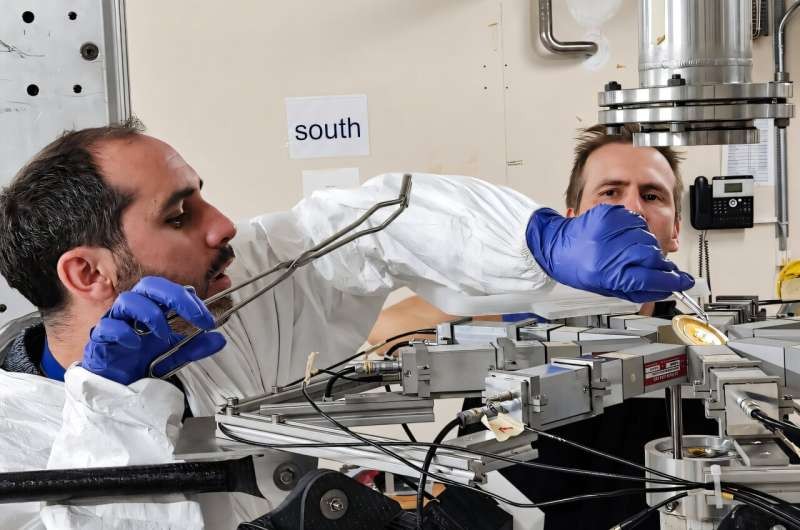
CERN measures niobium-94 neutron capture for the first time, shedding new light on the mystery of molybdenum abundance in ancient stardust
The n_TOF collaboration at CERN recently reported that researchers have for the first time measured the probability of neutron capture by niobium-94. The results, published in Physical Review Letters, provide new experimental evidence for explaining the anomalous abundance of molybdenum-94 in presolar grains. The EAR2 facility in the n_TOF experiment at CERN produces intense neutron beams, opening new possibilities for nuclear research. Credit: CERN Niobium-94 is a niobium isotope containing 41 protons and 53 neutrons, occupying a critical juncture in the nuclear reaction chain that produces heavy elements in dying stars. Researchers are interested in it because niobium-94 is very close to molybdenum-94, differing by just one fewer proton and one more neutron. Under the high-temperature, high-pressure conditions inside stars, niobium-94 may either transform into molybdenum-94 through beta decay or form niobium-95 through neutron capture. The competition between these two reaction pathways directly affects scientists' understanding of the origin of molybdenum-94.
2026-08-20
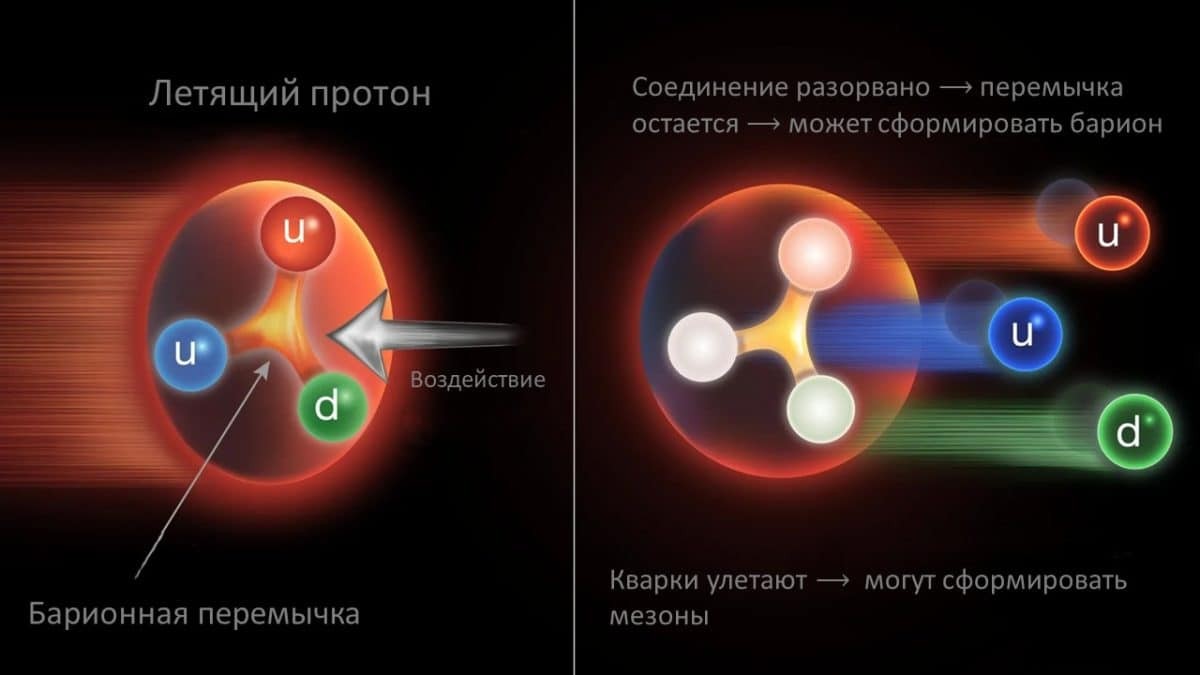
RHIC Collision Data Provides New Evidence for the Existence of the "Baryon Bridge"
August 18 news, an international team of physicists, by analyzing nuclear collision data from the STAR detector at the Relativistic Heavy Ion Collider (RHIC), has presented strong evidence that baryon number may not be carried directly by quarks, but rather transmitted by a baryon bridge formed by gluons inside protons. The related paper has been published in the journal Science. Valerie A. Lentz, Brookhaven National Laboratory Baryons, including protons and neutrons, are generally considered to be composed of three quarks. In the existing understanding, the baryon number is viewed as being uniformly distributed among the three quarks. Meanwhile, gluons also exist inside protons; they are the carriers of the strong interaction. According to the description of quantum chromodynamics, gluons may form a Y-shaped structure known as a "baryon junction" or "gluon bridge" within the proton, but this structure has long lacked direct experimental evidence.
2026-08-19

South Korea Has Not Yet Decided Whether to Include New Nuclear Power in the 12th Basic Plan for Electricity Supply and Demand
South Korea's Minister of Climate, Energy and Environment, Kim Sung-hwan, said during a meeting with reporters at the Sejong Government Complex on August 18 that the government has not yet reached a conclusion on whether to include new nuclear power plants in the 12th Basic Plan for Electricity Supply and Demand. Kim said that government policy cannot be determined solely by the personal will of the minister in charge, and it is not appropriate to make premature statements at this stage. He emphasized that related matters will be decided after going through the necessary deliberation process. Regarding whether nuclear power will be included in the 12th Basic Plan for Electricity Supply and Demand, the government plans to clarify the direction of discussion as soon as possible, including how public opinions will be reflected, how the review procedures involving experts and public participation will be structured, and what methods will be used to conduct debates or public discussions before the plan is released...
2026-08-19
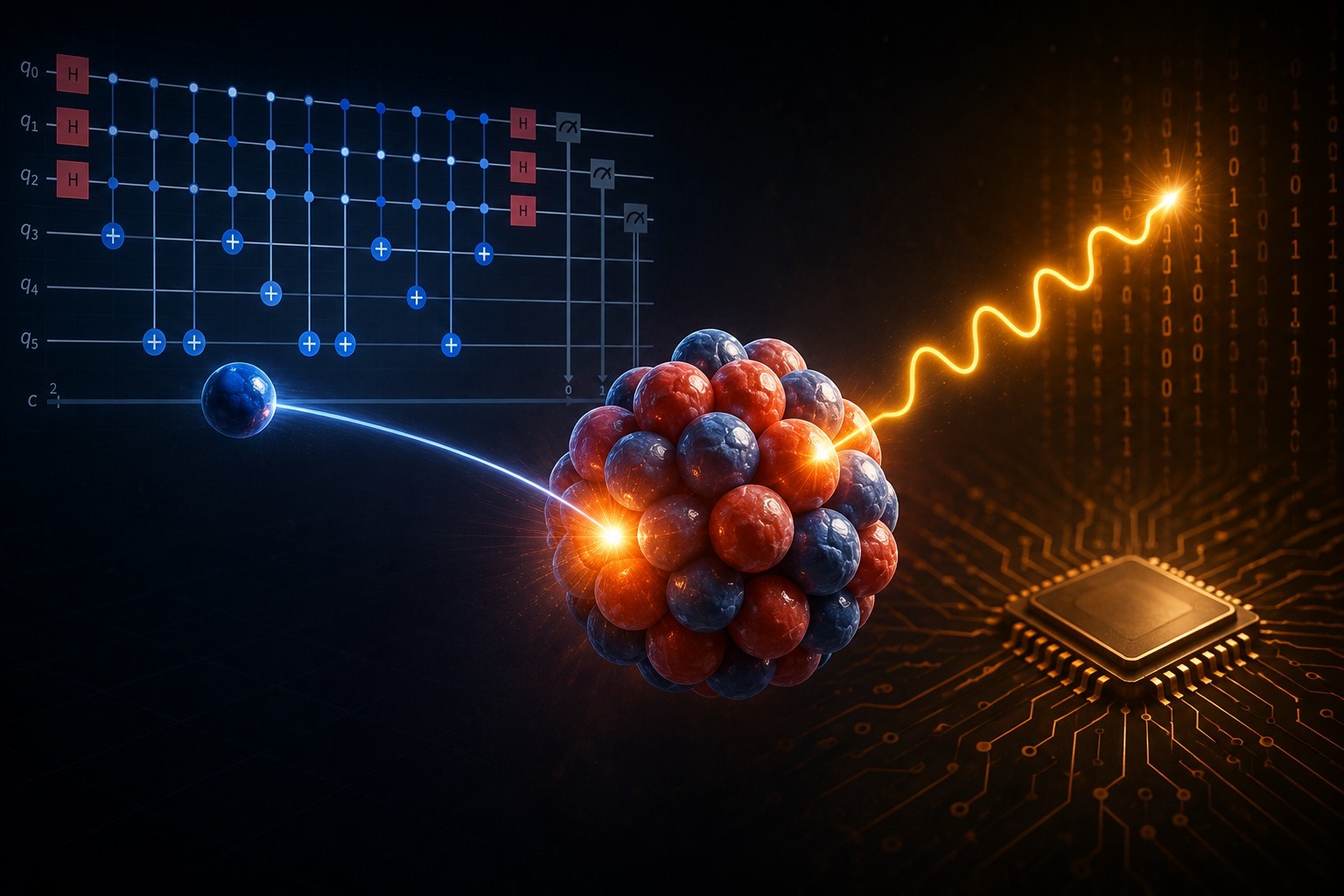
U.S. FRIB Secures Contract from Naval Nuclear Laboratory to Develop Quantum-Classical Hybrid Nuclear Reaction Calculation Methods
A research project at the Facility for Rare Isotope Beams (FRIB) at Michigan State University, led by Dean Lee, Professor of Physics at FRIB, Professor in the Department of Physics and Astronomy at Michigan State University, and Head of the Theoretical Nuclear Science Department at FRIB, has received one-year contract support from the Naval Nuclear Laboratory. The laboratory is managed by Fluor Marine Propulsion. The project will study how to combine quantum computers with classical computers to improve the accuracy of predictions for neutron interactions with matter. This also represents the first phase of a five-year plan aimed at developing and evaluating new computational tools for nuclear science. In nuclear physics research, accurately predicting how neutrons interact with atomic nuclei...
2026-08-18