
Search Results
Keyword:SiC
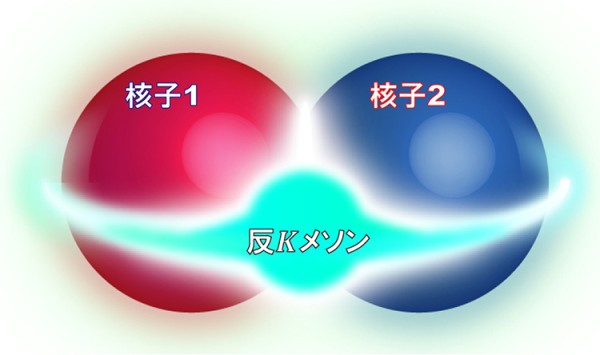
First Observation of Anti-Kaonic Nuclei in Photon Beam Experiments
The LEPS2/Solenoid collaboration, composed of researchers from the Research Center for Nuclear Physics at Osaka University, Kyoto Sangyo University, the Research Center for Advanced Quantum Beam Science at Tohoku University, Korea University, Gifu University, the Institute of Modern Physics of the Chinese Academy of Sciences, RIKEN, Kyoto University, the Institute of Physics at Academia Sinica in Taiwan, and the University of Saskatchewan in Canada, has for the first time observed nuclei containing anti-kaons in a photon beam experiment. This achievement provides new experimental evidence confirming the existence of anti-kaonic nuclei and offers important clues for understanding high-density nuclear matter and the internal structure of neutron stars. The research team conducted the experiment at the LEPS2 laser-electron photon facility at the large synchrotron radiation facility SPring-8 in Hyogo Prefecture, Japan...
2026-08-07
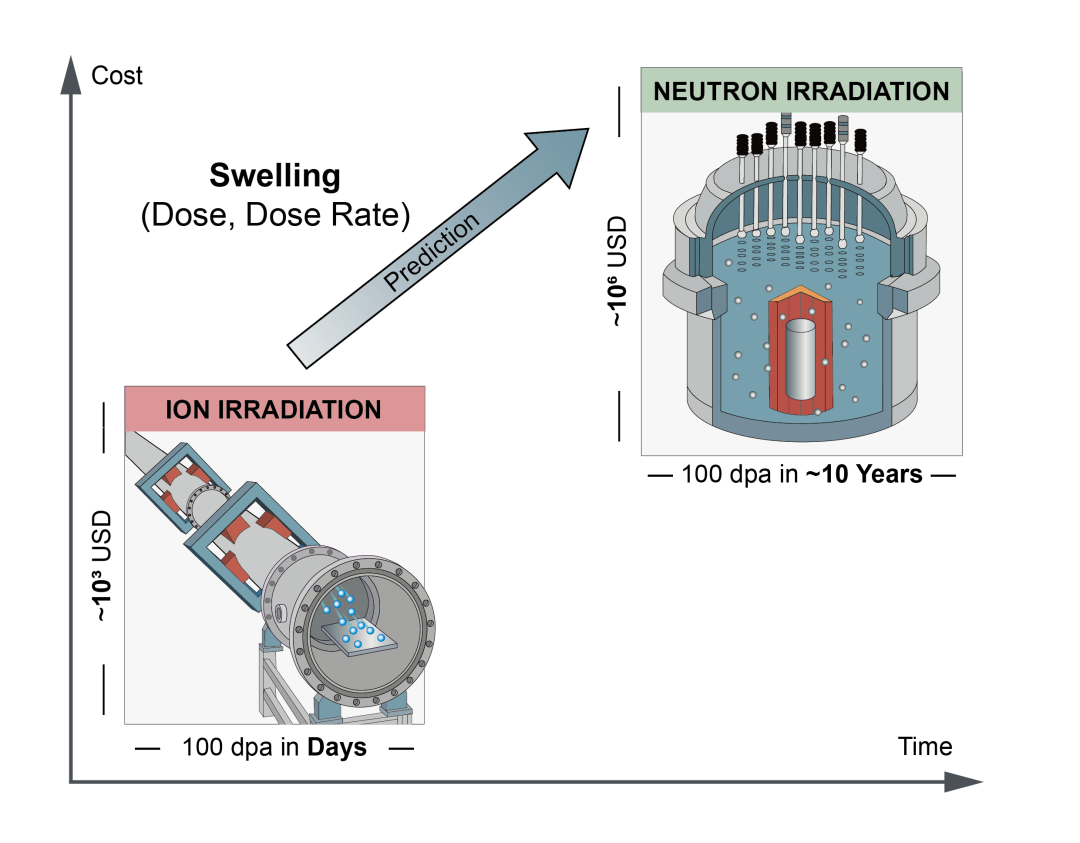
Basic research cracks an application challenge that has persisted for nearly half a century: quantitative prediction of neutron irradiation swelling via ion irradiation
Whether advanced nuclear energy systems can operate safely over the long term depends on the ability of structural materials to resist neutron irradiation damage. Neutrons create numerous atomic-scale defects in materials, which gradually aggregate into nanoscale cavities, ultimately causing material swelling, dimensional instability, and performance degradation. However, obtaining high-dose neutron irradiation data often requires years or even more than a decade, with high costs and post-irradiation sample radioactivity; in contrast, ion irradiation can simulate years of accumulated damage within days and is therefore widely adopted (approximately 95% of irradiation experimental data in existing literature come from ion irradiation). But the dose rate of ion irradiation is typically 3—4 orders of magnitude higher than that of neutron irradiation, making direct conversion between the two results difficult. Recently, the research team of Wang Chenxu and Wang Yugang from the Institute of Heavy Ion Physics, School of Physics, and the State Key Laboratory of Nuclear Physics and Nuclear Technology at Peking University, in collaboration with researchers from the University of Tennessee and other institutions, established a quantitative relationship between material swelling and irradiation dose and dose rate at fixed temperatures based on cluster dynamics simulations, theoretical derivations, and ion irradiation experiments, achieving prediction of neutron irradiation swelling using rapid ion irradiation and providing a new tool for rapid screening and lifetime evaluation of nuclear materials.
2026-08-07
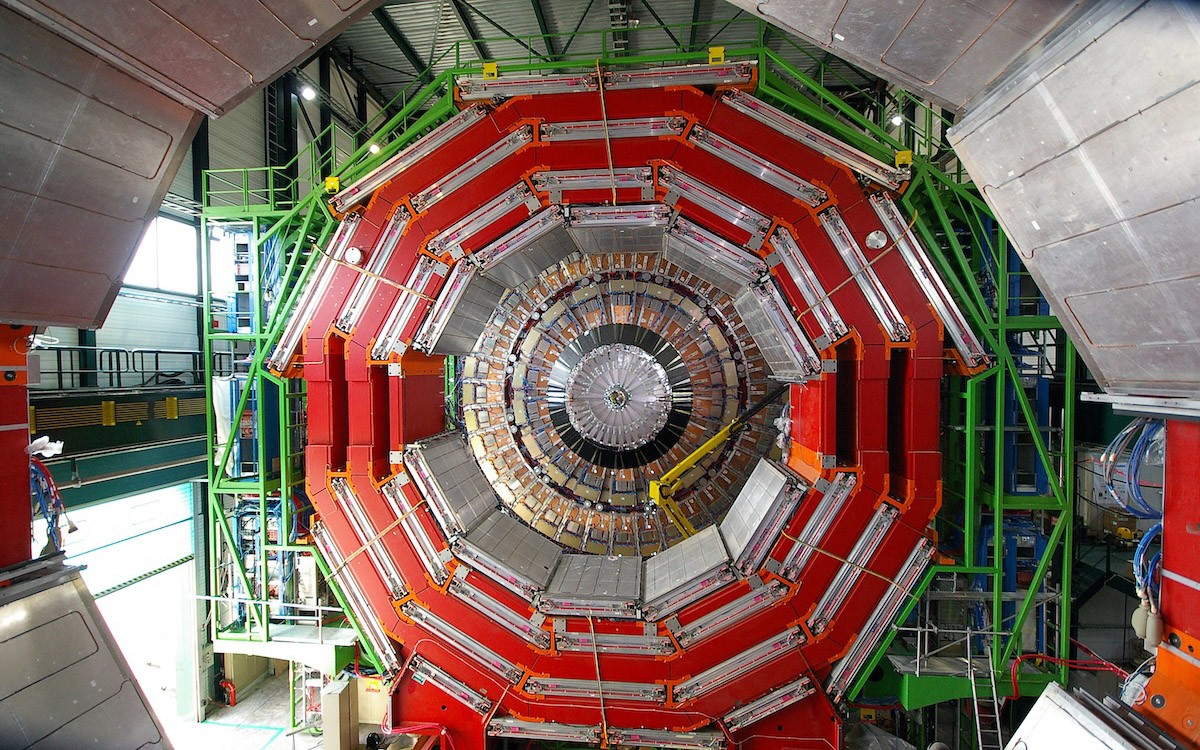
University of Kansas Receives DOE Funding to Build New-Generation Detectors for CERN's Large Hadron Collider
A particle detector development project led by the University of Kansas has recently received funding from the U.S. Department of Energy's Established Program to Stimulate Competitive Research (DOE EPSCoR). The project, funded at $1 million, will be used to design and build two High-Luminosity Zero Degree Calorimeters (HL-ZDC) for the Compact Muon Solenoid experiment (CMS) at CERN's Large Hadron Collider (LHC). The four-year project is co-led by Michael Murray, professor in the Department of Physics and Astronomy at the University of Kansas, and Christophe Royon, distinguished professor at the University of Kansas. Murray also serves as the project lead for the CMS High-Luminosity Zero Degree Calorimeter upgrade...
2026-08-06
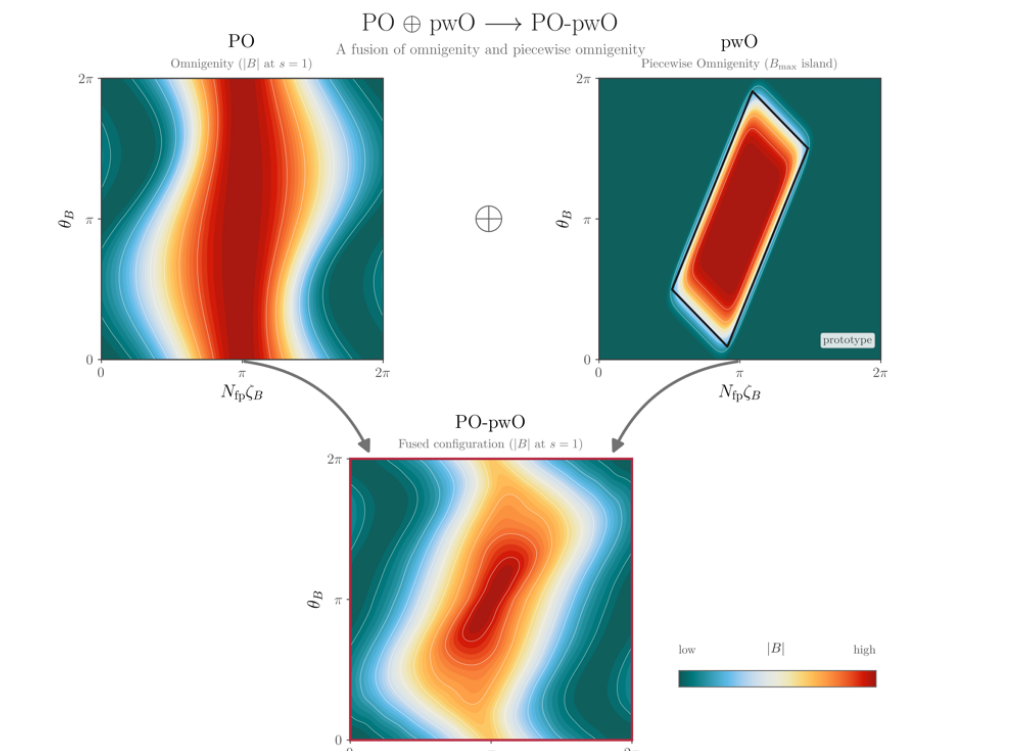
Department of Plasma Physics and Fusion Engineering at the University of Science and Technology of China Proposes New Three-Dimensional Magnetic Field Configuration for Stellarators
Stellarators confine high-temperature plasma using three-dimensional magnetic fields generated by external coils, enabling steady-state operation without relying on plasma current and avoiding instabilities such as disruptions, making them the fastest-growing technological route globally. However, if the three-dimensional magnetic field is not carefully optimized, trapped particles can experience significant radial drift, leading to a substantial increase in neoclassical transport losses. To suppress this drift, the magnetic field must satisfy the "omnigenity" condition, meaning that the time-averaged radial drift of all trapped particle orbits is zero. The most widely applied class of omnigenous magnetic fields is poloidal omnigenity (PO), and such configurations are also commonly referred to as quasi-isodynamic (QI) configurations...
2026-08-06

University of Science and Technology of China Plans to Establish a Micro-Major in "Magnetic Confinement Controlled Nuclear Fusion"
On the afternoon of July 28, the expert review meeting for the establishment of the micro-major in Magnetic Confinement Controlled Nuclear Fusion at the University of Science and Technology of China was held at the university's Lishi College. Seven experts from Fudan University, Sun Yat-sen University, Hefei University of Technology, Anhui University, and fusion energy enterprises formed the review committee to deliberate on the micro-major construction plan. Following inquiries and discussions, the expert group unanimously agreed to establish the micro-major. The meeting was hosted by Lishi College of USTC. Zhu Dongjie, Executive Vice Dean of Lishi College, attended the meeting, while Professor Xie Jinlin, Vice Dean of the School of Nuclear Science and Technology, and Associate Professor Liu Adi, Teaching Director of the Department of Plasma Physics and Fusion Engineering, participated in the presentation and defense. ...
2026-08-05
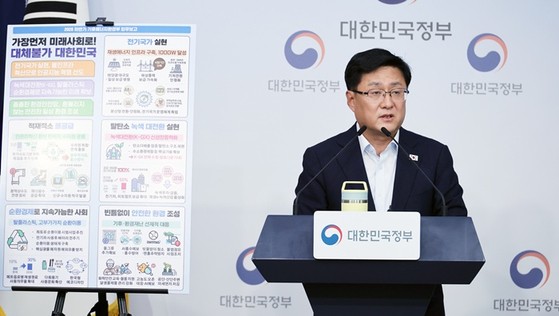
South Korea to Launch Hearings on 12th Power Supply and Demand Plan, New Nuclear Projects Under Review
South Korea's Ministry of Climate, Energy and Environment stated on August 4 that the government will advance procedures for the 12th Basic Plan for Power Supply and Demand, with the issue of new nuclear power plants to be included in public discussion and subsequent review. Kim Sung-hwan, Minister of Climate, Energy and Environment of South Korea (Photo source: Yonhap) South Korea's Climate Change Minister Kim Sung-hwan stated that the format and number of sessions for the public hearings on the 12th Basic Plan for Power Supply and Demand will be finalized this week, with plans to accelerate related procedures starting next week. Under the current schedule, the government intends to form a planning proposal in September or October and submit it for review through established procedures after completing public consultation. Regarding the issue of new nuclear power plants, Kim Sung-hwan stated...
2026-08-05
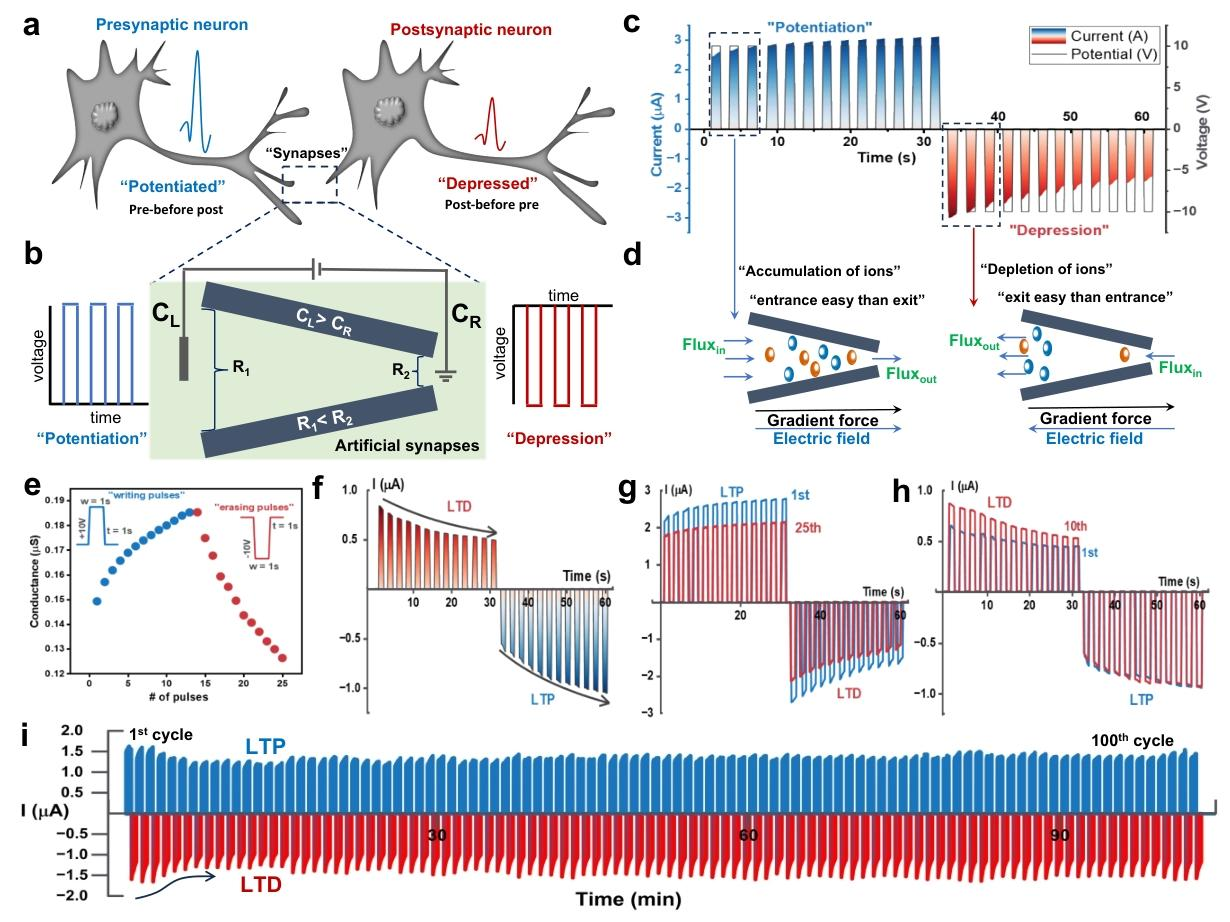
New Progress in Ion Dynamics Regulation in Nanofluidic Memristors by the Institute of Modern Physics, Chinese Academy of Sciences
Water-based nanofluidic ionic devices offer unique advantages in frontier fields such as brain-computer interfaces and biocompatible computing. Recently, the research team from the State Key Laboratory of Heavy Ion Science and Technology at the Institute of Modern Physics, Chinese Academy of Sciences, in collaboration with Lanzhou University, Hebei University of Geosciences, and other partners, successfully achieved stable ionic memristive effects in single-ion-track nanochannels. Through precise regulation, they realized programmable transitions between memristive and synaptic functions, providing a new technological pathway for the development of next-generation low-power neuromorphic computing hardware. The related results were published in the journal *Small* on July 22. Relying on the Heavy Ion Research Facility in Lanzhou (HIRFL), the researchers...
2026-08-04
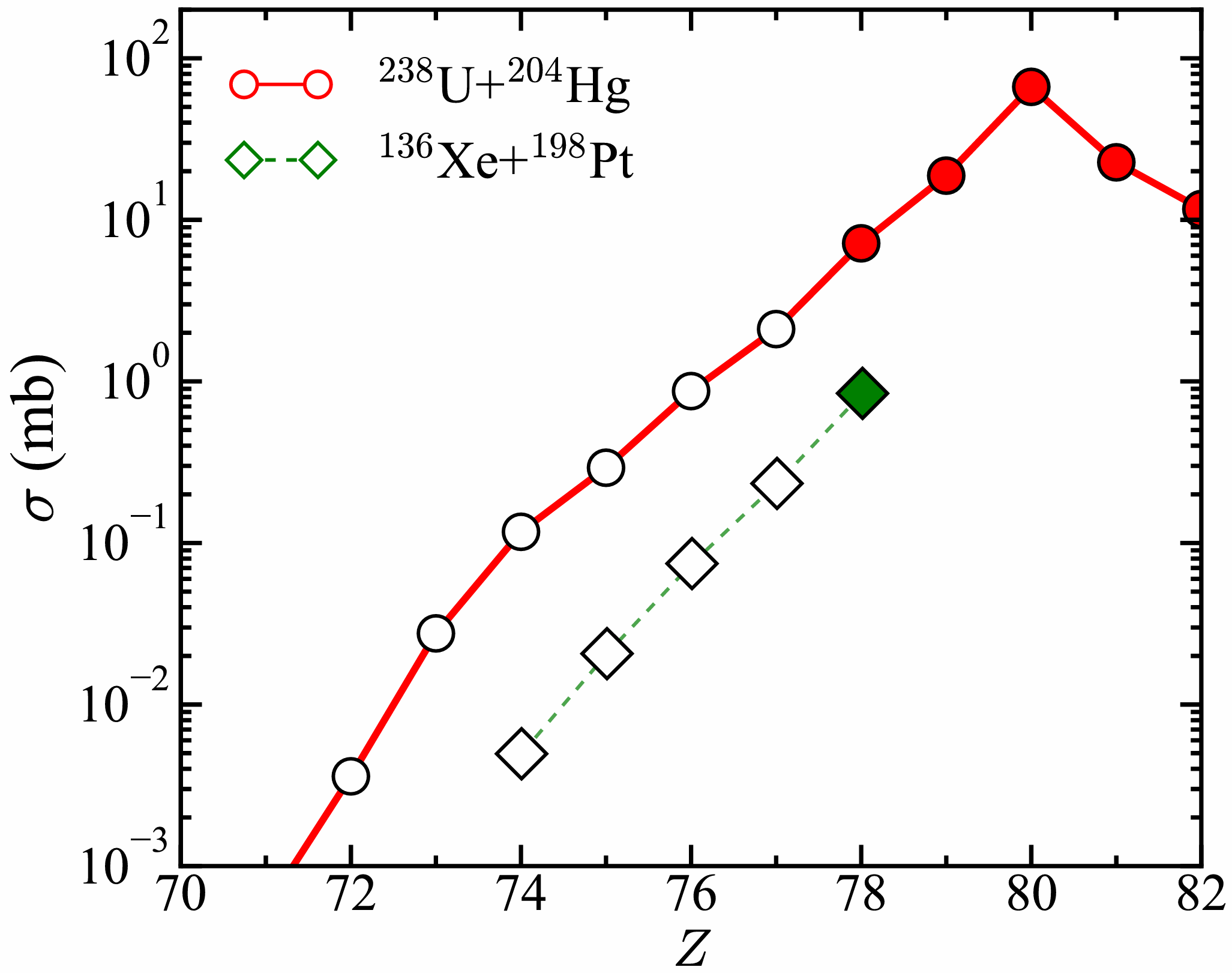
Researchers at the Institute of Modern Physics, Chinese Academy of Sciences, reveal the dual-directional role of shell effects in multinucleon transfer reactions
Recently, the research team from the State Key Laboratory of Heavy Ion Science and Technology at the Institute of Modern Physics, Chinese Academy of Sciences, together with collaborators, revealed the dual-directional mechanism of shell effects in multinucleon transfer reactions and proposed optimized reaction systems. This study provides new insights for the efficient synthesis of neutron-rich nuclides in the laboratory. The results were published in Physics Letters B. The synthesis and study of neutron-rich nuclides near the neutron magic number 126 are of special scientific significance, as the properties of these nuclides are directly related to how heavy elements such as gold and platinum in the universe are formed. However, efficiently producing these nuclides has long been an experimental challenge. Traditional fusion-evaporation...
2026-08-04
Germany Achieves First Capture of Argon Nuclei at 30% Speed of Light with Electron Cooling
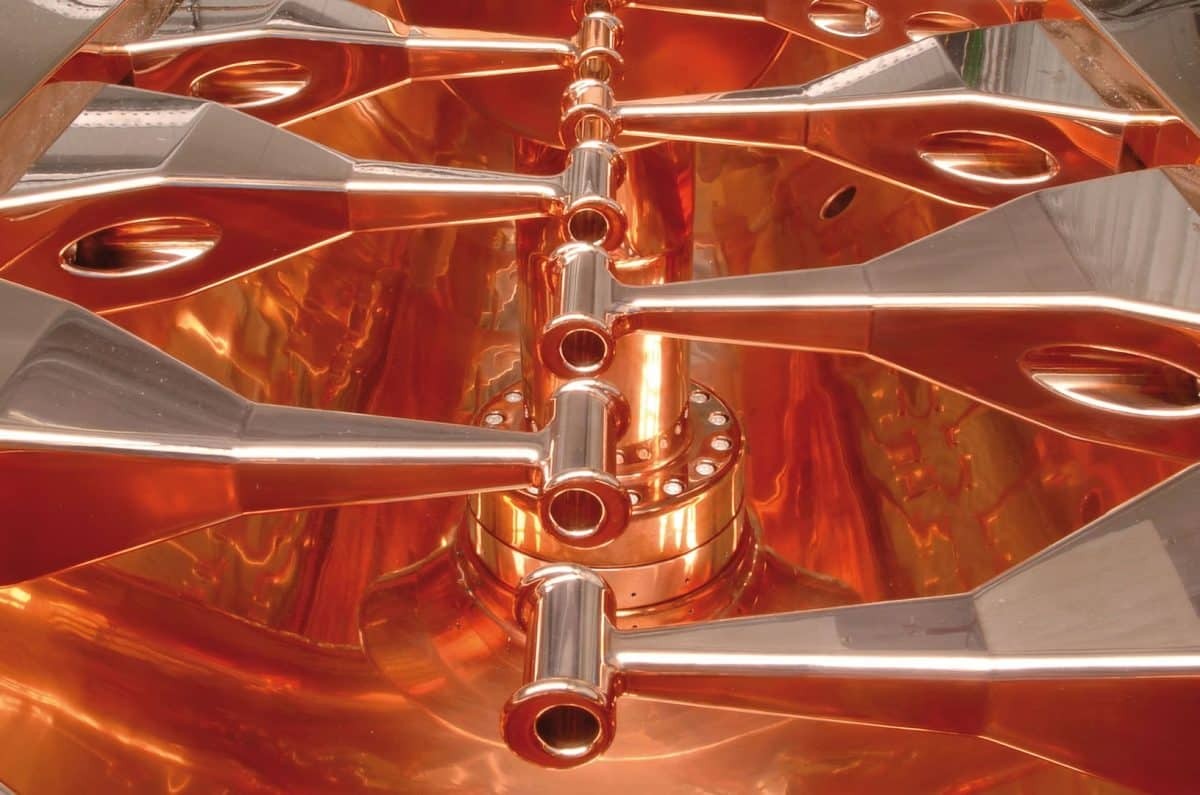
On August 3, researchers at the GSI Helmholtz Centre for Heavy Ion Research in Germany successfully decelerated and captured fully ionized argon ions (^36Ar^18+) for the first time using the HITRAP highly charged ion trap facility. These ions, having lost all their electron shells, can be regarded as bare nuclei, with an initial velocity of approximately 30% of the speed of light. The research findings have been published in the journal Physical Review X. The interior of the radiofrequency resonator that slows down the ions is where highly charged ions are typically produced via particle accelerators and formed under strong electric fields and high-energy conditions. Since these ions are generated at extremely high velocities, they must first be stopped, captured, and cooled before precision physics measurements can be conducted. The research team stated that this experiment achieved, for the first time, the entire process from producing highly charged ions to storing them in a special trap for at least 11 seconds.
2026-08-04
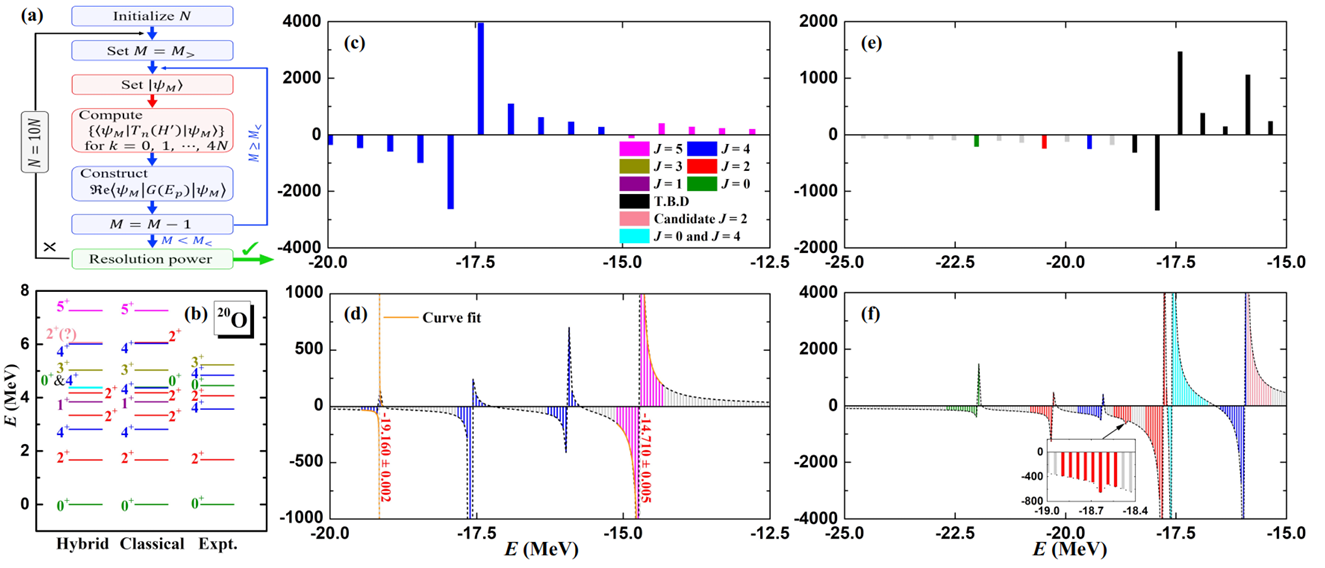
New Progress in First-Principles Quantum Computing for Nuclear Structure
Recently, the research team at the Institute of Modern Physics, Chinese Academy of Sciences, has made new progress in quantum computing studies of first-principles nuclear structure for multi-fermion systems. The team developed a universal quantum-classical hybrid computing framework capable of calculating Green's functions and spectral functions of nuclear many-body systems. The relevant results were published as a Letter in Physical Review C. First-principles Hamiltonian many-body calculations are a core approach for revealing the laws of strongly correlated quantum systems, widely applied in fields such as quantum chemistry and nuclear physics. However, the Hilbert space of such problems grows exponentially with particle number, posing insurmountable computational resource challenges on classical computers...
2026-08-03
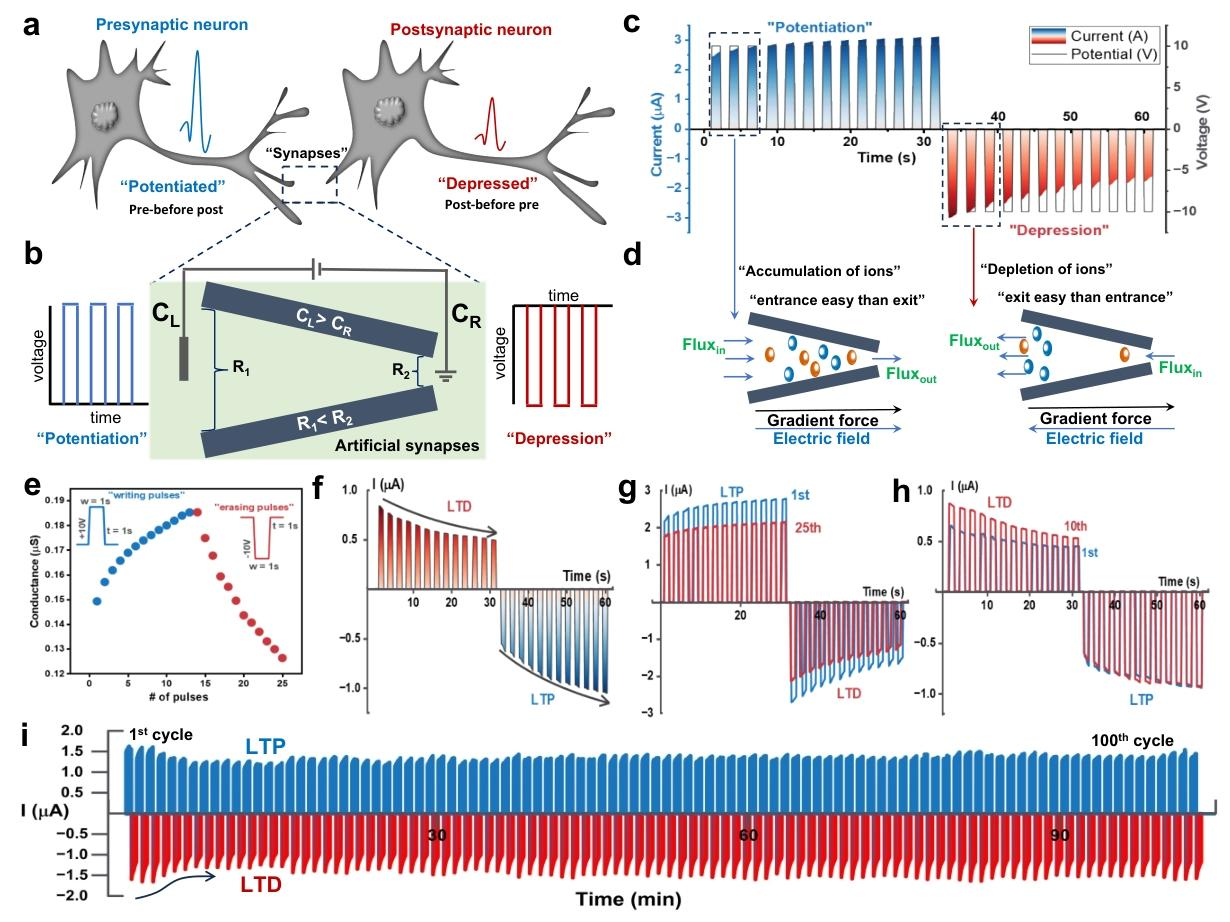
New Progress in Ion Dynamics Regulation in Nanofluidic Memristors by the Institute of Modern Physics, Chinese Academy of Sciences
Water-based nanofluidic ionic devices offer unique advantages in frontier fields such as brain-computer interfaces and biocompatible computing. Recently, the research team from the State Key Laboratory of Heavy Ion Science and Technology at the Institute of Modern Physics, Chinese Academy of Sciences, in collaboration with Lanzhou University, Hebei University of Geosciences, and other partners, successfully achieved stable ionic memristive effects in single-ion-track nanochannels. Through precise regulation, they realized programmable transitions in memristive and synaptic functions, providing a new technological pathway for the development of next-generation low-power neuromorphic computing hardware. The related results were published in the journal *Small* on July 22. Leveraging the Heavy Ion Research Facility in Lanzhou (HIRFL), the researchers...
2026-08-03
First Experimental Result Published from the High-Intensity Heavy-Ion Accelerator Facility
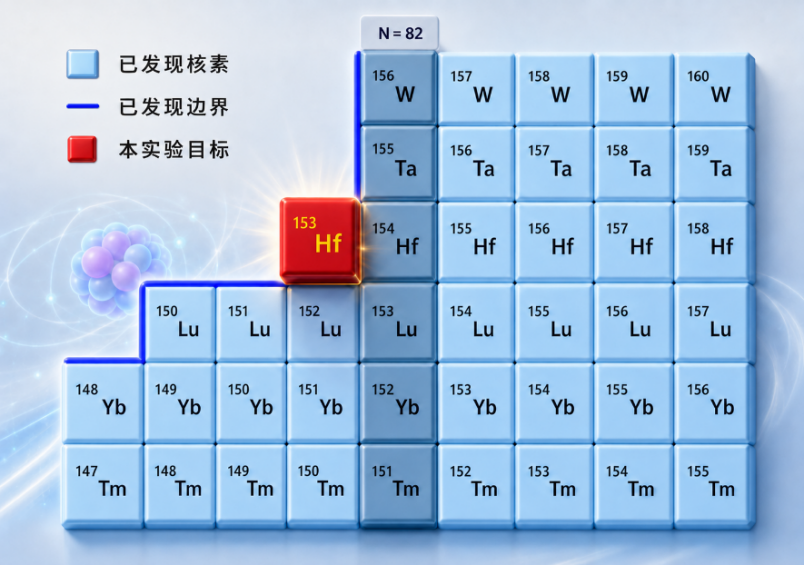
Recently, the research team from the Institute of Modern Physics (IMP) of the Chinese Academy of Sciences, together with collaborators, successfully produced and identified the rare isotope hafnium-153 using the High-Intensity Heavy-Ion Accelerator Facility (HIAF). This is the first physics result obtained during the commissioning of HIAF, demonstrating that China's new-generation high-intensity heavy-ion research facility is capable of exploring unknown nuclides and expanding the nuclear chart. It marks the official commencement of HIAF's scientific discovery journey. The result was published as a short communication in *Science Bulletin*. Figure: Position of hafnium-153 on the nuclear chart; the blue line indicates the boundary of known nuclides. Image | Hu Houyu, Li Hongfu. Atomic nuclei are composed of protons and neutrons, and different combinations of proton and neutron numbers form the diverse world of nuclides. Exploring unknown nuclides and investigating the boundaries of nuclear existence are important frontiers in nuclear physics. Hafnium-153 is located in the neutron-deficient heavy-mass region and is an important subject for studying the evolution of nuclear structure and the limits of nuclear stability. It had not been reported prior to this experiment. The discovery and precise measurement of this nuclide will help test nuclear theory models and deepen our understanding of nuclear structure regularities.
2026-08-03
The Institute of High Energy Physics of the Chinese Academy of Sciences Successfully Held the Fourth "1+1" Youth Forum on Nuclear and Particle Physics — Frontier Technologies Empowering Nuclear Medicine Diagnosis and Treatment
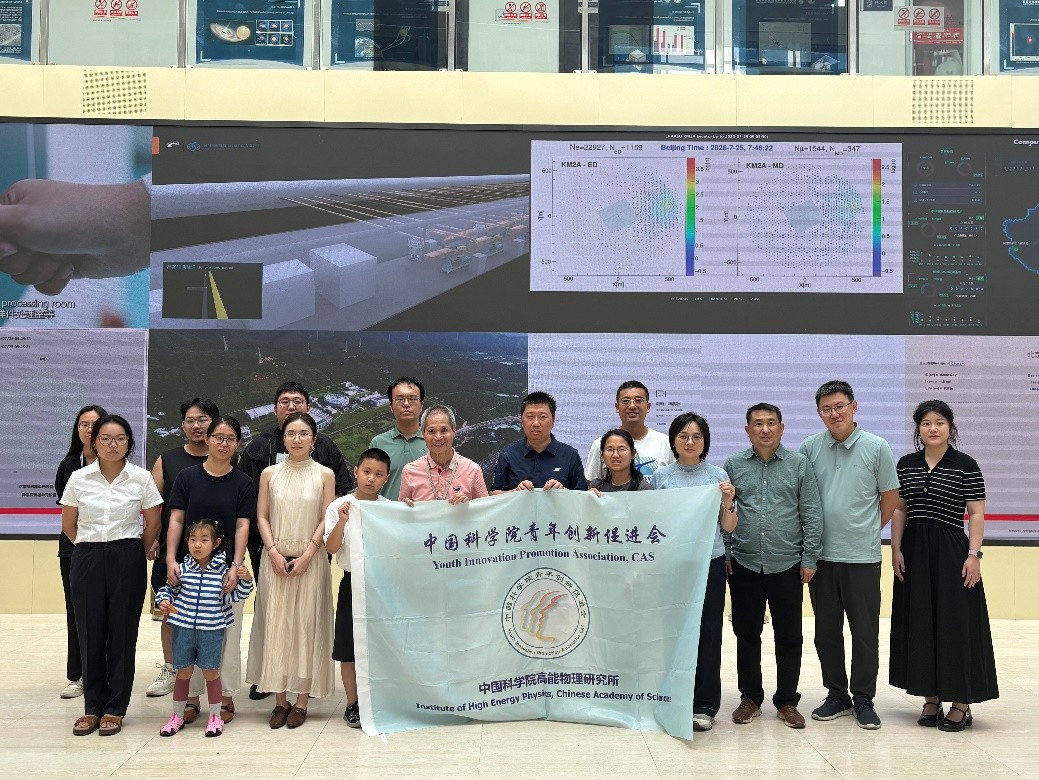
On July 25, 2026, the fourth "1+1" Youth Forum on Nuclear and Particle Physics (hereinafter referred to as the "1+1 Forum") was successfully held at the Institute of High Energy Physics of the Chinese Academy of Sciences (hereinafter referred to as IHEP). Themed "Frontier Technologies Empowering Nuclear Medicine Diagnosis and Treatment," the forum was organized by the Youth Working Committee of the Beijing Nuclear Society and the IHEP Group of the Youth Innovation Promotion Association of the Chinese Academy of Sciences, co-organized by the Institute of High Energy Physics of the Chinese Academy of Sciences and the School of Nuclear Science and Technology of the University of Chinese Academy of Sciences, and hosted by the R&D Center for Nuclear Technology (Nuclear Detection and Nuclear Imaging) of the China Atomic Energy Authority and the Beijing Engineering Research Center for Radiation Imaging Technology and Equipment. The 1+1 Forum has always adhered to the principle of organically combining demand with technology, academia with science popularization...
2026-08-03
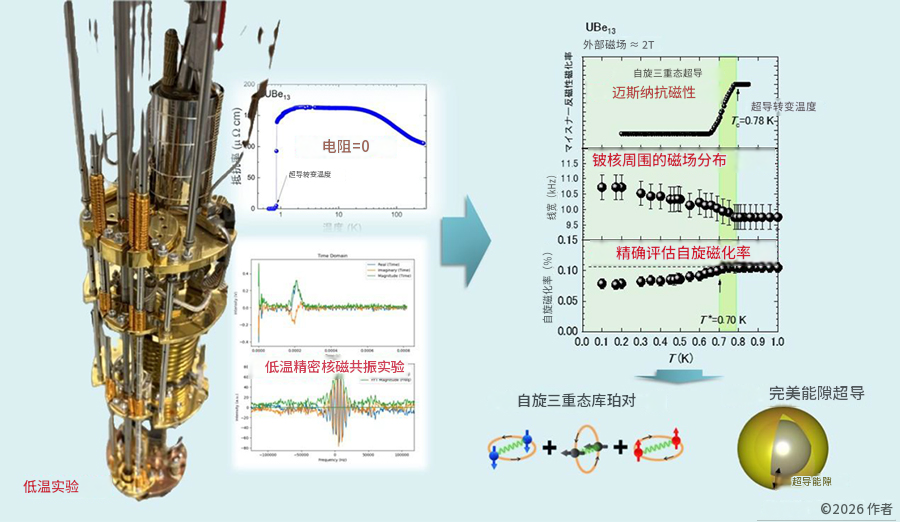
Japanese research team experimentally confirms full-gap spin-triplet superconductivity in UBe13
On July 30, 2026, Kobe University and the Japan Atomic Energy Agency announced that a research team led by Professor Hideki Higashibata of the Graduate School of Science at Kobe University, along with Shoko Minami, who was a master's student at the time of the research, in collaboration with Yoshinori Haga, Research Director at the Japan Atomic Energy Agency, and researchers from Osaka University, experimentally confirmed for the first time the existence of a spin-triplet superconducting state with full-gap characteristics in the intermetallic compound UBe13. The findings were published in the Journal of the Physical Society of Japan on June 26 and were selected as an Editor's Choice paper. Since its discovery in 1983, UBe13 has been regarded as an important candidate material for spin-triplet superconductivity. Unlike conventional spin-singlet superconductivity...
2026-08-03
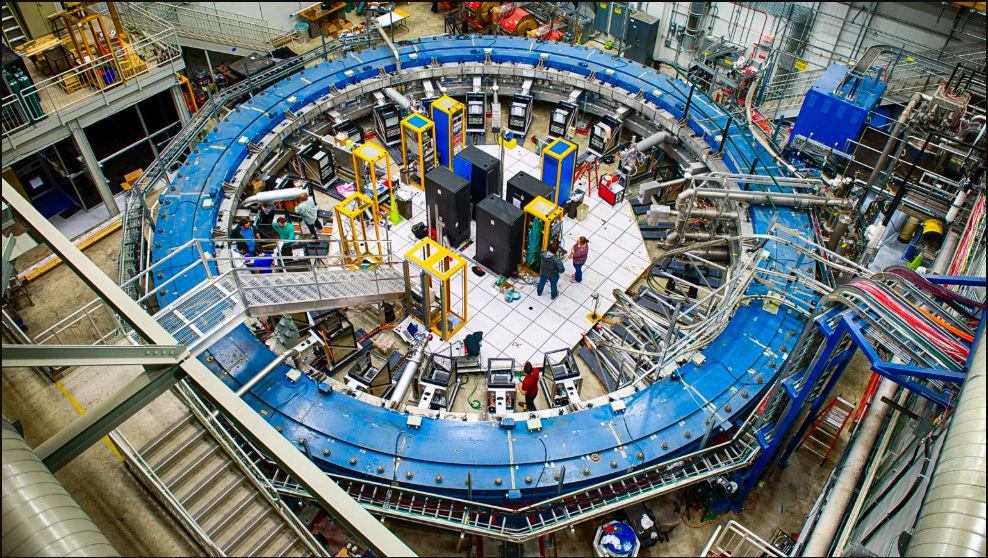
After 25 Years, the Muon Wobble Puzzle Sees Key New Progress in Physics
For 25 years, precise measurements of how muons wobble in a magnetic field have been a major puzzle in particle physics. Early experiments showed a discrepancy between the measured value of the muon's g-factor and theoretical predictions, a difference once seen as a possible hint of unknown particles. Recent new theoretical calculations and experimental analyses have brought a new twist to this puzzle. The muon is a heavier cousin of the electron that precesses like a tiny magnet in a magnetic field. Its extra wobble is quantified by the muon g-2 coefficient. According to quantum theory, known particles and interactions influence this coefficient through fleeting quantum fluctuations, making muon g-2 a key test of the Standard Model...
2026-08-03