
Search Results
Keyword:SiC
Argonne National Laboratory Launches Diamond Quantum Sensor Project to Serve High-Energy Physics Electromagnetic Field Measurements
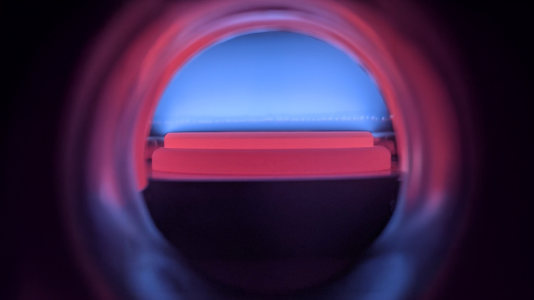
The U.S. Department of Energy's Argonne National Laboratory recently launched a new three-year, $1 million research project that plans to combine quantum information science with high-energy physics research to develop a new generation of quantum sensors based on diamond materials for higher-precision measurement and mapping of electromagnetic fields. Inside this plasma-filled vacuum chamber is the diamond substrate used to fabricate the diamond thin film (not shown in the image), within which the nitrogen-vacancy qubits are located. (Image courtesy of Nazar Delegan/Argonne National Laboratory.) In high-energy physics experiments, the precision of electromagnetic field measurements directly affects the reliability of experimental results. Whether analyzing the momentum of debris produced after particle collisions...
2026-08-18
Kazakhstan's Institute of Nuclear Physics Plans to Expand Medical Radioisotope Production and Export
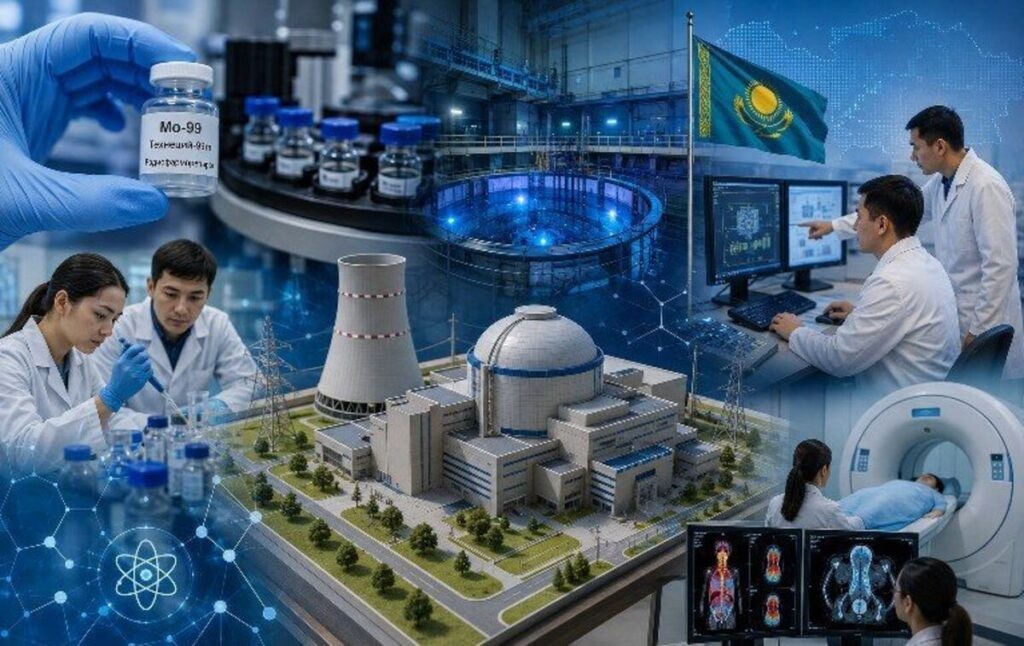
The Institute of Nuclear Physics (INP) of Kazakhstan is progressively expanding the applications of radioisotopes and radiation technologies, with related products already used in cancer diagnosis and treatment, industrial production, and scientific research. Institute Director Sayabek Sakhiyev stated that radioisotope and radiopharmaceutical production is one of the institute's key applied activities, covering the full chain from scientific research and research reactor operation to radiochemical technology development and medical applications. Currently, INP produces three main categories of radiopharmaceuticals: sodium iodide I-131 for thyroid disease treatment, Mo-99/Tc-99m related products for radionuclide diagnostics, and...
2026-08-18
German research team achieves ultra-compact plasma photocathode injection
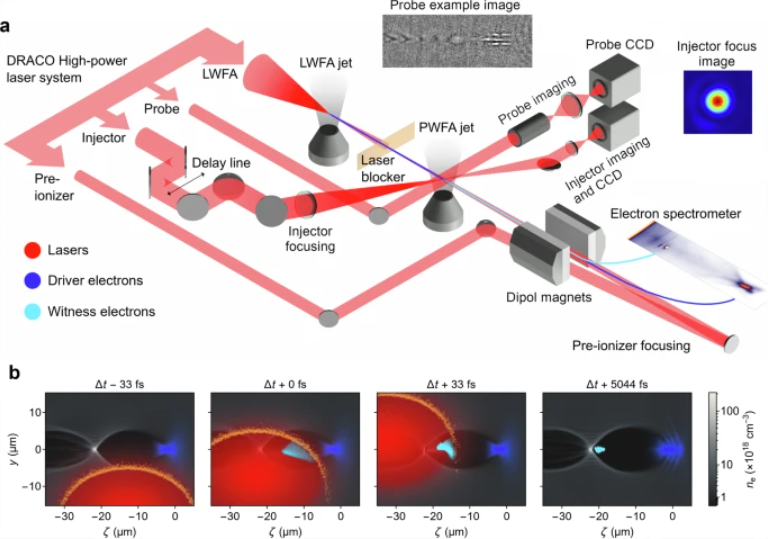
A research team from institutions including the Helmholtz-Zentrum Dresden-Rossendorf in Germany has demonstrated an ultra-compact plasma photocathode injection scheme integrated into a hybrid plasma wakefield accelerator on the DRACO laser facility. The study utilized a 150 TW-class laser system to drive a laser wakefield accelerator (LWFA), generating high-peak-current electron beams, which in turn drove a subsequent particle beam wakefield accelerator (PWFA), completing the generation and acceleration of witness electron beams within millimeter-scale plasma structures. Plasma wakefield accelerators can produce accelerating fields far exceeding those of conventional radiofrequency linear accelerators, but how to obtain high-quality, high-brightness electron beams in compact devices...
2026-08-18
Russian Team Proposes Compact "Siberian Snake" Design for NICA Collider to Control Proton Polarization
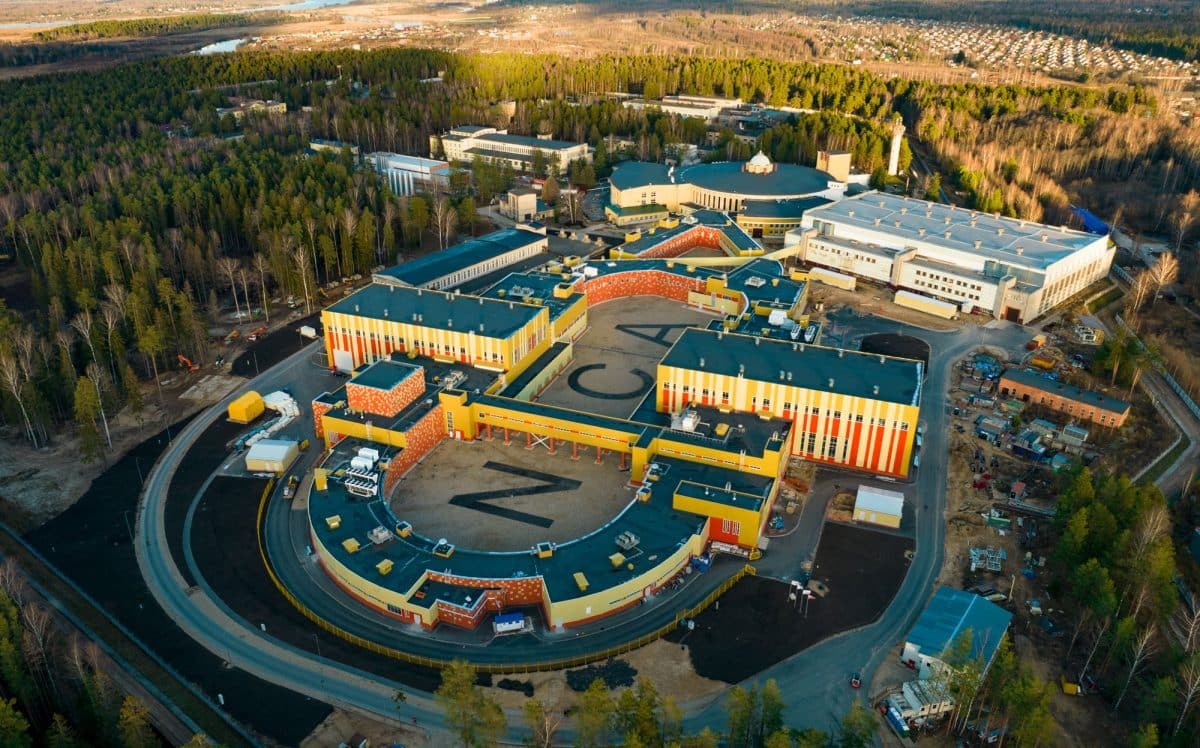
Experts from the Moscow Institute of Physics and Technology and the Joint Institute for Nuclear Research have proposed a compact Siberian snake magnetic field device design for Russia's NICA collider. The device employs a transverse magnetic field, aiming to maintain proton spin direction during acceleration to a maximum of 13.5 GeV and control polarization orientation during experiments. Related numerical simulations of proton polarization show that this design can effectively suppress beam depolarization. Russia's NICA accelerator complex — Moscow Institute of Physics and Technology press office In an accelerator, proton beams travel along a closed orbit, and particle spins precess around a specific rotation axis. When the beam reaches certain energies, spin may resonate with periodic perturbations in the ring structure, causing beam depolarization; without dedicated control measures, the beam polarization state required for experiments would be difficult to maintain.
2026-08-18
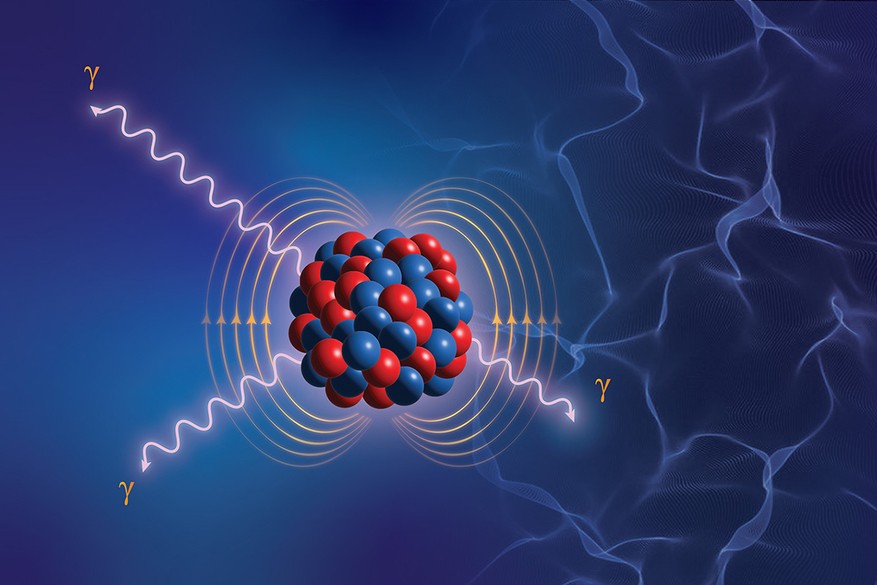
US FRIB Research Reveals Low-Energy Gamma-Ray Enhancement Originates from Nuclear Magnetic Transitions
An international research team led by the US Facility for Rare Isotope Beams (FRIB), with participation from Lawrence Livermore National Laboratory (LLNL) and other institutions, recently published findings in Nature that explain a long-standing question in nuclear physics: why some atomic nuclei emit anomalously high numbers of low-energy gamma rays. Image: FRIB Gamma rays are a type of electromagnetic radiation. Excited atomic nuclei release gamma rays during radioactive decay, gradually returning to lower, more stable energy levels. Over the past few decades, scientists have discovered that certain nuclei exhibit a low-energy enhancement phenomenon, where the number of low-energy gamma rays emitted exceeds expectations. However, this phenomenon is not universal, and its occurrence is theoretically difficult to predict.
2026-08-18

CNNC Sichuan Environmental Protection Holds Cadre Meeting to Announce Comrade Zhang Xiangming's Appointment as Chief Accountant of the Company
On August 17, CNNC Sichuan Environmental Protection held a cadre meeting to announce the decision of the Group Company Party Leadership Group on the appointment of Comrade Zhang Xiangming as Chief Accountant of CNNC Sichuan Environmental Protection Engineering Co., Ltd. Wang Suohui, Secretary of the Party Committee and Chairman of CNNC Environmental Protection, attended the meeting via video and delivered a speech. Chang Yu, Secretary of the Party Committee and Chairman of the Company, presided over the meeting. On behalf of the Party Committee of CNNC Environmental Protection, Wang Suohui extended congratulations to Comrade Zhang Xiangming on his new appointment. He pointed out that this cadre adjustment was a decision made by the Group Company Party Leadership Group from the overall perspective of optimizing and strengthening the leadership team, fully reflecting the high importance attached to and earnest expectations for CNNC Sichuan Environmental Protection. At present, CNNC Sichuan Environmental Protection is at a critical stage of tackling tough challenges, with various tasks...
2026-08-18
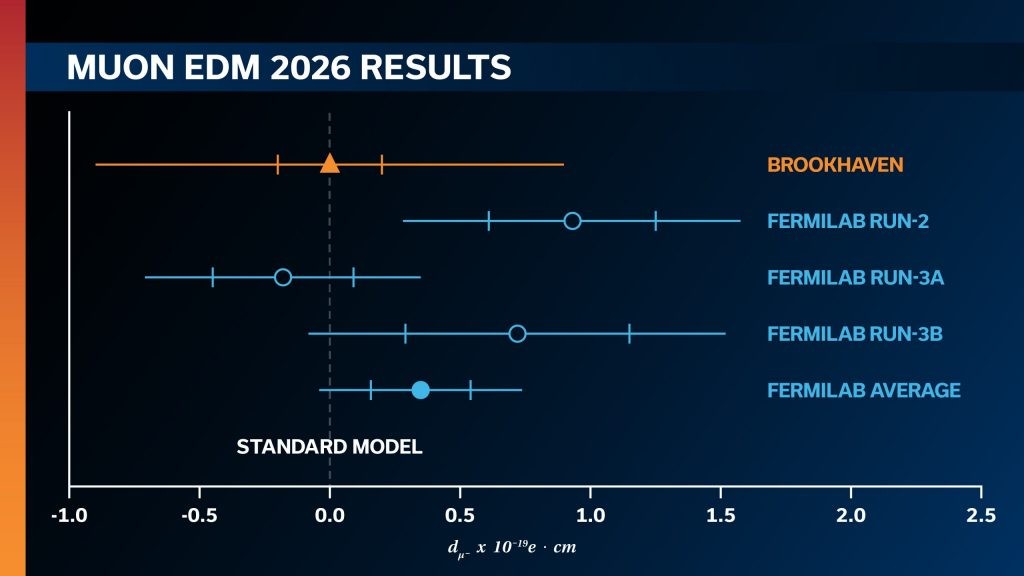
Fermilab Muon g-2 Experiment Sets New Direct Detection Limit on Muon Electric Dipole Moment
On August 12, 2026, the Muon g-2 Collaboration announced that a new analysis based on 25% of the data from the Muon g-2 experiment at the U.S. Department of Energy's Fermi National Accelerator Laboratory has produced the most sensitive direct measurement of the muon's electric dipole moment to date. The results show that if a muon electric dipole moment exists, its magnitude is below the current detection threshold of the experiment. The muon electric dipole moment values measured by Fermilab across different data-taking periods were compared with previous results from Brookhaven National Laboratory. The combined Fermilab value is consistent with zero (no observation). Although the experiment uses positive muons, results are typically reported for negative muons, which reverses the sign of the measured value...
2026-08-17
CMS Experiment Advances Higgs Boson Pair Search with New Data
The CMS Collaboration has recently announced new progress in the study of Higgs boson pair production. The study is based on proton collision data at a center-of-mass energy of 13.6 TeV recorded by the CMS detector from 2022 to 2024, focusing on the search for processes where one Higgs boson decays to a bottom quark–antiquark pair and the other decays to a τ lepton–antitau pair, namely the HH→bbττ channel. Since the discovery of the Higgs boson in 2012, the CMS and ATLAS Collaborations have continuously measured the interactions of the Higgs boson with other Standard Model particles, and the results so far remain generally consistent with Standard Model predictions. In contrast, the “self-coupling” among multiple Higgs bosons...
2026-08-17
Russian Researchers Develop Highly Sensitive Radio Astronomy Sensor for Axion Dark Matter Detection
Researchers from the Institute for Physics of Microstructures of the Russian Academy of Sciences and Nizhny Novgorod State Technical University have developed a radio astronomy sensor whose sensitivity is reportedly two to three times higher than that of existing international counterparts, and it has been granted a Russian patent. The device is designed for detecting weak electromagnetic radiation signals and can be used in frontier physics experiments such as cosmic microwave background radiation studies and axion dark matter searches. The researchers explain that this type of detector is essentially an electromagnetic radiation receiver. When electromagnetic radiation strikes the sensitive element, the electron temperature rises, thereby altering the recorded signal. To improve detection sensitivity, the research team introduced a thin hafnium layer into the structure, which acts as a thermal...
2026-08-17
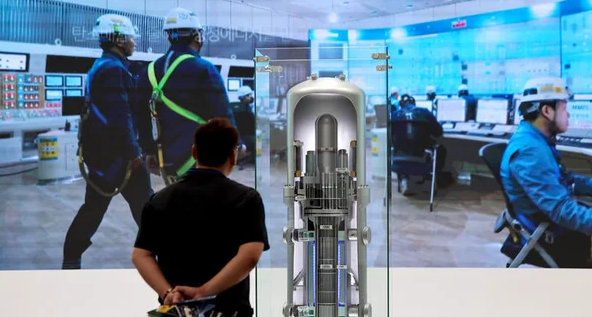
KHNP Maps Out SMR Security System to Address Drone and Nuclear Material Threats
Korea Hydro & Nuclear Power (KHNP) is preparing to establish a new security response system for Small Modular Reactors (SMRs) and decommissioned nuclear power plants. Due to their smaller size and more flexible deployment methods, SMRs may be distributed across different regions in the future, and the security risks they face are not entirely identical to those of traditional large-scale nuclear power plants. KHNP plans to launch a research service on physical protection implementation plans related to new nuclear energy projects in September, focusing on assessing risks such as terrorist attacks, external intrusion, theft of nuclear materials, facility sabotage, and drone attacks. Physical protection refers to a nuclear security system established for nuclear materials and nuclear facilities, encompassing prevention, detection, interdiction, and emergency response.
2026-08-15
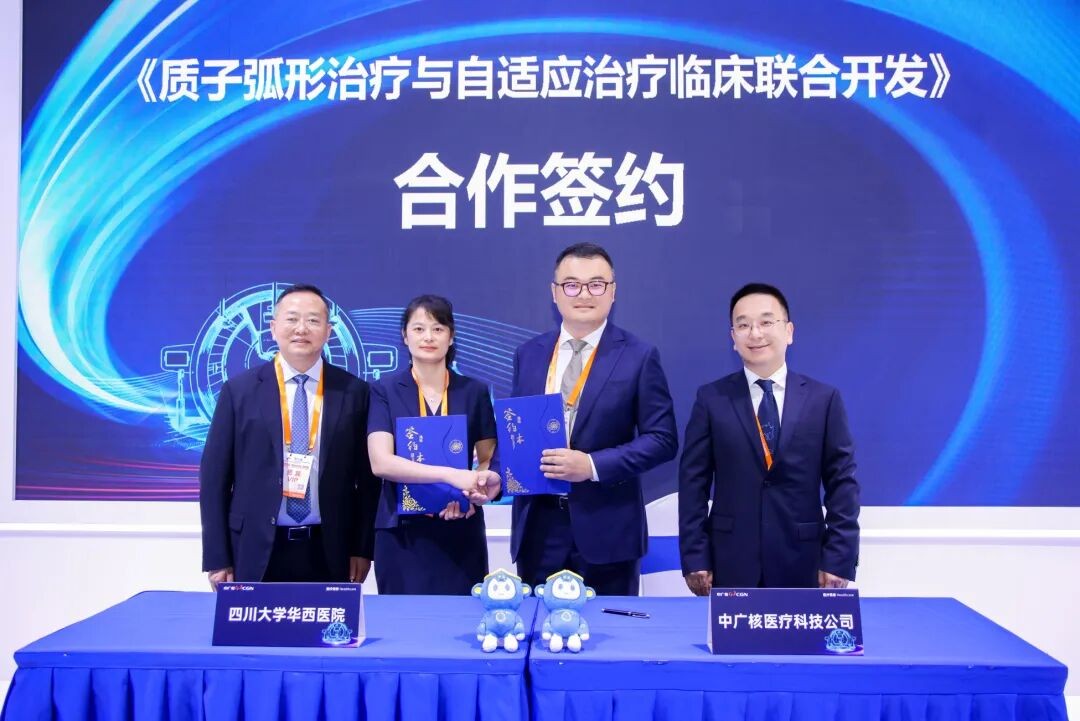
CGN Medical and West China Hospital of Sichuan University Sign Proton Therapy Innovation Technology Cooperation Agreement
On August 14, the 32nd China International Medical Instruments and Equipment Exhibition & Technology Exchange Conference (China-Hospeq 2026) opened at the China National Convention Center in Beijing. CGN Medical was invited to exhibit under the theme of "Precision Radiotherapy · Nuclear Medicine Empowerment," showcasing achievements in the healthcare sector including the Hezhi® proton therapy system and the Hejia® germanium-gallium generator. The exhibits covered radiotherapy solutions, new medical isotopes, SiPM chips for molecular imaging, radiation protection, and medical device sterilization. On the first day of the exhibition, representatives from relevant departments and institutions visited the CGN Medical booth, learning about CGN's product layout and technological progress in the nuclear medicine field, and showing interest in its efforts in the domestic substitution of high-end medical equipment...
2026-08-15
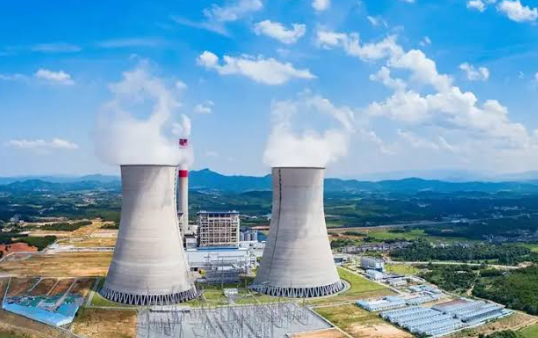
Kazakhstan Enters a New Era of Atomic Energy, with the Institute of Nuclear Physics Viewed as a Key Pillar of the National Nuclear Industry
Kazakhstan is entering a new stage of nuclear energy development. The construction of a nuclear power plant means not only the addition of a major energy project, but also the need for the country to simultaneously establish a complete nuclear industry system, including research support, personnel training, experimental infrastructure, nuclear and radiation safety systems, and indigenous technological capabilities. The article points out that a nuclear power plant can be built using foreign project designs, but true scientific and technological capability cannot be purchased along with the equipment; it is gradually formed through the long-term operation of nuclear facilities, conducting research, training engineering teams, and passing on experience. Against this backdrop, the Institute of Nuclear Physics of Kazakhstan is regarded as an important pillar of the future nuclear energy industry. The institution...
2026-08-14
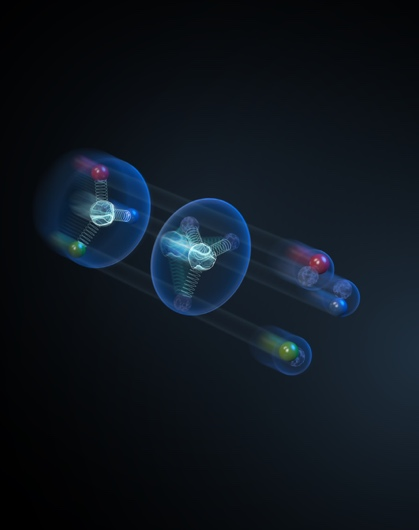
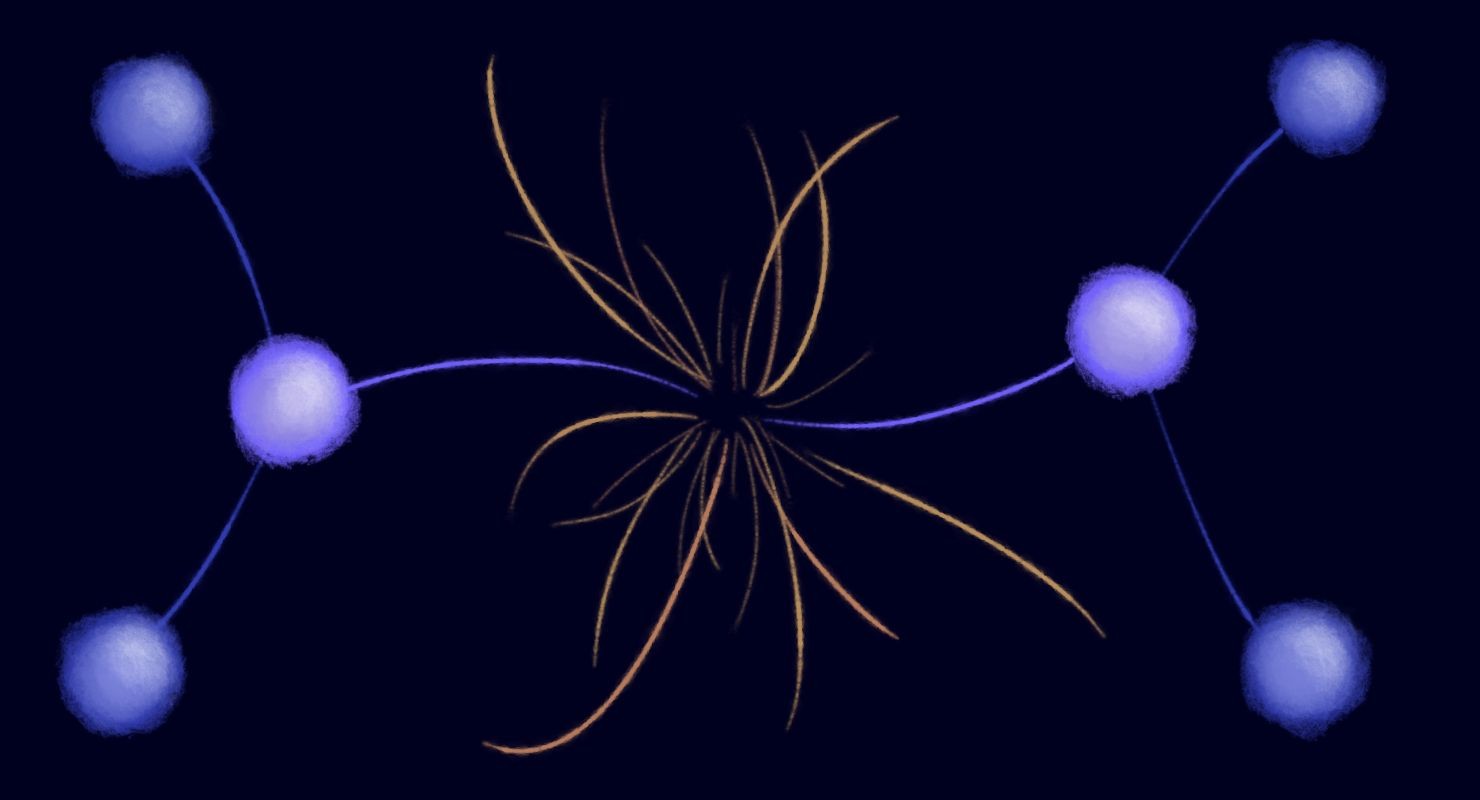
USTC Team Participates in STAR Experiment, Discovering Possible "Y"-Shaped Gluon Junction Inside Nucleons
The University of Science and Technology of China, together with Kent State University and Brookhaven National Laboratory, played a leading role in the STAR international collaboration. Through precise measurements of net baryon number and net charge in high-energy nucleus-nucleus collision experiments, they discovered an exotic structure inside nucleons that may overturn fundamental understanding of nucleon internal structure. In the early morning of August 14, the results were published online in the journal Science under the title "Tracking the baryon number with nuclear collisions." Nucleons are the fundamental particles that make up the material world, carrying more than 99% of the mass of the visible matter in the universe. Understanding the internal structure of nucleons is of paramount importance for understanding the fundamental constituents and fundamental interactions of the material world.
2026-08-14
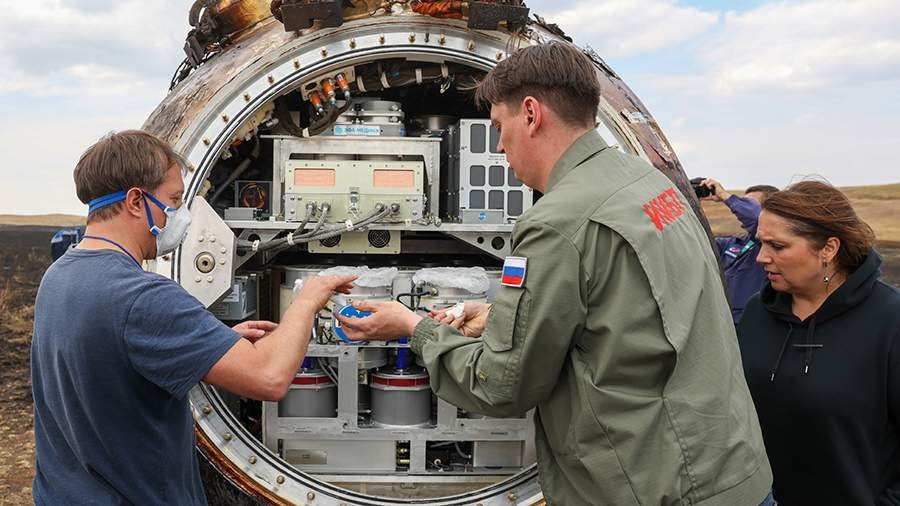
Russia's Bion-M 3 spacecraft planned for launch in 2030 to study effects of cosmic radiation on living organisms
Russia plans to launch the new Bion-M 3 spacecraft in 2030 to study the effects of cosmic radiation on living organisms under conditions similar to deep space. Vladimir Sychev, a senior official at the Institute of Biomedical Problems of the Russian Academy of Sciences, presented the plan at a meeting of the Presidium of the Russian Academy of Sciences' Space Council on August 4. Sychev stated that cosmic rays, solar proton events, and their effects on the human body are critical issues that must be understood when planning long-term interplanetary crewed missions. Participants have endorsed the draft scientific research program for the spacecraft's flight testing. According to the plan, Bion-M 3 will be placed into a polar orbit at an altitude of approximately 800 kilometers...
2026-08-14
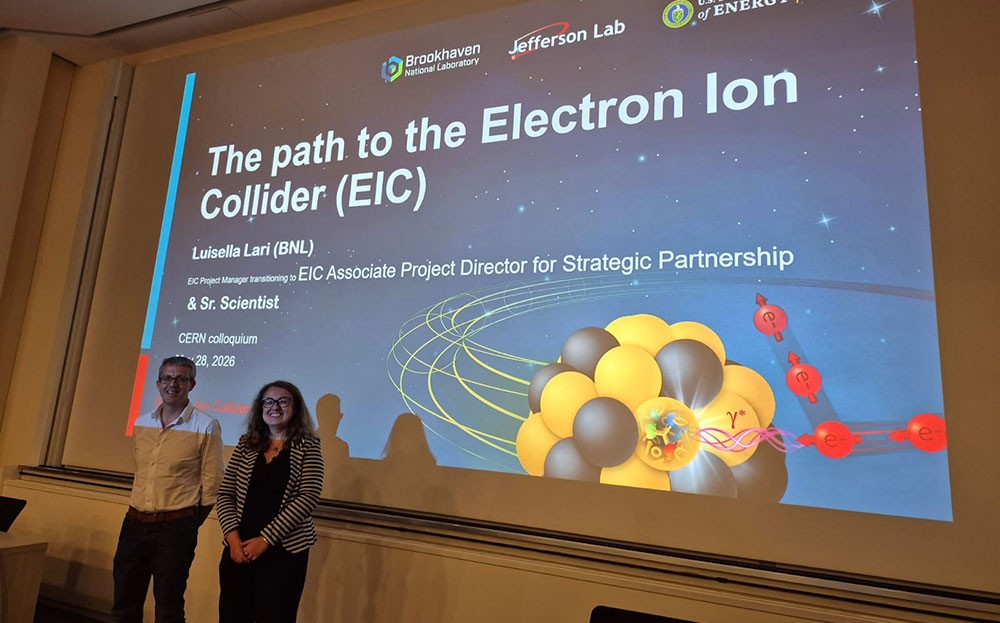
EIC and CERN Strengthen Cooperation to Advance International Scientific Exchange for the Electron-Ion Collider
August 12, 2026 - The collaboration between the Electron-Ion Collider (EIC) project and the European Organization for Nuclear Research (CERN) is deepening further. On May 28, CERN hosted a workshop themed around the EIC to introduce the project's scientific goals, construction progress, and future research opportunities to its international scientific community. Luisella Lari (right), Deputy Director for Strategic Partnerships of the Electron-Ion Collider (EIC) project, poses with Matthew Chalmers, organizer of the CERN lecture series, after delivering a talk titled "The Road to the Electron-Ion Collider" at CERN. Luisella Lari, senior scientist on the EIC project, delivered a talk titled "The Road to the Electron-Ion Collider" at the workshop.
2026-08-13