
Search Results
Keyword:UE
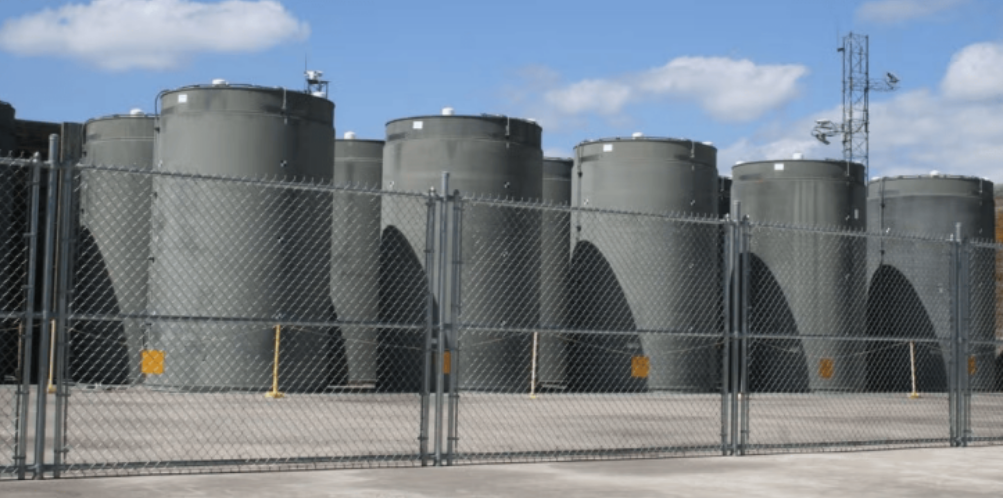
IAEA Publishes Report on Aging Management of Spent Fuel Dry Storage Systems
The International Atomic Energy Agency (IAEA) has published the findings of a decade-long study on aging management of spent fuel dry storage systems. According to IAEA estimates, by the end of 2024, spent fuel discharged from nuclear power plants worldwide had exceeded 400,000 tonnes of heavy metal (tHM). Of this, 106,000 tHM is in dry storage, a long-term storage method that is becoming increasingly common compared with wet storage. Most IAEA member states are still decades away from commissioning permanent spent fuel repositories, which means dry storage systems will likely need to continue operating safely beyond their design lifetimes. Wet storage has been in operation for decades, and the IAEA states that aging management of such facilities is generally well understood. Utilities choose dry storage for its passive safety features, and many dry storage facilities have already received license extensions. The IAEA expects demand for dry storage to continue growing, with service periods extending well beyond the original 20-to-40-year licensing terms, potentially exceeding 120 years. Aging management programs (AMPs) are therefore needed to verify continued safe operation.
2026-08-06

U.S. Laboratories Plan "Materials Discovery Cloud" to Use AI to Predict Impact of Defects in Microelectronic Devices
Researchers at the U.S. Department of Energy's Argonne National Laboratory, Lawrence Berkeley National Laboratory, Oak Ridge National Laboratory, and Northwestern University are planning to develop a Materials Discovery Cloud platform that leverages a physics-based artificial intelligence framework to predict how tiny defects affect the performance and lifespan of microelectronic devices. Visualization of the Materials Discovery Cloud, a physics-based AI framework that integrates experimental data, simulations, and high-performance computing to predict how tiny defects affect the performance and lifespan of microelectronic devices. (Image provided by ChatGPT.) Microelectronic devices are widely used in smartphones, laptops, secure communications, and artificial intelligence hardware. As device dimensions continue to shrink and operating speeds increase, tiny defects within materials and at interfaces have a more pronounced impact on device stability. These defects can cause overheating, leakage current, switching instability, and other issues, or in certain conditions, improve electrical or thermal performance. Identifying critical defects and understanding their evolution under real-world operating conditions has become a key challenge in the design of next-generation microelectronic materials.
2026-08-06
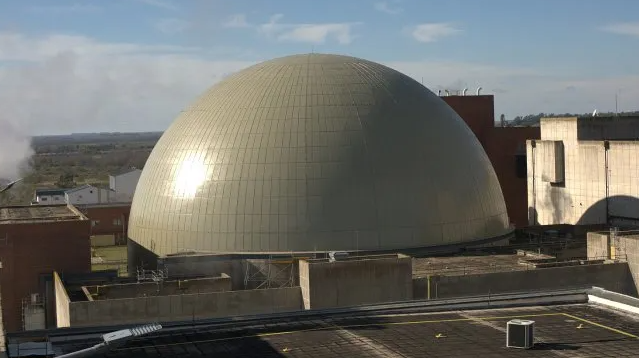
Argentina's nuclear power generates 4.45 million kWh in half a year, accounting for over 7% of national electricity and meeting the residential electricity needs of 6 million people
Operating data from Nucleoeléctrica Argentina for the first half of 2026 shows that the Atucha 2 and Embalse nuclear power plants generated a combined 4,450,355 kWh, accounting for over 7% of the country's total electricity generation during the period and covering 13% of national residential electricity demand. Notably, although Atucha 1 is temporarily out of service due to a life extension project, the nuclear plants are still able to supply electricity to approximately 6 million people. In addition to its operational breakthroughs, Nucleoeléctrica Argentina is also actively expanding its international business. The company has formally established a new business unit aimed at...
2026-08-06
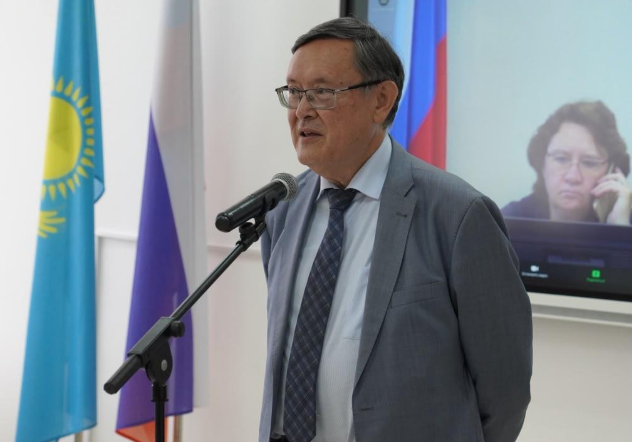
Kazakhstan Welcomes Its First Cohort of Nuclear Industry Specialists
On August 5, the inaugural graduation ceremony was held in Almaty for the first cohort of students at the Kazakhstan branch campus of the National Research Nuclear University MEPhI (НИЯУ МИФИ). Timur Zhantikin, Vice Chairman of the Atomic Energy Agency of Kazakhstan, attended the ceremony and presented diplomas to the graduates. In his address, he noted that as Kazakhstan's atomic energy industry enters a new phase of development, the demand for specialized professionals continues to grow, and the targeted training programs offered by the branch campus are crucial to filling this gap. The graduation of this first cohort marks the beginning of Kazakhstan's establishment of an independent domestic nuclear talent cultivation system. For a long time, Kazakhstan's nuclear industry has relied on overseas education or on-the-job training to supplement its engineering workforce...
2026-08-06
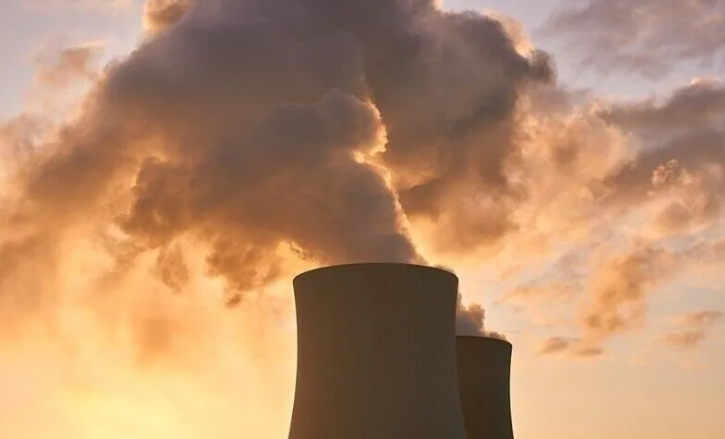
World Nuclear Association: Global Nuclear Power Investment Must Reach $250 Billion Annually to Support Tripling of Installed Capacity by 2050
Global nuclear power investment is expected to see significant growth, with annual investment needs potentially exceeding $250 billion by 2050 to meet rising world energy demand. According to a report by the World Nuclear Association (WNA), this investment scale aims to at least triple global nuclear power installed capacity and is supported by 38 countries. This represents a potential investment opportunity of up to $6 trillion for the nuclear power industry, attracting widespread attention. In addition to government funding, private sector capital participation is crucial to the comprehensive development of nuclear power. The report emphasizes that investment should not only focus on new nuclear power plant construction but also expand the nuclear fuel cycle to support large-scale operations, ensure energy supply...
2026-08-06
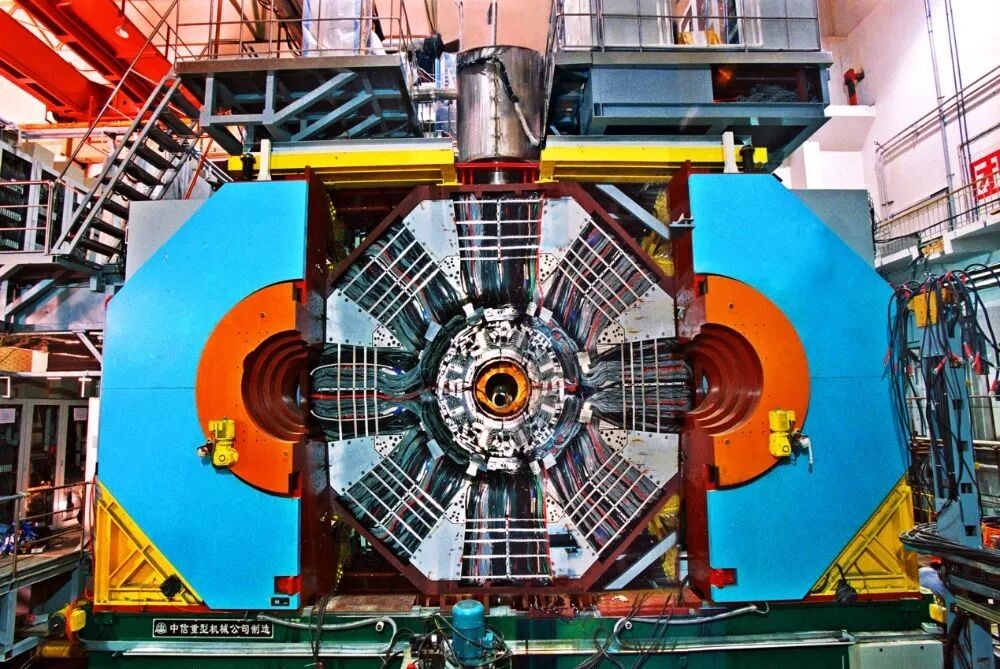
BESIII Experiment First Confirms the Existence of Glueballs
On August 6, Beijing time, the international collaboration of the Beijing Spectrometer III experiment (BESIII) at the Beijing Electron-Positron Collider announced at the International Conference on High Energy Physics (ICHEP 2026) held in Brazil, in the form of a special plenary report: after 15 years of sustained research, the BESIII experiment has established a complete chain of evidence proving the existence of glueballs, unraveling the mystery that has puzzled the academic community for nearly half a century. This discovery not only provides a decisive validation of the theory of quantum chromodynamics, but also demonstrates the existence of a completely new form of matter—matter composed purely of force. Atomic nuclei are composed of protons and neutrons, which in turn are composed of quarks. Gluons mediate the strong interaction between quarks...
2026-08-06
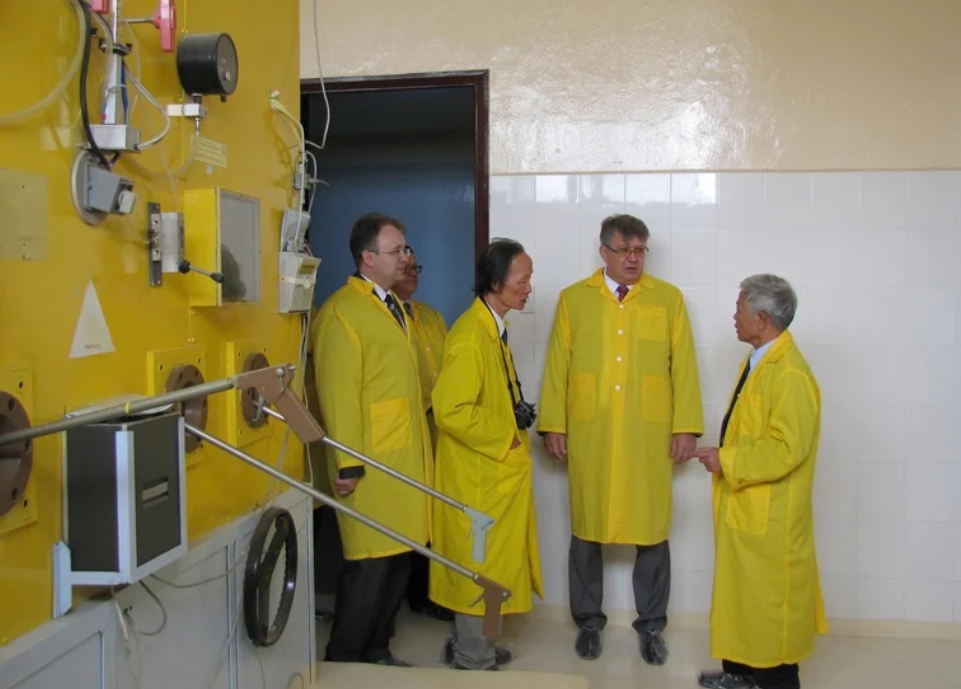
Vietnam Issues 470 International Nuclear Energy Standards Covering the Full Chain of Nuclear Power Plants, Research Reactors, SMRs, and Radiation Protection
Vietnam is preparing for nuclear energy development, with the Ministry of Science and Technology recently issuing a list of 470 international and foreign standards directly applicable to the atomic energy sector. These standards cover multiple aspects including safety, design, operation, equipment, personnel, radiation protection, nuclear security, and accident response, aiming to ensure the safe and reliable operation of nuclear facilities throughout their entire lifecycle. The list encompasses requirements across a wide range of fields, from nuclear power plants and research reactors to fuel technology, monitoring systems, radioactive waste management, and nuclear security. For nuclear power plants, the standards cover analysis, safety assessment, design, commissioning, equipment classification, accident management, aging management, maintenance...
2026-08-06
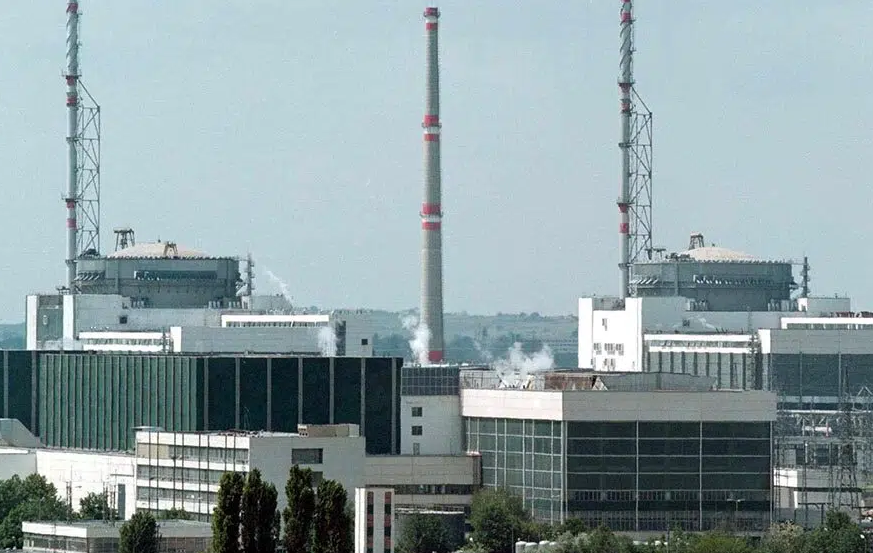
Bulgaria's Kozloduy Units 5 and 6 VVER-1000 Continue Stable Power Generation
Bulgaria's Ministry of Energy confirmed on August 4 that Units 5 and 6 (both VVER-1000) at the Kozloduy Nuclear Power Plant remain stably connected to the grid despite record-low Danube River water levels and an ongoing heatwave. Professional assessments indicate that even if the river level continues to decline at the current rate, no power reduction will be required for the next three weeks. Bulgarian authorities have confirmed that they maintain continuous contact with relevant institutions in Serbia and Romania to coordinate and monitor the situation on the Danube waterway. The stable operation of the Kozloduy Nuclear Power Plant comes at a time when neighboring operators along the Danube have been forced to reduce output or cease operations. Due to the sharp drop in water levels and rising river water temperatures, Hungary has had to significantly reduce power output and shut down the Paks Nuclear Power Plant, which supplies more than 40% of the country's electricity.
2026-08-06

Vietnam's Ministry of Science and Technology and Canada's Saskatchewan Province Strengthen Cooperation on Peaceful Use of Nuclear Technology
Vietnam and Canada's Saskatchewan Province are cooperating on the peaceful use of nuclear technology. Officials from both sides met in Hanoi on August 5, 2026, to discuss directions for cooperation in science, technology, and innovation, particularly in advanced nuclear technology. The Vietnamese side stated that as Vietnam's energy demand grows, ensuring a stable, green, and clean energy supply is of paramount importance, expressing strong interest in research on small modular reactors (SMRs) as well as CANDU reactor technology. During the meeting, both sides discussed strengthening cooperation among regulatory agencies, legal departments, and research organizations in the nuclear technology field, covering legal framework development, technical standards, nuclear safety and safeguards assessment licensing, accident response, and...
2026-08-06
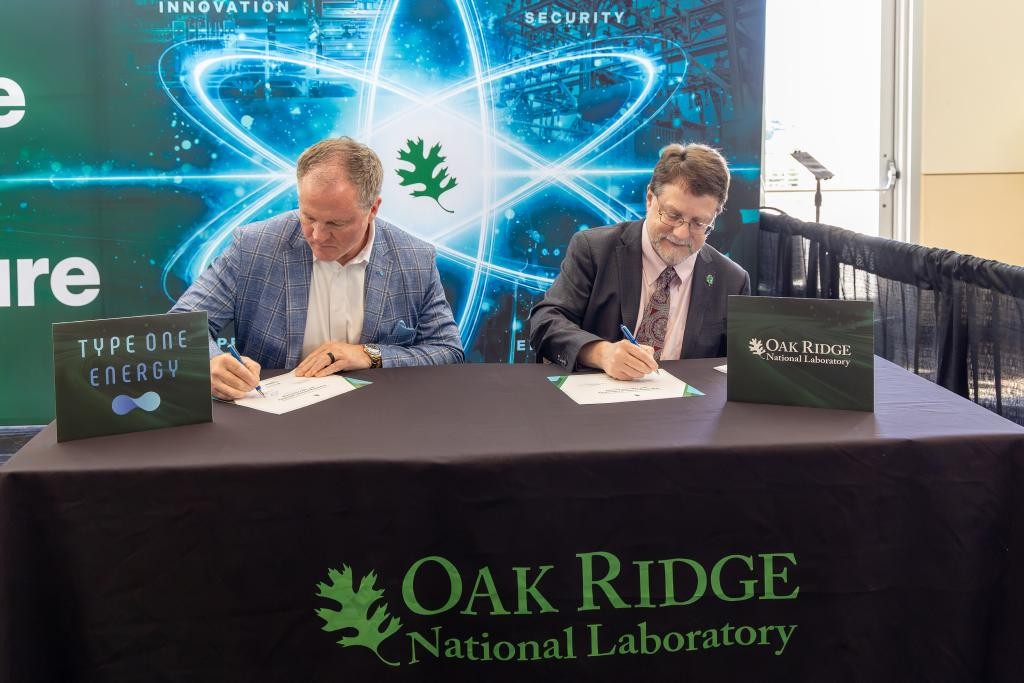
Oak Ridge National Laboratory Licenses Cryogenic Fuel Pellet Technology to Type One Energy
The U.S. Department of Energy's Oak Ridge National Laboratory (ORNL) has licensed a suite of cryogenic fuel pellet injection technologies to Type One Energy to advance fuel supply capabilities needed for high-performance fusion plasma operations. The two parties signed the licensing agreement on August 5 in Knoxville, Tennessee, USA. The license covers four ORNL inventions, primarily related to the design and operation of cryogenic fuel pellet injection systems. The technology forms solid hydrogen isotope fuel pellets at cryogenic temperatures near absolute zero and injects them into fusion plasma at high speeds. Compared with methods such as gas injection, pellet injection is more effective at delivering fuel deeper into the plasma...
2026-08-06

First American Nuclear Company (FANCO) Receives DOE Funding to Accelerate Advanced Nuclear Reactor Development
First American Nuclear Company (FANCO) has received two Rapid Turnaround Experiment (RTE) awards from the U.S. Department of Energy's Office of Nuclear Energy, enabling the company to leverage specialized national laboratory research capabilities to support the development of its EAGL-1 small modular reactor. These awards were granted during the FY2026 RTE selection cycle, which evaluates proposals based on technical superiority, feasibility, and relevance to DOE's nuclear energy programs. The program provides researchers with free access to radiation testing, post-irradiation examination facilities, and technical expertise. FANCO-approved research projects include a study on the effects of extrusion temperature on FeCrAl-ODS alloys in liquid metal fast...
2026-08-06

Two Advanced Materials Research Projects by 1st American Nuclear Co. Supported by U.S. Department of Energy Nuclear Science User Facilities Program
1st American Nuclear Co. (FANCO) announced on August 3 that two research proposals submitted by its scientists have been selected for support under the Nuclear Science User Facilities (NSUF) program of the U.S. Department of Energy Office of Nuclear Energy. Both selected projects come from the NSUF Fiscal Year 2026 Rapid Turnaround Experiment (RTE) review cycle, with research focused on next-generation reactor materials and fuel-related issues. The NSUF Rapid Turnaround Experiment program is open to nuclear energy researchers and primarily provides irradiation testing, post-irradiation examination capabilities, and related technical support...
2026-08-06
US Firm Standard Nuclear's Two New TRISO Fuel Plants to Enter Production by 2026, Expanding Independent US Capacity
US nuclear fuel manufacturer Standard Nuclear announced that "major construction is substantially complete" at its two TRISO fuel production facilities, SN-TN in Tennessee and SN-ID in Idaho, and that the US Department of Energy has approved the Preliminary Documented Safety Analysis (PDSA) for both plants. The two facilities share an identical design and are expected to sequentially commence commissioning and licensing before the end of 2026. Authorized under the DOE's "Fuel Line Pilot Program," each plant will initially produce up to 1 metric ton of uranium (MTU) per year of TRISO fuel, with a combined ramp-up target of 5 MTU/year in the long term, forming a tiered supply alongside the company's existing SN-0 facility (0.5 MTU/year) operating in Oak Ridge. Standard Nuclear describes itself as "the only independent TRISO fuel manufacturer in the US," having been restructured from the fuel business of Ultra Safe Nuclear following its bankruptcy in 2024 (with USNC's reactor business acquired by Nano Nuclear). Its operations cover power reactor fuel as well as space and defense radioisotope power sources. The company also participates in the DOE's Fuel Line Pilot and Surplus Plutonium Disposition programs, has been allocated HALEU by the DOE for fuel fabrication, and has established a joint-venture TRISO line at Framatome's NRC-licensed fuel facility in Richland, Washington.
2026-08-06

Trump Administration Revives Spent Fuel Disposal Plan, Seeks State Cooperation
The Trump administration is reshaping spent fuel policy, attempting to restart a long-stalled permanent disposal program through a combination of administrative and legislative measures. This initiative aims to address the growing accumulation of spent fuel, a long-standing issue that has lacked an effective solution. To fund the Nuclear Waste Fund and restore the Department of Energy's access to its $50 billion in resources, the draft legislation proposes reinstating surcharges on nuclear power plants. The core of this policy shift lies in seeking state government participation and cooperation, hoping that states will proactively assume a leading role in spent fuel disposal. While at least two states have already expressed willingness to serve as potential candidate sites, long-time advocates and researchers monitoring the issue warn that significant political resistance and logistical challenges lie ahead.
2026-08-06
Krško Nuclear Power Plant to Reduce Power Output Due to Sava River Water Temperature Pressure
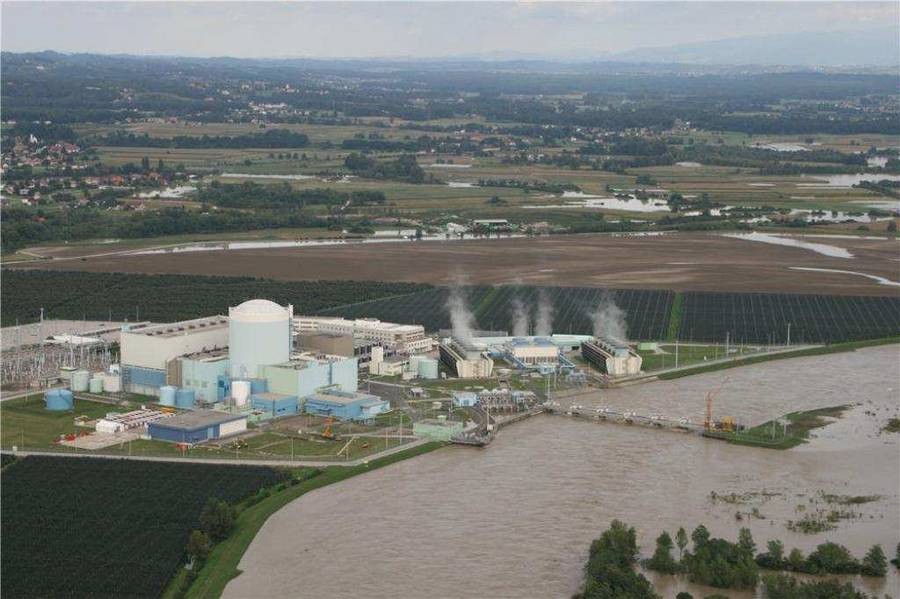
The Krško Nuclear Power Plant (Krško NPP) announced that, due to persistent abnormal hydrological and meteorological conditions in the Sava River, it will begin gradually reducing reactor power from the evening of August 6 to prevent river water temperatures from exceeding environmental standards. In the first phase, the unit's power output will be reduced to 80% of its maximum generating capacity. The plant stated that this power reduction is a planned, controlled, and temporary measure aimed at ensuring the Sava River water temperature remains within permissible limits. Relevant environmental standards stipulate that the daily average water temperature must not exceed 28 degrees Celsius, and the temperature increase of the river water caused by the plant's operation must not exceed 3 degrees Celsius. The management of the Krško Nuclear Power Plant also stated...
2026-08-06