
Search Results
Keyword:UE
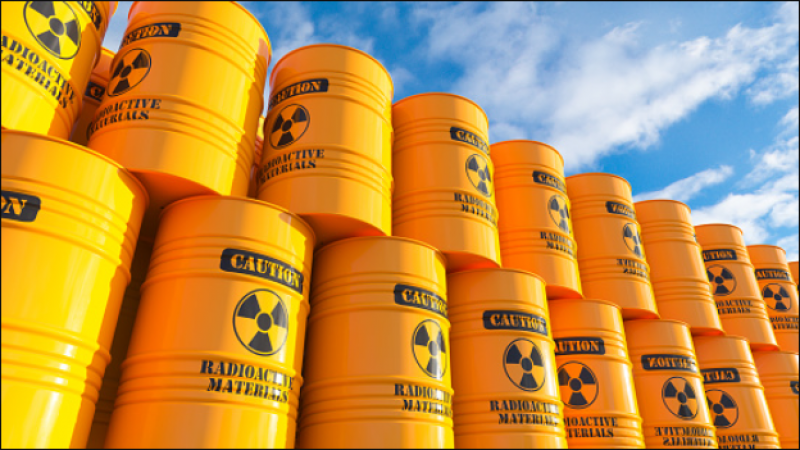
Russian Researchers Develop High-Wear-Resistant Steel Sample for Nuclear Waste Processing
Novosibirsk State Technical University (NSTU) recently announced that Russian researchers have developed a steel sample with reinforcing elements. Experimental results show that the durability of this material is approximately 4 times that of 5KhNM tool steel currently used in nuclear power plant waste processing equipment. The research focuses on improving precipitation hardening steel structures. Precipitation hardening steel is a special class of alloy material that, after quenching and holding at specific temperatures, precipitates fine, hard particles within the steel, thereby enhancing strength and wear resistance. The researchers aim to replace existing 5KhNM tool steel with new high-strength alloys...
2026-08-04
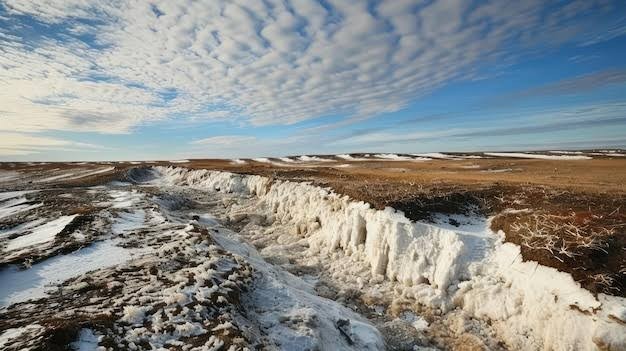
Carbon isotope analysis reveals: Canadian Arctic seabed sediments can sequester part of permafrost organic carbon
News dated August 3, 2026: Researchers from the Alfred Wegener Institute and the Center for Marine Environmental Sciences at the University of Bremen conducted a study on permafrost coasts near Herschel Island (Qikiqtaruk) in Canada, finding that not all terrestrial organic carbon released by Arctic permafrost thaw and coastal erosion enters the atmosphere—a significant portion is instead stored in seabed sediments. The findings have been published in the journal *Nature Geoscience*. Arctic terrestrial permafrost ecosystems store approximately 130 billion tons of carbon from organic sources such as plant debris, while marine and river delta sediments contain an additional 40 billion tons. As Arctic warming accelerates...
2026-08-04
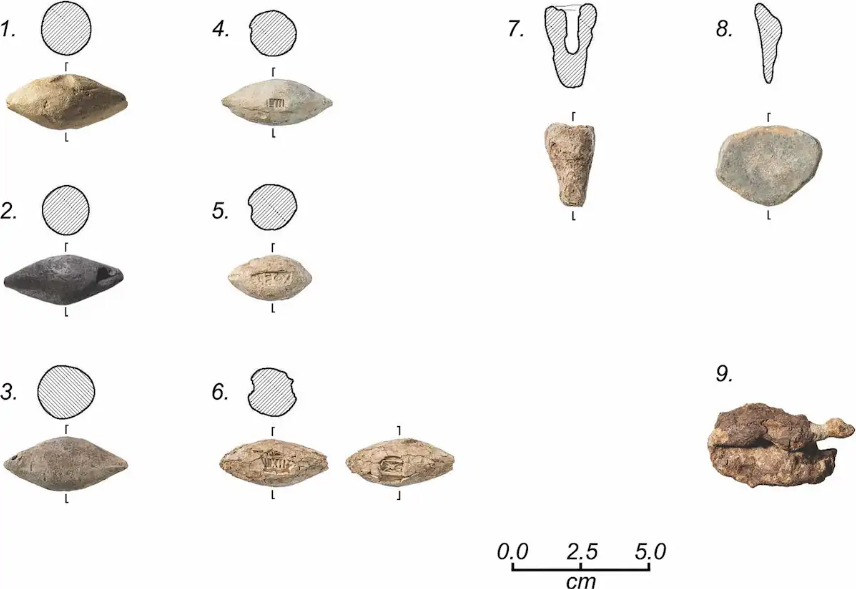
Lead isotope analysis of Roman sling bullets points to two supply routes in the Alpine conquest campaign
A lead isotope study of Roman lead sling bullets suggests that the Roman army's conquest of the Alps under Augustus may not have proceeded along a single continuous route, but rather involved different units or different supply systems. The objects studied come mainly from the Crap Ses site in the Surseiva valley of the canton of Graubünden, Switzerland, as well as from Brigantium and Tasgetium near Lake Constance further north. Over the past 25 years, archaeologists have discovered marching camps, battlefields, observation posts, small fort remains, as well as swords, shields, hobnails, coins, and nearly 500 lead sling bullets near Crap Ses. Many of these bullets bear inscriptions of the Third Legion...
2026-08-04

USDA Plans $25 Million Investment in Sterile Fly Release Facility in Arizona
The U.S. Department of Agriculture will invest $25 million to build a new sterile fly release facility in Arizona, strengthening efforts to control New World screwworm and reduce the risk of it invading American livestock herds. Agriculture Secretary Brooke Rollins announced the plan during a visit to the Douglas Port of Entry in Arizona. According to the department, releasing sterile flies is a key method for suppressing and ultimately eradicating New World screwworm populations. The proposed Arizona facility will enhance USDA's sterile fly release capacity and complement existing facilities and operations in Texas, Mexico, and Panama, further strengthening emergency response capabilities along the U.S. southwest border. The U.S...
2026-08-04
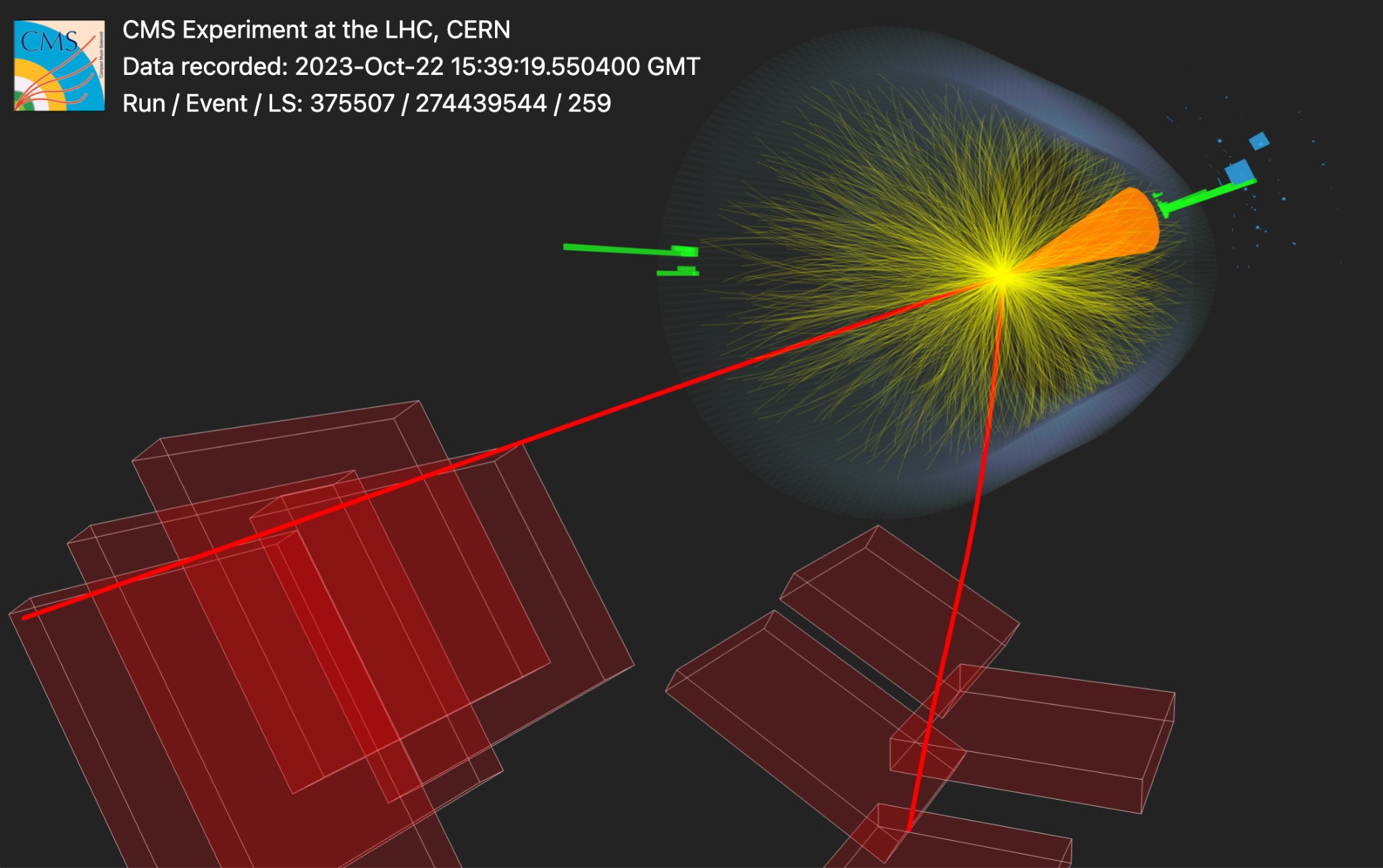
Unveiling Extreme Heat: Z Boson Probes New Mechanisms of the "Hottest Matter in the Universe"
Using Z boson probes at the Large Hadron Collider (LHC), scientists have revealed new details about how the hottest matter in the universe—the quark-gluon plasma (QGP)—absorbs energy, challenging existing theoretical models. This research provides important clues for understanding the state of the early universe shortly after the Big Bang. To gain deeper insights into the QGP, physicists cleverly employ Z bosons as messengers. Since Z bosons do not interact with the QGP, they can traverse the plasma almost unaffected, precisely recording information about the initial state. By analyzing the momentum differences between μons produced from Z boson decays and their recoiling jets, scientists were able to determine the energy lost by quarks as they traverse the QGP...
2026-08-04
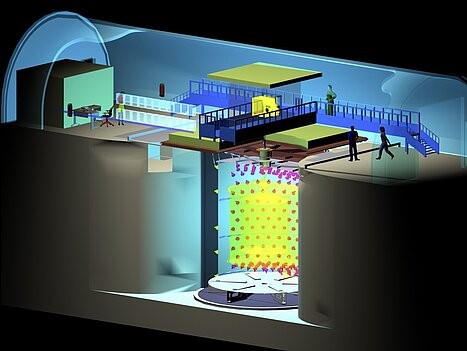
Antineutrinos Detected for the First Time in Spent Fuel Elements
Even after a nuclear reactor has been shut down, the radioactive fuel continues to emit a faint stream of antineutrinos. The Double Chooz collaboration, led by scientists from the Max Planck Institute for Nuclear Physics (MPIK), has succeeded for the first time in measuring this elusive signal, opening up new prospects for reactor monitoring, nuclear safety, and control procedures. The Double Chooz detector. Image credit: Double Chooz collaboration. The research team conducted these measurements at the Chooz nuclear power plant in northern France. The Double Chooz detector is located approximately 400 meters underground, in close proximity to two reactor cores. Inside, the detector contains more than 30 cubic meters of liquid scintillator material...
2026-08-04
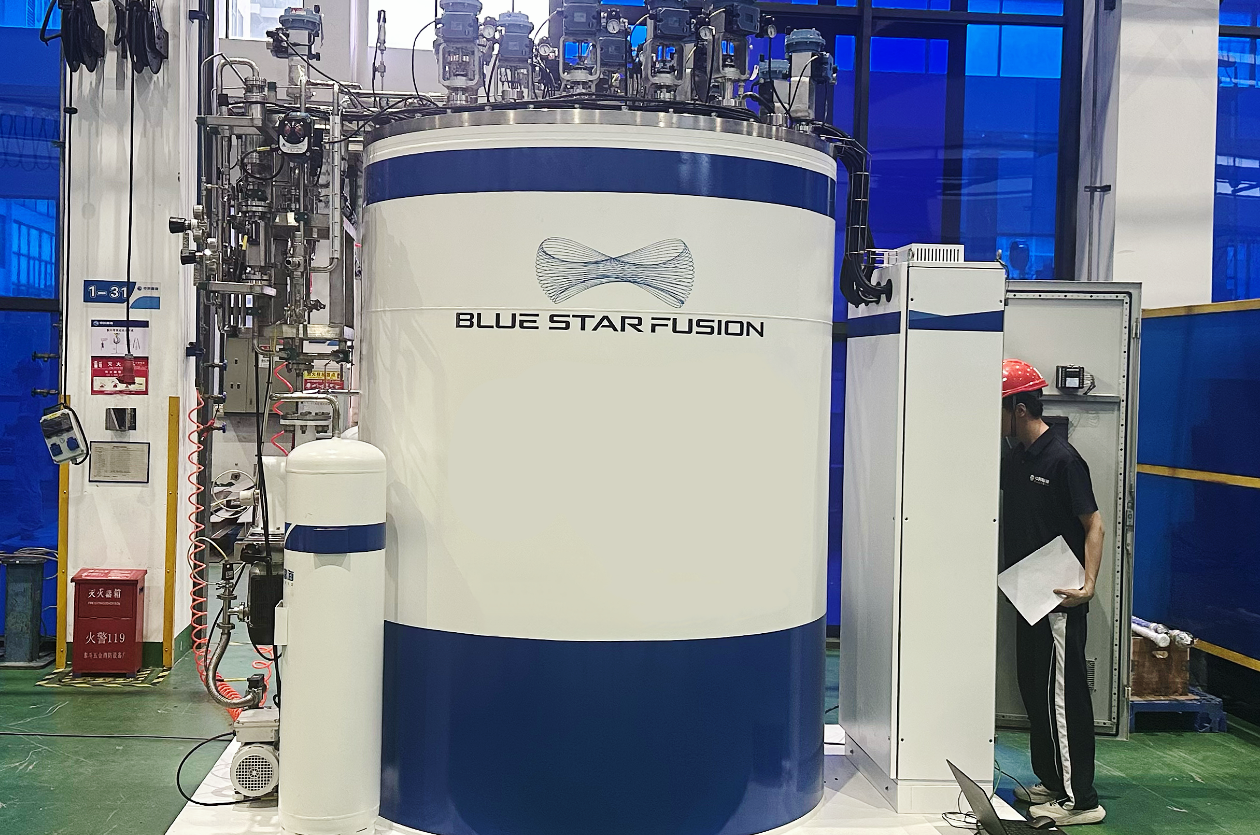
BlueStar Fusion Completes "Angel+" Round Financing, High-Temperature Superconducting Stellarator Project Moves to Engineering Implementation Phase
Recently, Hefei BlueStar Fusion Technology Co., Ltd. (BlueStar Fusion, hereinafter referred to as "BlueStar Fusion") completed an Angel+ round of financing on the scale of several hundred million RMB, with a post-investment valuation exceeding 3 billion RMB. Following the completion of this financing round, the company will continue to advance the verification of key components, engineering manufacturing, and full-system integration of the high-temperature superconducting stellarator, with the goal of initiating the construction of the Phase I high-temperature superconducting stellarator system by 2027. BlueStar Fusion was established in August 2025 and is primarily engaged in the R&D and engineering of high-temperature superconducting stellarator technology. The company has assembled a professional team of nearly 100 members, covering fusion physics, superconducting magnets, structures and precision manufacturing, cryogenic engineering, artificial intelligence, and other disciplines. Ex...
2026-08-04
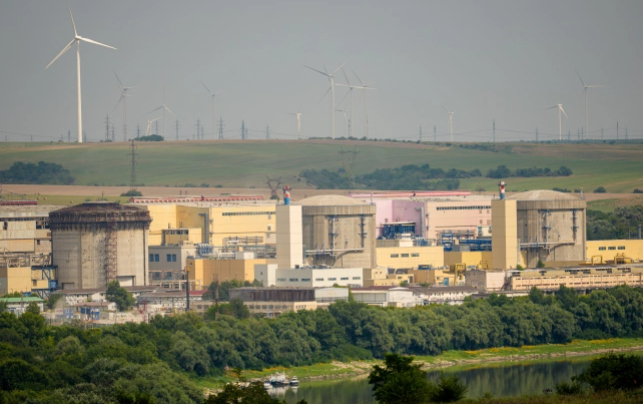
Unit 2 of Romania's Cernavoda Nuclear Power Plant can only operate for about 5 more days due to the continuously declining water level of the Danube River
Unit 2 of Romania's Cernavoda Nuclear Power Plant is expected to operate for only about five days due to the declining water level of the Danube River. Romeo Urjan, the plant's director, stated that if the Danube's water level continues to drop at a rate of 2 to 3 centimeters per day, Unit 2 will soon cease operation. Unit 1 has already been shut down due to insufficient water flow. Urjan emphasized that despite this, Unit 2 continues to operate within normal parameters, and nuclear safety is not under any threat. To alleviate the situation, relevant authorities are preparing to deploy four barges to divert more water to the plant, hoping to raise the water level by 7 to 8 centimeters, thereby extending the plant's operating time. Related...
2026-08-04

Montpellier, France, tests control of tiger mosquitoes by releasing 200,000 X-ray-sterilized males weekly
Montpellier, France, is testing a mosquito control strategy that does not rely on chemical insecticides by releasing X-ray-sterilized sterile male tiger mosquitoes, in response to the spread of tiger mosquitoes and the associated disease transmission risks. The trial has been underway since 2025 in the Malbosc residential area of Montpellier. This area is suitable for tiger mosquito breeding, and the trial team releases sterile male tiger mosquitoes at approximately 30 release points twice a week, about 100,000 per release, equivalent to roughly 200,000 per week across an area of about 50 hectares. The method is based on the sterile insect technique. Since only female mosquitoes bite and suck blood and may transmit viruses, and females typically mate only once in their lifetime, researchers release male mosquitoes that have lost their reproductive capacity after X-ray treatment into the wild to mate with wild females. The eggs subsequently laid by females fail to fertilize normally, thereby reducing the next generation of mosquito populations.
2026-08-03
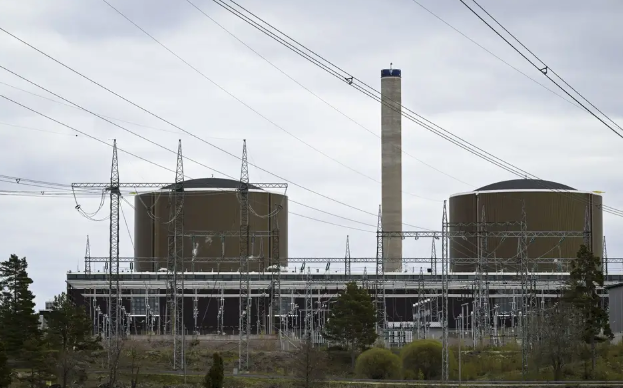
Annual maintenance outage begins at Finland's Loviisa nuclear power plant, spanning August 2 to October 18
The annual maintenance of Finland's Loviisa nuclear power plant began on August 2. Energy company Fortum stated that this annual maintenance will be carried out from August 2 to October 18. During the maintenance period, several modernization projects related to extending the plant's service life will also be launched. The maintenance will first be carried out on Unit 2, followed by Unit 1. Fortum stated that while one unit is under maintenance, the other unit will continue normal power generation. The maintenance of Unit 2 is a large-scale annual inspection conducted once every eight years, which includes removing fuel from the reactor for inspection and pressure testing of the reactor vessel, as well as replacing...
2026-08-03
Behind India's Nuclear Power Expansion: Where Does Radioactive Waste Go? Government Details Management Process in Parliament for First Time
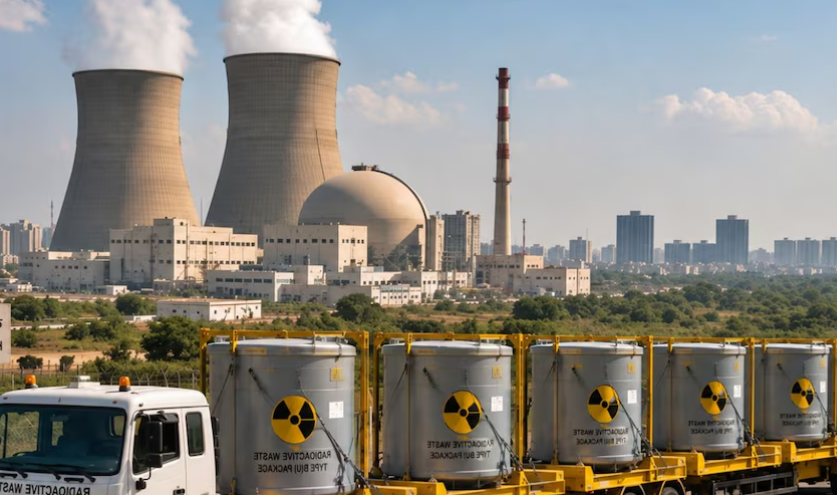
India is rapidly advancing its nuclear power expansion, but the safe disposal of radioactive waste is the least-publicized challenge. The government has for the first time detailed in Parliament how it handles hazardous waste. In a written reply, the Department of Atomic Energy disclosed that all nuclear power plants in India generate an average of 0.15 cubic meters (approximately 150 liters) of solid radioactive waste per megawatt (MW) of capacity annually, including waste from operational and decommissioning phases, equivalent to about 1.5 household bathtubs in volume; radioactive waste quantities and disposal records are regularly reported to the Atomic Energy Regulatory Board (AERB). The operation and maintenance of nuclear power plants generate various types of radioactive waste, including spent filter cartridges, protective clothing, tools, equipment, and other items that come into contact with radioactive materials. Waste is categorized into gaseous...
2026-08-03

Rosatom Expects Revenue of $43.2 Billion in 2026
Rosatom expects its revenue to reach $43.2 billion in 2026, driven primarily by new products, international operations, and expansion in nuclear energy, technology, and logistics. The company plans to continue scaling up in the coming years, targeting consolidated revenue of approximately $50.8 billion by 2028, with businesses related to new technologies expected to grow by about 50%. To support this growth target, Rosatom will maintain an investment program exceeding $11.4 billion, focusing on projects that yield the best financial returns. Rosatom is actively implementing cost control and efficiency improvement measures, aiming to increase productivity by 12% annually and achieve a 10% wage increase...
2026-08-03
Progress and Cost Performance Management of the ITER Project Enhancement
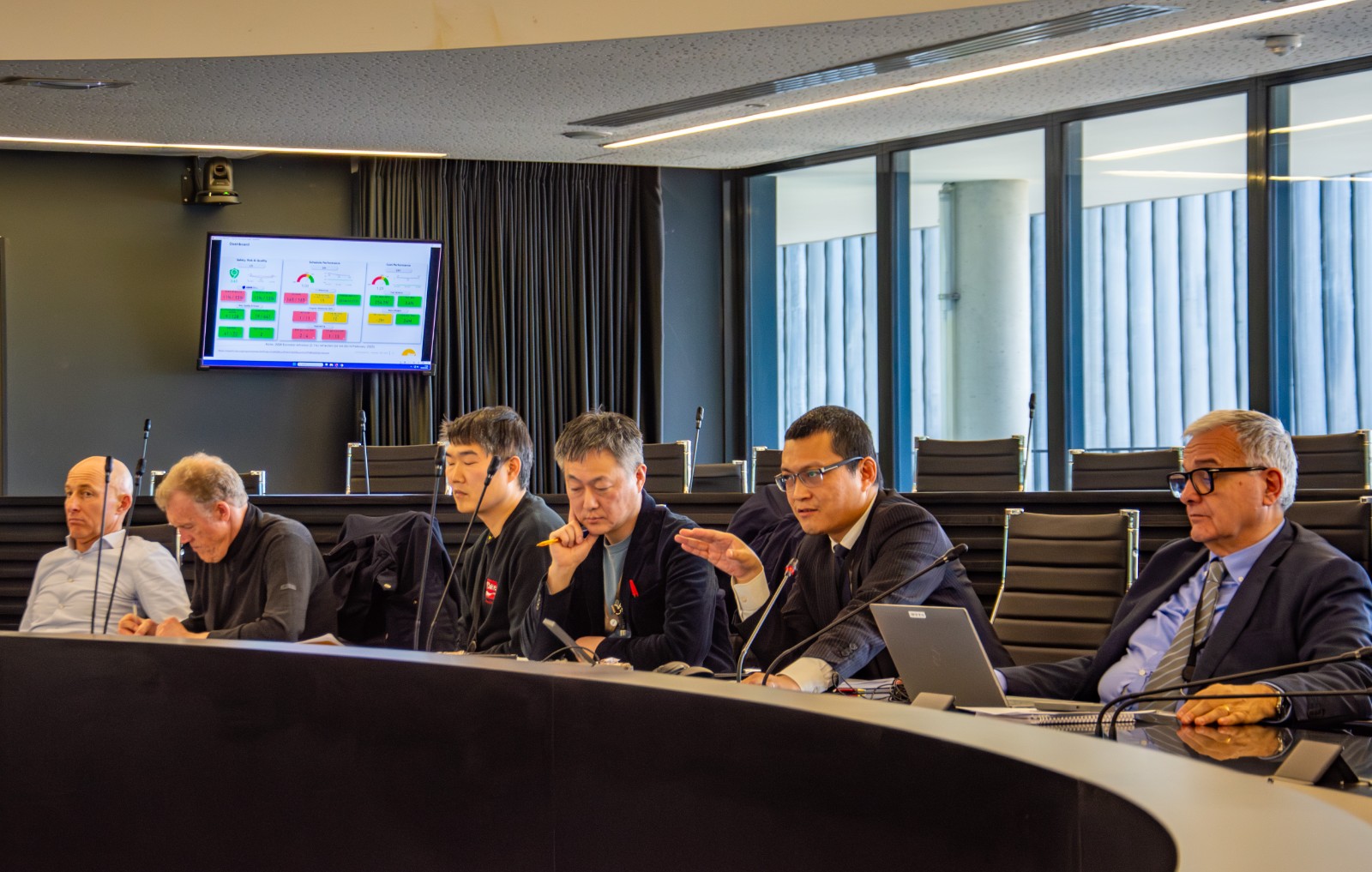
The ITER Organization reported on July 29 that, regarding the construction progress and cost control of the International Thermonuclear Experimental Reactor (ITER), the project team has established a more detailed monthly tracking mechanism, and regularly reports key performance indicators, updated estimates at completion, and milestone trend analyses to the ITER Council. The ITER project is large in scale with complex interfaces; management efforts involve not only overall schedule and budget but also continuous assessment of thousands of activities including design, manufacturing, component installation, commissioning, and operational readiness. For tasks on the critical path, even delays of a few weeks can have cascading effects on multiple construction work packages. To identify...
2026-08-03
Utah Finalist for DOE Nuclear Fuel Cycle Site, with Great Salt Lake Rescue as Bargaining Chip
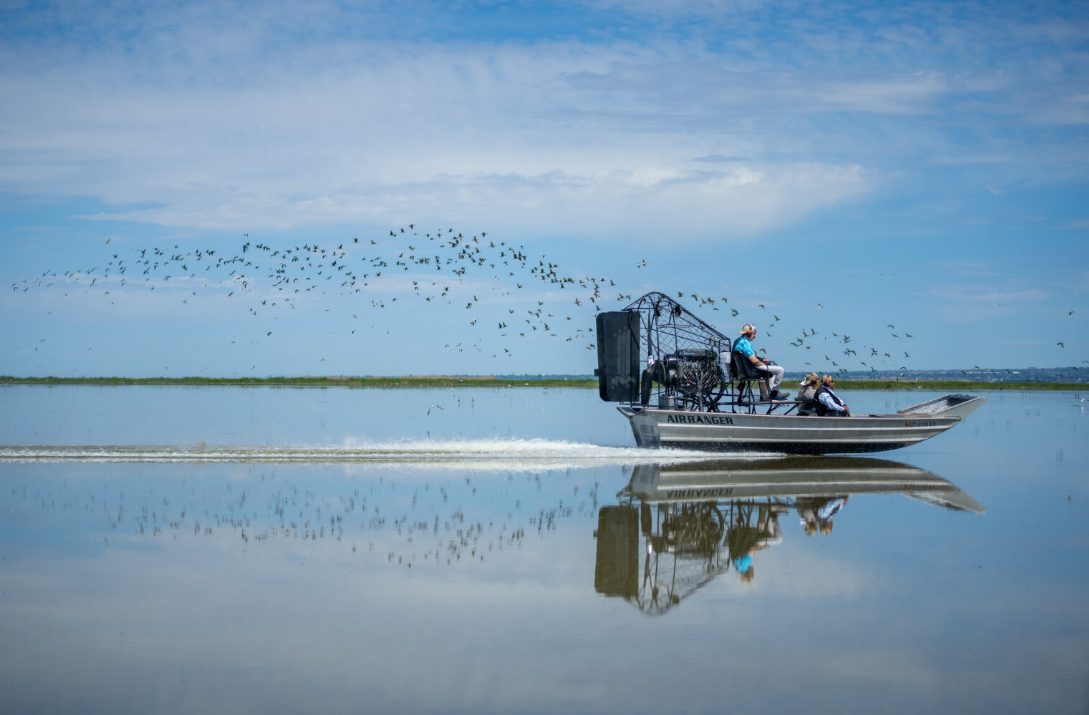
Utah is seeking an agreement with the U.S. Department of Energy (DOE), hoping to secure federal nuclear hub status while also gaining assistance in addressing the Great Salt Lake crisis. Governor Spencer Cox and U.S. Energy Secretary Chris Wright signed a memorandum agreeing to collaborate on realizing the full value of the nuclear fuel cycle. However, this agreement does not mean Utah has decided to build the nuclear hub, and the state will decline if it is deemed unsafe or disadvantageous. Currently, Utah is one of five states competing for the federal Nuclear Lifecycle Innovation Park, which aims to consolidate all aspects of the nuclear fuel cycle in one location, including fuel fabrication, enrichment,...
2026-08-03

Radiation protection expert Peter Bryant to lead University of Liverpool's Chadwick Institute for Nuclear Innovation
The University of Liverpool has announced that Professor Peter Bryant has been appointed as the Director of the newly established Chadwick Institute for Nuclear Innovation, with his tenure officially commencing in September 2026. The Chadwick Institute for Nuclear Innovation is named after Nobel laureate Sir James Chadwick, who served as Head of the Physics Department at the University of Liverpool and is renowned for his discovery of the neutron. The Institute will leverage the University of Liverpool's research expertise, innovative facilities, and strategic partnerships in the nuclear energy sector to advance research and talent development in nuclear innovation. Bryant has long been engaged in work related to the civil nuclear fuel cycle, with his research and management portfolio encompassing radiation protection, environmental permitting, radioactive waste...
2026-08-03