Registration
REGISTER FOR THE CONFERENCE
Registration
REGISTER FOR THE CONFERENCE
 Apply to Exhibit
APPLICATION FOR EXHIBITION
Apply to Exhibit
APPLICATION FOR EXHIBITION
 Sponsorship
SPONSORSHIP APPLICATION
Sponsorship
SPONSORSHIP APPLICATION
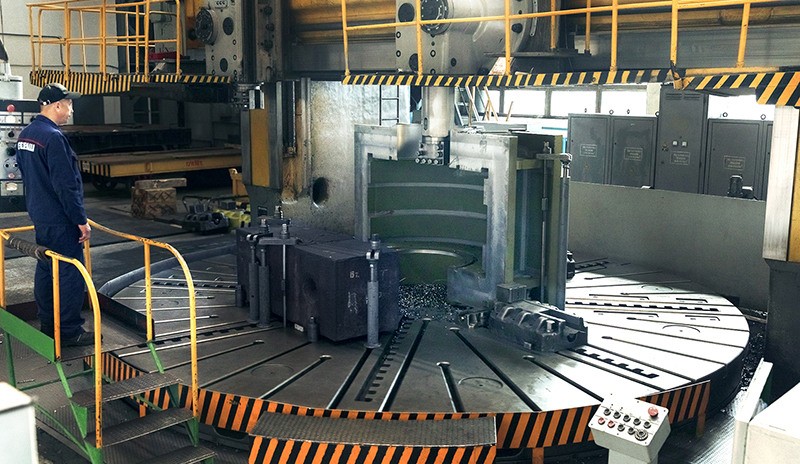
Sevmash Advances Production of Main Thrust Bearings for Icebreaker "Stalingrad"
Sevmash, a subsidiary of the United Shipbuilding Corporation (USC), is continuing production of the main thrust bearings for the Stalingrad, the sixth serial universal icebreaker of Project 22220. One set of bearings for this vessel comprises three bearing units. Currently, two of these units have been delivered to Workshop 16 for bearing housing machining; the bearing raceways are also being machined and assembled in this workshop. The housing of the third unit is being assembled in the plant's hull welding shop. Meanwhile, in a dedicated area of Sevmash Workshop 4, bearing internal filling operations are underway, including the manufacture of bushings and bearing housings with anti-friction layers and filling with hot Babbitt metal. Each unit requires the installation of 24 bearing housings. This stage is one of the most labor-intensive processes in bearing manufacturing.
2026-08-07
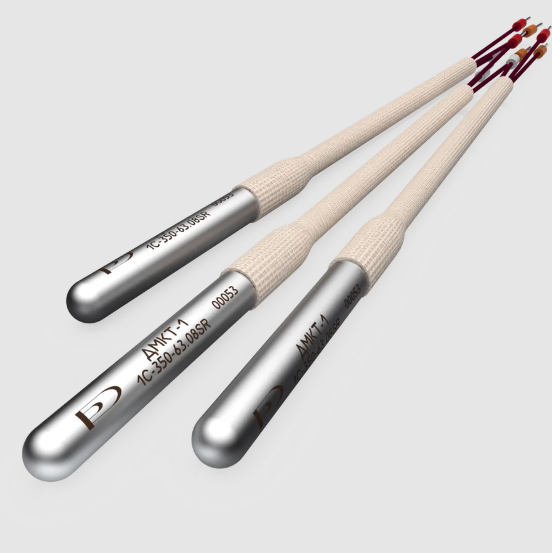
Rostec's RosEl Delivers First Batch of Vulkan Magnetic Contact Sensors
2026-08-07
Rosatom Completes First Batch of Certification for Energy Critical Information Infrastructure Products
2026-08-07
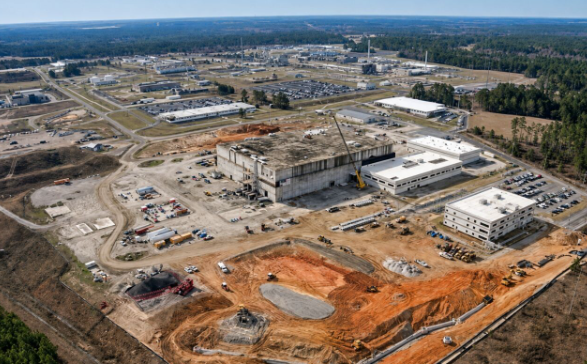
Newcleo Initiates U.S. Regulatory Pre-Application Engagement for MOX Fuel Facility, Accelerating Advanced Reactor Fuel Supply Chain Development
2026-08-07
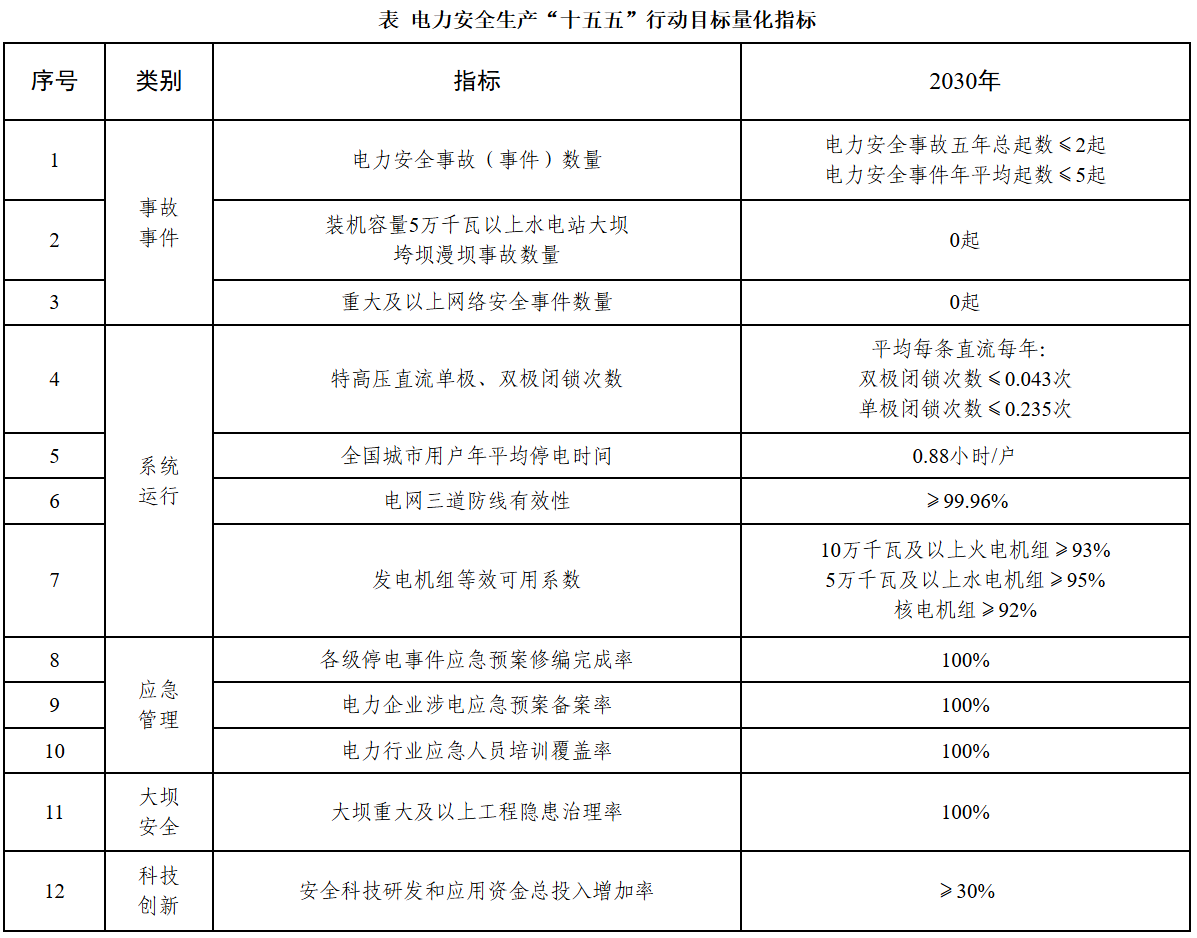
Notice of the National Energy Administration on Issuing the "15th Five-Year" Action Plan for Electric Power Safety Production
2026-08-07
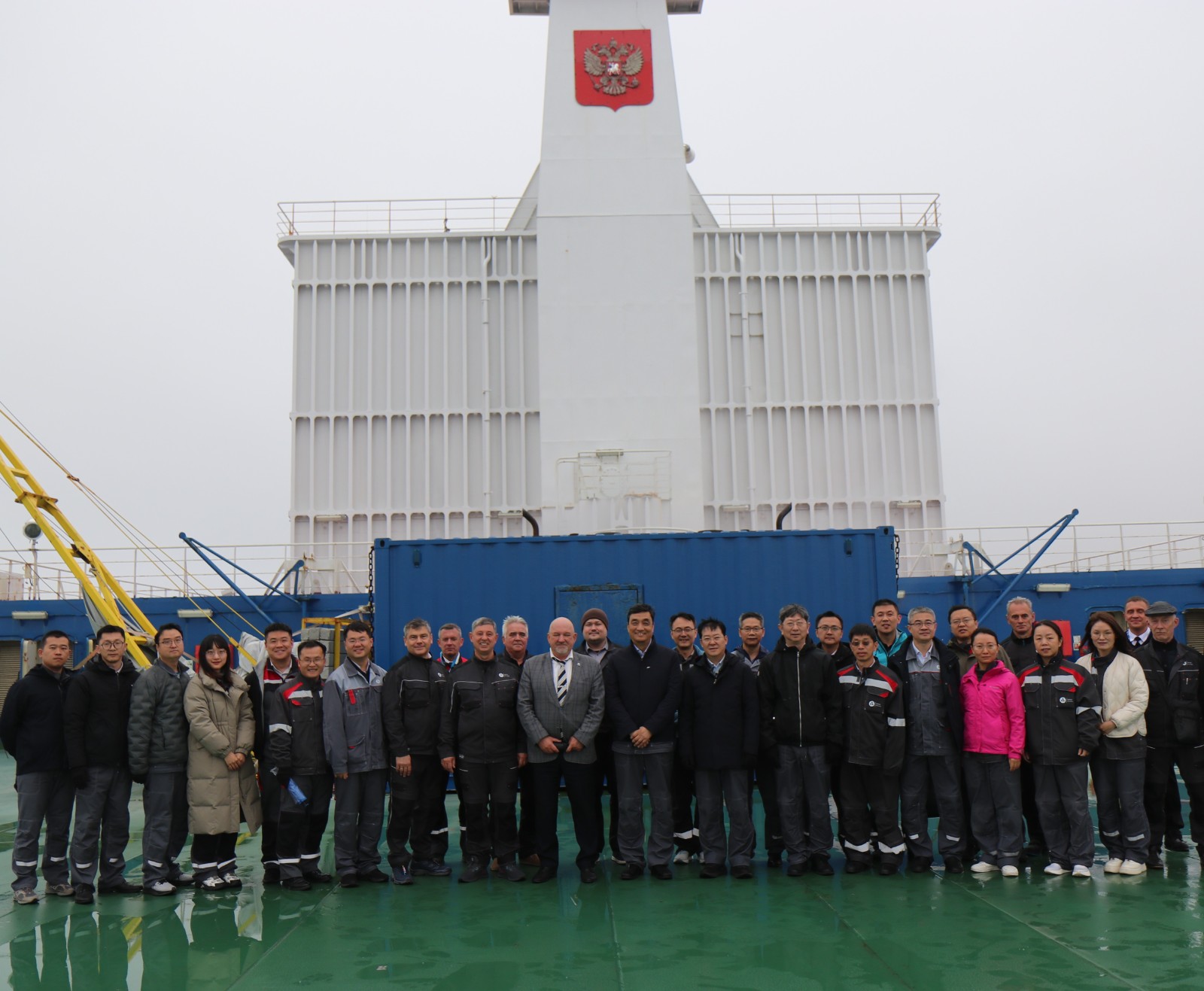
Chinese Nuclear Safety and Nuclear Industry Delegation Visits Russian Floating Nuclear Thermal Power Plant
2026-08-07

Seoul National University NEXFO Workshop: Exploring Sustainable Solutions for SMR and MMR
2026-08-07

South Korea's Taesung advances order for Unit 2 of US TerraPower SMR, pivoting to new track in nuclear power and gas turbine forgings
2026-08-07
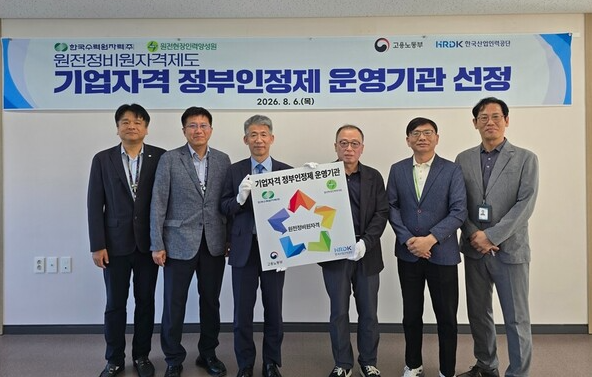
KHNP's "Integrated Nuclear Power Plant Maintenance Personnel Qualification System" Receives Official Government Recognition
2026-08-07

To effectively prevent and mitigate radiation safety risks, the Jinyuan Branch of the Taiyuan Municipal Ecology and Environment Bureau in Shanxi Province recently conducted special on-site inspections of radiation-related units within its jurisdiction, with the goals of comprehensive screening, consolidating responsibilities, improving mechanisms, and eliminating hazards, fully reinforcing corporate primary responsibilities and enhancing the standardized management of the radiation environment. The inspection team successively visited Shanxi International Travel Healthcare Center (Taiyuan Customs Port Outpatient Department) and Taiyuan Qimei Obstetrics and Gynecology Hospital Co., Ltd., strictly adhering to relevant laws and regulations, focusing on verifying the operating conditions of radiation devices, protective conditions in operational areas, safety interlock devices, and warning sign placement, while also conducting detailed reviews of radiation safety management systems, daily protection records, staff training files, emergency plans, and self-inspection assessment materials.
2026-08-07
The Korea Atomic Energy Environment Corporation (KAEEC) will conduct an investigation this year into seawater radioactivity levels along the maritime transport routes for radioactive waste from nuclear power plants, in order to assess the radiological environmental impact during the transport of radioactive waste to the Gyeongju low- and intermediate-level radioactive waste disposal facility. According to information released on August 6 by the Korea National Electronic Procurement System, KAEEC recently published a public notice regarding radiation analysis services for seawater samples collected along the maritime transport routes for low- and intermediate-level radioactive waste. Once the contractor is selected, the investigation is scheduled to be completed by the end of this year. Under the arrangement, KAEEC will conduct three maritime transport operations of radioactive waste this year, one each from the Gori, Hanul, and Hanbit nuclear power plants to the Gyeongju disposal facility...
2026-08-07
Oklo, a U.S. advanced nuclear technology company, announced on August 6 that its Groves Isotope Test Reactor has achieved a controlled self-sustaining nuclear chain reaction at low power, reaching first criticality. This milestone comes less than a year after the project broke ground. Groves Isotope Test Reactor facility (Image: Groves) The Groves low-power test reactor, located in Lockhart, Texas, is the first reactor to achieve criticality on private land under the U.S. Department of Energy's Reactor Pilot Program. According to Oklo, the facility was built from undeveloped land, completing civil excavation, engineering construction, component fabrication or procurement, fuel configuration, and...
2026-08-07
To thoroughly implement the national strategy for energy and resource security, promote the integration and mutual enhancement of oil and gas logging and uranium ore geological survey technologies, facilitate cross-industry research resource sharing and joint tackling of key technologies, recently, Wang Leli, Party Secretary of CNNC Western Geological Survey Center, led a team to CNPC Logging Geological Research Institute for a special technical exchange and discussion. At the meeting, Wan Jinbin, Party Secretary of CNPC Logging Geological Research Institute, systematically introduced mature technology systems including domestic integrated oil and gas logging equipment, downhole detection, petrophysical experiments, intelligent logging interpretation, deep well detection, and multi-source geological data analysis, and shared uranium exploration experience in oil- and gas-bearing basins through practical case studies. Wang Leli introduced the reform and development overview of the Western Center, its uranium exploration history, major achievements, and research directions such as technical difficulties and metallogenic prediction in uranium exploration of key northwestern basins.
2026-08-06
Korea Hydro & Nuclear Power (KHNP) plans to use the heavy water reactors at the Wolsong Nuclear Power Plant to produce, for the first time domestically, the radioisotope lutetium-177 (Lu-177) for cancer treatment. Currently, South Korea relies entirely on imports for this material, which imposes cost pressures and supply instability on local radiopharmaceutical companies such as Cellbion and FutureChem. Industry experts generally believe that domestic production will help build a diversified supply chain and shorten transportation times. The primary goal of this plan is to achieve commercial production of Lu-177, with pilot production expected in 2028 and full-scale production commencing in 2031. Subsequently, KHNP will expand production to include cobalt...
2026-08-06
Clobot, a specialized enterprise in intelligent robot services and integrated control of heterogeneous robots, announced on August 6 that it will apply its multi-robot integrated control system to radioactive waste safety management sites. On August 3, the company signed a business agreement at the headquarters of the Korea Atomic Energy Environment Corporation, with partners including T-Robotics, the Gyeongbuk ICT Convergence Industry Promotion Association, and the Korea Atomic Energy Environment Corporation, under the project name "Demonstration Project for Multi-Robot Operation in High-Risk Radioactive Waste Safety Management." The collaboration is based on the selection through the public call for proposals for the "Large-Scale Converged Robot Demonstration Project: Social Problem-Solving Type" hosted by the Korea Institute for Robot Industry Advancement in 2026, with Clobot serving as the lead organization.
2026-08-06
Researchers at the Massachusetts Institute of Technology (MIT) have developed a new method for observing how heat transfers through multilayer materials, which can be used to precisely measure heat flow variations inside electronic devices such as computer chips. The findings have been published in Nature Communications. As computer chips continue to shrink in size and power density keeps rising, device overheating has become a major factor limiting performance improvements. Traditional heat flow measurement methods face limitations when dealing with the multilayer structures of real electronic devices—for example, the commonly used time-domain thermoreflectance method struggles to distinguish heat transport in different material layers, while infrared imaging and other approaches also fail to capture rapid changes at microscopic scales. To address this issue...
2026-08-06