
Search Results
Keyword:3D

Rosatom and Petrovietnam to Build Additive Manufacturing Center Together
The Fuel Division of Rosatom and Petrovietnam signed an agreement to jointly advance a project to build an additive manufacturing center in Vietnam. The document exchange ceremony was held on September 9, 2026. Under the agreement, the two sides defined the scope of equipment and the delivery schedule required to establish a fully functional 3D printing center in Vietnam. The project is intended to introduce 3D printing equipment produced by the Fuel Division of Rosatom, using selective laser melting and direct laser deposition technologies for the manufacture of metal parts. At the same time, the agreement also includes arrangements for the delivery of related Russian equipment for heat treatment, turning, laboratory analysis, and other purposes. The Vietnamese side stated...
2026-09-10
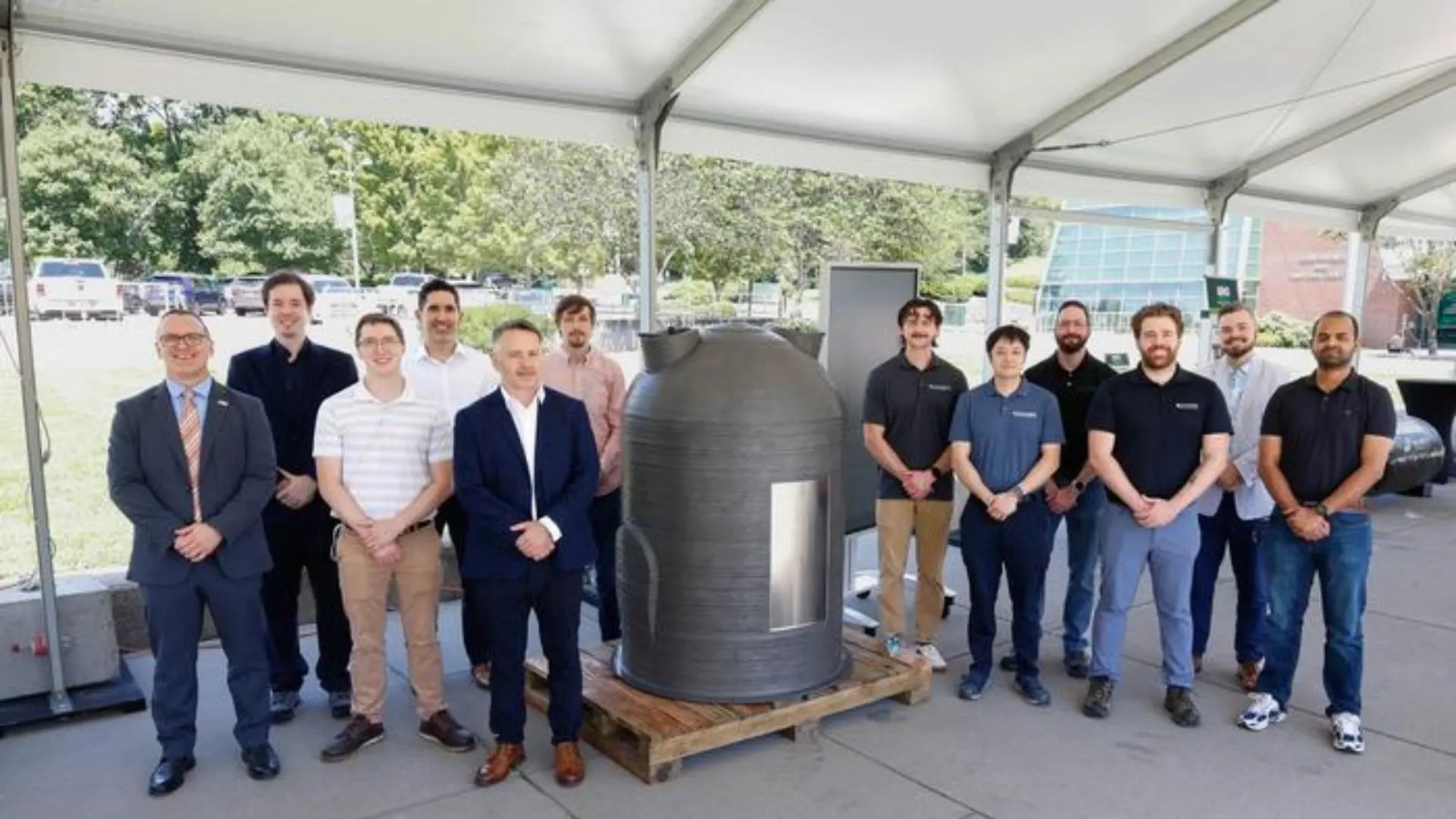
US Oak Ridge National Laboratory Advances 3D-Printed Nuclear Components Manufacturing and Certification
The US Oak Ridge National Laboratory (ORNL) is working with industry partners to advance the application of advanced manufacturing technologies, with a focus on heavy-duty 3D printing, AI-driven automated manufacturing, and digital qualification methods, to address issues such as unstable US industrial supply chains, shortages of skilled workers, and long lead times for large custom components. At an advanced manufacturing facility in Tennessee, ORNL demonstrated two large-scale 3D printing manufacturing cases for the nuclear energy sector. Among them, a three-arm robotic system called MedUSA printed a steel nuclear pressure vessel approximately 3 feet by 5 feet with complex dome geometry by guiding molten steel. Researchers said...
2026-09-10
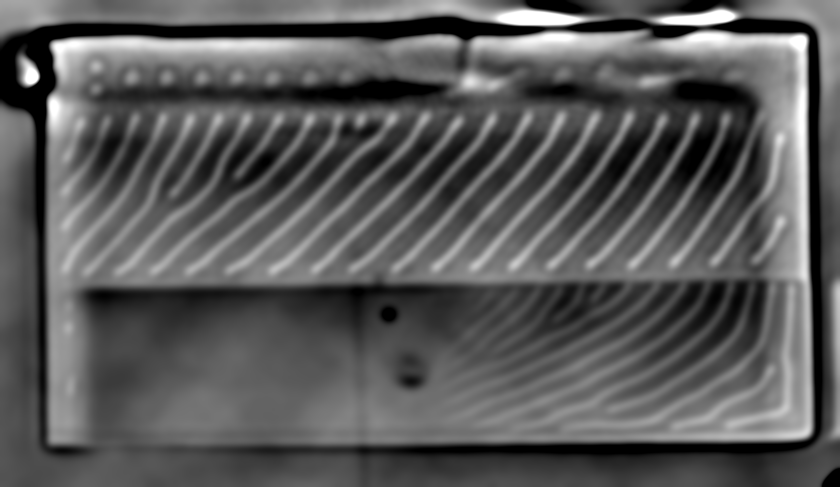
German BESSY II 3D Magnetic Field Experiments Reveal Mechanism of Weak Magnetic Field Control over Magnetic Textures
A team at the Helmholtz-Zentrum Berlin (HZB) in Germany has made progress in controlling magnetic textures in the magnetic material (Fe0.63Ni0.3Pd0.07)3P (abbreviated as FNPP) through 3D magnetic field experiments conducted at the BESSY II synchrotron facility. The research shows that a very small external in-plane magnetic field is sufficient to alter the magnetic stripe structure in this material, providing new experimental evidence for the development of functional magnetic materials for spintronics. FNPP is a magnetic material that exhibits complex magnetic structures at room temperature, making it a focus of spintronics research. Spintronics is considered promising for lower-energy data processing and novel data storage applications. However, to achieve practical applications, the key lies in...
2026-09-08
South Korea Develops 3D Non-Contact Inspection System for High-Temperature Superconducting Wire
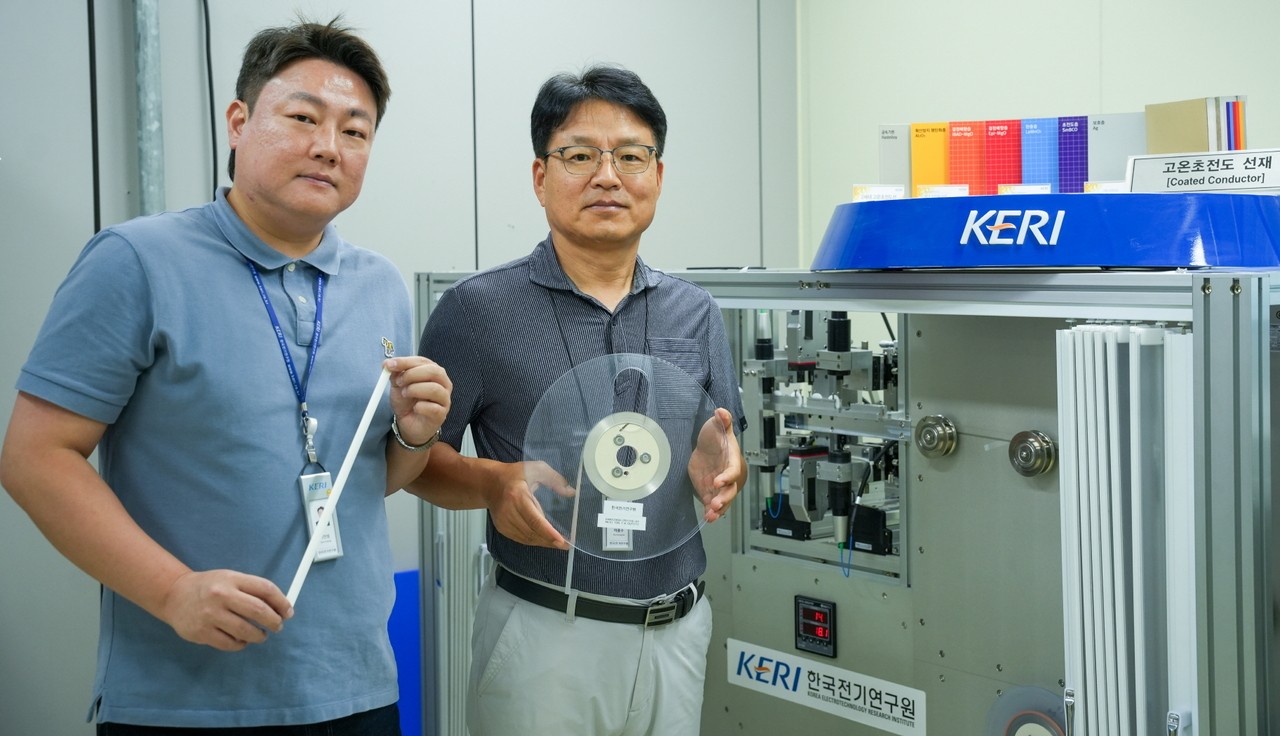
The Korea Electrotechnology Research Institute (KERI) recently announced that a research team led by Ha Hong-su and Park In-sung at its Low-Temperature Device Research Center has developed a three-dimensional non-contact ultra-precision inspection system capable of continuously measuring the thickness and width of high-temperature superconducting (HTS) wire. The institute stated that this is the world's first such inspection system for HTS wire. KERI researchers Ha Hong-su and Park In-sung pose with a high-temperature superconducting wire beside the 3D non-contact ultra-precision inspection system. [Korea Electrotechnology Research Institute] HTS wire exhibits near-zero electrical resistance below a specific temperature, enabling high-current, low-loss transmission,...
2026-09-07
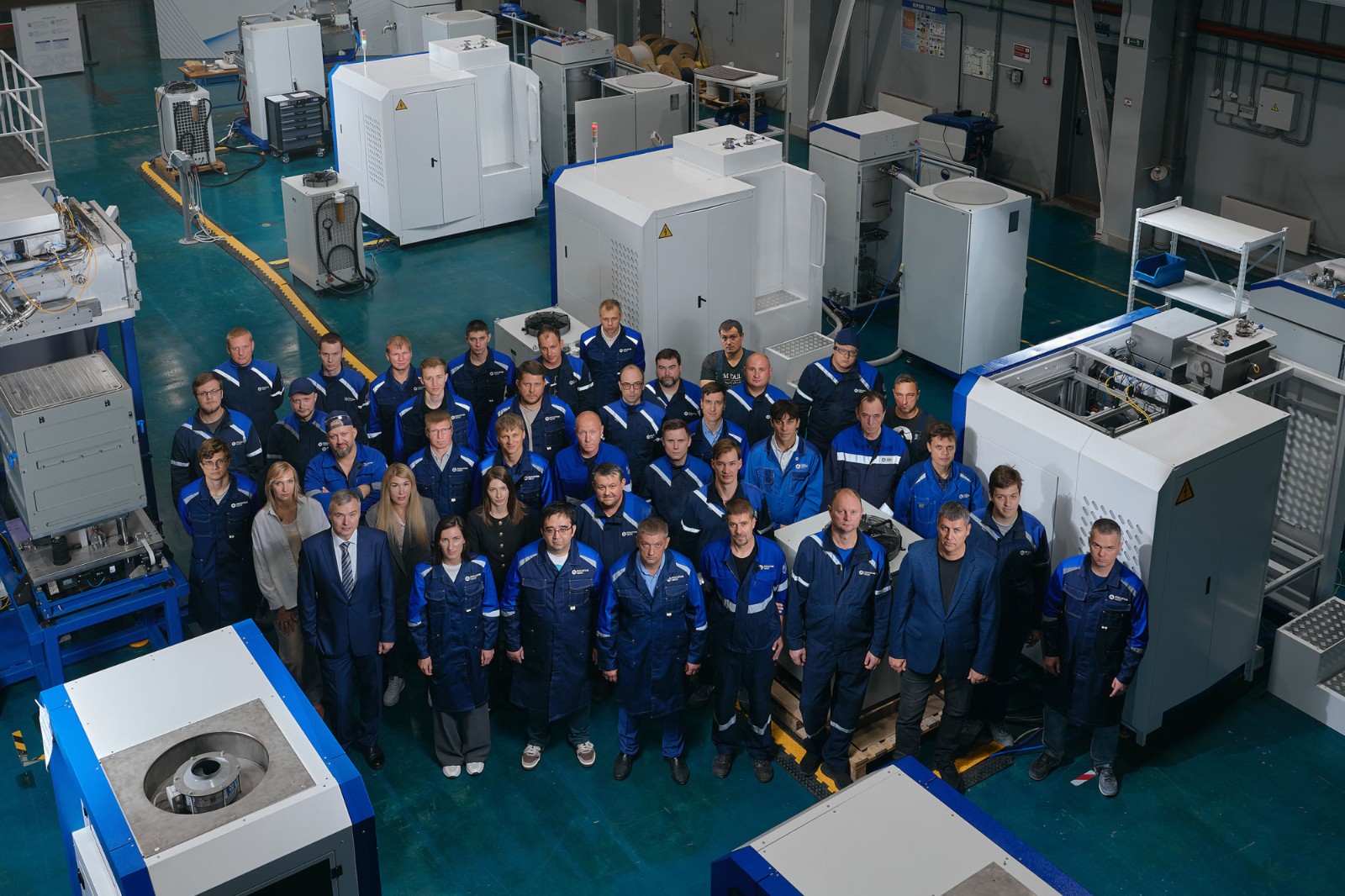
Rosatom Fuel Division Completes Assembly of 30th Industrial Metal 3D Printer
On September 3, 2026, the Moscow Additive Manufacturing Technology Center of Rosatom's Fuel Division completed the assembly of its 30th industrial metal 3D printer. The equipment is the medium-sized RusMelt 300M, a flagship model in Rosatom's metal 3D printer product line. The rollout of the 30th unit coincides with the 30th anniversary of TVEL JSC, the management company of Rosatom's Fuel Division. According to reports, the additive manufacturing technology business unit of Rosatom's Fuel Division currently produces industrial-grade 3D printers capable of meeting manufacturing needs for components of various sizes, utilizing mainstream metal additive manufacturing technologies such as selective laser melting (SLM), direct metal deposition (DMD), and electron beam additive manufacturing (EBAM)...
2026-09-04
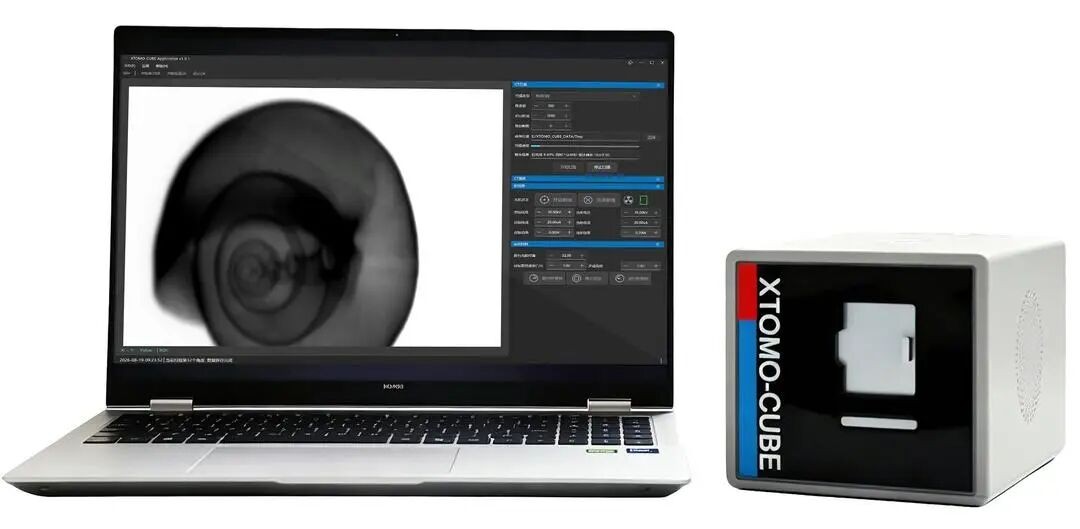
Domestically Developed "Palm-Sized CT" Debuts: 6 kg Micro X-ray CT Enables 3D Non-Destructive Testing
The XTOMO-CUBE series micro-CT, independently developed by Ruiying Detection Technology (Jinan) Co., Ltd., recently made its debut. With dimensions of 140×132×220 mm and a total weight of approximately 6 kg, the device can be held in one hand and is dubbed the "palm-sized CT." It can scan small-sized samples such as chicken bones, snail shells, and capsule tablets, revealing their internal three-dimensional structures. According to reports, CT stands for computed tomography technology. Compared with traditional CT equipment, the XTOMO-CUBE integrates key modules such as a miniaturized X-ray source, rotation stage, and detector into a compact body, paired with fully self-developed software capable of completing processes including projection data acquisition, CT image reconstruction, and 3D rendering. The...
2026-09-04

Lightbridge Multi-Zone Fuel Element Granted Japanese Patent, Covering Fuel Assemblies and 3D Printing Manufacturing Methods
Advanced nuclear fuel technology company Lightbridge Corporation recently announced that its Japanese patent application for a multi-zone fuel element has been granted by the Japan Patent Office. The patent covers the fuel element design, fuel assemblies incorporating the design, and methods of producing the element via additive manufacturing, i.e., 3D printing. According to the disclosure, the patent involves a fuel rod composed of three layers of different materials. The thickness of the three layers can vary along the length of the fuel rod, thereby regulating fuel performance at different positions in the reactor to enhance reactor operating performance and safety margins. In addition to the fuel rod itself, the patent also covers fuel assemblies for mounting these fuel rods.
2026-09-02
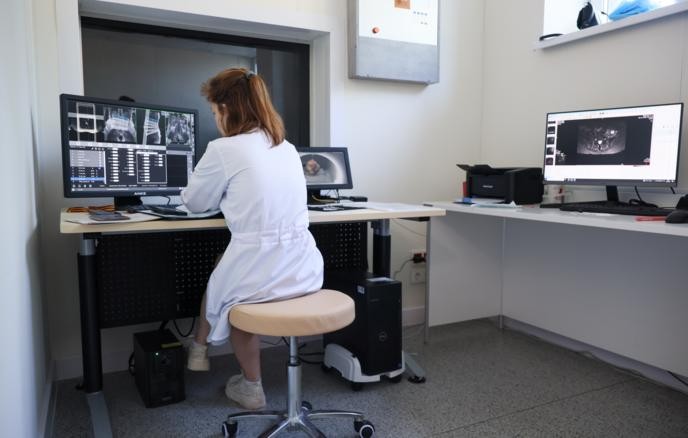
Russian scientists use 3D-printed tungsten grid to improve X-ray imaging quality, potentially reducing patient radiation exposure
The press service of the Russian Ministry of Education and Science recently stated that a Russian research team has used 3D printing technology to manufacture a tungsten-based anti-scatter grid for X-ray machines, with partition thickness only one-third that of similar products. The researchers believe this achievement could help reduce patient radiation exposure during X-ray examinations while maintaining medical image quality. During X-ray imaging, some rays scatter after passing through human tissue, creating background noise that weakens image contrast. Clinical equipment typically suppresses such interference through anti-scatter grids. Traditional anti-scatter grids are mostly made of lead, but lead has low mechanical strength and imposes high requirements on processing techniques, resulting in...
2026-09-01

3D Systems Collaborates with Savannah River National Laboratory to Advance 3D Printing in Nuclear Energy Systems
3D Systems Corporation of the United States announced on August 27 that it has signed a Cooperative Research and Development Agreement (CRADA) with Savannah River National Laboratory (SRNL), under which the two parties will conduct joint research and development on additive manufacturing technology to advance its application in advanced energy production, nuclear energy systems, energy infrastructure resilience, and related mission scenarios. Under the agreement, the two parties will leverage SRNL's Advanced Manufacturing Collaborative (AMC) to advance work in advanced materials development, equipment upgrades, AI and machine learning-assisted process optimization, manufacturing systems, cybersecurity, and workforce development. Collaboration goals include developing next-generation additive manufacturing materials, real-time process optimization tools, and scalable production solutions...
2026-08-28
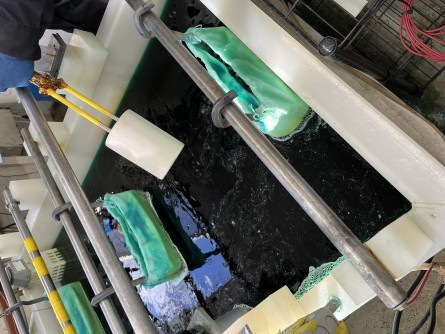
U.S. Develops Hybrid Process Combining Electroforming and 3D Printing for Critical Component Manufacturing in Advanced Nuclear Reactors
On August 24, local time, the U.S. Department of Energy's Oak Ridge National Laboratory (ORNL) announced that its scientists are collaborating with AJ Tuck Company (AJ Tuck) to develop a hybrid manufacturing process that combines 3D printing and electroforming to produce complex, leak-tight hot isostatic pressing canisters for powder metallurgy hot isostatic pressing processes. The process targets the manufacturing of critical metal components for advanced nuclear reactors and other energy and defense applications, with the goal of shortening production workflows and reducing reliance on traditional large-scale forging and casting supply chains. A hot isostatic pressing canister is a type of sealed container used to compact metal powders into high-performance metal components under high temperature and high pressure. Traditional hot...
2026-08-26

South Korean 3D-Printed Nuclear Power Plant Component Operates Continuously for 18 Months
Korea Hydro & Nuclear Power (KHNP) announced on August 26 that a nuclear power plant component manufactured using 3D printing technology has been in continuous operation for 18 months on a reactor unit. This marks the first time South Korea has completed long-term operational validation of a 3D-printed nuclear power plant component in actual service. The component is a multi-blade impeller used to cool the generator circuit breaker of a nuclear power plant. Traditional impellers typically consist of multiple blades mounted on a fixed plate, and the connection points between the fixed plate and blades are at risk of damage during long-term operation. KHNP completed the development of this impeller in 2024, switching to 3D printing to manufacture an integrated one-piece structure, thereby reducing weak connection points and improving component durability. Before being put into service, this 3D-printed impeller underwent...
2026-08-26

Rock Fusion Completes Key Processes for Stellarator 3D Non-Planar Superconducting Prototype Coil
Recently, the stellarator high-strength stainless steel armored 3D non-planar superconducting prototype coil developed by Rock Fusion (Shanghai) Technology Co., Ltd. has completed two key processes: 3D precision winding and ground insulation wrapping. The overall 3D geometric error of the coil is consistently controlled at the millimeter level, indicating that the company has preliminarily established key manufacturing processes including material adaptation, 3D precision forming, and insulation wrapping for high-field steady-state stellarator superconducting magnets. The stellarator is an important device for steady-state controlled nuclear fusion research, and 3D superconducting coils are used to generate the complex magnetic fields required to confine plasma. Unlike conventional planar coils, stellarator coils typically feature non-planar spatial structures with continuously varying curvature...
2026-08-25
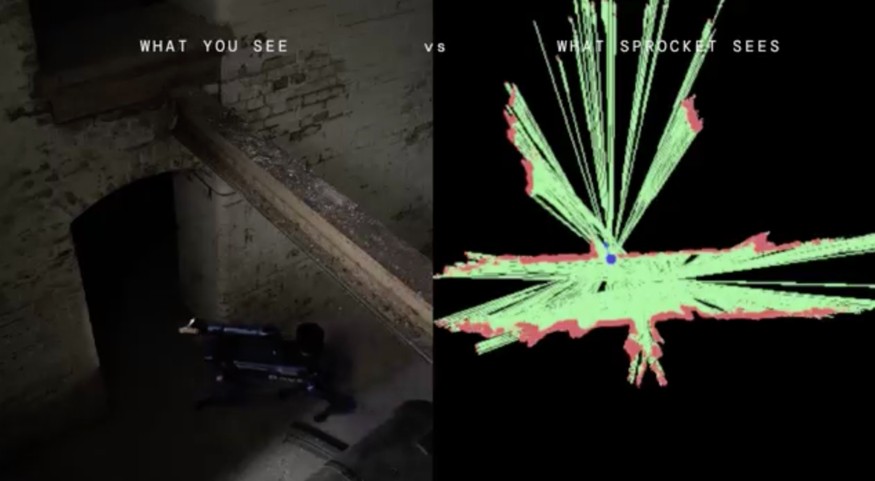
US Boston Dynamics and UK Roke Expand Spot Robot Reconnaissance Applications for Nuclear Facilities
US-based Boston Dynamics is expanding its collaboration with overseas specialized defense solutions companies to promote the application of its quadruped robot Spot in industrial, defense, and high-risk operational scenarios. Leveraging Spot's mature mobile platform capabilities, the company aims to further enter industry sectors with high demand for unmanned operations by integrating software systems designed for reconnaissance in hazardous environments. Boston Dynamics' quadruped robot Spot is equipped with autonomous reconnaissance software SPROCKET developed by UK-based Roke. (Image courtesy of Roke) UK defense security R&D company Roke announced on the 22nd that it has deployed Spot quadruped...
2026-08-23
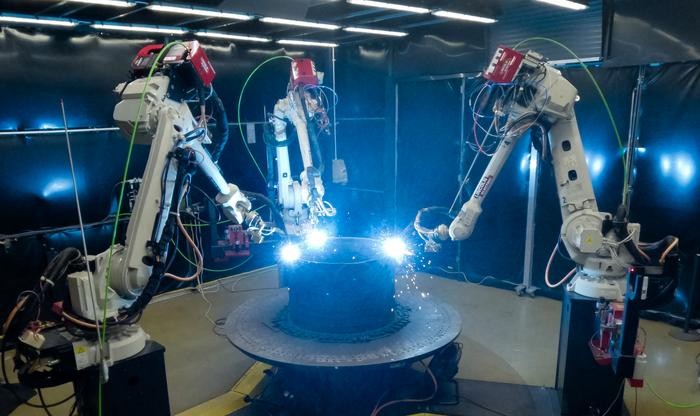
Two U.S. National Laboratories Collaborate to Advance Arc-Based 3D Printing of Nuclear Pressure Vessels
Oak Ridge National Laboratory (ORNL) and Idaho National Laboratory (INL), both under the U.S. Department of Energy (DOE), announced a collaboration focused on advancing wire-arc 3D printing technology for industrial pressure vessels and qualification capabilities for critical nuclear components, aiming to expand the U.S. domestic supply chain. The two laboratories unveiled the collaboration during the Materials and Manufacturing Innovation Day event hosted at Oak Ridge National Laboratory on August 19. The event focused on topics such as advanced manufacturing, nuclear infrastructure, energy security, and domestic supply chains, and featured demonstrations and tours of the DOE Manufacturing Demonstration Facility (MDF). This facility is a large-scale research platform open to industry, primarily...
2026-08-22
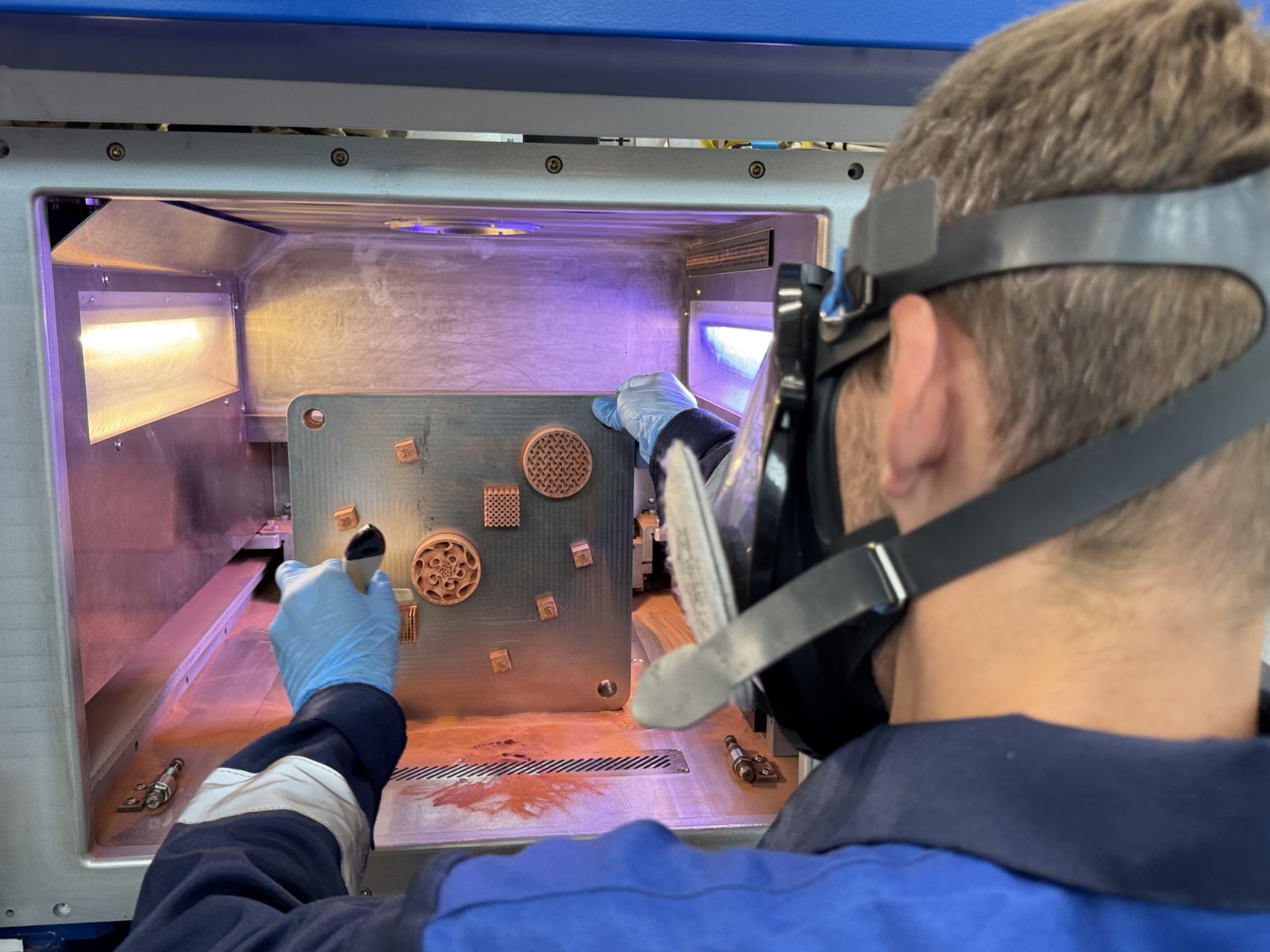
Rosatom masters 3D printing technology for copper and copper alloys
The additive manufacturing technology business division of Rosatom's Fuel Division recently announced that its experts have successfully manufactured products from copper and copper alloys using the RusMelt industrial 3D printer, marking progress in additive manufacturing with copper materials. According to reports, Rosatom had previously used selective laser melting (SLM) technology to produce metal 3D-printed equipment of various sizes, with commonly used materials including stainless steel, heat-resistant materials, and titanium. Due to copper's physical properties such as high thermal conductivity and high electrical conductivity, which also pose technical challenges for laser melting, its application in metal 3D printing has long been limited. The company's additive manufacturing technology center in Moscow...
2026-08-19