
Search Results
Keyword:ARC
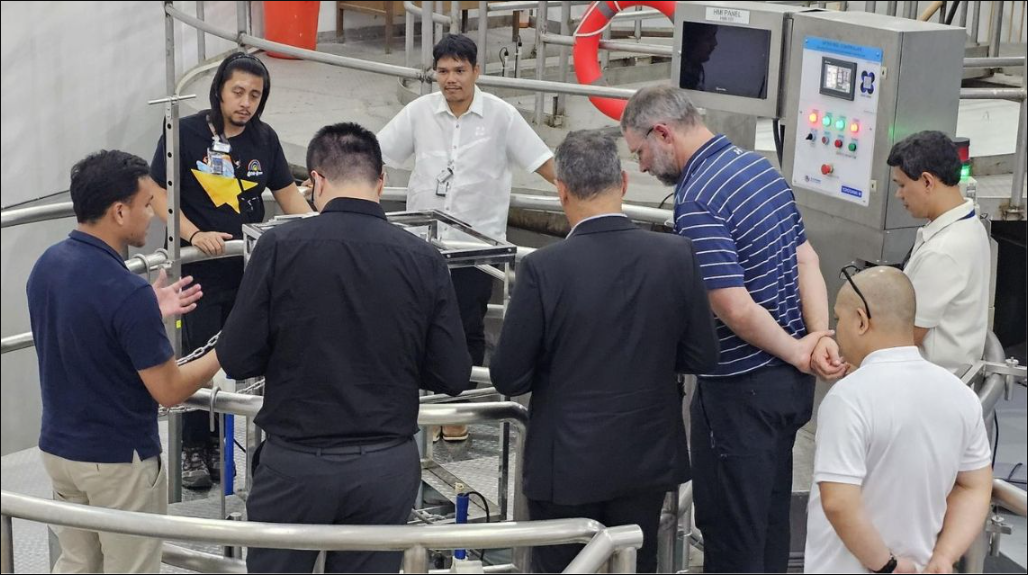
IAEA Expert Team Acknowledges Safety Progress of Philippine Research Reactor
The International Atomic Energy Agency (IAEA) conducted a follow-up Integrated Safety Assessment of Research Reactors (INSARR) mission to the Philippine Research Reactor-1 (PRR-1) Subcritical Assembly for Training, Education and Research (SATER) facility in Quezon City, approximately 10 kilometers northeast of Manila, Philippines, from August 10 to 12, 2026. The review was conducted at the request of the Philippine Nuclear Research Institute (PNRI) to examine the implementation status of safety recommendations made during the initial INSARR mission in 2023. The mission team consisted of two experts from Romania and the United States, along with one IAEA official. During the visit, they conducted an on-site inspection of the assembly facility, reviewed relevant documents, and engaged with the facility's management, operations, and technical staff...
2026-08-13
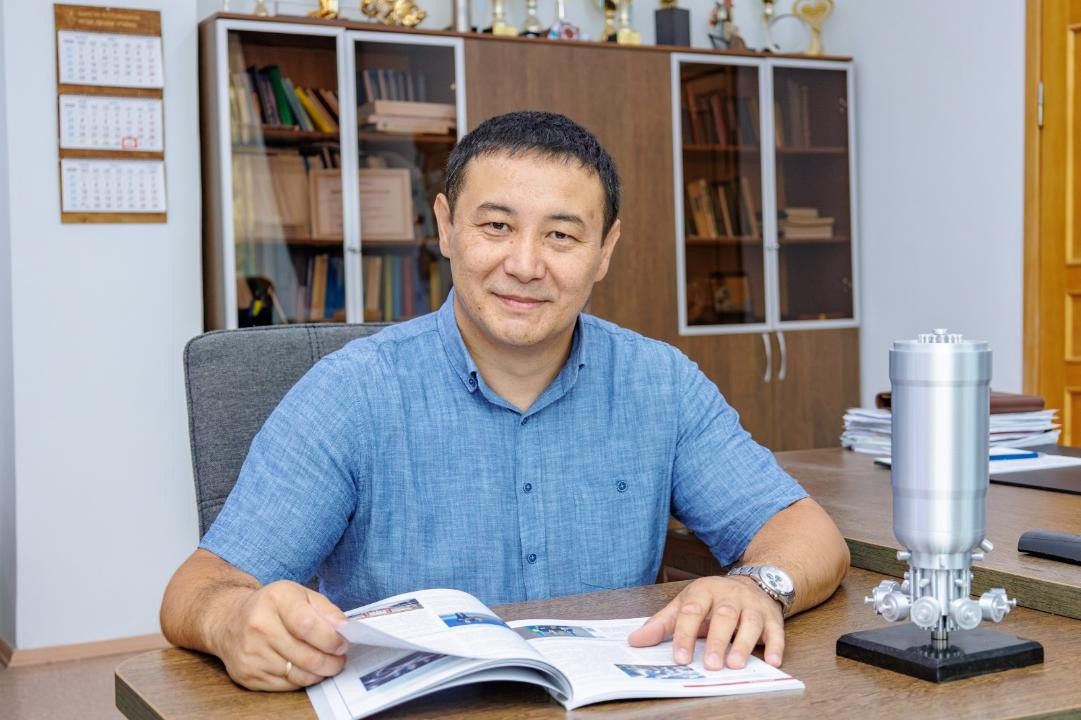
Kazakhstan's National Nuclear Center Advances Material Testing Research for Future Reactors
On August 11, the National Nuclear Center of the Republic of Kazakhstan presented its progress in research on structural materials for advanced reactors. Yerzhan Ernatuly Sapataev, head of the Radiation Materials Science Laboratory at the center's Institute of Atomic Energy, stated that the development of next-generation reactors and fusion technologies has imposed higher requirements on structural materials in terms of high-temperature resistance, radiation tolerance, and corrosion resistance, and that material reliability will directly determine the safety and service life of future nuclear energy systems. Materials inside future reactors typically need to...
2026-08-12
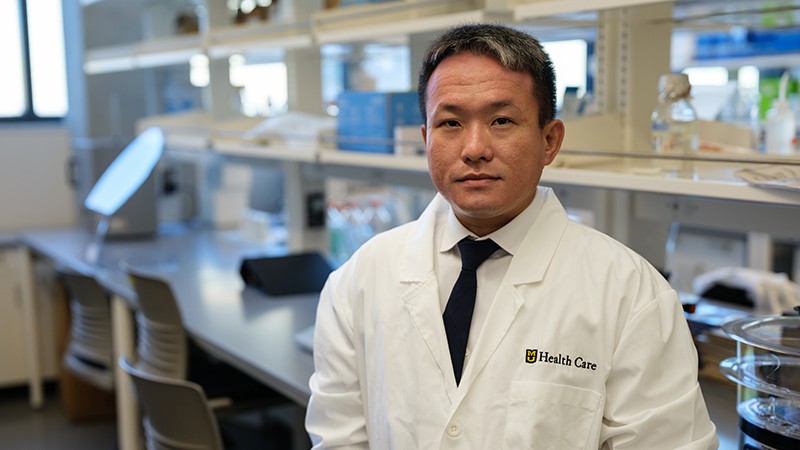
University of Missouri Receives $1 Million Grant to Research New FLASH Radiotherapy System
On August 11, researchers at the University of Missouri School of Medicine received a $1 million grant from the National Institutes of Health to study a new technology in cancer radiotherapy—the TheryQ FLASHKNiFE system. The project is funded through June 2027. A long-standing challenge in cancer treatment is how to kill tumor cells while protecting surrounding healthy tissue as much as possible. Existing radiotherapy can already achieve millimeter-level precision, but radiation damage and related side effects still limit the dose patients can safely receive. Unlike conventional approaches, FLASH radiotherapy does not primarily alter the direction of radiation beams, but instead delivers irradiation in an extremely short time at an ultra-high dose rate...
2026-08-12
US Oak Ridge National Laboratory Restarts Tungsten-188/Rhenium-188 Generator Production to Support Targeted Cancer Therapy Research
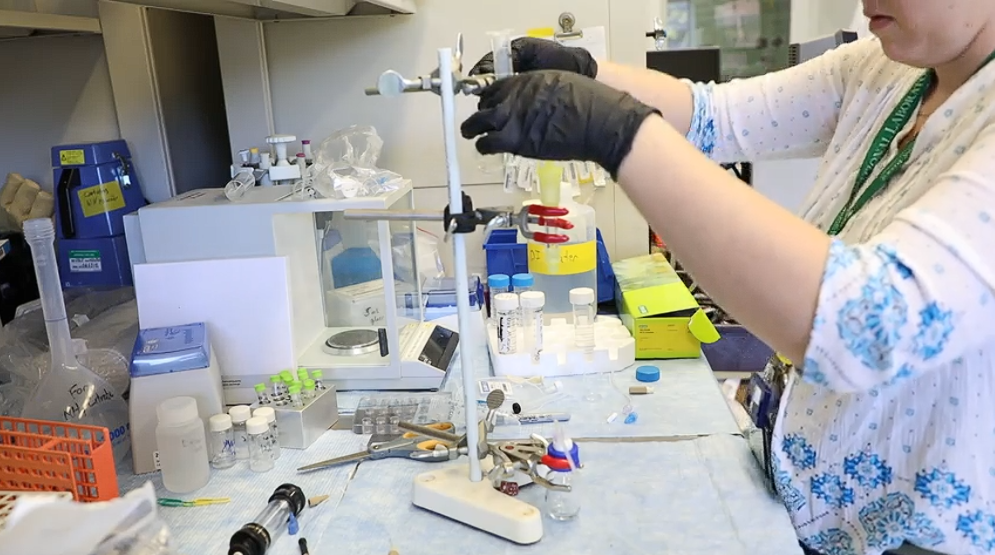
The US Department of Energy's Oak Ridge National Laboratory (ORNL) recently restarted and upgraded its tungsten-188/rhenium-188 (W-188/Re-188) generator manufacturing operations to meet the demand for the rare medical isotope rhenium-188 in targeted cancer therapy research. The laboratory last manufactured such generators in 2011. Radiochemist Becca Hores demonstrated the assembly process of the W-188/Re-188 generator. Depending on radioactivity levels, these generators must be assembled in gloveboxes or hot cells. Image credit: Maggie Gregg/Oak Ridge National Laboratory, US Department of Energy. Rhenium-188 is produced by the radioactive decay of tungsten-188. ORNL irradiates tungsten-186 in the High Flux Isotope Reactor (HFIR) to produce tungsten-188...
2026-08-12
Russia Approves Chinese Academy of Sciences' Accession to International Research Organization at PIK Reactor
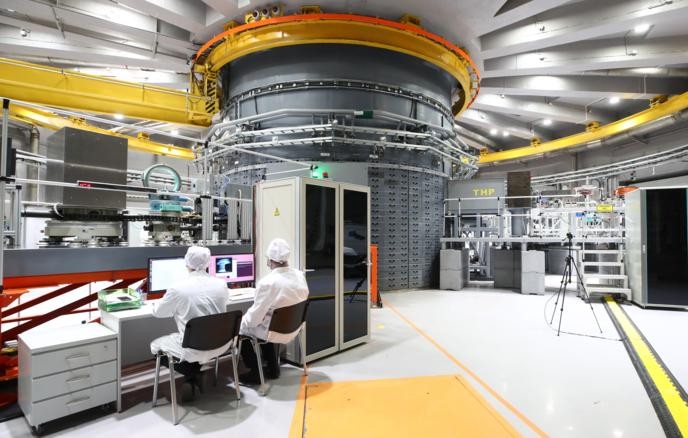
Mikhail Kovalchuk, Director of the Kurchatov Institute National Research Centre in Russia, recently stated that Russia has approved the Chinese Academy of Sciences' accession to the International Centre for Synchrotron Radiation, Neutron and Laser Research, which is being established around the PIK high-flux research reactor. Speaking at a meeting of the Science and Education Committee held in Novosibirsk, Kovalchuk said that three Chinese institutions have successively submitted applications to join the international organization, with the application from the Chinese Academy of Sciences having completed review and received approval. In June of this year, he had indicated that the Chinese side was interested in participating in this international research cooperation mechanism. The PIK high-flux research reactor is located in Gatchina, Russia, and was developed by the Konstantinov Petersburg Nuclear Physics Institute...
2026-08-12

Russia's MEPhI Receives Over 1 Billion Rubles in Funding for Two Domestic Scientific Instrument Projects
The Russian Ministry of Science and Higher Education will allocate 2.81 billion rubles to support the development of eight types of domestically produced scientific research equipment. According to the results of an additional competitive selection, the funds are planned to be disbursed from 2026 to 2028, with six universities and research institutions set to receive support. Among them, the National Research Nuclear University MEPhI (Moscow Engineering Physics Institute) will receive the largest share, with two projects totaling slightly over 1 billion rubles in funding. Under the arrangement, MEPhI will receive 591 million rubles for the development of a tandem quadrupole time-of-flight mass spectrometer (QTOF MS), and an additional 433 million rubles for the atom probe tomography project. Both projects have previously been approved by the Russian Academy of Sciences and included in...
2026-08-12

Rosatom emphasizes computational infrastructure to support nuclear research facilities
On August 11, Alexey Likhachev, CEO of Rosatom, stated at a meeting of the Science and Education Council in Novosibirsk that Russia needs to develop a dedicated program to advance high-performance computing, artificial intelligence technologies, and supercomputer infrastructure to support the operation of large scientific facilities and related research tasks. Likhachev noted that Rosatom has developed a mathematical modeling system since the 1990s and built its own supercomputer network. He believes that a unified digital platform integrating artificial intelligence, computing based on new physical principles, and quantum technologies should be systematically developed as a key component of the nation's scientific and technological advancement...
2026-08-12
The Third Symposium on Economic Operation Analysis of Key Nuclear Power Enterprises in 2026 Convened
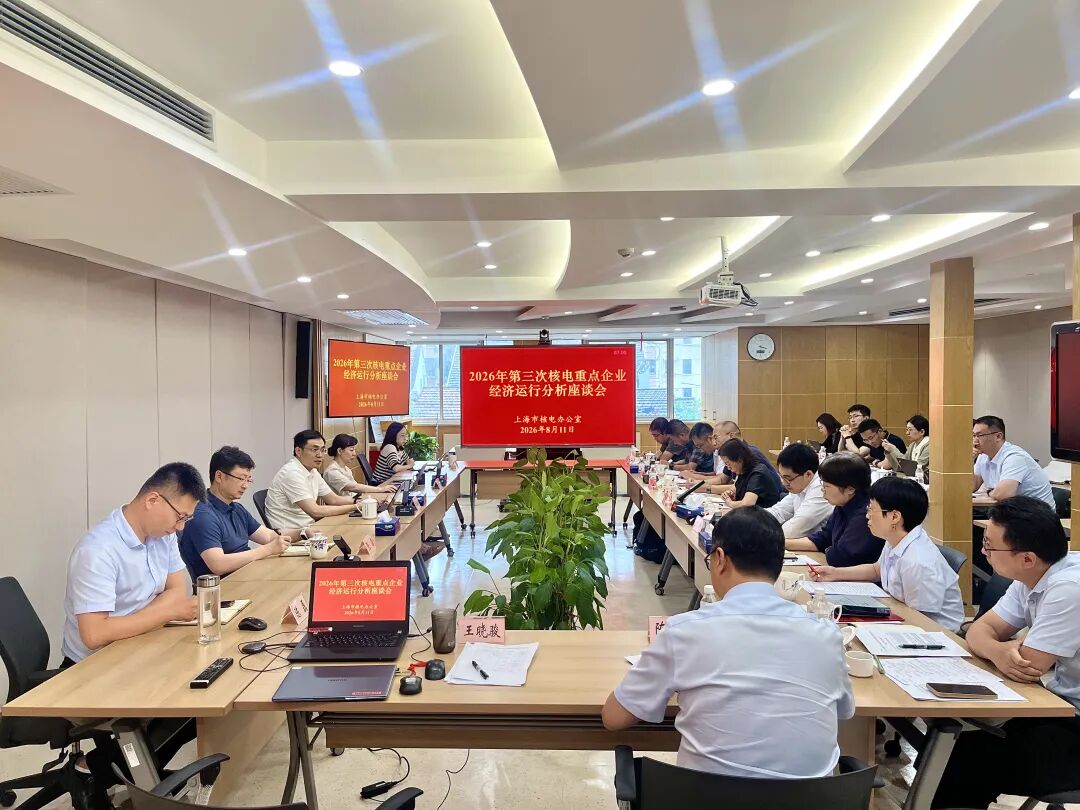
On the afternoon of August 11, the Shanghai Nuclear Power Office organized and convened the Third Symposium on Economic Operation Analysis of Key Nuclear Power Enterprises in 2026. Lu Haibin, Director of the Shanghai Nuclear Power Office, attended the meeting, and Zhou Ling, Deputy Director of the Shanghai Nuclear Power Office, presided over the meeting. Heads from 10 entities, including China Nuclear Engineering, Huaneng Nuclear Energy Research Institute, Shanghai Nuclear Engineering Research and Design Institute, State Nuclear Power Operation and Maintenance, State Nuclear Power Automation System Engineering, CGN Digital Technology, East China Electric Power Design Institute, Shanghai Electric Nuclear Power Group, Shanghai Electric Power Station Group, and Jianing New Materials, participated in the discussion. Lu Haibin noted that with the joint efforts of all units within the system, the overall development of the city's nuclear power industry in the first half of the year maintained a sound momentum, with economic operation characterized by "expanded scale and optimized structure." Each unit...
2026-08-12
The "13th Five-Year" Science and Education Infrastructure Cosmic Ray Physics Research and Detection Technology Platform Project Passed Acceptance
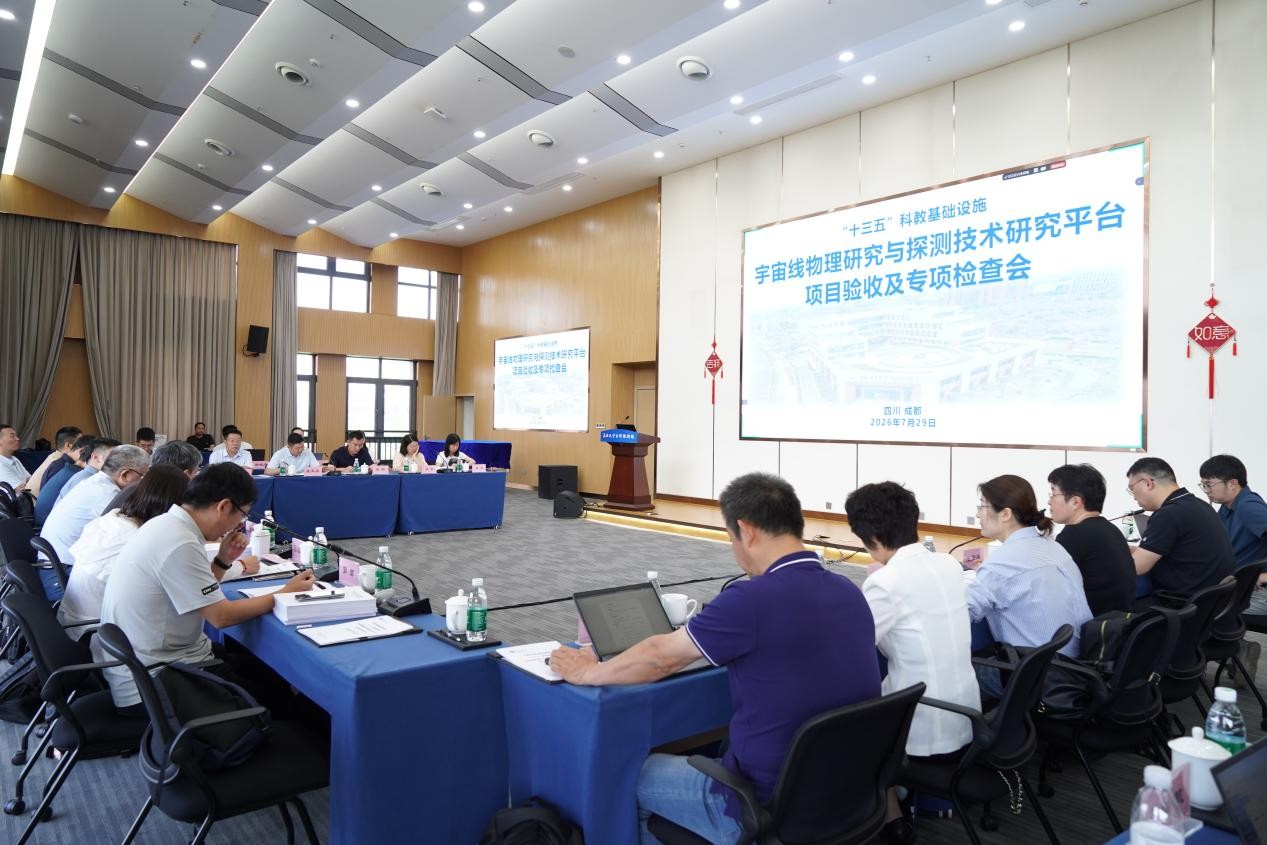
On July 29, 2026, the Finance Bureau of the Chinese Academy of Sciences organized the acceptance meeting for the Cosmic Ray Physics Research and Detection Technology Platform Project (hereinafter referred to as the Research Platform). The meeting was chaired by Wei Zichao, Director of the Investment and Infrastructure Projects Division of the Academy. Tan Zhouliang, Vice President and Member of the Party Leadership Group of the Chengdu Branch of the Chinese Academy of Sciences, and Liu Congzhan, Deputy Director of the Institute of High Energy Physics of the Chinese Academy of Sciences, delivered speeches respectively. Academician Cao Zhen, Project Manager of the Research Platform, gave an overall introduction to the project construction, and Researcher Zhang Shoushan of the project team presented a summary report on the project construction. Subsequently, the acceptance expert group inspected the construction and installation works on site, verified the procurement, installation, and operation of project equipment, and verified the completion of project investment...
2026-08-11
Kazakhstan Strengthens Radiation Safety Monitoring and Nuclear Power Talent Development
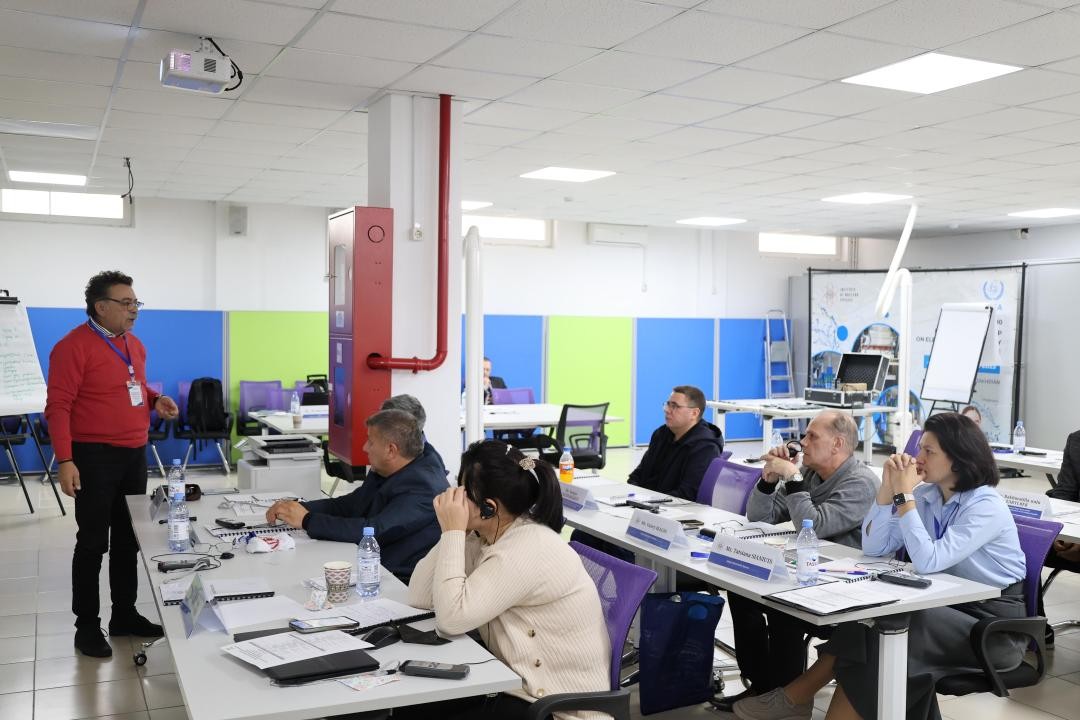
Kazakhstan is improving its safety system in the field of nuclear energy and ionizing radiation source utilization, focusing on radiation monitoring, protective measures, and professional personnel training. Ionizing radiation technologies are now widely used in disease diagnosis and treatment, scientific research, product quality inspection, medical device sterilization, geophysical operations, and other fields, and their application simultaneously requires strict implementation of radiation safety management systems. In Kazakhstan, national policy and regulation in the field of atomic energy utilization are the responsibility of the Atomic Energy Agency (AEA) of the Republic of Kazakhstan, while supervision and inspection of atomic energy utilization facilities are carried out by its subordinate Committee for Atomic and Energy Supervision and Control. Current regulations stipulate licensing of related activities, registration and control of ionizing radiation sources...
2026-08-11
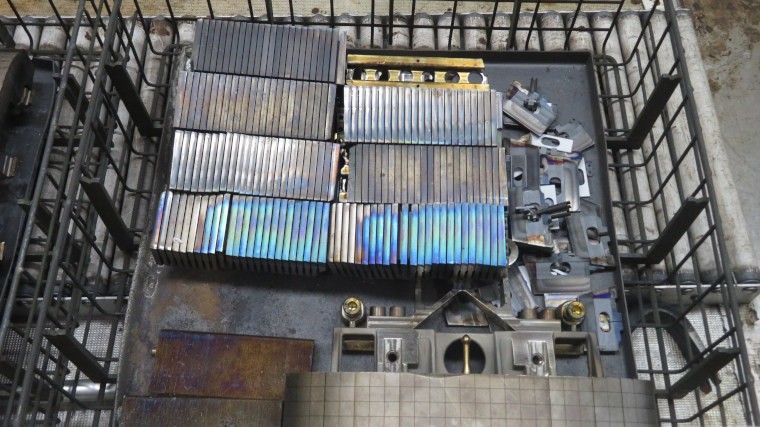
UK's Materials Detritiation Facility at Culham Resumes Operations to Support JET Fusion Decommissioning Materials Research
The UK Atomic Energy Authority recently announced that the Materials Detritiation Facility (MDF) at Culham has resumed operations following a 12-month engineering shutdown and upgrade. Experimental data produced by the facility has already been used to support research related to the removal of materials from the Joint European Torus (JET) device, providing a basis for waste management strategies under the JET Decommissioning and Repurposing (JDR) project. Over three years of plasma operations, deuterium-tritium (DT) experiments conducted at JET have left residual amounts of tritium in the tokamak's walls and internal components. This phenomenon is associated with tritium's tendency to enter materials under high-power fusion operating conditions. For JET decommissioning work, accurately determining the tritium...
2026-08-11
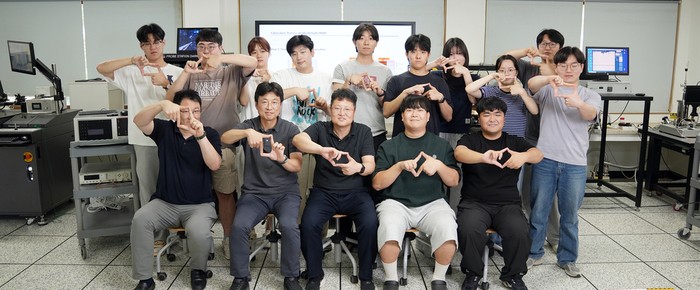
Korean Research Team First to Quantitatively Reveal Radiation Degradation Mechanisms in Gallium Arsenide Semiconductors
A semiconductor research team in Korea has recently succeeded, for the first time in the country, in quantitatively identifying the performance degradation mechanisms of gallium arsenide (GaAs) compound semiconductors under radiation environments. Gallium arsenide is regarded as a key material for next-generation aerospace, aviation, and defense systems, and the findings contribute to understanding the impact of high-energy radiation on the reliability of compound semiconductor devices. The research was led by Professor Kim Min-soo and Professor Hwang Hyun-jun from the Department of Semiconductor Engineering, in collaboration with the Advanced Radiation Research Center at the Korea Atomic Energy Research Institute and WaveTrack Corporation. The research team noted that communication and power equipment aboard low-Earth-orbit satellites or detectors, when exposed to high-energy radiation environments over extended periods, may experience...
2026-08-11
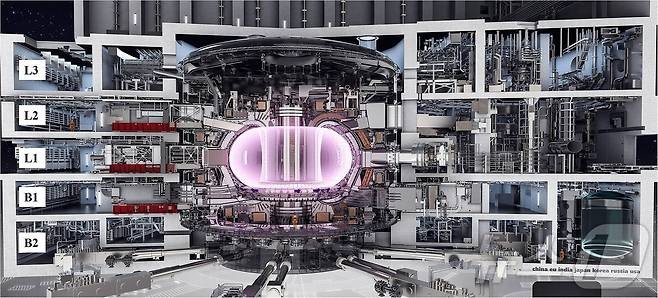
Korea's Naju Artificial Sun Research Facility Expected to Receive Preliminary Feasibility Study Results in September
The project to build the Naju Artificial Sun research facility in Korea is expected to receive the results of the national preliminary feasibility study in September. With a total investment of approximately 1.2 trillion KRW, the project plans to construct large-scale nuclear fusion research and demonstration infrastructure in Wangok-myeon, Naju City, South Jeolla Province, and is regarded by local governments as a key pillar in the future industrial layout of the South Jeolla–Gwangju Integrated Special Zone. The Ministry of Science and ICT (MSIT) designated the "Nuclear Fusion Core Technology Development and Strategic Infrastructure Construction Project" as a national R&D project and included it in the preliminary feasibility study on January 30. According to the previous schedule, the evaluation period was approximately seven months. The results were originally expected to be announced in August, but...
2026-08-11
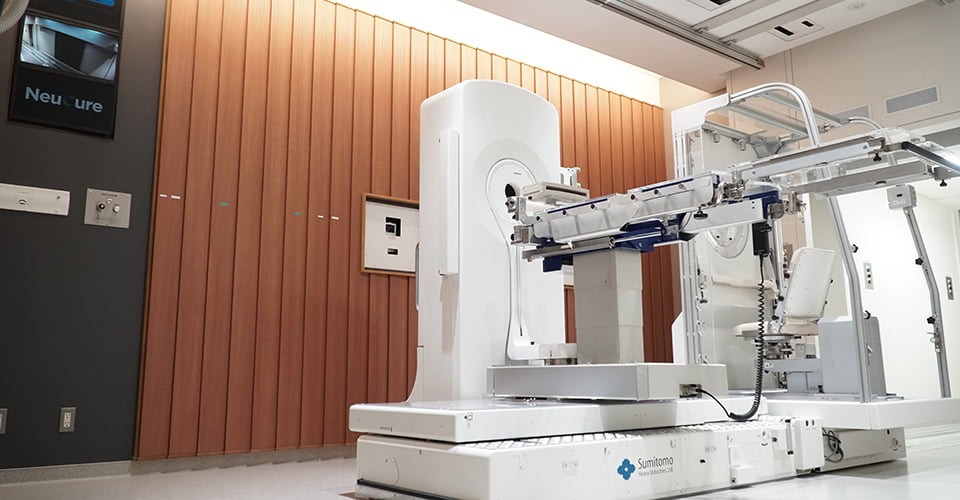
Fujita Health University in Japan Advances Research on Expanding BNCT Indications for Deep-Seated Cancers, to Conduct 18F-FBPA PET Exploratory Evaluation
On August 10, Stella Pharma Corporation of Japan announced that it is collaborating with Fujita Health University and other institutions to advance research and development aimed at expanding Boron Neutron Capture Therapy (BNCT) to deep-seated cancers. As part of this project, Stella Pharma will participate in an exploratory study on 18F-FBPA uptake capacity in deep-seated cancers conducted by Fujita Health University. The study will use 18F-FBPA PET to evaluate the tumor accumulation of boron drugs used in BNCT in deep-seated cancers, and based on the findings, explore the possibility of expanding BNCT indications in the future. The study plans to collect data from 50 cases, including pancreatic cancer, hepatocellular carcinoma, and biliary tract cancer, to accumulate foundational evidence needed for the development of BNCT for deep-seated cancers. BNC...
2026-08-11
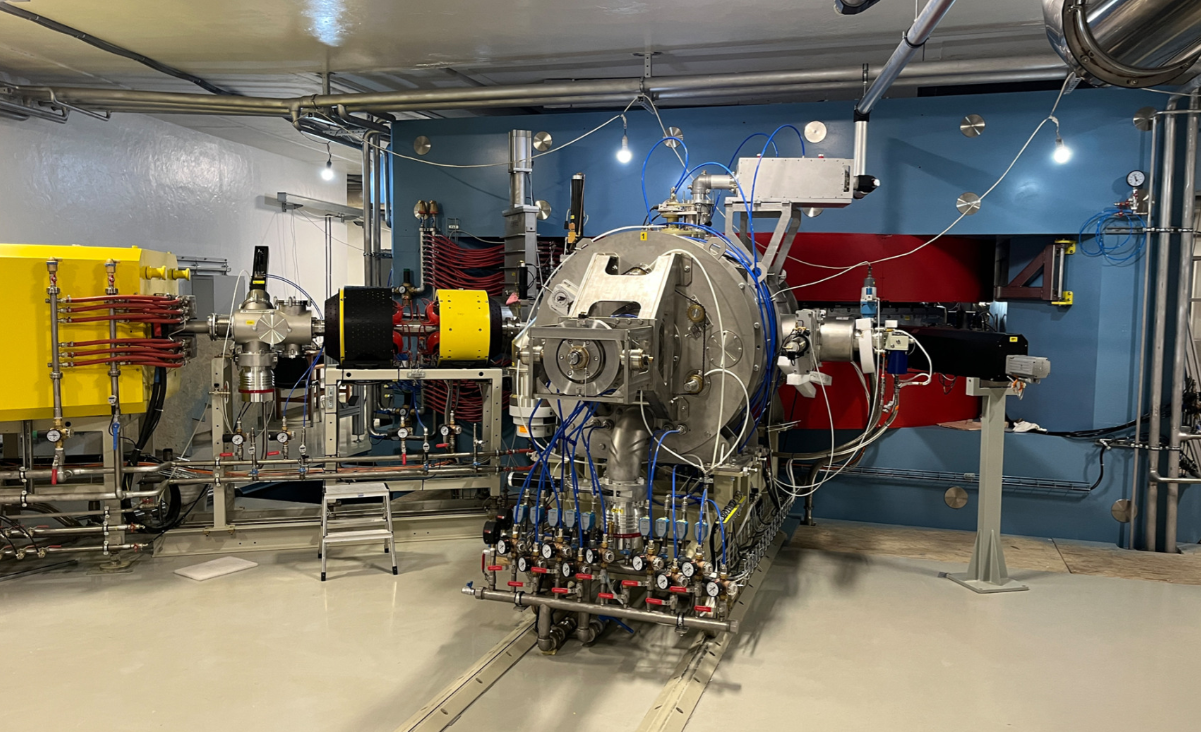
First Heavy Ion Beam Obtained at DC-140 Accelerator of the Joint Institute for Nuclear Research in Dubna, Russia
The Flerov Laboratory of Nuclear Reactions at the Joint Institute for Nuclear Research (JINR) in Dubna, Russia, has completed the construction of the DC-140 accelerator complex and obtained an accelerated heavy ion beam for the first time during commissioning on August 4. This achievement marks significant progress in the JINR applied technology development program and signifies that a new ion beam platform designed to meet scientific and industrial needs for decades to come has entered its critical commissioning phase. The DC-140 project was launched in 2020 to replace the existing U-200 and IC-100 cyclotron complex. The new facility is designed to address a wide range of fundamental and applied research needs, including solid-state physics, radiation materials science, material surface modification, and track membrane production...
2026-08-11