
Search Results
Keyword:ARC
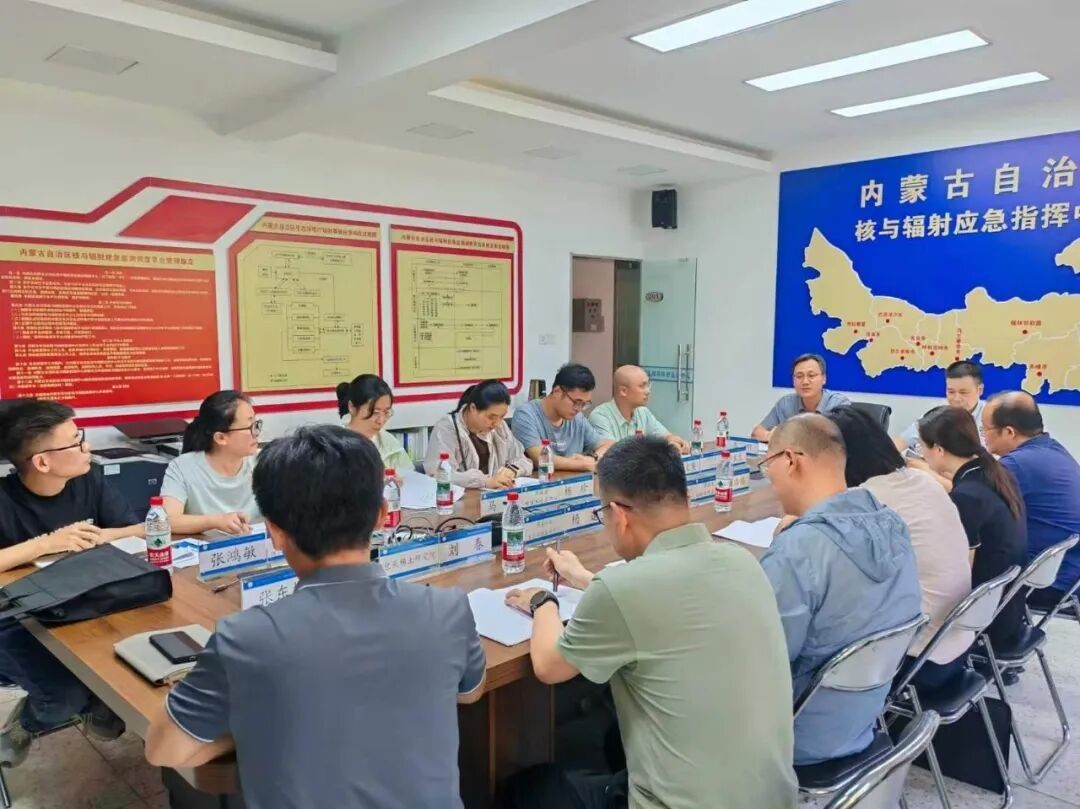
Inner Mongolia Nuclear and Radiation Monitoring Center Organizes Standard Pre-Research Exchange Meeting
In accordance with the arrangement of the radiation monitoring standard pre-research project, the Inner Mongolia Nuclear and Radiation Monitoring Center (hereinafter referred to as the Inner Mongolia Center) undertakes the pre-research task for the standard "Determination of Total Uranium and Thorium in Soil and Sediment - Inductively Coupled Plasma Mass Spectrometry." To standardize the inter-laboratory method validation process and ensure the smooth progress of the validation work, the Inner Mongolia Center recently organized a standard pre-research method validation exchange meeting in Baotou City, attended by experts from the Radiation Environmental Monitoring Technical Center of the Ministry of Ecology and Environment for on-site guidance. Seven laboratories from across the country participated in this validation exchange meeting, including provincial-level radiation environmental monitoring institutions and laboratories in the nuclear industry, nuclear technology applications,...
2026-08-11

MIT Research Proposes Framework for Assessing Economic Viability of Fusion Power Plants
Researchers at the Massachusetts Institute of Technology (MIT) have recently proposed an assessment framework aimed at addressing the core question that fusion energy must confront in transitioning from scientific feasibility to commercial profitability: how can a fusion power plant achieve economic viability in the energy market? The related open-access paper, titled "Criteria for the Economic Viability of Fusion Power Plants," has been published online in the Journal of Fusion Energy. The paper is authored by Dennis Whyte, Professor of Nuclear Science and Engineering at MIT, and Andrew W. Lo, Professor of Finance at the MIT Sloan School of Management, with contributions from researchers at Rutherford Energy Ventures and the MIT Plasma Science and Fusion Center.
2026-08-10
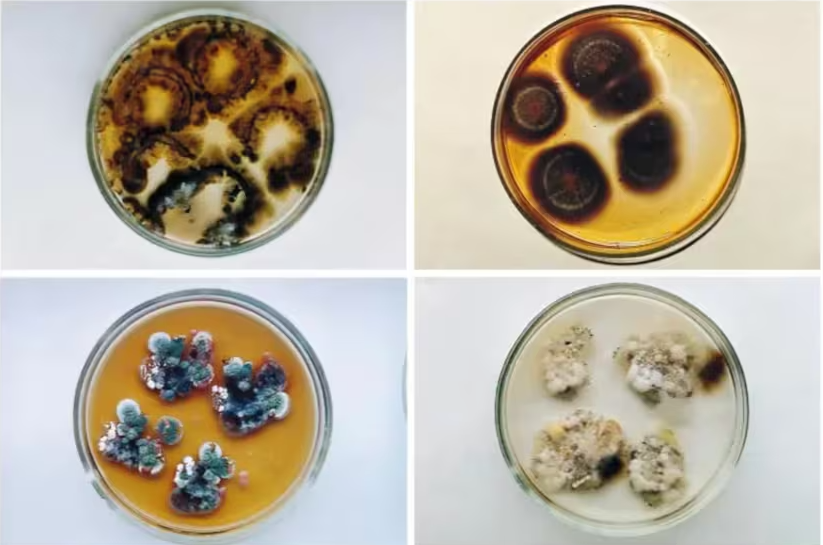
Chernobyl Black Fungi Draw Attention: Potential Value in Ionizing Radiation Tolerance and Shielding Research
Nearly four decades after the explosion of Unit 4 at the Chernobyl Nuclear Power Plant, the areas surrounding the damaged reactor remain heavily contaminated with radiation. In this high-radiation environment, researchers have discovered that a type of black fungus is not only capable of surviving but may also exhibit strong environmental adaptability, drawing continued scientific interest in its radiation tolerance mechanisms. According to available data, this fungus, scientifically known as Cladosporium sphaerospermum, has been found on the interior walls of buildings associated with the contaminated reactor at Chernobyl. Researchers point out that its deep black appearance is linked to the large amounts of melanin accumulated within its cells. Compared with ordinary organisms, this type of fungus exhibits exceptional tolerance in high...
2026-08-10

LLNL Research in the U.S. Reveals New Mechanisms of Laser Polarization Effects in NIF Inertial Confinement Fusion Experiments
Researchers at Lawrence Livermore National Laboratory (LLNL) have recently discovered in studies related to the National Ignition Facility (NIF) that the polarization state of lasers may influence the cross-beam energy transfer (CBET) process in inertial confinement fusion experiments and could help reduce backscatter and the risk of damage to optical components. The related paper, titled "Effects of Laser Polarization on Cross-Beam Energy Transfer in Inertial Confinement Fusion," was recently published as a featured article in the journal Physics of Plasmas. NIF experiments demand extremely high precision in laser control. The facility's 192 laser beams must be focused to a width of a few millimeters and enter the target area through holes approximately 3 millimeters in diameter located at the top or bottom of a gold hohlraum. The hohlraum is about 2 centimeters in diameter. After the lasers enter the plasma, different beams cross each other and undergo energy transfer, a process known as cross-beam energy transfer. When designing NIF inertial confinement fusion experiments, scientists carefully tune the laser wavelengths to use CBET to balance energy distribution and improve implosion symmetry.
2026-08-10

DR Congo Government Responds to Research Allegations of "Uranium" in Cobalt Products, Announces Re-Testing and IAEA Consultations
The government of the Democratic Republic of the Congo (DRC) has recently responded to a study suggesting that its cobalt products may contain traces of uranium. The study, published in the journal *Nature Communications* on July 30, 2026, reported the presence of uranium traces in some exported cobalt hydroxide products from the DRC. As cobalt is a critical raw material in the global new energy battery supply chain, this claim quickly drew external attention to mineral product safety, environmental risks, and supply chain credibility. In an official statement released on August 7 by the Ministry of Communication and Media, the DRC government stated that the allegations should be understood within a scientific and geological context. The government emphasized that the natural co-occurrence of uranium in copper-cobalt deposits in Lualaba Province and Haut-Katanga Province is a geological phenomenon known for over a century, and is neither abnormal nor the result of artificial addition or deliberate manipulation. The government also noted that, under relevant International Atomic Energy Agency standards, if uranium exists only in trace amounts in ores or cobalt concentrates and is not specifically processed for uranium extraction, it should generally not be regarded as nuclear material.
2026-08-10
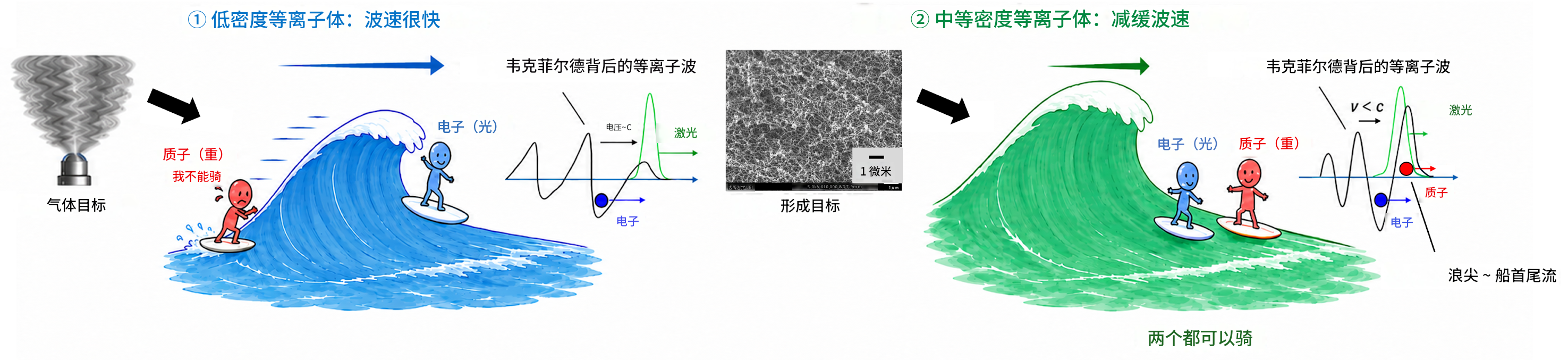
Japanese research team demonstrates ion wakefield acceleration for the first time, accelerating protons to a maximum of 60 MeV
Kyushu University, the National Institutes for Quantum Science and Technology (QST), and Osaka University recently announced jointly that the research team used high-intensity laser irradiation on a foam target to experimentally demonstrate the ion wakefield acceleration mechanism for the first time, providing a new experimental foundation for research on next-generation laser-driven ion accelerators. The results were published in *Communications Physics* on August 3, Japan time. According to the report, the research aims to reproduce physical processes similar to high-energy particle acceleration in space within a laboratory setting. Traditional high-energy accelerators typically require long acceleration tubes or large ring-shaped facilities, while the strong electric fields generated by plasma waves are considered promising for advancing accelerator miniaturization. However, compared with electrons, protons and ions...
2026-08-10
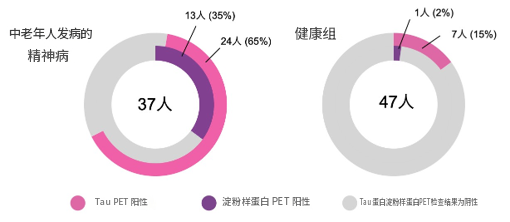
Japanese research team uses PET imaging to find tau protein pathology may be involved in onset of hallucinations and delusions in middle-aged and elderly
A research team comprising the National Institutes for Quantum Science and Technology (QST), Keio University, Kyoto University, Tokyo University of Science, and other institutions recently announced that researchers used PET imaging to observe tau protein pathology in the living brains of middle-aged and elderly psychiatric patients, and believe that such pathology may be related to psychiatric symptoms such as hallucinations and delusions that first appear after age 40. Proportion of positive tau PET and amyloid PET results Middle-aged and elderly psychosis generally refers to diseases in which psychiatric symptoms such as hallucinations and delusions first appear after age 40. Previous epidemiological studies and postmortem brain tissue studies have suggested that such symptoms may be related to neurodegenerative changes associated with dementia, but due to limited techniques for precise visualization and quantification of abnormal proteins in living brains, relevant evidence has long been insufficient.
2026-08-10
Radiation Environment Monitoring Technical Center of the Ministry of Ecology and Environment Visits Tibet to Conduct Research and Assistance on Radiation Environment Monitoring Capacity
Recently, in accordance with the work deployment of the Nuclear Facility Safety Supervision Department of the Ministry of Ecology and Environment (MEE), a team led by relevant officials from the Radiation Environment Monitoring Technical Center of the MEE visited the Radiation Environment Supervision Station of the Tibet Autonomous Region (hereinafter referred to as the Tibet Station) to conduct research, assistance, and technical guidance on radiation environment monitoring capacity. The working group was dispatched in batches to key cities including Lhasa, Nagqu, Shigatse, and Ngari, and systematically reviewed the current status of radiation monitoring capacity in the Tibet Autonomous Region through thematic seminars, on-site inspections, and hands-on training sessions. They conducted on-site assessments of the operation and maintenance challenges of the national-controlled radiation environment air automatic monitoring stations in Tibet, benchmarked against actual needs, identified shortcomings in capacity building, and implemented targeted measures to resolve bottlenecks in network operation. At the research symposium...
2026-08-10

SPIC Archives Management Project Selected for National Archives Administration AI Application Pilot
On July 29, the National Archives Administration issued the "Notice on Announcing AI Application Pilot Projects." The archives management AI application pilot project submitted by State Power Investment Corporation (SPIC) stood out from 253 pilot projects and was successfully selected, thanks to its solid digitalization foundation for archives, clear AI integration implementation roadmap, and distinctive application scenarios characteristic of central energy enterprises, becoming an important practical vehicle for digital transformation of archives in central enterprises. In April this year, to safely, steadily, and orderly promote the application of AI in the archives industry, the National Archives Administration issued the "Notice on Carrying Out AI Application Pilot Work," requiring pilot efforts in five aspects: computing power, models, data, scenarios, and security...
2026-08-10
Russia Offers Brazil Nuclear Technology Cooperation and Small Modular Reactor Projects, Including Floating Nuclear Power Plants and Arctic/Antarctic Scientific Research
During his visit to Brazil, Nikolai Patrushev, aide to the Russian President and head of Russia's Maritime Board, proposed cooperation initiatives involving nuclear energy, scientific research, and maritime security to the Lula administration. This agenda indicates that Brazil continues to pursue a relatively autonomous diplomatic approach in its relations with major powers, while seeking to expand external cooperation space in areas such as energy transition, defense technology, and protection of maritime rights. In the nuclear energy sector, the Russian side focused on promoting small nuclear reactors and low-power nuclear technologies, including the Elena-M small nuclear power plant and floating offshore power generation units. The Russian side described these technologies as capable of long-term operation, relatively cost-effective...
2026-08-08
Research Reactors Support Kazakhstan's Safe Nuclear Energy Development
Against the backdrop of growing demand for low-carbon electricity, nuclear energy is being regarded by many countries as a key energy option. Kazakhstan is also advancing its own nuclear energy development. Equally critical to the construction of nuclear power plants is the long-term research, testing, and validation of nuclear fuel, structural materials, reactor operating conditions, and safety systems. Research reactors and experimental facilities are precisely the core platforms undertaking such work. Unlike power reactors, which primarily target electricity generation, research reactors are closer to specialized nuclear science laboratories. Researchers can study the behavior of nuclear fuel and structural materials, simulate different reactor operating states, including off-normal conditions, test new technologies, and validate engineering solutions subsequently used in nuclear...
2026-08-09
Laser spectroscopy reveals for the first time the precise nuclear shape of fermium-255, offering new clues in the search for superheavy elements
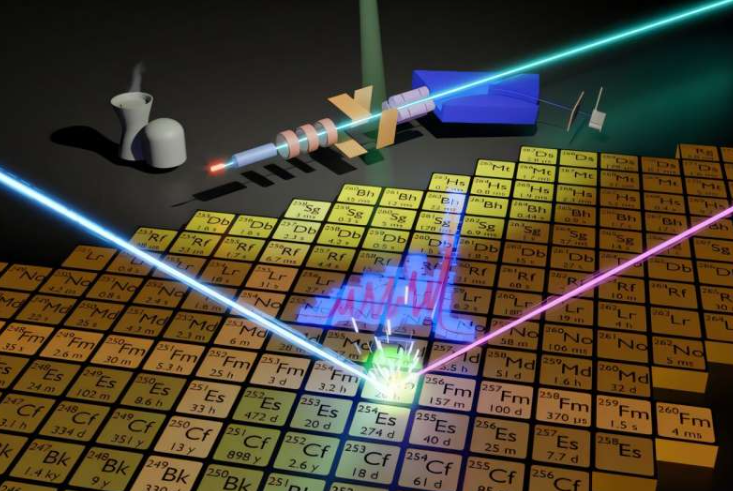
An international research team has, for the first time, precisely determined the nuclear structure of the actinide fermium-255, confirming that its nucleus exhibits a pronounced prolate deformation, similar to a rugby ball. The study, published in *Physical Review Letters*, was conducted in collaboration with 18 institutions, including Johannes Gutenberg University Mainz in Germany, the Helmholtz Institute Mainz, and the University of Gothenburg in Sweden. The findings not only correct several unreasonable nuclear property values in previous standard data tables but also provide crucial experimental validation for modern nuclear theory models. Fermium is a synthetic heavy element that does not exist in nature. Fermium-255 contains 100 protons and 155 neutrons, making its experimental production extremely challenging. The research team...
2026-08-08
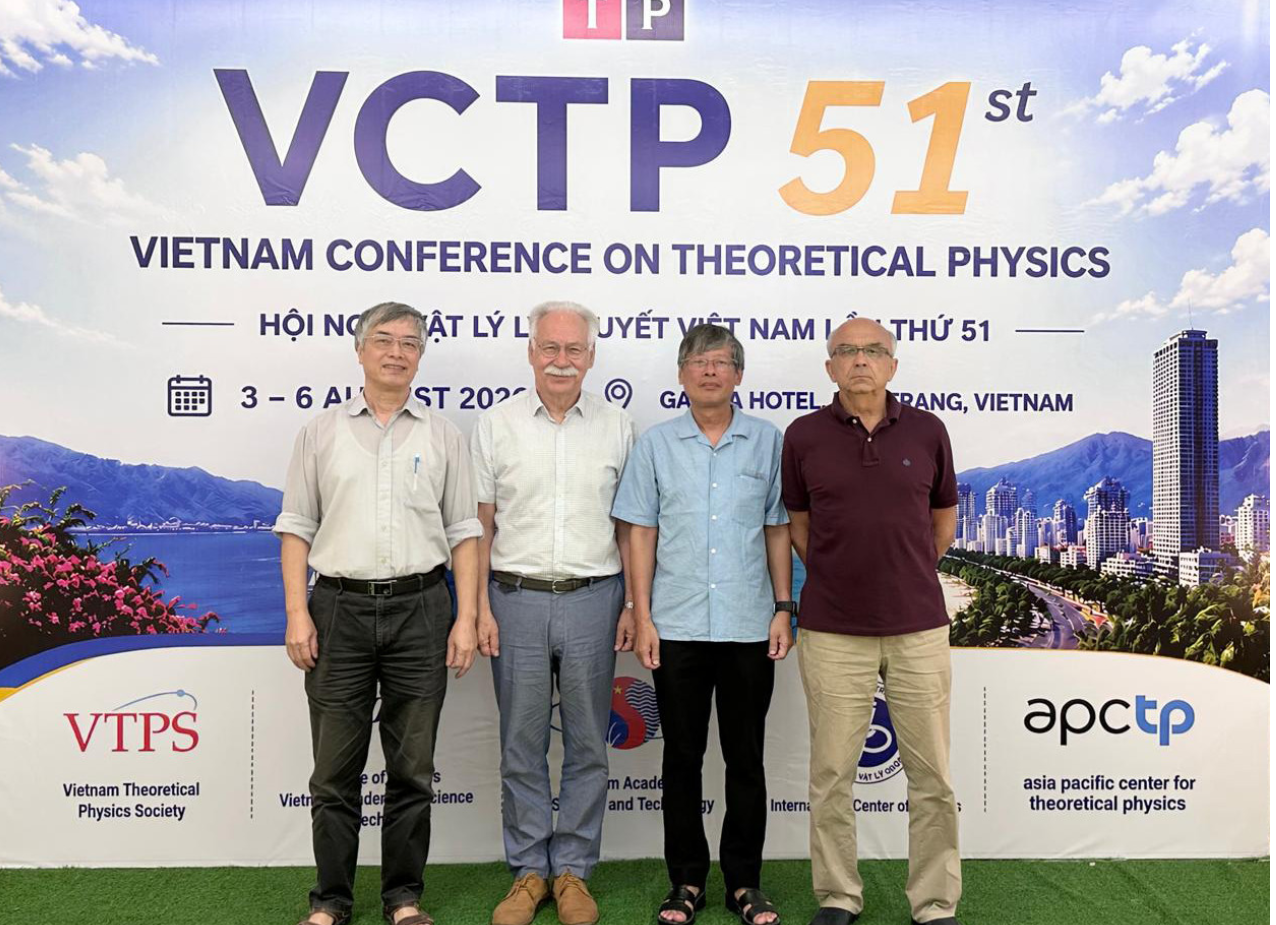
JINR delegation participates in the 51st Vietnam Conference on Theoretical Physics
From August 3 to 6, the 51st Vietnam Conference on Theoretical Physics (VCTP-51) was held in Nha Trang, Vietnam. A delegation of researchers from the Bogoliubov Laboratory of Theoretical Physics and the Laboratory of Information Technologies of the Joint Institute for Nuclear Research attended the conference, engaging in exchanges with more than 170 scholars from Vietnam, Germany, India, China, Pakistan, Russia, Taiwan, the Philippines, Japan, and other countries and regions. The conference topics covered multiple frontier directions in theoretical physics, including high-energy physics, nuclear physics, condensed matter physics, and cosmology, as well as interdisciplinary research areas such as physics beyond the Standard Model, molecular physics, quantum optics and quantum information, biomaterials, and biomolecules. The broad agenda...
2026-08-08
228 Research Reactors Worldwide in Operation, Supporting Medical Isotope Production and Neutron Science Innovation
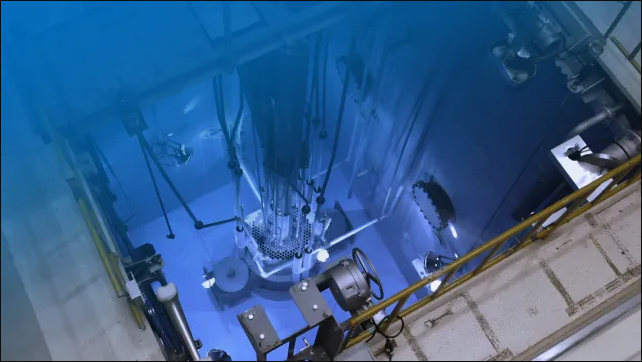
According to the International Atomic Energy Agency on August 7, research reactors continue to drive innovation in science, medicine, and industry worldwide. Currently, 228 research reactors are in operation across 54 countries, with another 23 under construction or in the planning stage. Unlike nuclear reactors used for power generation, these reactors primarily produce neutrons to support medical, industrial, agricultural, geological, forensic, and nuclear science research. A research reactor pool photographed from above. (Photo: IAEA) In the medical field, research reactors are a vital source of medical radioisotopes. Among them, technetium-99m is widely used for diagnosing cancer and diseases of the heart, brain, and bones; a large number of medical diagnostic and therapeutic procedures worldwide rely on this isotope. Other radioisotopes such as iodine-131 are also used in the treatment of cancer and thyroid diseases. The IAEA states that radioisotopes produced by research reactors serve millions of patients globally and are an essential component of modern nuclear medicine systems.
2026-08-09

Shanghai Electric Southwest Regional Headquarters Unveiled in Chengdu, Government-Enterprise-Research Collaboration Builds a New Hub for Green Energy
On August 6, the unveiling ceremony of the Southwest Regional Headquarters of Shanghai Electric Group was held in Chengdu. Jin Xiaolong, member of the Party Committee and Vice President of Shanghai Electric, attended the event and delivered a speech. More than 200 representatives from relevant government departments of Sichuan Province, Chengdu City and the Southwest region, the Shanghai Office in Tibet, key enterprises, research institutes, industry associations, as well as heads of relevant functional departments of Shanghai Electric headquarters and various industrial groups, participated in the event. The newly unveiled Southwest Regional Headquarters will be based in Chengdu, radiating to Sichuan, Chongqing, Yunnan, Guizhou and Tibet, positioned as a collaboration platform for the regional market, a service hub for industrial upgrading, and a connecting vehicle for ecosystem co-building, integrating Shanghai Electric's comprehensive advantages in energy equipment and green intelligent industry...
2026-08-08