
Search Results
Keyword:BEA
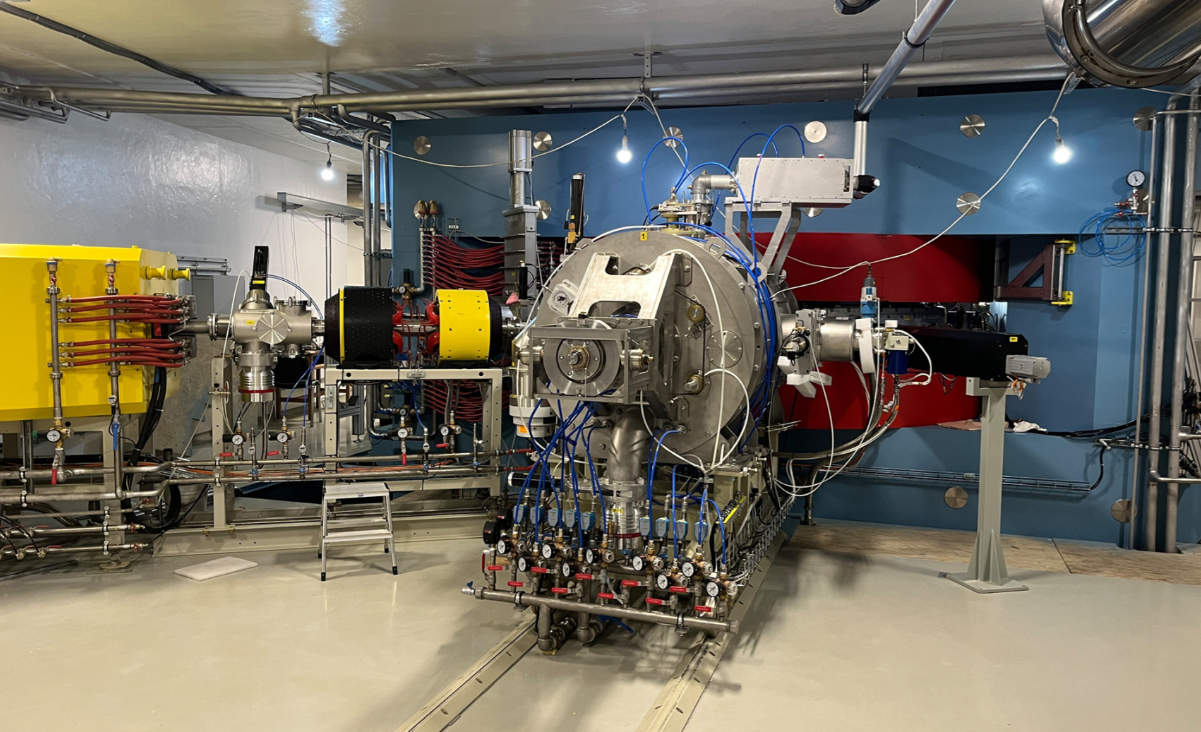
First Heavy Ion Beam Obtained at DC-140 Accelerator of the Joint Institute for Nuclear Research in Dubna, Russia
The Flerov Laboratory of Nuclear Reactions at the Joint Institute for Nuclear Research (JINR) in Dubna, Russia, has completed the construction of the DC-140 accelerator complex and obtained an accelerated heavy ion beam for the first time during commissioning on August 4. This achievement marks significant progress in the JINR applied technology development program and signifies that a new ion beam platform designed to meet scientific and industrial needs for decades to come has entered its critical commissioning phase. The DC-140 project was launched in 2020 to replace the existing U-200 and IC-100 cyclotron complex. The new facility is designed to address a wide range of fundamental and applied research needs, including solid-state physics, radiation materials science, material surface modification, and track membrane production...
2026-08-11
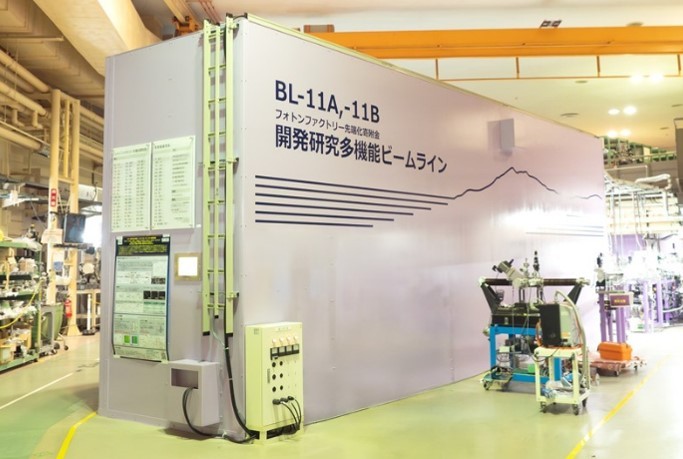
KEK in Japan Completes World's First "Quantum Multi-Beam Utilization" Synchrotron Radiation Beamlines
On August 6, the High Energy Accelerator Research Organization (KEK) announced that the BL-11A and BL-11B beamlines at its Photon Factory (PF) synchrotron radiation experimental facility have been completed as the world's first quantum multi-beam utilization beamlines, enabling the simultaneous use of hard X-ray and soft X-ray beams. According to reports, BL-11A and BL-11B were constructed in collaboration with the Synchrotron Radiation Academic Infrastructure Network. This network consists of synchrotron radiation facilities operated by university joint-use organizations and joint-use/joint-research centers, positioned as scientific research and educational infrastructure. The main feature of the new beamlines is the ability to simultaneously use hard X-ray and soft X-ray under the same experimental conditions, completing observations that previously required separate measurements...
2026-08-07
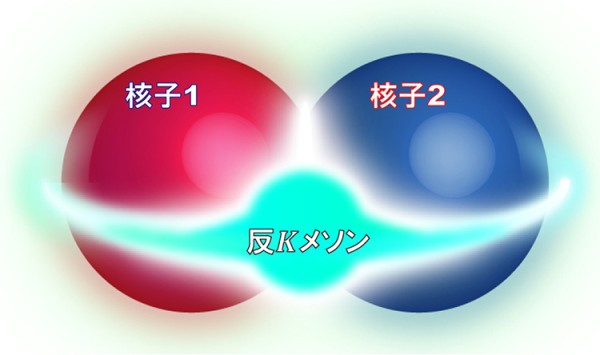
First Observation of Anti-Kaonic Nuclei in Photon Beam Experiments
The LEPS2/Solenoid collaboration, composed of researchers from the Research Center for Nuclear Physics at Osaka University, Kyoto Sangyo University, the Research Center for Advanced Quantum Beam Science at Tohoku University, Korea University, Gifu University, the Institute of Modern Physics of the Chinese Academy of Sciences, RIKEN, Kyoto University, the Institute of Physics at Academia Sinica in Taiwan, and the University of Saskatchewan in Canada, has for the first time observed nuclei containing anti-kaons in a photon beam experiment. This achievement provides new experimental evidence confirming the existence of anti-kaonic nuclei and offers important clues for understanding high-density nuclear matter and the internal structure of neutron stars. The research team conducted the experiment at the LEPS2 laser-electron photon facility at the large synchrotron radiation facility SPring-8 in Hyogo Prefecture, Japan...
2026-08-07
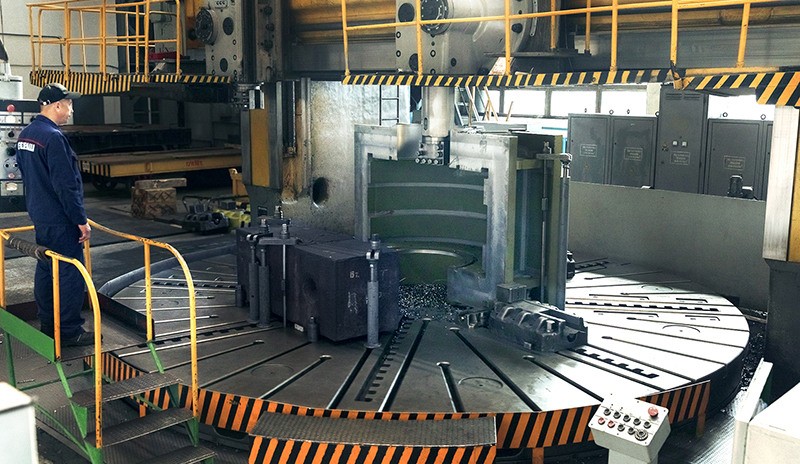
Sevmash Advances Production of Main Thrust Bearings for Icebreaker "Stalingrad"
Sevmash, a subsidiary of the United Shipbuilding Corporation (USC), is continuing production of the main thrust bearings for the Stalingrad, the sixth serial universal icebreaker of Project 22220. One set of bearings for this vessel comprises three bearing units. Currently, two of these units have been delivered to Workshop 16 for bearing housing machining; the bearing raceways are also being machined and assembled in this workshop. The housing of the third unit is being assembled in the plant's hull welding shop. Meanwhile, in a dedicated area of Sevmash Workshop 4, bearing internal filling operations are underway, including the manufacture of bushings and bearing housings with anti-friction layers and filling with hot Babbitt metal. Each unit requires the installation of 24 bearing housings. This stage is one of the most labor-intensive processes in bearing manufacturing.
2026-08-07
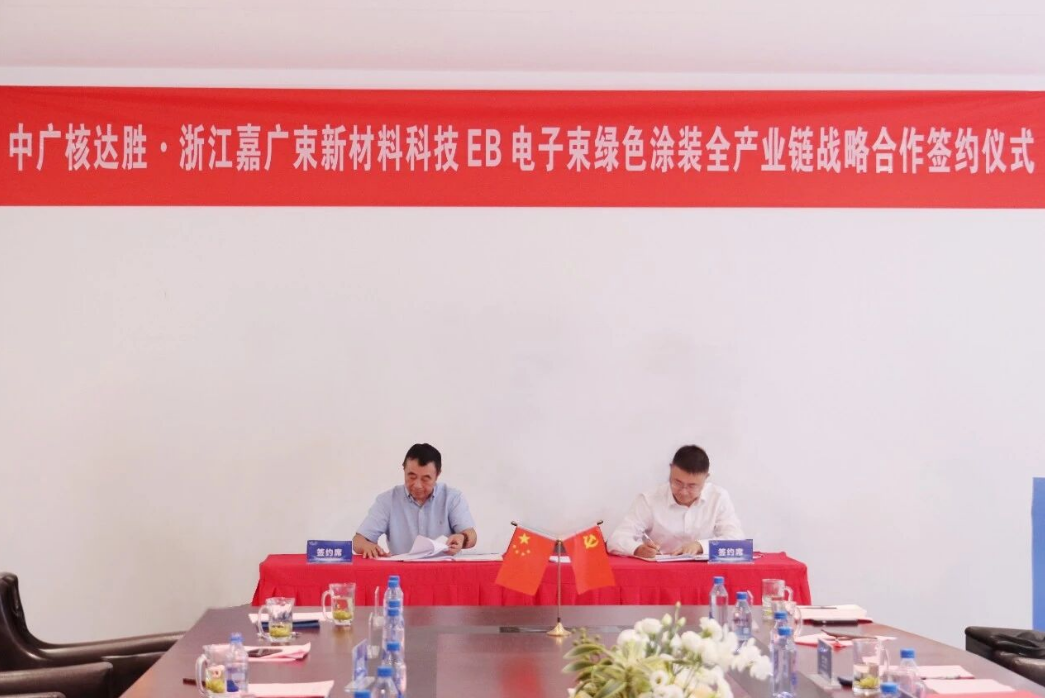
CGN Technology joins forces with enterprises to build China's first fully self-developed electron beam curing coil coating industrial chain
On August 5, CGN Dasheng Accelerator Technology Co., Ltd., a subsidiary of CGN Technology, signed a strategic cooperation agreement on electron beam curing coil coating with Zhejiang Jiaguangshu New Material Technology Co., Ltd. Leveraging the electron accelerator equipment independently developed and manufactured by CGN Dasheng, combined with the partner's large-scale mass production process capabilities, the two parties jointly built China's first fully self-controlled, fully domestically produced complete industrial chain for electron beam curing coil coating, marking the official entry of China's color-coated steel industry into a new era of solvent-free, zero-VOC (volatile organic compounds), room-temperature green curing. CGN Dasheng and Zhejiang Jiaguangshu signed the strategic cooperation agreement on electron beam curing coil coating. Electron beam curing is...
2026-08-06
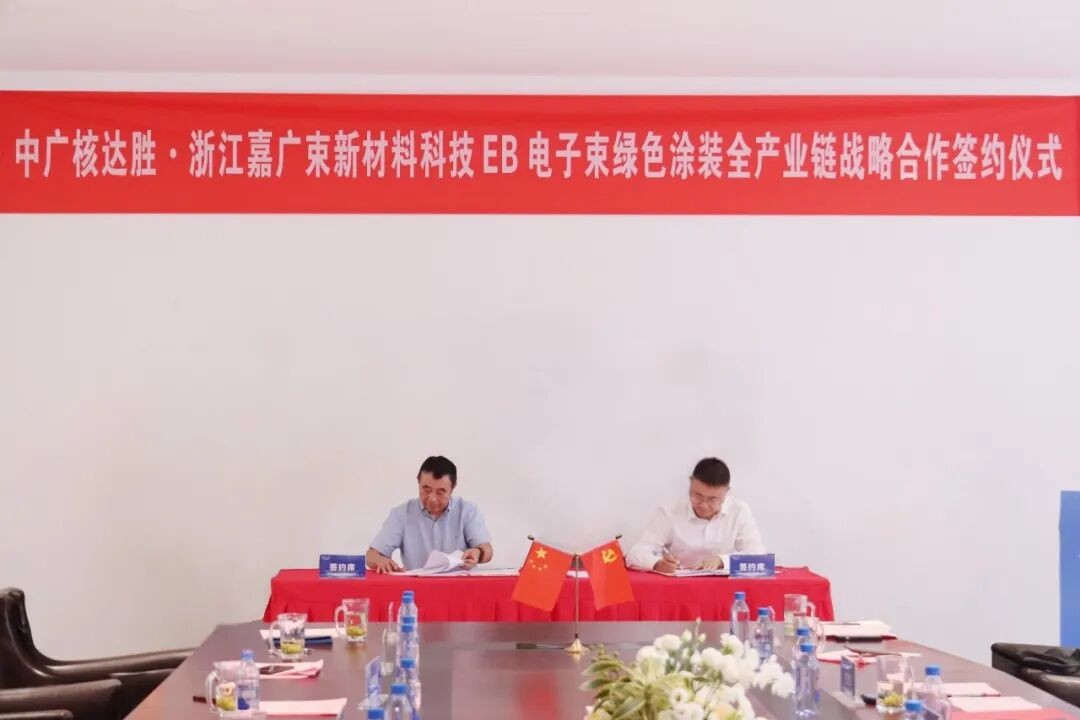
CGN Dasheng Joins Hands with Zhejiang Jiaguangshu to Build China's First Fully Self-Developed Electron Beam Curing Coil Steel Coating Industry Chain
On August 5, CGN Dasheng Accelerator Technology Co., Ltd. signed a strategic cooperation agreement on electron beam curing coil steel coating with Zhejiang Jiaguangshu New Material Technology Co., Ltd. Leveraging the electron accelerator equipment independently developed and manufactured by CGN Dasheng, combined with the partner's large-scale mass production process capabilities, the two parties jointly built the first fully self-controllable, fully domestically produced complete industry chain for electron beam curing coil steel coating in China, marking the official entry of China's color coating industry into a new era of solvent-free, zero VOC (volatile organic compounds), and room-temperature green curing. ▲CGN Dasheng and Zhejiang Jiaguangshu sign strategic cooperation agreement on electron beam curing coil steel coating Electron beam curing is a revolutionary new technology for metal coil coating...
2026-08-06
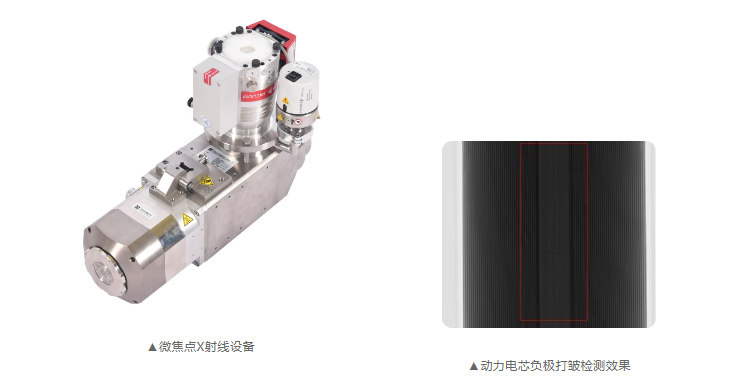
CGN Dasheng Launches Nondestructive Testing Solutions for Power Batteries to Address New Safety Requirements for Electric Vehicle Batteries
The national mandatory safety standard "Safety Requirements for Traction Batteries for Electric Vehicles" officially takes effect on July 1, 2026, further raising the requirements for power battery safety inspection. In response to the needs for internal defect identification, fault tracing, and in-line production testing, CGN Dasheng Accelerator Technology Co., Ltd. has launched multiple nondestructive testing solutions, utilizing X-ray imaging, industrial CT, and electron beam scanning microfocus X-ray source technologies to provide inspection means for power battery quality control. The internal structure of power batteries is complex, with cells typically composed of multiple layers of materials wound or stacked. During production, subtle defects such as electrode plate wrinkles, metal debris contamination, positive-negative electrode misalignment, and welding porosity can...
2026-08-04
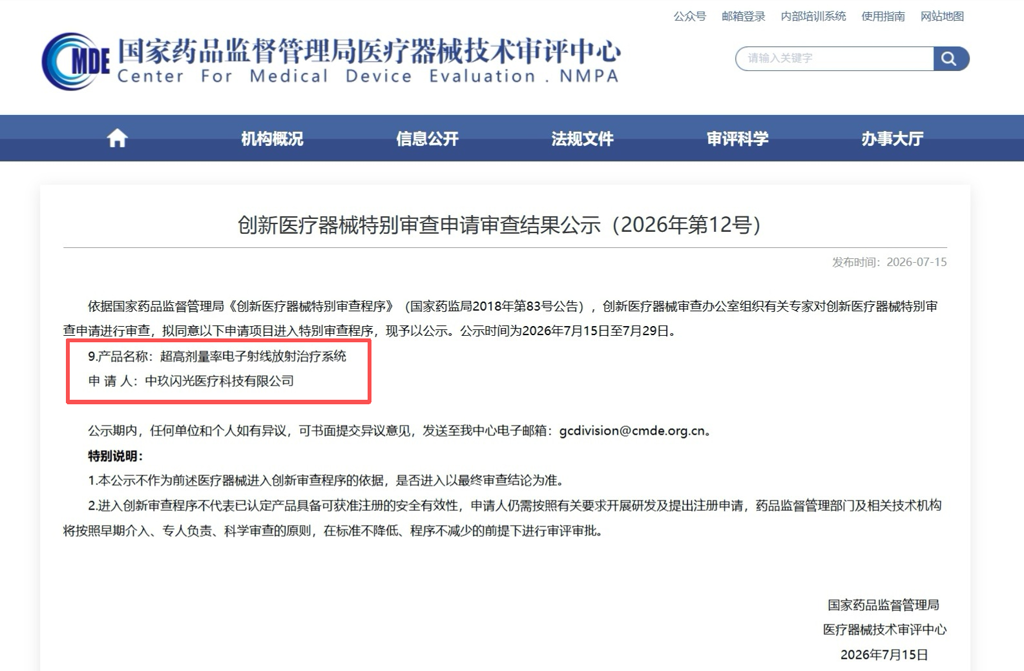
Zhongji Flash e-Flash 200A Enters Innovative Medical Device Special Review Program
Recently, the public notice period for the review results of applications for the Innovative Medical Device Special Review Program by the Center for Medical Device Evaluation of the National Medical Products Administration has concluded. The ultra-high dose rate electron beam radiotherapy system (e-Flash 200A), independently developed by Zhongji Flash Medical Technology Co., Ltd., has officially entered the Innovative Medical Device Special Review Program. According to reports, the e-Flash 200A is China's first ultra-high dose rate electron beam FLASH radiotherapy device and had previously been included in the "Global New" green channel. Its entry into the Innovative Medical Device Special Review Program signifies further recognition of the product's technological innovation and clinical application value. The system is designed for superficial tumor radiothe...
2026-08-04
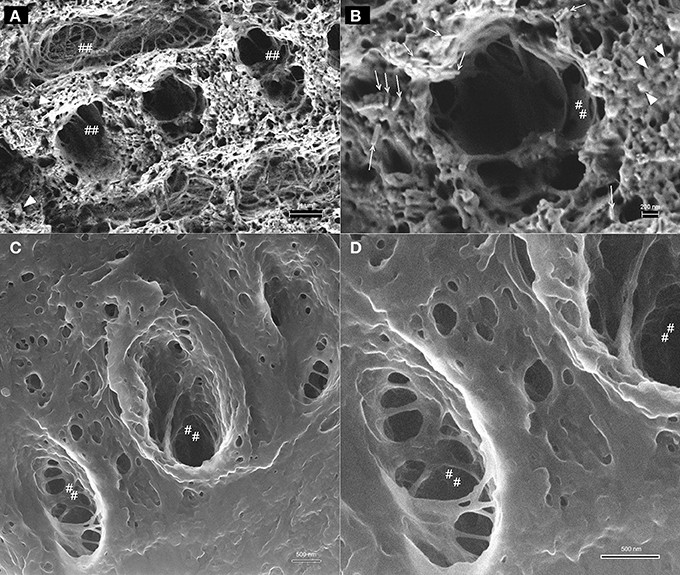
Russian research team reveals submicroscopic pore structure of chernozem using ion beam scanning electron microscopy
Researchers at the Moscow Institute of Physics and Technology and their collaborators have recently used focused ion beam scanning electron microscopy (FIB-SEM) to perform detailed characterization of the microstructure of chernozem soil samples. The study shows that this technique can identify pores smaller than 1 micron, pore morphology, and specific organic components in soil, providing a new observational tool for understanding the mechanisms of chernozem fertility formation and maintenance. The research was supported by a grant from the Russian Science Foundation and published in the 17th series "Soil Science" of the Moscow University Bulletin. Soil science research typically requires extending from the field scale to the microscopic scale. Computed tomography (CT) has been widely used to...
2026-08-03

U.S. Team Traces Source of Anomalous Gamma Rays from Zinc-70, Nuclear Magnetic Transitions May Improve Models of Heavy Element Formation
An international research team led by scientists from the Facility for Rare Isotope Beams (FRIB) at Michigan State University has recently identified the source of the large number of low-energy gamma rays emitted by zinc-70 nuclei. The study suggests that magnetic transitions occurring within the nucleus are the key reason for this anomalous signal enhancement. The findings were published in the journal Nature under the title "Magnetic character of the low-energy enhancement in 70Zn." Gamma rays are electromagnetic radiation released when excited atomic nuclei transition to lower, more stable energy levels. For a long time, scientists have observed an anomalous increase in the number of low-energy gamma rays in some atomic nuclei, known as the low-energy enhancement (LEE), but its physical mechanism had remained unclear...
2026-08-02
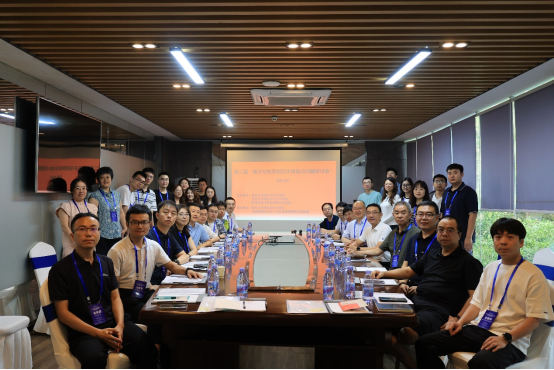
The Second Symposium on Frontier Issues of Ion-Matter Interactions Successfully Held at the School of Nuclear Science and Technology, University of South China
From July 3 to 6, the Second Symposium on Frontier Issues of Ion-Matter Interactions was held in Hengyang, Hunan Province. More than 40 experts and scholars from 15 institutions, including Beijing Normal University, Wuhan University, National University of Defense Technology, Beijing Institute of Technology, Dalian University of Technology, Lanzhou University, Xi'an Jiaotong University, North China Electric Power University, the Institute of Modern Physics of the Chinese Academy of Sciences, and the Beijing Institute of Applied Physics and Computational Mathematics, conducted in-depth exchanges and discussions on the latest experimental and theoretical research progress in the mechanisms of energetic ion beam-matter interactions. This symposium was organized by the School of Nuclear Science and Technology of the University of South China, the School of Nuclear Science and Technology of Lanzhou University, and the Key Laboratory of Beam Technology of the Ministry of Education...
2026-07-31
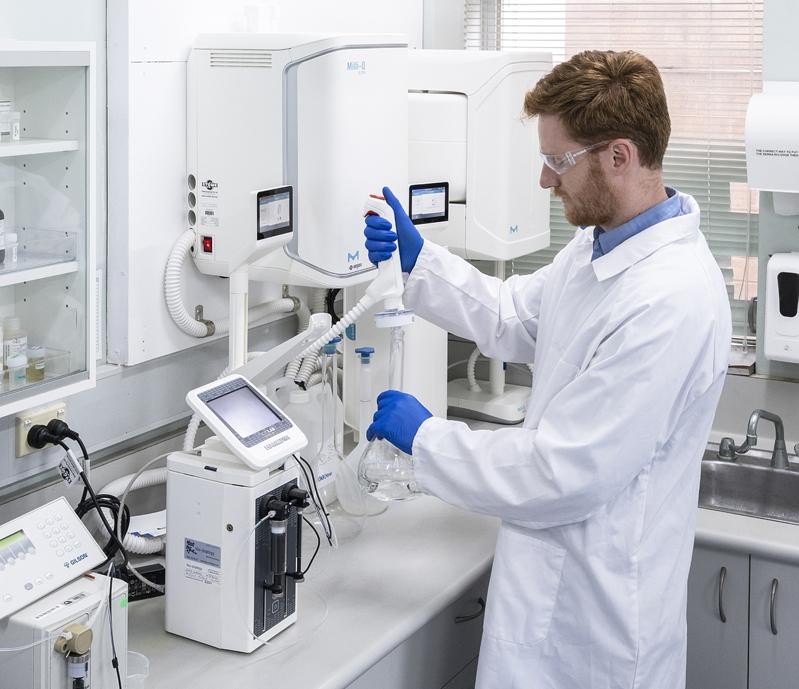
ANSTO Australia Develops New Solution for Immobilizing Sulfate-Bearing Radioactive Waste
The Australian Nuclear Science and Technology Organisation (ANSTO) announced on July 31, 2026, that its researchers have developed a new waste treatment material for immobilizing sulfate-bearing radioactive waste, which is expected to solve the technical challenges in the long-term management of such waste and provide a reference pathway for similar radioactive waste treatment internationally. The related research has been published in the Journal of the European Ceramic Society. The study demonstrates for the first time the application of Hot Isostatic Pressing (HIP) technology in consolidating a dedicated glass-ceramic waste form for sulfate-rich nuclear waste. The research originated from ANSTO's need to manage waste generated during the production of medical radioisotopes, among which sulfate-bearing liquid waste...
2026-07-31
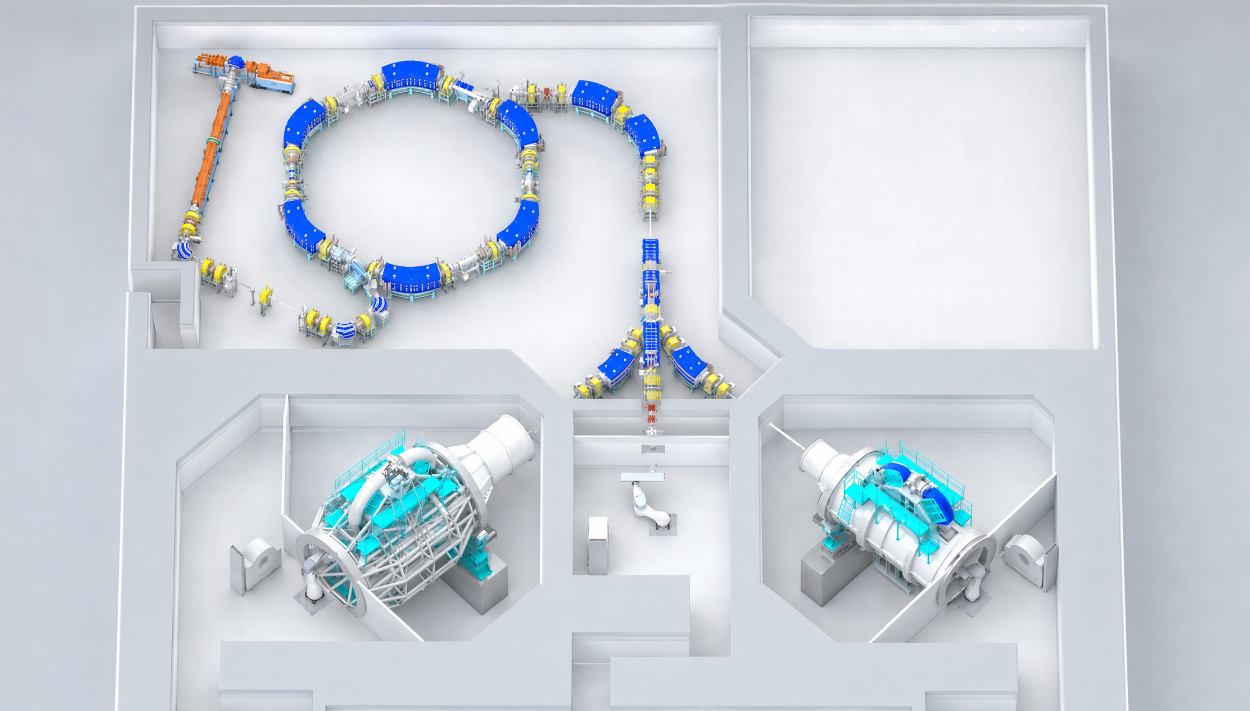
Pre-registration Study Launch Meeting for Light Ion Therapy System Held in Hangzhou
On July 26, the pre-registration study launch meeting for the light ion therapy system was held at CAS Ion (Hangzhou) Medical Technology Co., Ltd. The meeting, themed "Focusing on Multi-ion Clinical Research, Empowering Precision Radiotherapy Innovation," discussed the frontier directions of multi-ion therapy, pre-registration study protocols for the therapy system, and related quality control work. The meeting was hosted by the Zhejiang Provincial Key Laboratory of Tumor Particle Radiotherapy Equipment and CAS Ion Hangzhou Company, and co-organized by the Sun Yat-sen University–CAS Ion (Lanzhou Taiji) Joint Laboratory of Advanced Radiotherapy Technology and the China-Japan-Korea Tumor Prevention and Control Research Institute. Experts and scholars from fields including clinical radiotherapy, medical physics, equipment R&D, and testing and evaluation...
2026-07-30
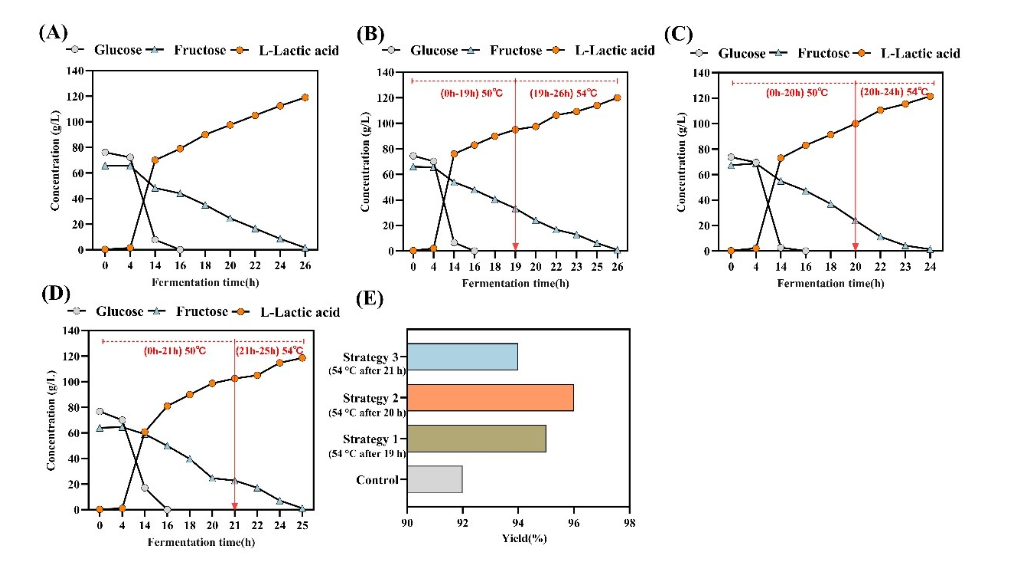
The Institute of Modern Physics, Chinese Academy of Sciences, has made progress in developing heat-tolerant industrial lactic acid bacteria strains via heavy-ion beam mutagenesis.
Recently, researchers from the Institute of Modern Physics of the Chinese Academy of Sciences and the National Key Laboratory of Heavy Ion Science and Technology relied on the carbon ion beam provided by the Lanzhou Heavy Ion Research Facility (31111.02.H
2026-07-27

Kazakhstan advances the use of radiation technology for agricultural preservation and advanced wastewater treatment.
Sayabek Sakhiyev, Director of the Institute of Nuclear Physics of Kazakhstan, recently stated that radiation technology holds promise for helping Kazakhstan reduce post-harvest losses, extend the shelf life of agricultural products, and facilitate advance
2026-07-27