
Search Results
Keyword:Plasma

CNNC Innovation Multi-functional Surface Modification Device Shipped and Delivered
On August 14, 2026, the multi-functional surface modification device developed by CNNC Innovation (Chengdu) Technology Co., Ltd. (hereinafter referred to as "CNNC Innovation") was officially shipped and delivered. This multi-functional surface modification device utilizes CNNC Innovation's proprietary high-energy metal ion source, gas ion source, and supporting single-stage pulsed magnetron source power supply and DC-superimposed pulsed bias power supply. It can perform ion implantation surface modification, metal surface alloying, non-metal surface metallization, auxiliary heating, and other process operations. It can simultaneously achieve gas ion source cleaning and auxiliary deposition treatment. Through the DC-superimposed pulsed bias power supply, directional plasma functionality can be realized, which accelerates deposition efficiency while effectively suppressing abnormal arc discharge and improving film quality.
2026-08-15
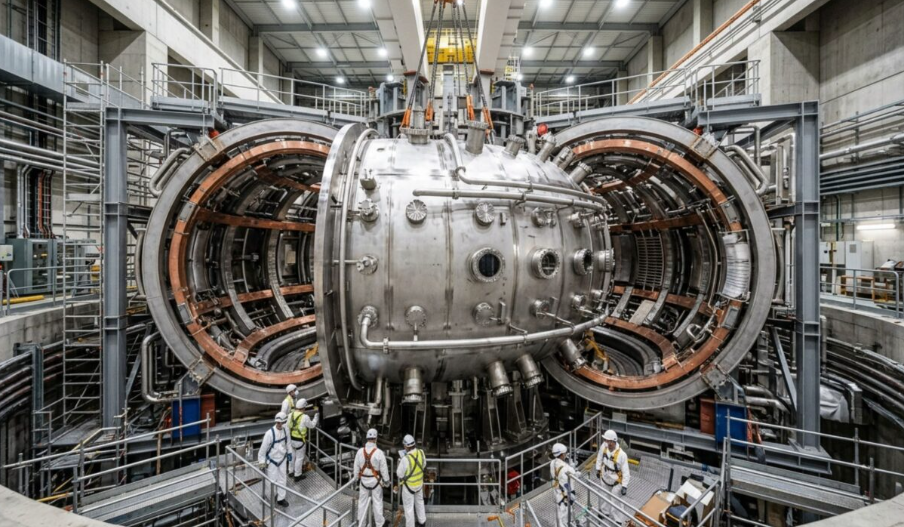
ITER Tokamak Advances Assembly in France, Fusion Experiment Targets 150 Million Degree Celsius Plasma
The ITER tokamak being assembled in southern France is one of the most closely watched large-scale experimental devices in global nuclear fusion research. The machine weighs approximately 23,000 tonnes in total and adopts a donut-shaped toroidal structure, using strong magnetic fields to confine high-temperature plasma, with the goal of replicating on Earth the conditions for fusion reactions that occur inside stars. Its plasma volume is approximately 830 cubic meters, far exceeding previous tokamak devices, and it is therefore expected to validate the key physics and engineering technologies required for future commercial fusion reactors. ITER adopts the toroidal tokamak structure because charged particles can move along toroidal paths under strong magnetic fields, thereby minimizing direct contact with the device's inner walls...
2026-08-14

Fuse Energy Technologies Corp. Reports FAETON-X Single-Shot D-D Fusion Neutron Yield of 1.27×10¹²
Fuse Energy Technologies Corp., headquartered in California, USA, announced on August 11 that its megajoule-class dense plasma focus device FAETON-X measured a peak neutron yield of (1.27±0.27)×10¹² neutrons per shot in a single D-D fusion experiment. The company stated that this is one of the highest single-shot fusion neutron yields publicly recorded by a commercial fusion enterprise, and the first to reach the 10¹² order of magnitude. FAETON-X is a megajoule-class pulsed-power fusion system developed by Fuse, designed as a single-pulse flash neutron source, serving pulsed-power fusion R&D and...
2026-08-12
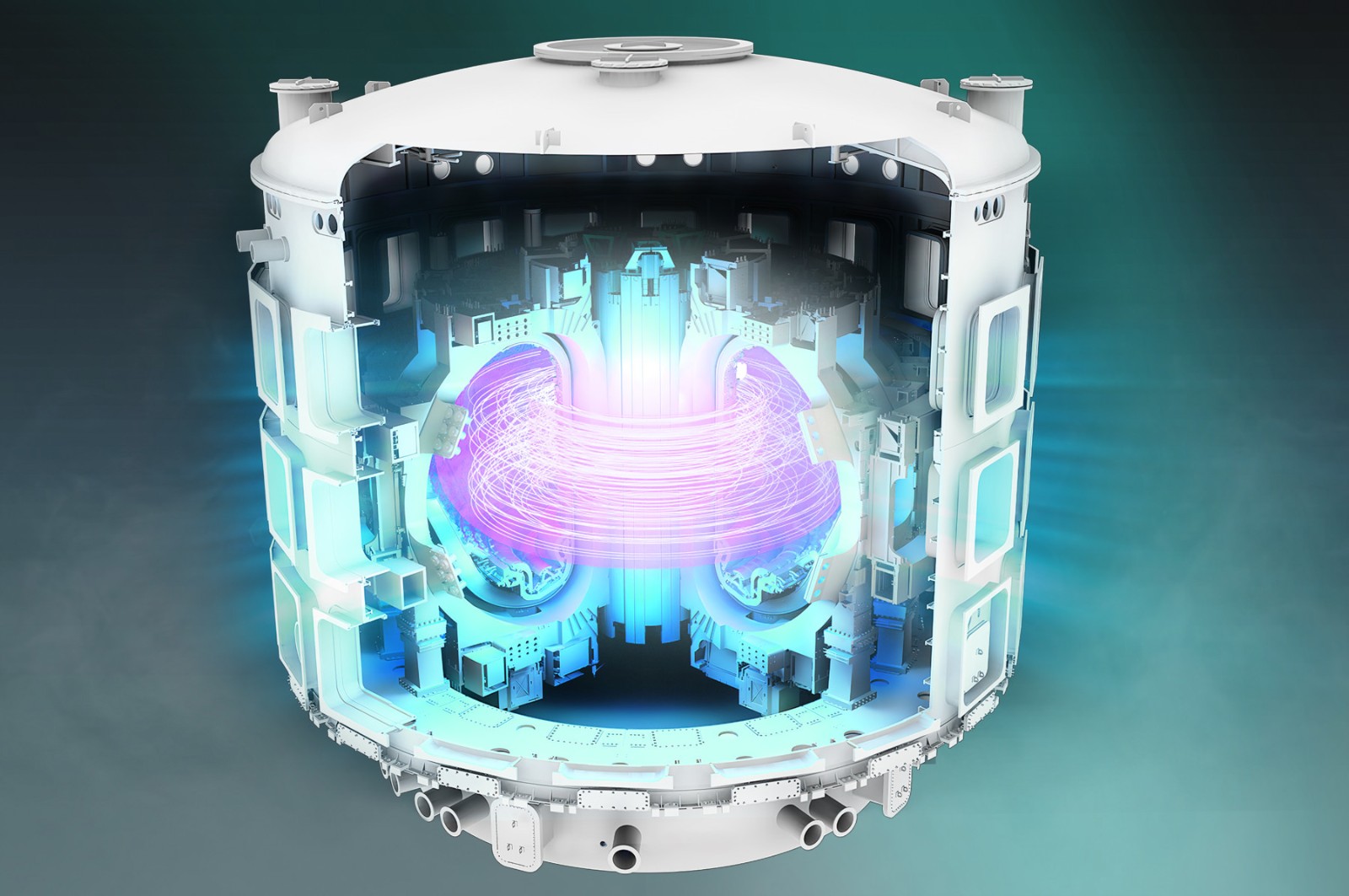
Russian Scientists Propose Fast Calculation Method to Simulate Plasma Ion Parameters in Seconds
Researchers from the HSE University and the Moscow Institute of Physics and Technology (MIPT) have developed an analytical method for calculating the behavior of heavy ions in helium under strong electric fields, which can accelerate the computation of ion mobility and ion–molecule reaction rates by thousands of times. The findings have been published in Physica Scripta. Plasma, composed of charged particles such as electrons, negative ions, and positive ions, is typically quasi-neutral and highly conductive. It exists not only in fluorescent lamps and welding arcs but is also used in controlled nuclear fusion devices such as tokamaks. Atmospheric plasma jets can also be applied to wound disinfection, work surface cleaning...
2026-08-11

Inner Mongolia Nuclear and Radiation Monitoring Center Organizes Standard Pre-Research Exchange Meeting
In accordance with the arrangement of the radiation monitoring standard pre-research project, the Inner Mongolia Nuclear and Radiation Monitoring Center (hereinafter referred to as the Inner Mongolia Center) undertakes the pre-research task for the standard "Determination of Total Uranium and Thorium in Soil and Sediment - Inductively Coupled Plasma Mass Spectrometry." To standardize the inter-laboratory method validation process and ensure the smooth progress of the validation work, the Inner Mongolia Center recently organized a standard pre-research method validation exchange meeting in Baotou City, attended by experts from the Radiation Environmental Monitoring Technical Center of the Ministry of Ecology and Environment for on-site guidance. Seven laboratories from across the country participated in this validation exchange meeting, including provincial-level radiation environmental monitoring institutions and laboratories in the nuclear industry, nuclear technology applications,...
2026-08-11
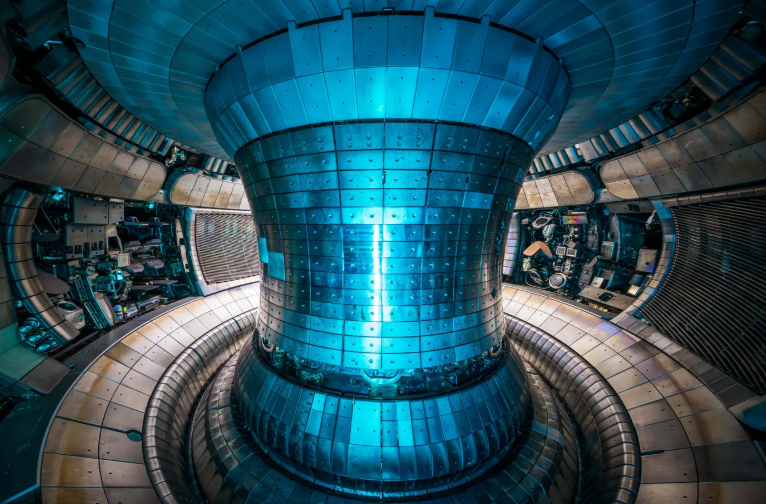
Two IPP studies reveal edge turbulence mechanisms in fusion plasmas from first principles
On August 10, 2026, two research teams at the Max Planck Institute for Plasma Physics (IPP) independently published findings that, for the first time, explain key phenomena in the extremely thin edge layer of fusion plasmas starting from fundamental physics equations. Both papers were published in Physical Review Letters, with one highlighted as an editor's suggestion. For stable operation of a fusion power plant, two requirements must be met simultaneously: on the one hand, the plasma at temperatures of around 100 million degrees Celsius must be effectively confined to achieve fusion ignition conditions; on the other hand, the generated heat must be distributed over a sufficiently large area to prevent damage to the device walls from excessive local heat loads. Whether this conflict can be resolved depends largely on a region only a few centimeters thick at the plasma edge.
2026-08-10
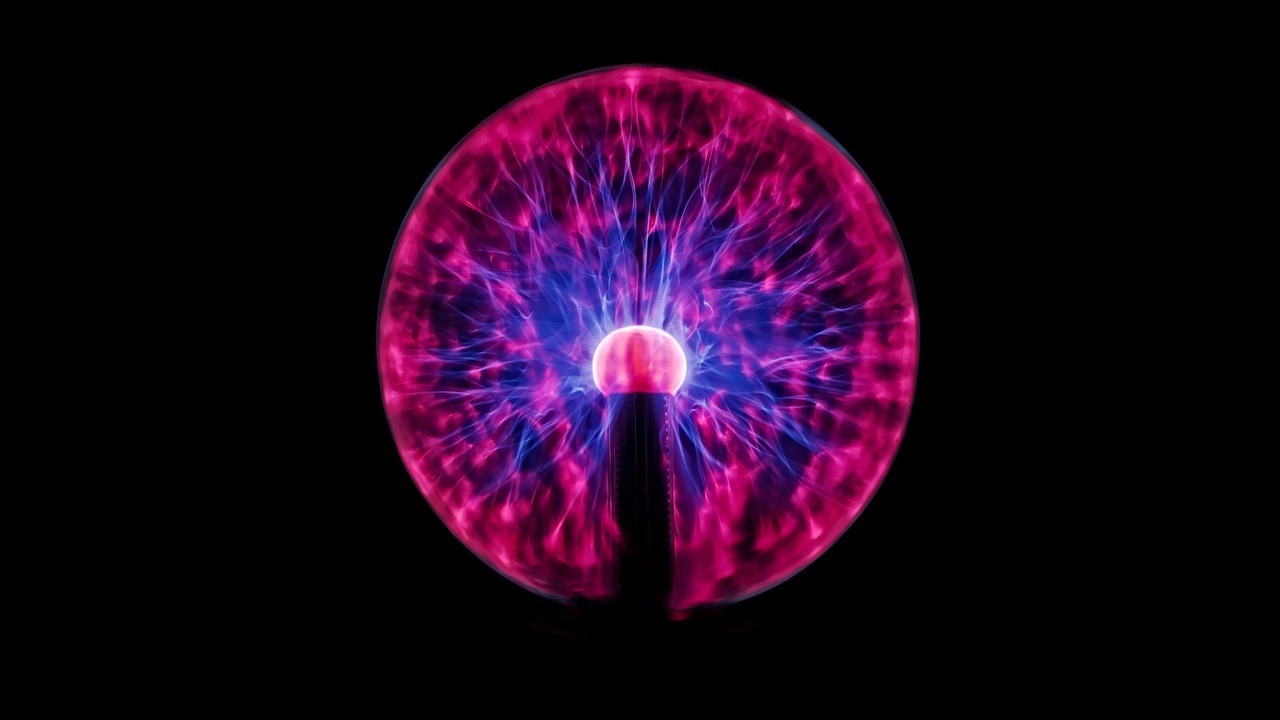
Russian University Proposes Rapid Simulation Method for Plasma Ion Parameters
Researchers from the HSE University and the Moscow Institute of Physics and Technology have developed a simple analytical method for calculating the behavior of heavy ions in helium under strong electric fields. The findings have been published in Physica Scripta. Plasma is a gas composed of charged particles such as electrons, negative ions, and positive ions, typically quasi-neutral and highly conductive. In addition to fluorescent lamps and welding arcs, plasma also exists in controlled nuclear fusion devices such as tokamaks. Atmospheric plasma jets can also be used for wound disinfection, work surface cleaning, and improving crop seed performance. In plasma jet research, scientists...
2026-08-10
Harbin Fusion and Superconducting Industry Technology Innovation Alliance Established
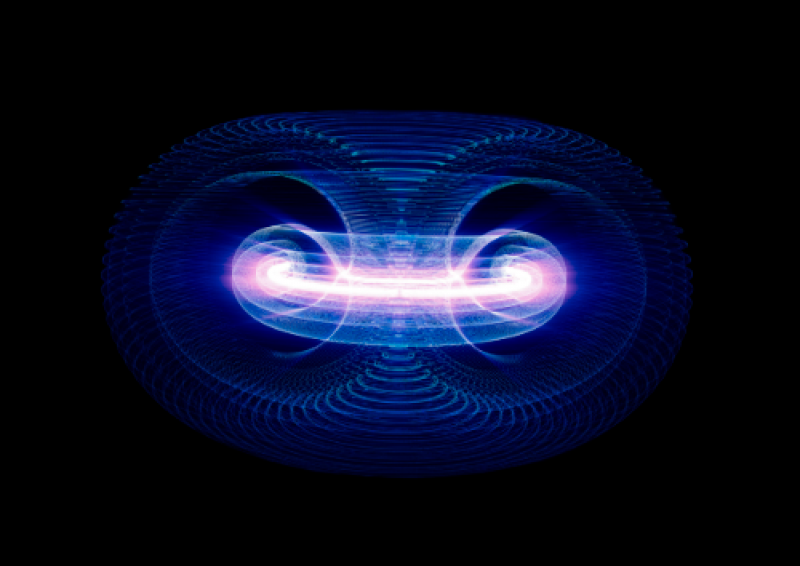
On August 7, the inaugural meeting and first member assembly of the Harbin Fusion and Superconducting Industry Technology Innovation Alliance was held. Under the guidance of the Heilongjiang Provincial Department of Science and Technology and the Harbin Municipal Science and Technology Bureau, Harbin Institute of Technology (HIT) took the lead in establishing the Harbin Fusion and Superconducting Industry Technology Innovation Alliance. The alliance not only comprehensively integrates HIT's national-level advantageous research capabilities in fields such as robotics, advanced welding and joining, special composite materials, and extreme environment simulation, but also brings in local scientific innovation forces and industrial entities including Harbin Engineering University, the Heilongjiang Provincial Institute of Atomic Energy, and Harbin Electric Group. At the same time, it brings together the Institute of Plasma Physics of the Chinese Academy of Sciences, the Southwest Institute of Physics of Nuclear Industry,...
2026-08-07
UK's MAST Upgrade sets plasma pressure record in fifth experimental campaign
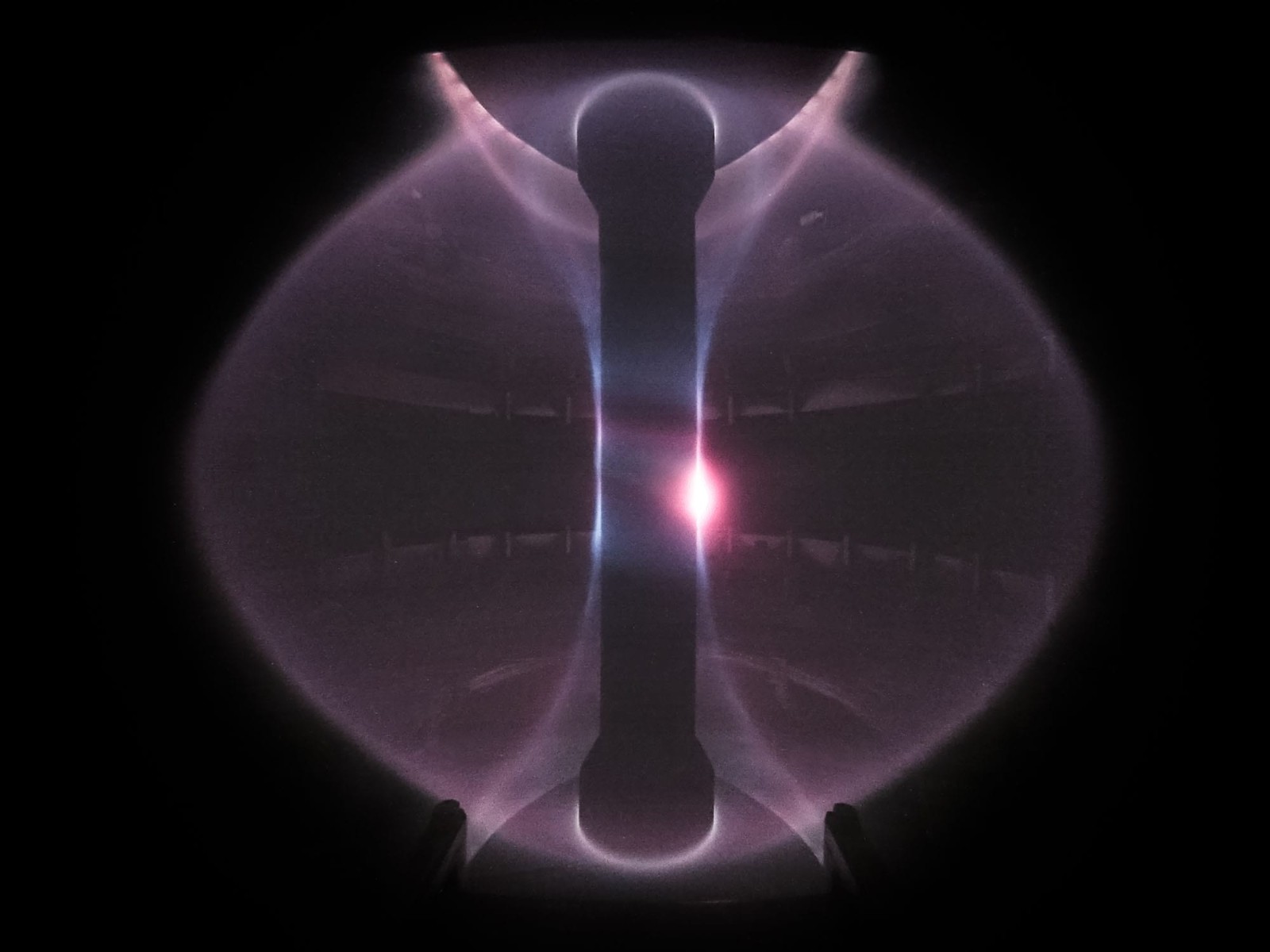
The UK Atomic Energy Authority (UKAEA) has completed the fifth experimental campaign of its flagship fusion experiment, MAST Upgrade. The campaign, conducted between 2025 and 2026 at the Culham Campus in Oxfordshire, UK, produced over 1,100 plasma pulses and achieved the device's highest-ever plasma pressure while overcoming plasma instability issues. In fusion devices, hydrogen isotopes must be heated, compressed, and confined under extremely high temperatures and pressures. The higher the plasma density and temperature, the stronger the fusion reaction, and high-pressure plasmas are also closer to the operating conditions required for future commercial fusion power plants. UKAEA stated that this...
2026-08-07
Department of Plasma Physics and Fusion Engineering at the University of Science and Technology of China Proposes New Three-Dimensional Magnetic Field Configuration for Stellarators
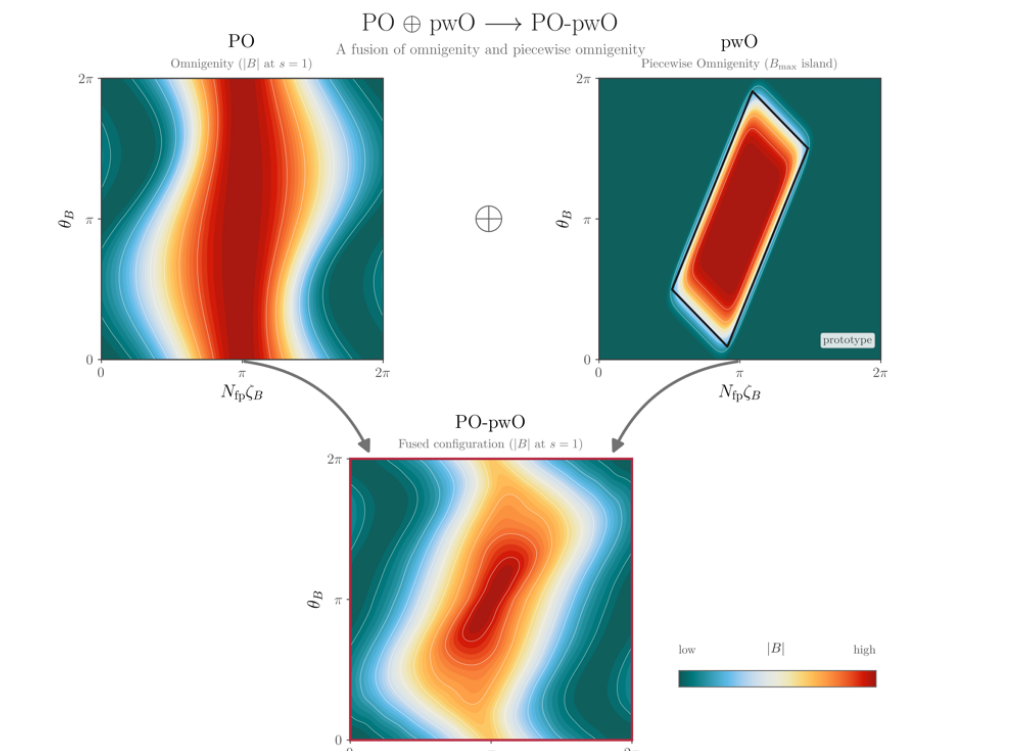
Stellarators confine high-temperature plasma using three-dimensional magnetic fields generated by external coils, enabling steady-state operation without relying on plasma current and avoiding instabilities such as disruptions, making them the fastest-growing technological route globally. However, if the three-dimensional magnetic field is not carefully optimized, trapped particles can experience significant radial drift, leading to a substantial increase in neoclassical transport losses. To suppress this drift, the magnetic field must satisfy the "omnigenity" condition, meaning that the time-averaged radial drift of all trapped particle orbits is zero. The most widely applied class of omnigenous magnetic fields is poloidal omnigenity (PO), and such configurations are also commonly referred to as quasi-isodynamic (QI) configurations...
2026-08-06
Colorado State University produces first ultracold neutral plasma with electron temperature below 1 kelvin
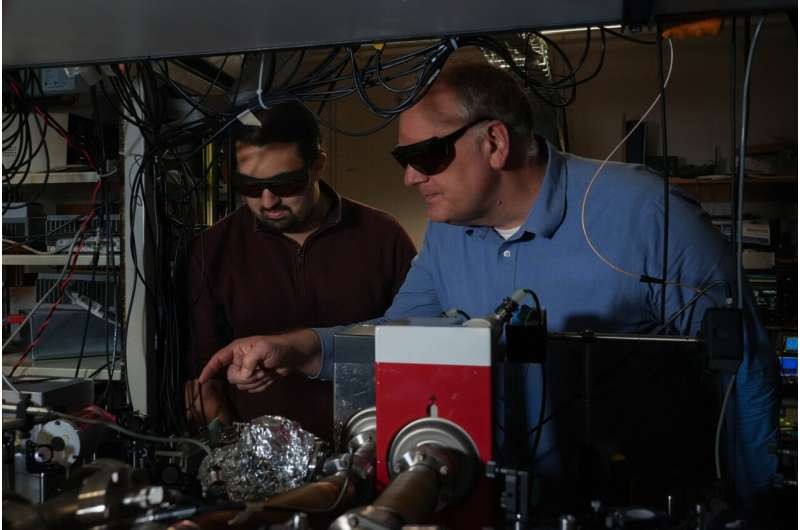
Researchers at Colorado State University have, for the first time, produced an ultracold neutral plasma by combining laser cooling techniques with strong magnetic fields. Measurements show that the electron temperature in this plasma is less than 1 kelvin above absolute zero, making it one of the lowest electron temperatures ever measured in a plasma. The research was published in Physics of Plasmas. The new method proposed in the paper helps test plasma theories under more controllable experimental conditions and improve computational models of plasma behavior in extreme environments. The researchers believe this achievement could contribute to future fusion energy...
2026-08-05

UC Santa Barbara and Lawrence Livermore National Laboratory Collaborate to Accelerate Fusion Plasma Simulations with AI
The University of California, Santa Barbara (UCSB) and Lawrence Livermore National Laboratory (LLNL) are launching a new collaboration to bring artificial intelligence into extreme plasma simulations, accelerating critical computations in nuclear fusion and high-energy-density physics research. Neel Sankaran (left), a doctoral student of UCSB Professor Haewon Jeong, poses with LLNL scientist Min Sang Cho (right). The project is led by the Department of Electrical and Computer Engineering at UC Santa Barbara...
2026-08-05

University of Science and Technology of China Plans to Establish a Micro-Major in "Magnetic Confinement Controlled Nuclear Fusion"
On the afternoon of July 28, the expert review meeting for the establishment of the micro-major in Magnetic Confinement Controlled Nuclear Fusion at the University of Science and Technology of China was held at the university's Lishi College. Seven experts from Fudan University, Sun Yat-sen University, Hefei University of Technology, Anhui University, and fusion energy enterprises formed the review committee to deliberate on the micro-major construction plan. Following inquiries and discussions, the expert group unanimously agreed to establish the micro-major. The meeting was hosted by Lishi College of USTC. Zhu Dongjie, Executive Vice Dean of Lishi College, attended the meeting, while Professor Xie Jinlin, Vice Dean of the School of Nuclear Science and Technology, and Associate Professor Liu Adi, Teaching Director of the Department of Plasma Physics and Fusion Engineering, participated in the presentation and defense. ...
2026-08-05

News Broadcast: Major Science Infrastructure Construction Accelerates Across the Board, Innovative Achievements Emerge
Major science and technology infrastructure is a powerful tool for building a strong science and technology nation. Since the beginning of this year, the construction of major science infrastructure in China has accelerated across the board, with original achievements continuously emerging, rapidly transforming from a source of basic research into a "strong magnetic field" that fosters disruptive technologies and cultivates new quality productive forces. To date, China has over 70 national major science and technology infrastructure projects under construction or in operation, ranking second globally in overall scale, with some facilities entering the world's top tier in comprehensive capabilities. Distinctive clusters have taken shape in Beijing Huairou, Shanghai Zhangjiang, Anhui Hefei, and the Guangdong-Hong Kong-Macao Greater Bay Area. On Science Island in Hefei, Anhui, leveraging the construction of facilities such as the Steady High Magnetic Field and the artificial sun nuclear fusion experiment, nearly 50 enterprises have been incubated in fields including superconductivity, magnets, cryogenics, materials, and plasma applications...
2026-08-05

U.S. Team Proposes New In-Situ Cleaning Method for Porous Tungsten Walls in Fusion Devices
Researchers from the U.S. Department of Energy's Princeton Plasma Physics Laboratory, Princeton University, and Pennsylvania State University have proposed an in-situ cleaning method for fusion system wall materials, which uses heating combined with neon plasma to remove contaminants from the surface of porous tungsten materials after components are installed and sealed within a vacuum chamber. The research findings have been published in *Nuclear Materials and Energy*. Image credit: Kyle Palmer / PPPL Communications Department. Fusion system walls must withstand extreme temperatures. Liquid lithium is considered a promising wall protection material, which can be retained within porous tungsten wall tile structures much like water absorbed by a sponge. However, this...
2026-08-05