Registration
REGISTER FOR THE CONFERENCE
Registration
REGISTER FOR THE CONFERENCE
 Apply to Exhibit
APPLICATION FOR EXHIBITION
Apply to Exhibit
APPLICATION FOR EXHIBITION
 Sponsorship
SPONSORSHIP APPLICATION
Sponsorship
SPONSORSHIP APPLICATION
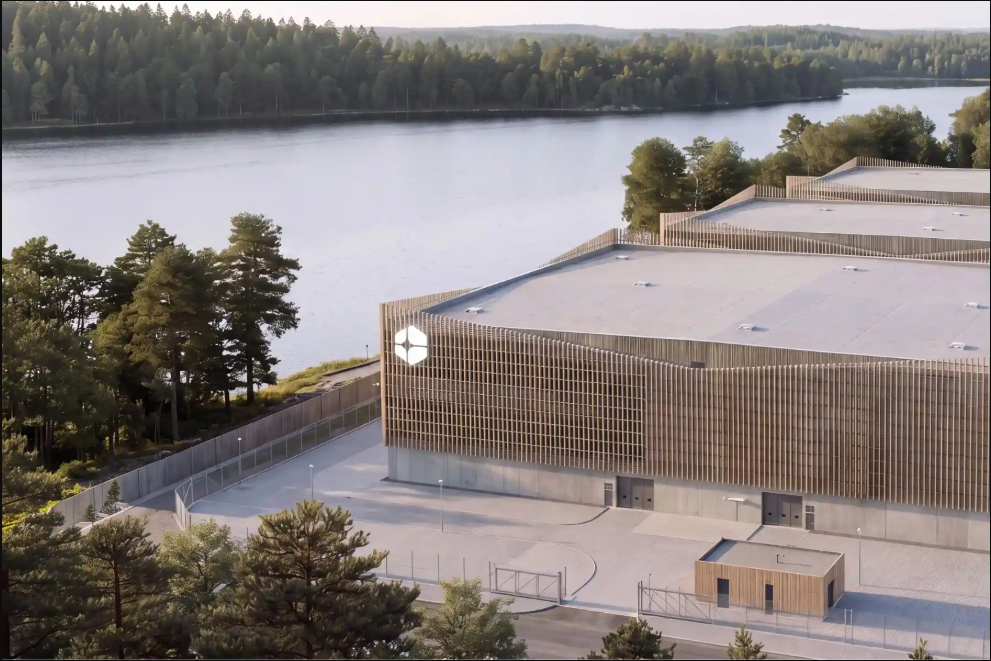
Sweden's Blykalla applies to build eight lead-cooled SMRs in Tierp
Swedish nuclear engineering company Blykalla submitted an application to the Swedish government on August 25 for approval to build a new nuclear power plant, planning to construct up to eight SEALER-type lead-cooled small modular reactors in the Önterå area of Tierp, Sweden. The project is proposed to be located between Uppsala and Gävle, near the Önterå and Söderfors hydropower stations. Blykalla CEO Jacob Stedman stated that the company surveyed approximately 50 to 70 potential sites across Sweden before finalizing the location, with a focus on finding areas where power could be generated locally and connected directly to the grid. According to the plan, the total installed capacity of the Tierp project is expected to reach up to...
2026-08-25
Japan Completes Cryogenic Test of World's Largest Superconducting Toroidal Field Coil for ITER
2026-08-25
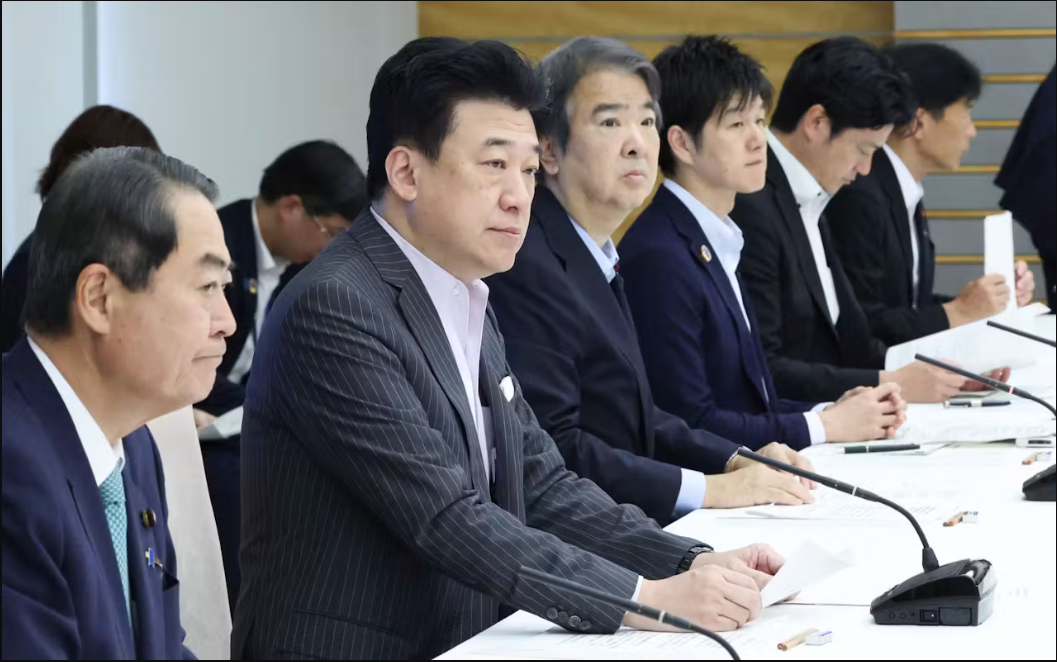
Japan to Use Fukushima Decontaminated Soil at Government Office Buildings in Sendai and Saitama
2026-08-25
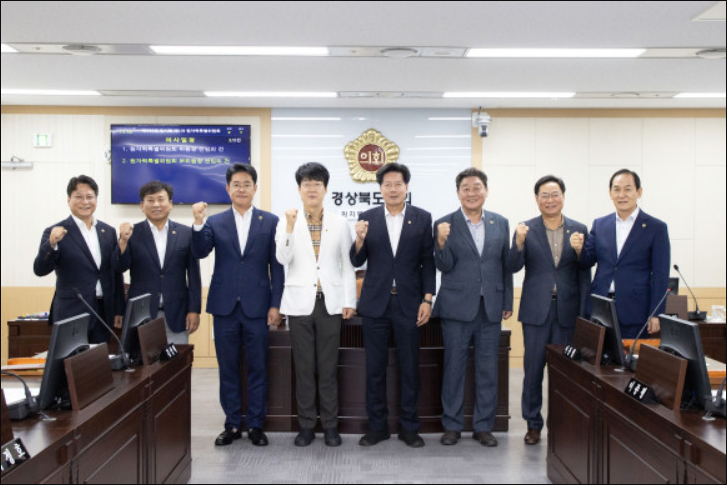
North Gyeongsang Provincial Council Establishes Special Committee on Nuclear Power
2026-08-25
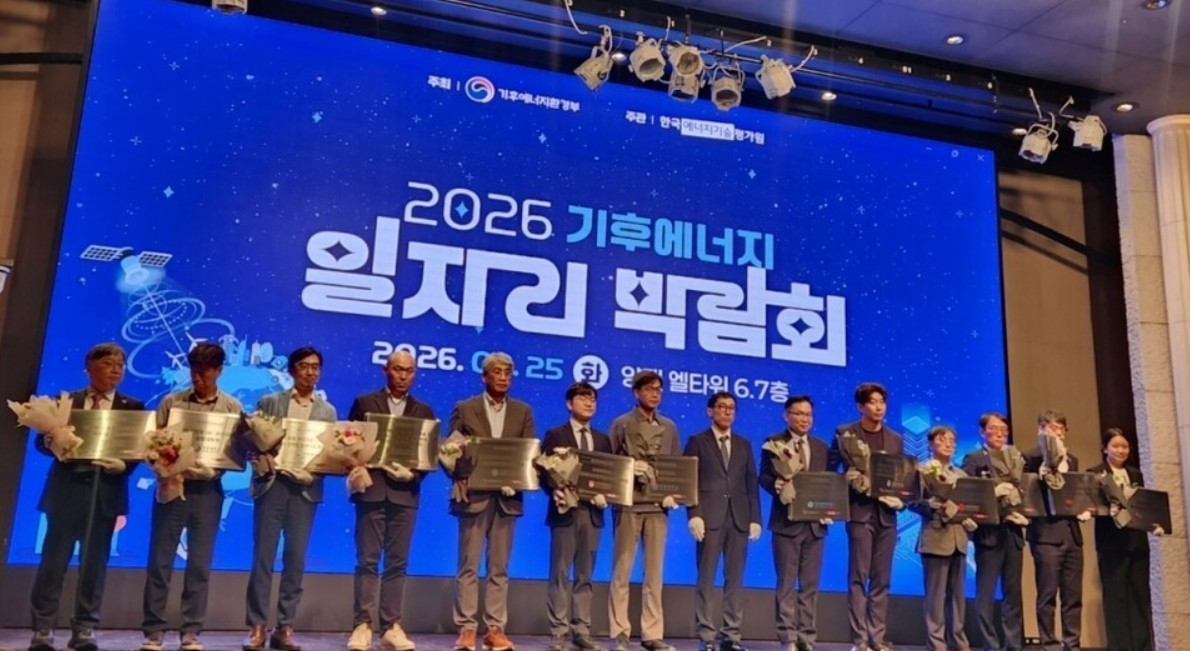
South Korea Launches Next-Generation Energy Leader Training Program in Nuclear Energy
2026-08-25

Singapore Plans "Western Island"; Experts Say It Could Serve as a Study Subject for Future Nuclear Power Siting
2026-08-25

Liaoning Zhuanghe Nuclear Power Enters Construction Preparation Phase, Expected to Complete 2 Billion Yuan in Project Investment by Year-End
2026-08-25
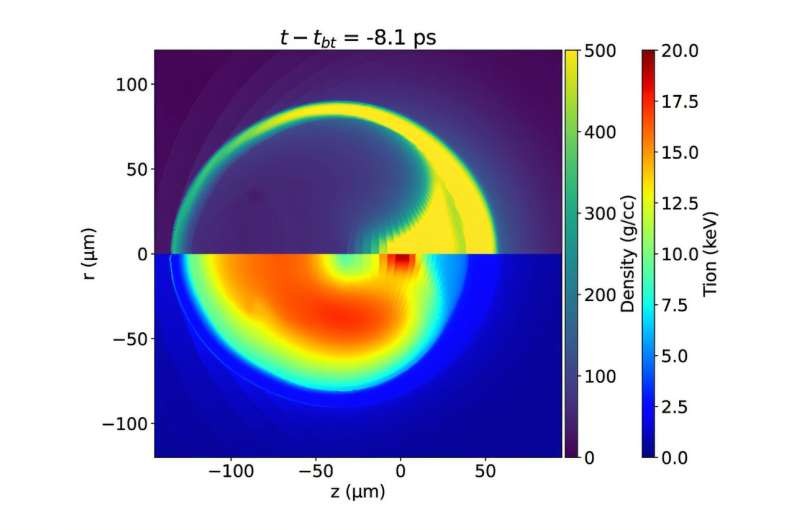
US Study Shows Inertial Fusion Implosions Can Tolerate Certain Asymmetries
2026-08-25

U.S. Department of Energy Extends Princeton University Contract to Operate PPPL
2026-08-25
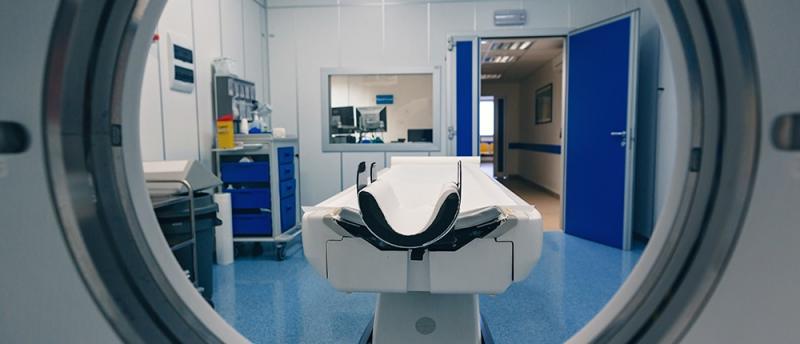
South Korean electron beam source technology company SEC announced on August 25 that it has been selected as a joint research institution for the world's best active dose distribution control radiotherapy machine R&D project, and will participate in the development of core technologies related to next-generation radiotherapy equipment. The project is a newly established task under the Global Flagship Medical Device R&D Program of the South Korean government's medical device R&D fund, with a duration of 6 years and 6 months, starting from July this year and planned to continue until December 2032. The total project budget is 35.2 billion KRW, of which 28 billion KRW is government funding. Radexel serves as the lead institution, with SEC participating as a joint research institution. Other participating organizations include the Korea Atomic Energy Research Institute, Korea Testing Laboratory...
2026-08-25
Pusan National University announced on August 25 that a research team led by Professor Yang Seung-yun from the Department of Biomaterials Science, in collaboration with Professor Kim Hoon-soo from the Department of Dermatology and Professor Kim Geun-young from the Department of Nuclear Medicine at Pusan National University Hospital, as well as SNBIA Co., Ltd., has developed a precision localized radiation therapy technology based on biodegradable radioactive isotope materials for the treatment of refractory keloids that tend to recur after surgery. Conceptual diagram of precision treatment technology for refractory keloids. Provided by Pusan National University. Keloids are caused by abnormal proliferation of fibroblasts and excessive accumulation of collagen after skin injury. Existing treatment methods include surgery, steroid injections, laser therapy, etc., but...
2026-08-25
On August 24, information on the website of the Center for Drug Evaluation (CDE) of China's National Medical Products Administration showed that Novartis' nuclear medicine product Lutetium [177Lu] Vipivotide Tetraxetan had a localized production application submitted in China. On the same day, two indications for the drug were proposed for priority review, and the relevant review matters may correspond to this localized production application. Lutetium [177Lu] Vipivotide Tetraxetan, namely 177Lu-PSMA-617, is a radioligand therapy (RLT) drug acquired by Novartis following its acquisition of Endocyte. The drug consists of a small-molecule compound targeting prostate-specific membrane antigen (PSMA) conjugated to the therapeutic radionuclide Lutetium-177. Upon entering the bloodstream, the drug binds to prostate cancer cells expressing PSMA, and...
2026-08-25
Recently, the "Angola Public Health and Medical Training Program," organized by the International Exchange Center of the Sichuan Provincial Health Commission, was held at the Affiliated Hospital of Southwest Medical University. An 18-member delegation comprising Angolan health administrators and medical personnel visited the hospital for exchange, with a focus on learning about the development and clinical application of nuclear medicine, urology, and other related disciplines. Jiang Yong, member of the Standing Committee of the Party Committee, Vice President of Southwest Medical University, and President of the Affiliated Hospital, welcomed the Angolan delegation and introduced the hospital's basic information. He stated that under the guidance of the Sichuan Provincial Health Commission, the hospital will leverage its disciplinary advantages as a university-affiliated hospital and a Sichuan Provincial Medical Center to carry out practical cooperation with Angola in talent cultivation, technical exchange, and hospital management.
2026-08-25
Lawrence Berkeley National Laboratory in the US is advancing the Advanced Light Source (ALS) synchrotron upgrade project, planning to enhance soft X-ray experimental capabilities through next-generation light source technology, providing higher-precision data support for quantum materials, microelectronics, energy technologies, biological structure research, and AI-assisted scientific research. The project team is working toward the 2029 target. Since the Advanced Light Source began operation in 1993, it has long served research across soft X-ray, ultraviolet, infrared, and hard X-ray wavelength ranges. Researchers worldwide have used the facility's focused beams to observe molecular and material structures at the atomic scale, with results cited in over 18,000 papers...
2026-08-25
August 22 news, Russian Ambassador to Algeria Alexey Solomatin said in an interview that Russia and Algeria are advancing cooperation in the field of peaceful uses of nuclear energy, with direct working contacts established between the relevant agencies of the two countries. Solomatin stated that cooperation between the two countries in this field is expanding. The basis for bilateral cooperation is the Intergovernmental Agreement on Cooperation in the Peaceful Uses of Nuclear Energy signed in 2014. In addition, Russia and Algeria signed the Roadmap for Cooperation in the Peaceful Uses of Nuclear Energy during the 2024 International Atomic Energy Expo (Atomexpo), outlining the main directions of bilateral cooperation. He noted that the practical implementation of the agreements will begin in 2...
2026-08-25
On August 21, 2026, scientists at the Russian Far Eastern Federal University, with support from the Russian Science Foundation, are developing ceramic materials for ultrafast detection of ionizing radiation. The results could be used in the future for medical diagnostics, baggage and cargo security screening, radiation monitoring, and scientific equipment requiring fast, precise radiation detection. The project, titled "Ultrafast Ceramic Scintillators for Ionizing Radiation Detection," is led by Anastasia Vonovskikh, a researcher at the Research and Education Center for Advanced Ceramic Materials, Department of Industrial Safety, Polytechnic Institute, Far Eastern Federal University. Scintillators are a class of materials that emit light when exposed to ionizing radiation. Detectors record these light signals to determine radiation intensity and energy. Currently, most related equipment uses single-crystal scintillators, but their production typically requires significant energy and resource inputs. The Far Eastern Federal University team proposes special ceramic materials as an alternative, aiming to improve detection speed and efficiency, making them more suitable for detecting trace amounts of radiation.
2026-08-25