
Search Results
Keyword:nuclear power
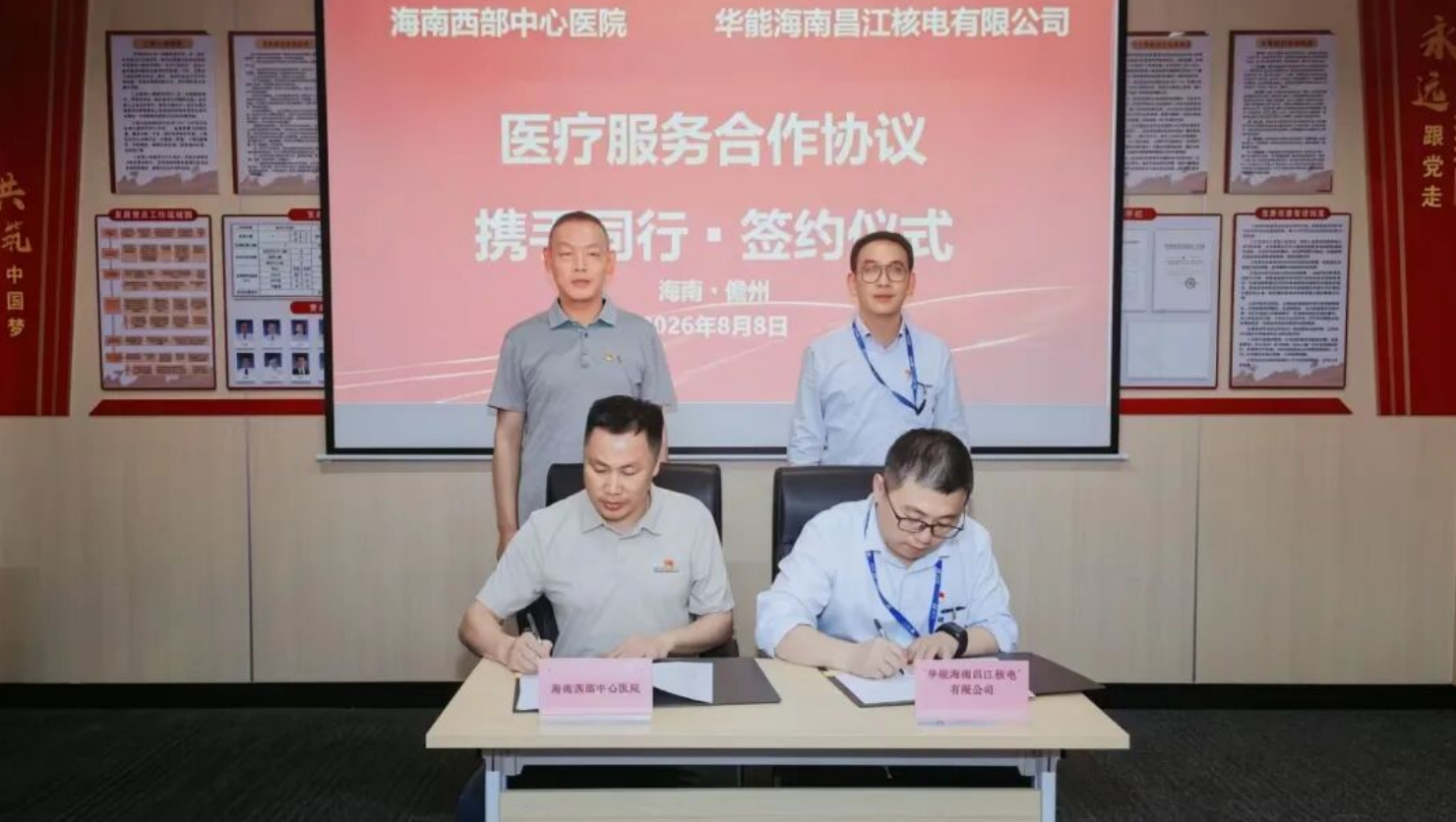
Huaneng Changjiang Nuclear Power Company Signs Medical Cooperation Agreement with Hainan Western Central Hospital
Recently, Huaneng Hainan Changjiang Nuclear Power Co., Ltd. signed a medical cooperation agreement with Hainan Western Central Hospital, comprehensively strengthening the health and safety defense line for enterprise employees and safeguarding nuclear power production safety. The two parties agreed to leverage the hospital's high-quality medical resources to open a green channel for employees' emergency medical treatment, carry out routine occupational health examinations and health science education, establish a rapid transport and treatment linkage mechanism for sudden injuries or illnesses at the plant site, and efficiently handle various on-site emergency medical situations. After the signing ceremony, relevant personnel from Huaneng Changjiang Nuclear Power Company visited the Emergency Department and Outpatient Building at the Baimajing Binhai Campus, gaining detailed insights into emergency treatment procedures, rescue equipment configuration, and emergency rescue operation models, and engaging in discussions with medical staff on topics such as on-site industrial injury handling and emergency medical response to sudden health events.
2026-08-11
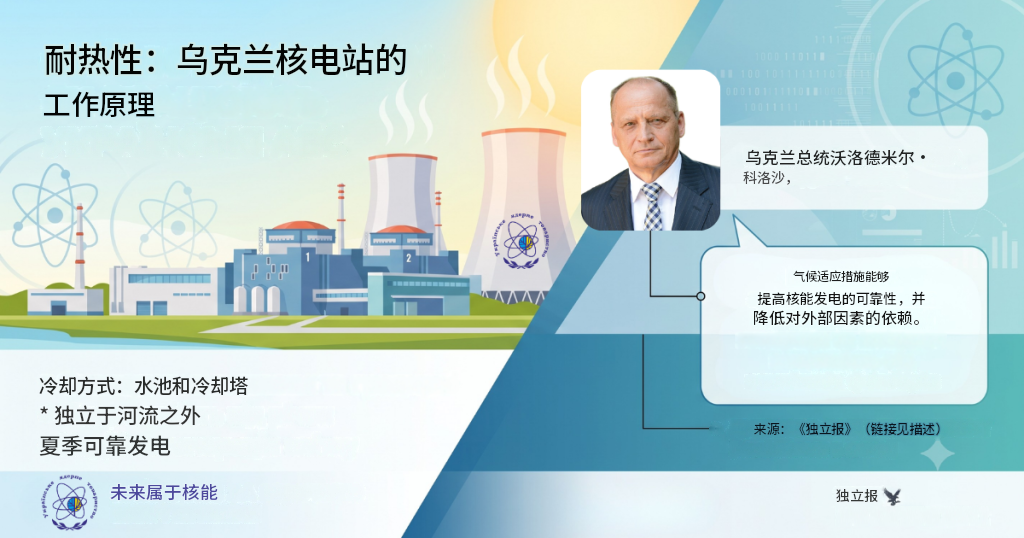
Europe's High Temperatures and Droughts Impact Nuclear Power Operations, Ukrainian Expert Says Climate Adaptation Tied to Energy Independence
Recent prolonged high temperatures, droughts, and falling river levels across Europe have put pressure on the operation of some nuclear power plants that rely on river water for cooling. Nuclear facilities in France, Hungary, Romania, and Slovenia have successively experienced power reductions or shutdowns, forcing some countries to ease supply pressure through electricity imports and adjusted consumption arrangements. Katie Huff, a professor of nuclear engineering at the University of Wisconsin-Madison, stated that the impact of climate change on nuclear power operations is mainly reflected in two aspects: first, droughts lower river levels, making it difficult for plants to obtain sufficient cooling water; second, when air and water temperatures are high, nuclear plants face stricter restrictions on discharging warm water into rivers to avoid further affecting the aquatic environment.
2026-08-11

UK PhD Students Travel to Canadian Nuclear Laboratories for Hands-On Nuclear Energy Training
On August 10, 2026, Canadian Nuclear Laboratories (CNL) welcomed its first cohort of PhD students from the United Kingdom. The visit is part of a five-year collaboration with the UK's Skills and Training Alliance for a Nuclear Renaissance Centre for Doctoral Training (SATURN CDT), marking the launch of a new long-term partnership in the international development of nuclear energy talent. SATURN CDT is funded by the UK's Engineering and Physical Sciences Research Council (EPSRC) and led by the University of Manchester, in partnership with seven UK universities. The program aims to provide the next generation of nuclear energy professionals with hands-on training beyond the classroom...
2026-08-11
U.S. National Nuclear Security Administration Extends Savannah River Site Management and Operating Contract to September 2027
The U.S. Department of Energy's National Nuclear Security Administration (DOE/NNSA) announced on August 10 that it has exercised the remaining option on the Savannah River Site (SRS) Management and Operating contract with Savannah River Nuclear Solutions, LLC, extending contract performance through September 30, 2027, with an estimated contract value of $2.3 billion. NNSA stated that exercising this remaining option will help maintain continuity and stability of the contractor workforce, allowing related work to continue advancing around the agency's critical missions. The current SRS Management and Operating contract was originally scheduled to expire on September 30, 2026...
2026-08-11

Kazakhstan Strengthens Radiation Safety Monitoring and Nuclear Power Talent Development
Kazakhstan is improving its safety system in the field of nuclear energy and ionizing radiation source utilization, focusing on radiation monitoring, protective measures, and professional personnel training. Ionizing radiation technologies are now widely used in disease diagnosis and treatment, scientific research, product quality inspection, medical device sterilization, geophysical operations, and other fields, and their application simultaneously requires strict implementation of radiation safety management systems. In Kazakhstan, national policy and regulation in the field of atomic energy utilization are the responsibility of the Atomic Energy Agency (AEA) of the Republic of Kazakhstan, while supervision and inspection of atomic energy utilization facilities are carried out by its subordinate Committee for Atomic and Energy Supervision and Control. Current regulations stipulate licensing of related activities, registration and control of ionizing radiation sources...
2026-08-11

UK Office for Nuclear Regulation Publishes New Safeguards Guidance
The UK Office for Nuclear Regulation (ONR) published updated guidance on 10 August to help nuclear facility operators meet new requirements under the Nuclear Safeguards (EU Exit and Fees) (Amendment) Regulations 2026. The amending regulations, which came into force in July this year, are regarded as a significant adjustment to the UK's nuclear safeguards regime. Safeguards measures are primarily used to verify whether a state complies with its international obligations, ensuring that nuclear materials in civil nuclear programmes are not diverted to non-peaceful purposes. The amendment modernises safeguards reporting requirements, with operators transitioning from the previous basic technical characteristics reports to the International Atomic Energy Agency (IAEA) standardized design information questionnaire. The new regulations also...
2026-08-11
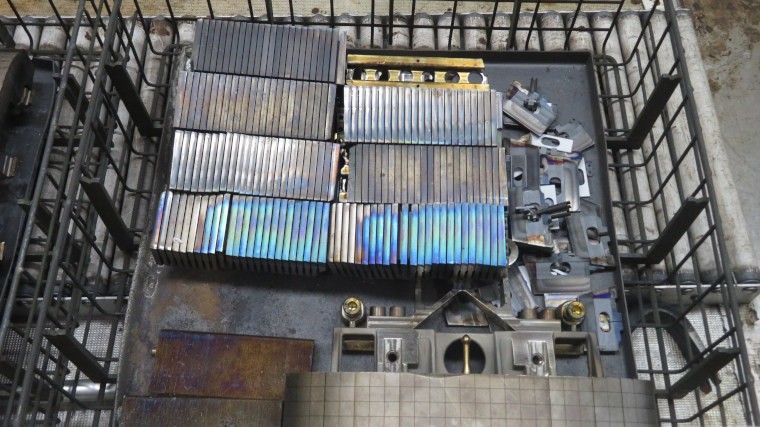
UK's Materials Detritiation Facility at Culham Resumes Operations to Support JET Fusion Decommissioning Materials Research
The UK Atomic Energy Authority recently announced that the Materials Detritiation Facility (MDF) at Culham has resumed operations following a 12-month engineering shutdown and upgrade. Experimental data produced by the facility has already been used to support research related to the removal of materials from the Joint European Torus (JET) device, providing a basis for waste management strategies under the JET Decommissioning and Repurposing (JDR) project. Over three years of plasma operations, deuterium-tritium (DT) experiments conducted at JET have left residual amounts of tritium in the tokamak's walls and internal components. This phenomenon is associated with tritium's tendency to enter materials under high-power fusion operating conditions. For JET decommissioning work, accurately determining the tritium...
2026-08-11
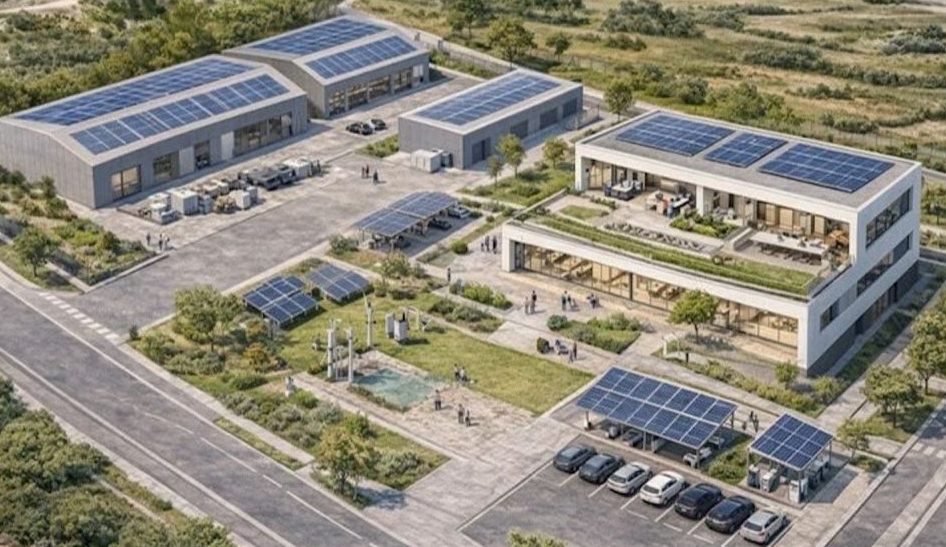
Spain plans renewable energy innovation center to address industrial transition after Vandellòs nuclear plant closure
The municipality of Vandellòs i l'Hospitalet de l'Infant in Catalonia, Spain, is promoting the construction of a research, training, and innovation center for renewable energy to address the potential industrial gap left by the future closure of the Vandellòs II nuclear power plant. The project, named the Innovation, Research, and Training Center for Efficiency and Renewable Energy (CIRFER), will be located on municipal land in the Les Tàpies industrial estate, aiming to sustain the technical foundation and employment ecosystem that has long developed around the energy industry in the area. According to the plan, the first phase of the project is expected to launch in 2028, with a budget of 3.9 million...
2026-08-11
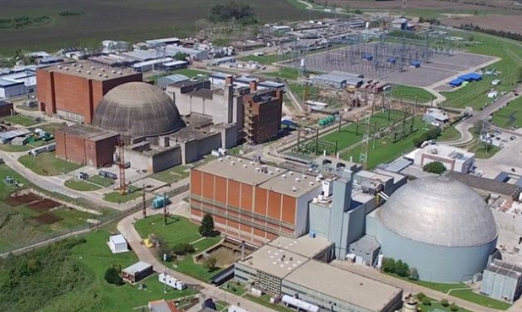
Argentina Advances Private Capital Introduction in Nuclear Sector, Plans Life Extension for Atucha I Nuclear Power Plant
The Argentine government is pushing forward a new round of adjustments in the nuclear energy industry, with the core measure being the allowance of private capital into the state-owned nuclear power operator Nucleoeléctrica Argentina. Under the new regulatory framework, the state will retain 51% of shares and maintain control over strategic decisions, while up to 44% of equity can be offered to investors through public tenders, aiming to attract capital into this key industry of energy sovereignty significance. Government officials stated that proceeds from the partial equity sale will be directed toward projects considered energy infrastructure priorities, including the life extension project for Atucha I Nuclear Power Plant and fuel storage at Atucha II Nuclear Power Plant...
2026-08-11
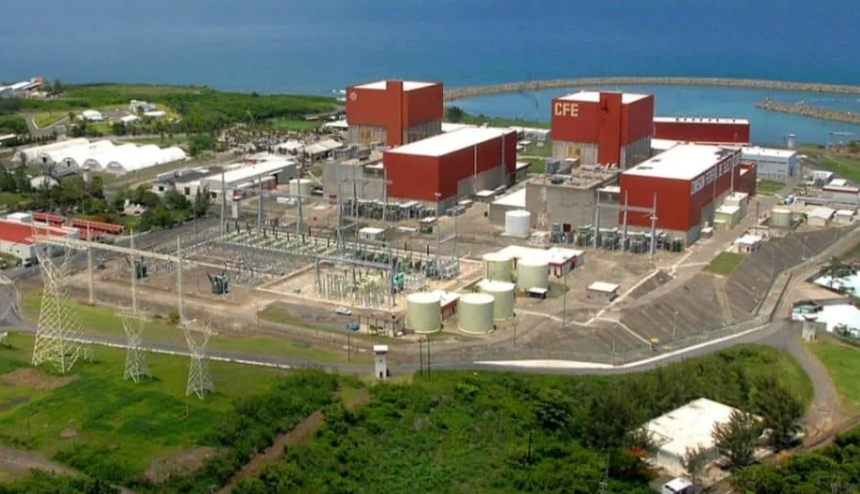
Mexico's Nuclear Power Planning Enters Critical Window, Pre-2035 Decisions Become Watershed for Energy Transition
Against the backdrop of major global economies reassessing the value of nuclear energy, Mexico's nuclear power policy is at a critical juncture of hesitation. The country currently operates only the Laguna Verde Nuclear Power Plant in Veracruz state, with two reactors totaling 1,552 megawatts of installed capacity, contributing approximately 3% of the nation's electricity. Despite its modest share, the plant's unit utilization rate approaches 88%, making it one of the most stable power generation sources in Mexico's electricity system and significant for ensuring baseload power supply. The operating licenses for Laguna Verde have been extended to 2050 and 2055 respectively, providing Mexico with a buffer period of roughly two decades. However, the issue lies in the fact that life extension does not equate to replacement planning...
2026-08-11
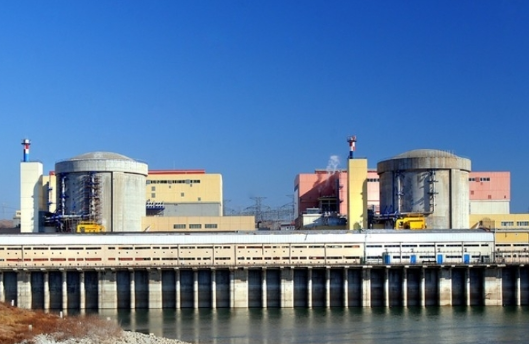
Romania Plans to Allocate 51 Million Lei for Danube Dredging to Ensure Operation of Cernavodă Nuclear Power Plant
The Romanian government will allocate 51 million lei for Danube River dredging works, an arrangement specifically highlighted as crucial to the Cernavodă Nuclear Power Plant. The Danube is not only an important shipping route for Romania but is also closely linked to the operation of energy infrastructure—river water depth, flow conditions, and water intake safety all affect the stable operation of coastal industrial and power facilities. The Cernavodă Nuclear Power Plant is a key asset in Romania's power system, and its operation requires stable water source conditions as cooling assurance. If the Danube experiences low water levels, sediment accumulation, or navigational obstructions, it could increase operational management pressure on the nuclear power plant and also affect the transport of fuel, equipment, and...
2026-08-11
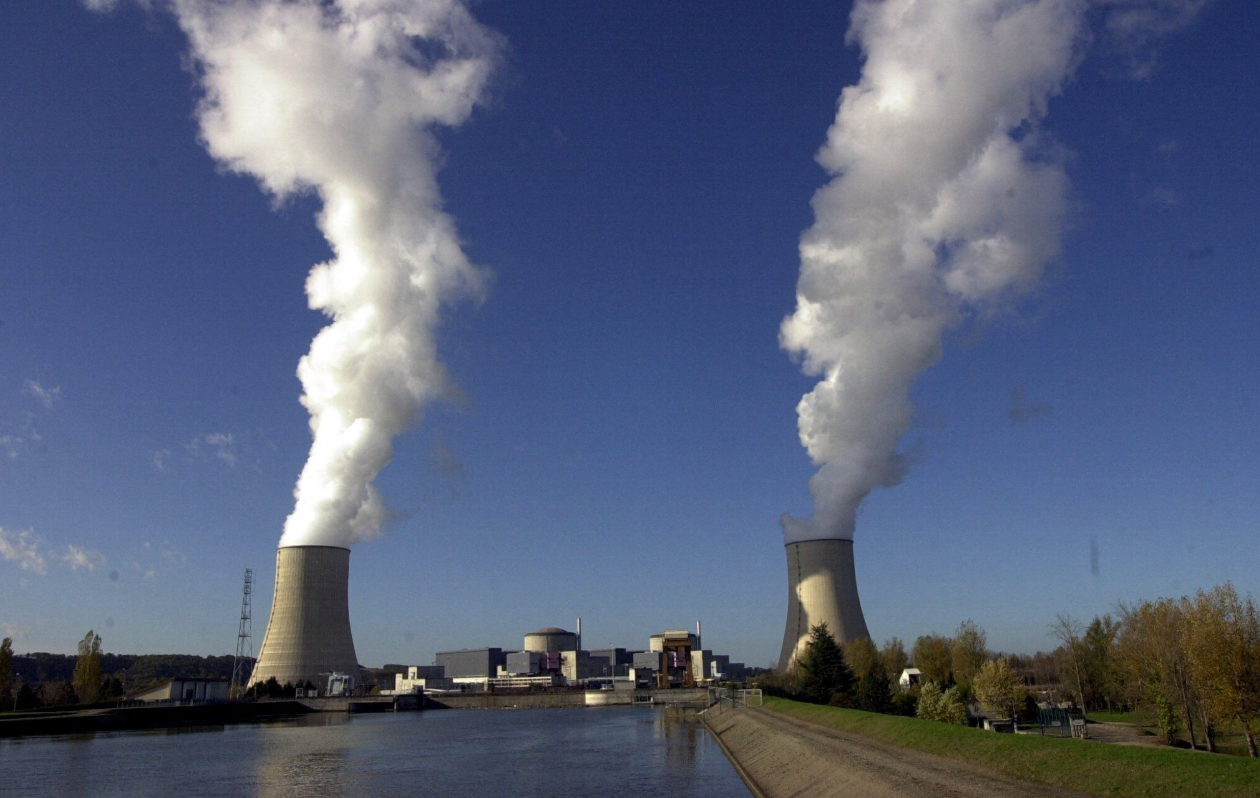
EDF plans to add cooling towers at Golfech nuclear plant to cope with repeated shutdowns due to high temperatures
French utility EDF is planning to adapt the Golfech nuclear power plant in Tarn-et-Garonne to cope with increasingly frequent heatwaves. Since June this year, the plant has been shut down multiple times due to high temperatures, with another outage in early August, highlighting the growing operational pressure on nuclear facilities that rely on river water for cooling in the context of climate change. The direct cause of the Golfech shutdowns is not that the reactors themselves cannot operate, but rather that the Garonne River water temperature is too high. Under regulations dating from 2006, when the daily average water temperature of the Garonne downstream of the plant exceeds 28 degrees Celsius, EDF may reduce unit output or temporarily shut down. This restriction is primarily intended to protect the river ecosystem...
2026-08-11
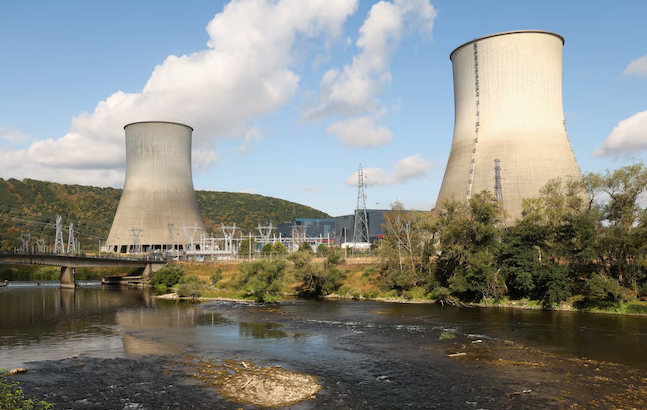
French nuclear power sets record unavailability rate due to high temperatures and drought, one-sixth of capacity constrained
France's nuclear power system is under exceptional strain. Affected by persistent high temperatures and low river water levels, nuclear reactors operated by French utility EDF have recorded unprecedented unavailability. According to an AFP tally based on data published by EDF since 2015, on the afternoon of Sunday, August 9, 2026, the nuclear capacity shortfall caused by drought and extreme heat reached 15.6% of installed capacity, equivalent to roughly one-sixth of France's nuclear power capacity being temporarily unable to supply electricity normally. The cause of this disruption is not simply equipment failure, but is closely linked to the natural environment on which nuclear plant operations depend. Many nuclear plants draw water from rivers for cooling; when river levels are too low or water temperatures too high, the...
2026-08-11
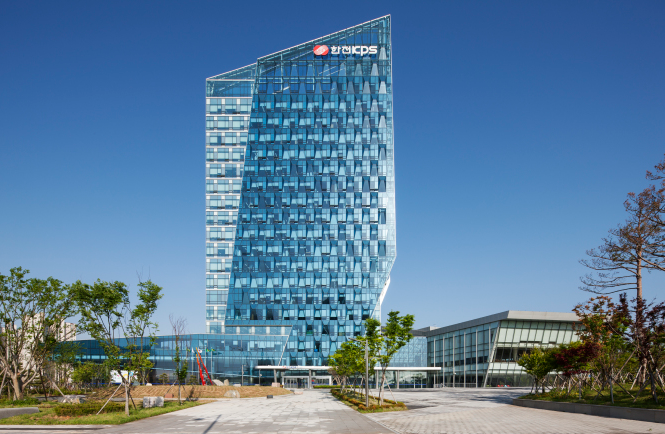
KEPCO KPS Q2 Results Miss Expectations; Nuclear Maintenance Demand Expected to Drive Recovery in H2
KEPCO KPS's Q2 results significantly missed market expectations, mainly due to factors such as extended long-term planned preventive maintenance cycles for nuclear power plants and a reduction in external and overseas variable works. Data shows that the company's preliminary Q2 sales stood at KRW 437.9 billion, down 3.5% year-on-year; operating profit was KRW 43.6 billion, down 33.6% year-on-year, approximately 30.1% below market consensus; net profit attributable to controlling shareholders was KRW 38.3 billion, down 24.8% year-on-year. The operating margin fell to 10.0%, down 4.5 percentage points from the same period last year, indicating pressure on both the revenue side and, to some extent, the cost side. The nuclear maintenance business was one of the key factors dragging down Q2 performance. In Q2...
2026-08-11
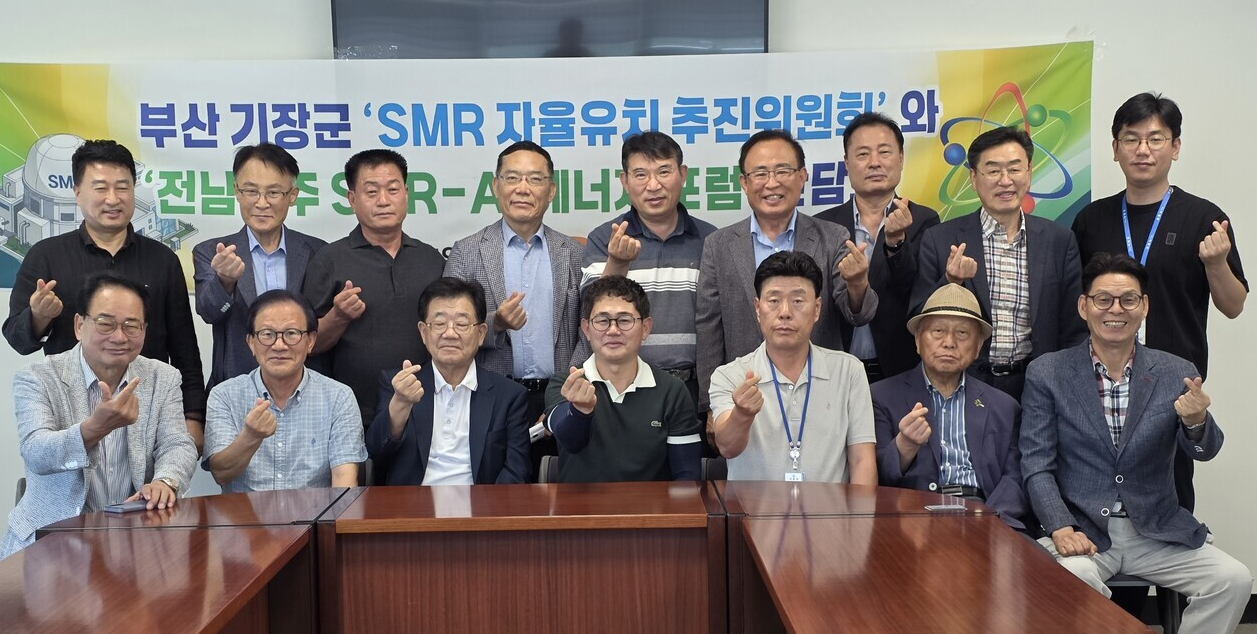
South Korea's Honam Region Visits Busan Gijang for SMR Experience, Seeking New Solutions for Stable Semiconductor Power Supply
South Korea's South Jeolla Province and Gwangju region are paying attention to Small Modular Reactors (SMR) as a potential alternative for semiconductor industry power supply. On August 7, members of the "South Jeolla-Gwangju SMR-AI Energy Forum" visited the Gijang-gun Jangan-eup Gilcheon-ri Village Hall in Busan to hold discussions with the local nuclear safety consultative body, village representatives, the Gori headquarters of Korea Hydro & Nuclear Power, and relevant Gijang-gun departments, focusing on understanding Gijang's autonomous pursuit process and resident communication experience in the siting of the innovative Small Modular Reactor (i-SMR). The direct background of this visit is the potential stable power supply challenge that the semiconductor industry in the Honam region may face in the future. Semiconductor manufacturing relies heavily on continuous, reliable large-scale...
2026-08-11