
Search Results
Keyword:IC
JAEA Develops 3D-Printed Disposable Aerosol Particle Size Classification Device
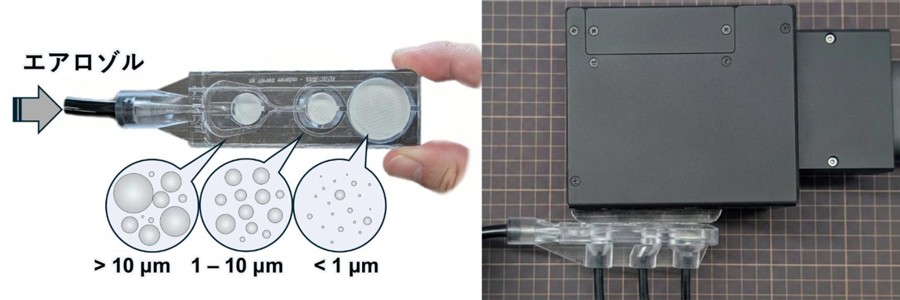
On July 30, 2026, the Japan Atomic Energy Agency announced the development of a palm-sized, 3D-printed disposable device named µSPLIT (micro splitter) that can separate airborne particles by particle size on-site and collect them onto filters for subsequent or direct measurement. The disposable classification and measurement device µSPLIT (left) separates aerosols by particle size through controlled intake flow rate, with particles collected on filters. (Right) The main unit can be directly connected to a radiation detector via a thin film. According to reports, µSPLIT measures approximately 12 cm × 3 cm × 3 cm and is integrally molded from transparent resin using stereolithography 3D printing technology...
2026-08-03
After 25 Years, the Muon Wobble Puzzle Sees Key New Progress in Physics
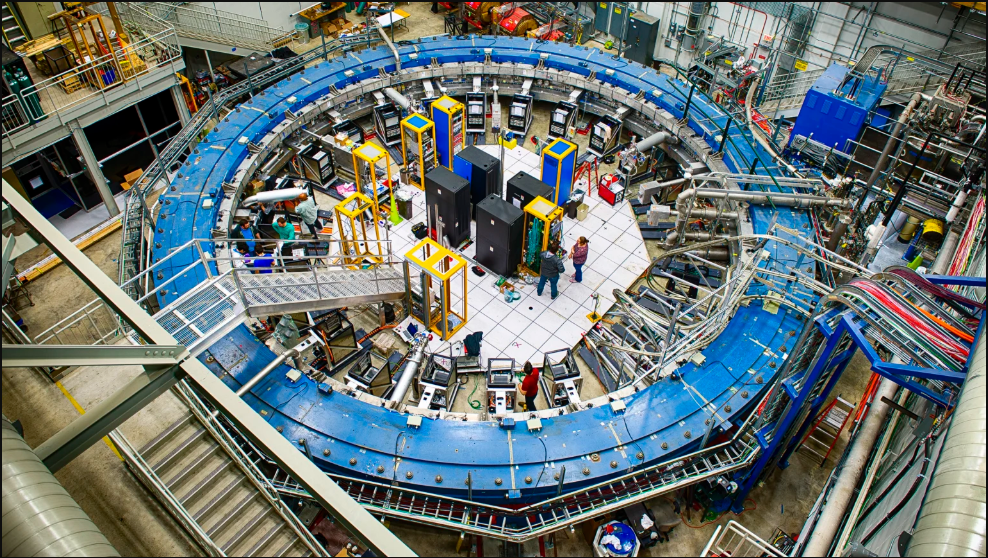
For 25 years, precise measurements of how muons wobble in a magnetic field have been a major puzzle in particle physics. Early experiments showed a discrepancy between the measured value of the muon's g-factor and theoretical predictions, a difference once seen as a possible hint of unknown particles. Recent new theoretical calculations and experimental analyses have brought a new twist to this puzzle. The muon is a heavier cousin of the electron that precesses like a tiny magnet in a magnetic field. Its extra wobble is quantified by the muon g-2 coefficient. According to quantum theory, known particles and interactions influence this coefficient through fleeting quantum fluctuations, making muon g-2 a key test of the Standard Model...
2026-08-03
Russian research team reveals submicroscopic pore structure of chernozem using ion beam scanning electron microscopy
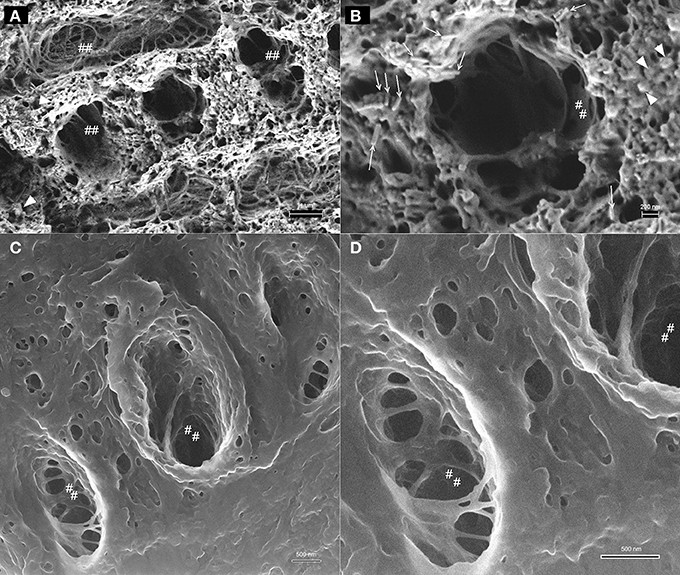
Researchers at the Moscow Institute of Physics and Technology and their collaborators have recently used focused ion beam scanning electron microscopy (FIB-SEM) to perform detailed characterization of the microstructure of chernozem soil samples. The study shows that this technique can identify pores smaller than 1 micron, pore morphology, and specific organic components in soil, providing a new observational tool for understanding the mechanisms of chernozem fertility formation and maintenance. The research was supported by a grant from the Russian Science Foundation and published in the 17th series "Soil Science" of the Moscow University Bulletin. Soil science research typically requires extending from the field scale to the microscopic scale. Computed tomography (CT) has been widely used to...
2026-08-03
Swiss PSI Ultracold Neutron Experiment Finds No Signs of "Mirror World" Oscillation
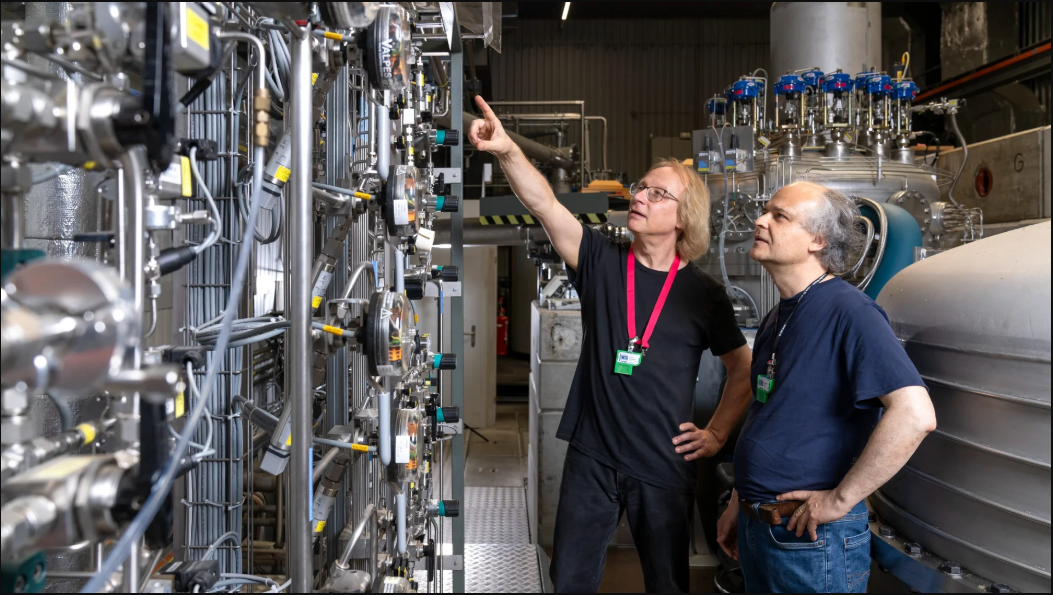
The Paul Scherrer Institute (PSI) in Switzerland announced on July 28 that its researchers detected approximately 25 billion neutrons in an ultracold neutron experiment and found no signs of neutrons spontaneously transforming into mirror neutrons. The results constrain, with high certainty, the theoretical possibility of neutrons disappearing into the so-called mirror world. The mirror world hypothesis posits that every elementary particle in the real world may have a corresponding mirror particle, such as mirror electrons, mirror protons, and mirror neutrons. Such particles interact extremely weakly with ordinary matter, potentially connecting primarily through gravity or rare oscillations of neutral particles, and have therefore also been considered as dark matter candidates...
2026-08-03

German Science and Humanities Council Supports German Participation in the LEGEND-1000 Neutrinoless Double Beta Decay Experiment
On July 27, 2026, the German Science and Humanities Council expressed its support for German participation in the LEGEND-1000 experiment. The project had previously passed scientific evaluation and was deemed significant for a broad research community in the fields of particle physics and nuclear physics. LEGEND-1000 is the next phase of the large-scale enriched germanium neutrinoless double β decay experiment, planned to be constructed by an international collaborative team at the underground laboratory of the Gran Sasso National Laboratory in Italy. German participating institutions include the Max Planck Institute for Nuclear Physics in Heidelberg and the Technical University of Munich, with project leaders being Professor Susanne Mertens and Professor Stefan Schönert, respectively. According to the project...
2026-08-03
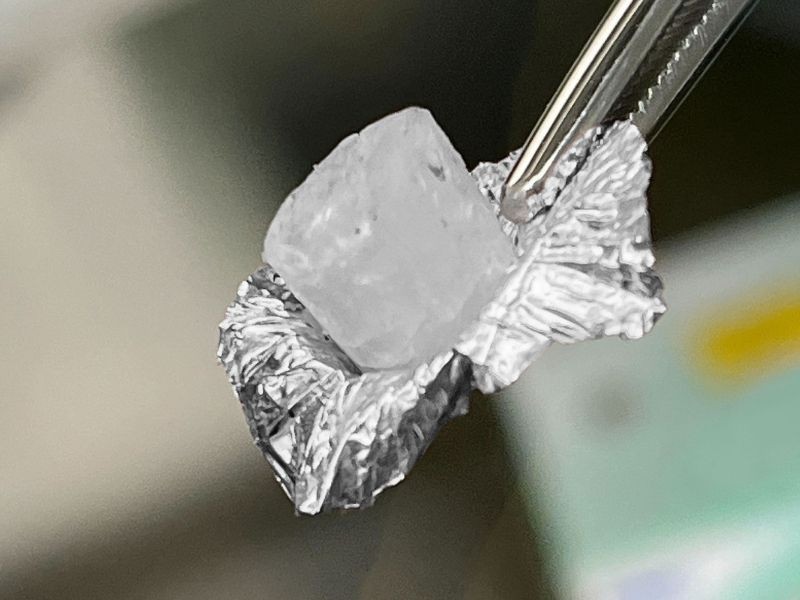
Kairos Power Advances Flibe Molten Salt Applications to Support KP-FHR High-Temperature Reactor Development
Kairos Power announced on July 29 that its Fluoride Salt-Cooled High-Temperature Reactor (KP-FHR) will be among the early adopters of a fluoride salt coolant. This coolant, commonly referred to as Flibe, is composed of lithium fluoride (LiF) and beryllium fluoride (BeF₂). In the 1960s, Oak Ridge National Laboratory used this material as a coolant in the Molten Salt Reactor Experiment. According to Kairos Power, Flibe has a high specific heat capacity, enabling it to effectively absorb and transfer heat generated in the reactor core. Compared with some sodium-cooled or helium-cooled reactor systems, fluoride salt offers certain advantages in heat transport...
2026-08-03
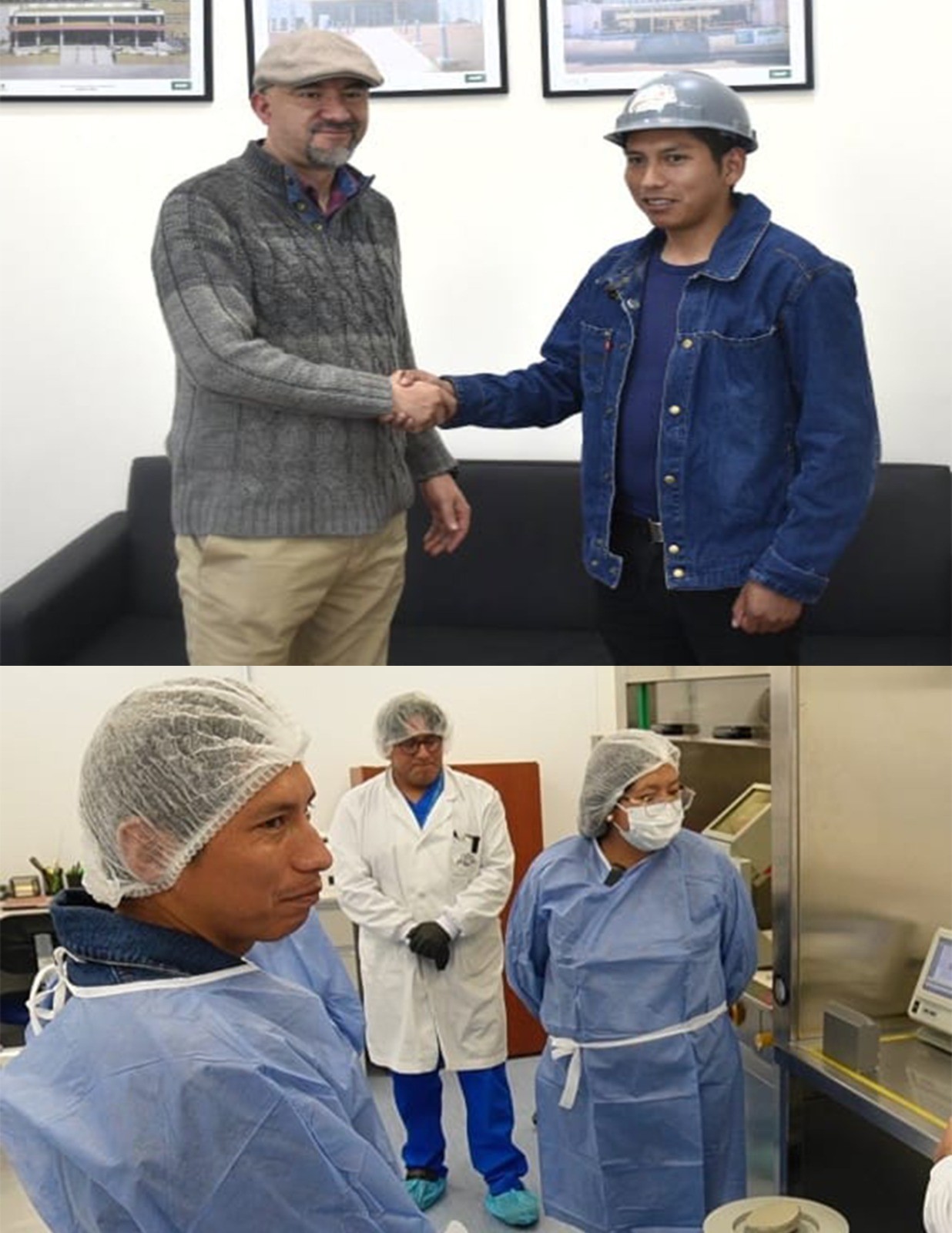
Bolivia Advances Legislative Process for Peaceful Nuclear Technology Applications
EL ALTO, Bolivia, July 29 - The Bolivian Nuclear Energy Agency (ABEN) recently held working exchanges with relevant committees of the Plurinational Legislative Assembly to discuss the reactivation of related legislative agendas, focusing on the continued advancement of Bolivia's nuclear energy program and peaceful nuclear technology application projects. René Soria Sausedo, Executive Director of ABEN, stated that as the primary operating entity of Bolivia's nuclear program, ABEN bears the responsibility of driving the implementation of peaceful nuclear technology application projects. These efforts require modern legal instruments to define institutional mandates, technical standards, and the fundamental legal framework for project development. The parliamentary delegation, led by the President of the International Policy and Migration Protection Committee, visited ABEN facilities...
2026-08-03
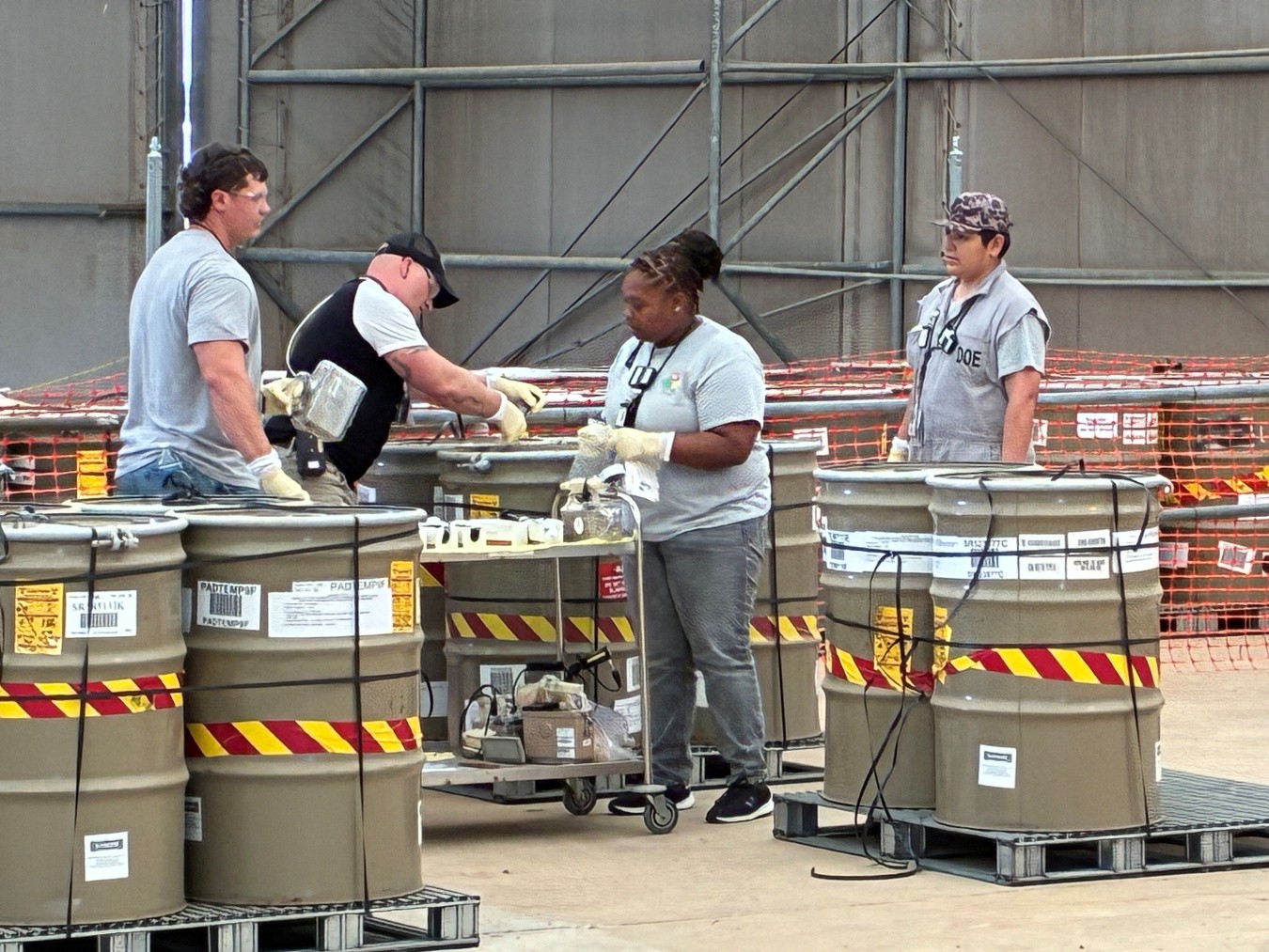
U.S. to Resume Shipping Transuranic Waste Drums from Savannah River Site to WIPP for Permanent Disposal
The U.S. Department of Energy Office of Environmental Management (EM) will resume shipping remote-handled transuranic waste drums from the Savannah River Site (SRS) in South Carolina to the Waste Isolation Pilot Plant (WIPP) in New Mexico for permanent disposal on July 28, 2026. Prior to resuming shipments, relevant teams have completed flammable gas analysis, confirming that these waste containers meet safety requirements for transport to the underground disposal facility. Flammable gas sampling is a critical safety step before transuranic waste transportation. Workers assess potential combustion risks inside containers by detecting gases such as hydrogen, methane, and volatile organic compounds, and confirm their safety during transport and disposal...
2026-08-03

U.S. Department of Energy Highlights Progress in Legacy Waste Cleanup and Medical Isotope R&D
Recently, senior officials from the U.S. Department of Energy attended an event hosted by the U.S. House Nuclear Cleanup Caucus, presenting the application progress of legacy nuclear waste cleanup efforts in medical isotope R&D and future energy technologies. The event, themed "DOE's Isotope Mission: Legacy Cleanup Saves Lives, Empowers America's Future," focused on how nuclear cleanup missions align with isotope production and medical research. DOE's Under Secretary for Science Dario Gil, along with Oak Ridge National Laboratory Environmental Management Office Manager Eric Olds and Savannah River Operations Office Manager Edwin DeShon, jointly attended the event. DeShon...
2026-08-03
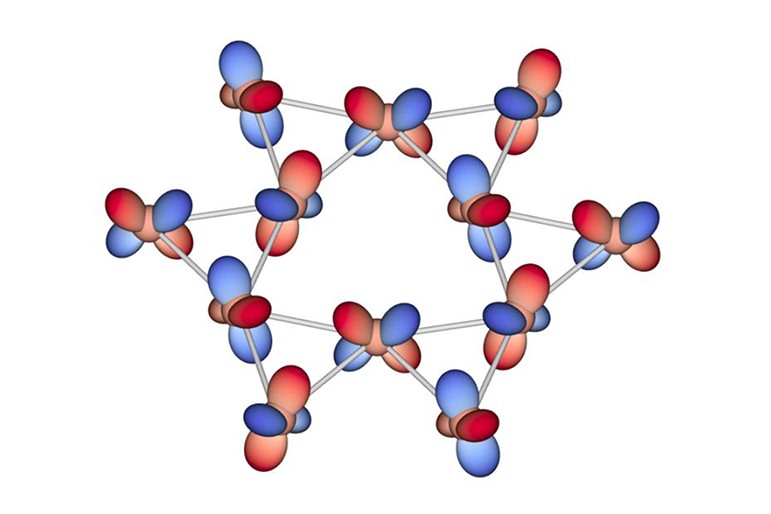
Japanese Team Discovers New Ordered State of "Electronic Chirality" in Uranium Compound
The Japan Atomic Energy Agency and Tohoku University announced on July 28 that their research team has discovered a new electronic ordered state in the uranium compound URhSn, confirming for the first time in an actual material that even when the crystal structure itself lacks chirality, the arrangement of electrons within the material can spontaneously form right-handed/left-handed characteristics. Chirality generally refers to the property where an object cannot perfectly coincide with its mirror image, such as left and right hands, screw thread directions, and the helical structure of DNA. In the past, material chirality was generally believed to originate from asymmetry in atomic arrangement. This study demonstrates, however, that chirality can also arise from the ordered arrangement of electron distributions. The research team used single-crystal samples of URhSn, composed of uranium, rhodium, and tin, and employed nuclear magnetic...
2026-08-03
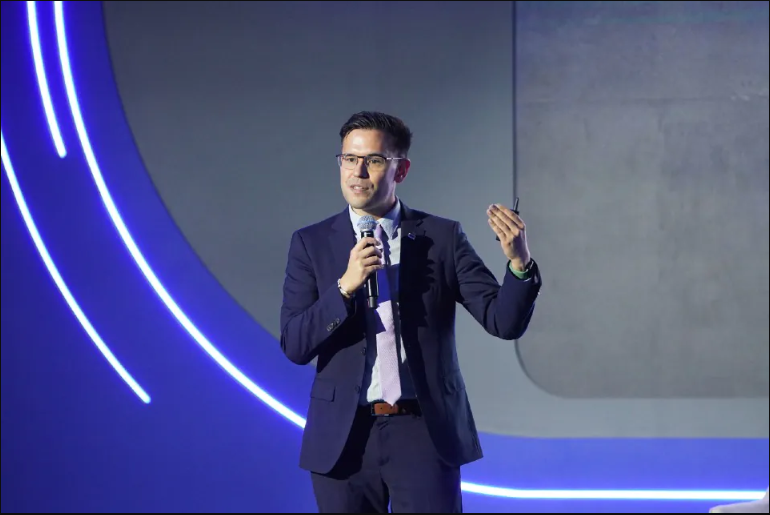
Radiation protection expert Peter Bryant to lead University of Liverpool's Chadwick Institute for Nuclear Innovation
The University of Liverpool has announced that Professor Peter Bryant has been appointed as the Director of the newly established Chadwick Institute for Nuclear Innovation, with his tenure officially commencing in September 2026. The Chadwick Institute for Nuclear Innovation is named after Nobel laureate Sir James Chadwick, who served as Head of the Physics Department at the University of Liverpool and is renowned for his discovery of the neutron. The Institute will leverage the University of Liverpool's research expertise, innovative facilities, and strategic partnerships in the nuclear energy sector to advance research and talent development in nuclear innovation. Bryant has long been engaged in work related to the civil nuclear fuel cycle, with his research and management portfolio encompassing radiation protection, environmental permitting, radioactive waste...
2026-08-03

Large Structure for CMS Future High-Granularity Calorimeter Passes Rigorous Cold Tests
A key engineering test for the future High-Granularity Calorimeter (HGCAL) of the CMS experiment at CERN has recently made progress. One of the largest HGCAL structures has completed a series of rigorous cold tests, during which no overheating, condensation, or leakage was recorded on the outer panels, laying the groundwork for its future service at the High-Luminosity Large Hadron Collider (HL-LHC). HGCAL will replace the existing endcap calorimeters of the CMS experiment to reconstruct particle showers with greater precision under HL-LHC operating conditions. The structure tested this time is the first of two large stainless steel absorber structures. By design, the active elements of HGCAL will be installed within the absorber structures and must maintain long-term stable performance in a cryogenic environment...
2026-08-03
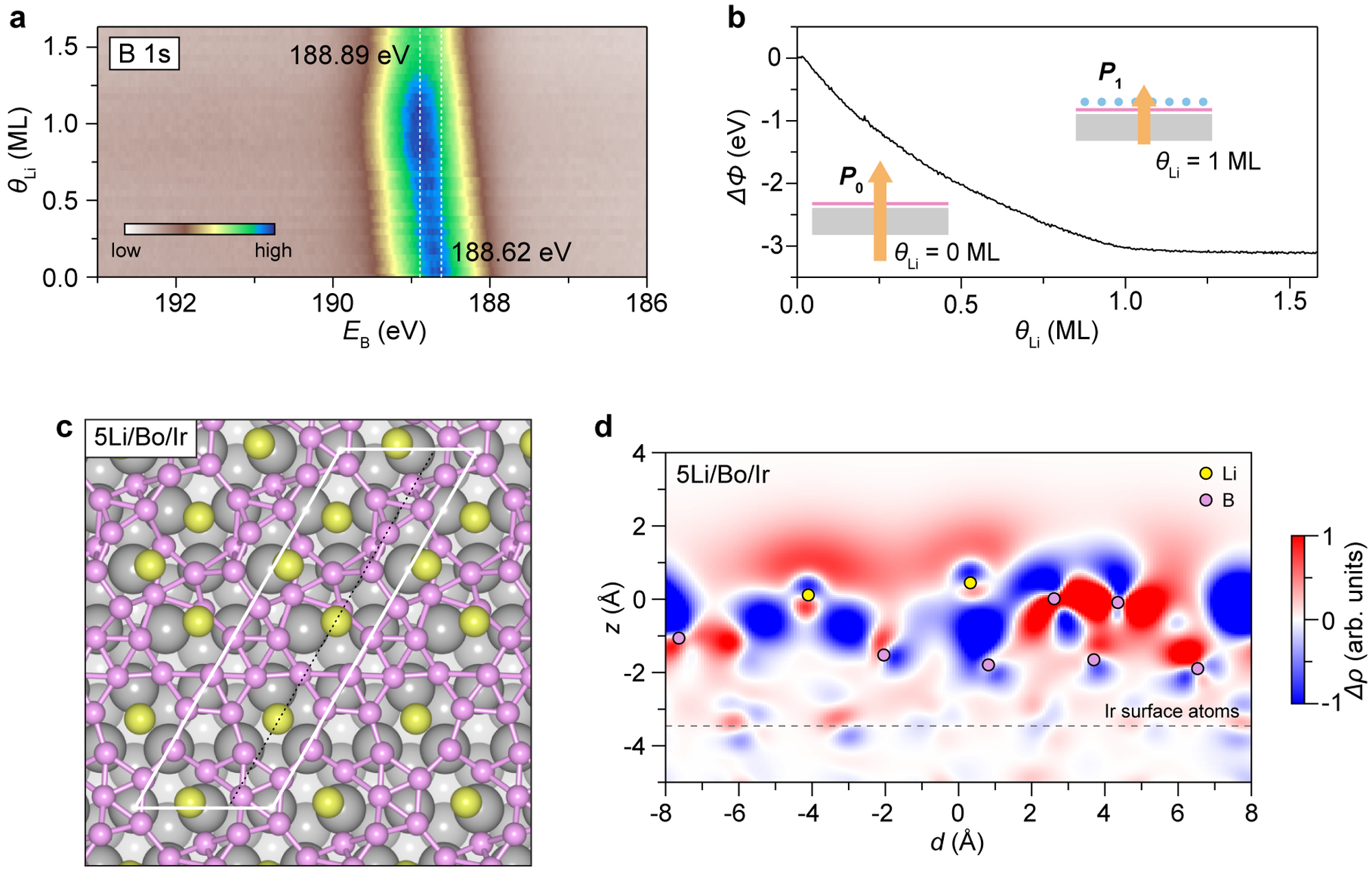
Multinational Team Reveals Mechanisms of Lithiation in Modulating the Structural and Electronic Properties of Borophene Using Synchrotron Techniques
A research team from the Institute of Physics in Zagreb, Croatia, Elettra Synchrotron in Trieste, Italy, Shimane University, and Tokyo University of Science recently conducted a study on the interaction between lithium atoms and borophene, revealing the mechanisms by which lithiation affects the atomic structure and electronic properties of borophene. The findings were published in *ACS Nano* and selected as the journal cover article. (a) Shift of the B 1s core level toward higher binding energy; (b) reduction of the sample work function due to charge transfer from Li atoms to B atoms; (c) lithium atoms (yellow) deposited on borophene (magenta) induce deformation of the borophene lattice, attributed to significant charge redistribution within the system...
2026-08-03

Bulgaria Approves Decommissioning Licenses for Units 3 and 4 of Kozloduy Nuclear Power Plant
On August 1, the Bulgarian Nuclear Regulatory Agency (NRA) issued a 10-year license to the State Enterprise for Radioactive Waste Management (SERAW), authorizing it to carry out the decommissioning of Units 3 and 4 of the Kozloduy Nuclear Power Plant. The license was presented to SERAW Deputy Executive Director Elizabeth Mladenova by NRA Chairman Tsanko Bachiski. The license is held by SERAW's specialized department responsible for the decommissioning of Units 1 to 4 of the Kozloduy Nuclear Power Plant. SERAW Management Board Chairman Sergey Tsochev attended the license award ceremony. According to the license requirements, the decommissioning of Units 3 and 4 must comply with Bulgaria's Law on the Safe Use of Nuclear Energy and relevant implementing regulations.
2026-08-03
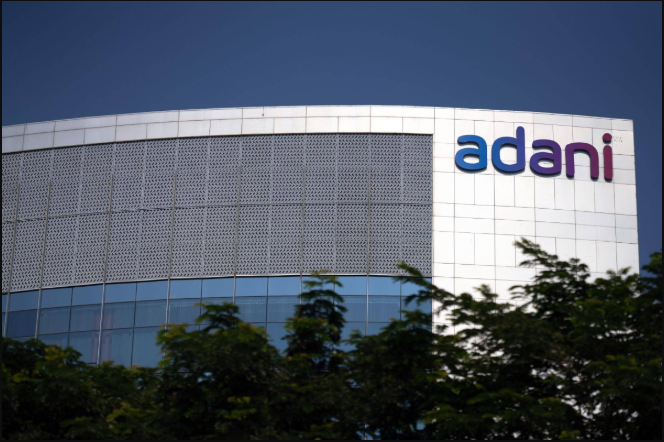
Adani Group Proposes Two Nuclear Power Plants in India's Odisha State
The Adani Group has submitted a proposal to the Government of Odisha to build two nuclear power plants in the state, with a planned total installed capacity of 5,600 MW and an estimated investment of approximately ₹1.5 trillion. The proposal is seen as a significant move to expand private sector participation in India's civil nuclear energy sector. According to disclosures, Subrat Tripathy, President of Business Development at Adani Ports and Special Economic Zone, led a delegation to meet Odisha's Deputy Chief Minister and Energy Minister Kanak Vardhan Singh Deo in Bhubaneswar...
2026-08-03