
Search Results
Keyword:nuclear physics
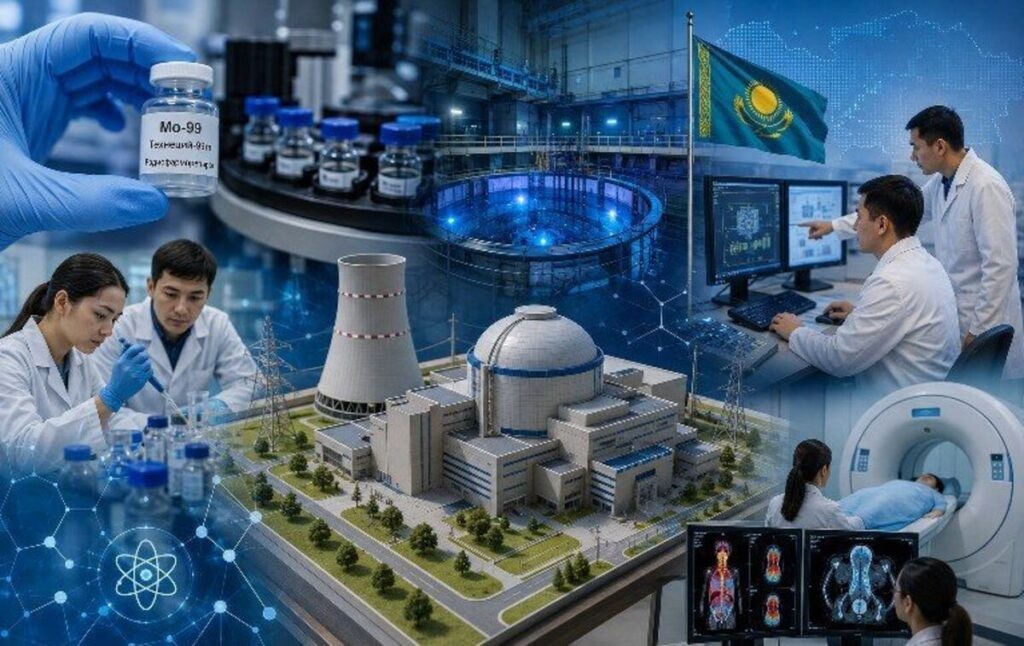
Kazakhstan's Institute of Nuclear Physics Plans to Expand Medical Radioisotope Production and Export
The Institute of Nuclear Physics (INP) of Kazakhstan is progressively expanding the applications of radioisotopes and radiation technologies, with related products already used in cancer diagnosis and treatment, industrial production, and scientific research. Institute Director Sayabek Sakhiyev stated that radioisotope and radiopharmaceutical production is one of the institute's key applied activities, covering the full chain from scientific research and research reactor operation to radiochemical technology development and medical applications. Currently, INP produces three main categories of radiopharmaceuticals: sodium iodide I-131 for thyroid disease treatment, Mo-99/Tc-99m related products for radionuclide diagnostics, and...
2026-08-18
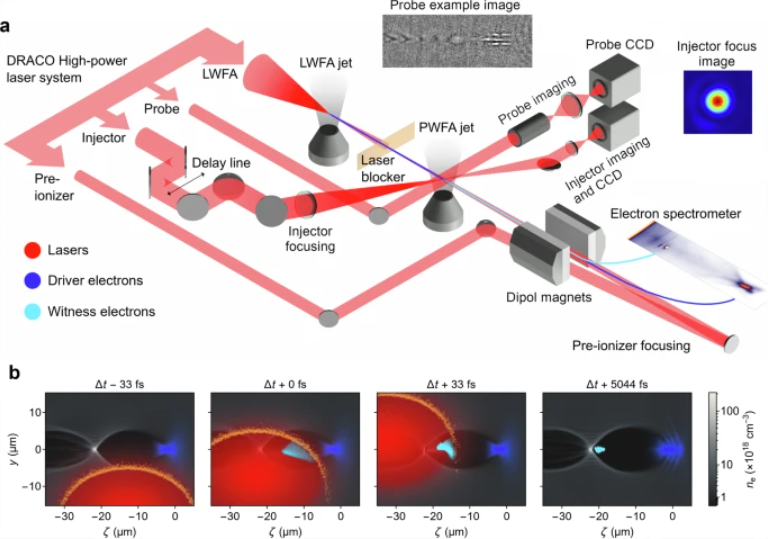
German research team achieves ultra-compact plasma photocathode injection
A research team from institutions including the Helmholtz-Zentrum Dresden-Rossendorf in Germany has demonstrated an ultra-compact plasma photocathode injection scheme integrated into a hybrid plasma wakefield accelerator on the DRACO laser facility. The study utilized a 150 TW-class laser system to drive a laser wakefield accelerator (LWFA), generating high-peak-current electron beams, which in turn drove a subsequent particle beam wakefield accelerator (PWFA), completing the generation and acceleration of witness electron beams within millimeter-scale plasma structures. Plasma wakefield accelerators can produce accelerating fields far exceeding those of conventional radiofrequency linear accelerators, but how to obtain high-quality, high-brightness electron beams in compact devices...
2026-08-18
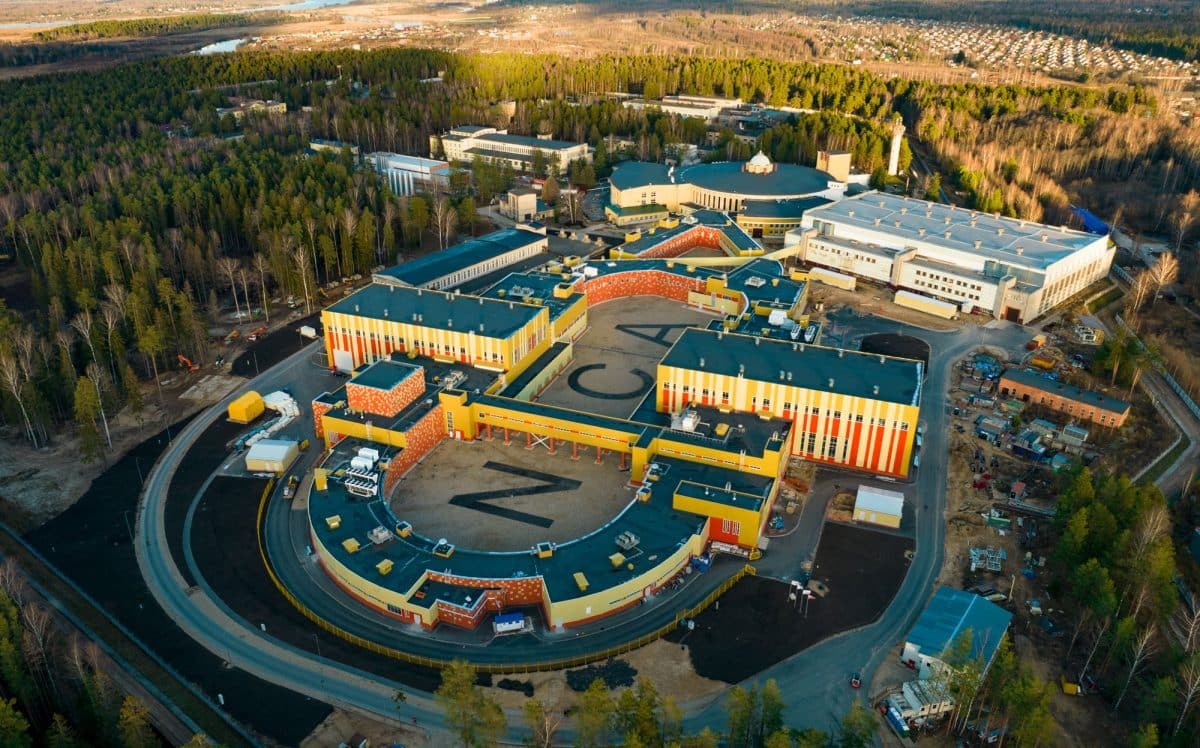
Russian Team Proposes Compact "Siberian Snake" Design for NICA Collider to Control Proton Polarization
Experts from the Moscow Institute of Physics and Technology and the Joint Institute for Nuclear Research have proposed a compact Siberian snake magnetic field device design for Russia's NICA collider. The device employs a transverse magnetic field, aiming to maintain proton spin direction during acceleration to a maximum of 13.5 GeV and control polarization orientation during experiments. Related numerical simulations of proton polarization show that this design can effectively suppress beam depolarization. Russia's NICA accelerator complex — Moscow Institute of Physics and Technology press office In an accelerator, proton beams travel along a closed orbit, and particle spins precess around a specific rotation axis. When the beam reaches certain energies, spin may resonate with periodic perturbations in the ring structure, causing beam depolarization; without dedicated control measures, the beam polarization state required for experiments would be difficult to maintain.
2026-08-18
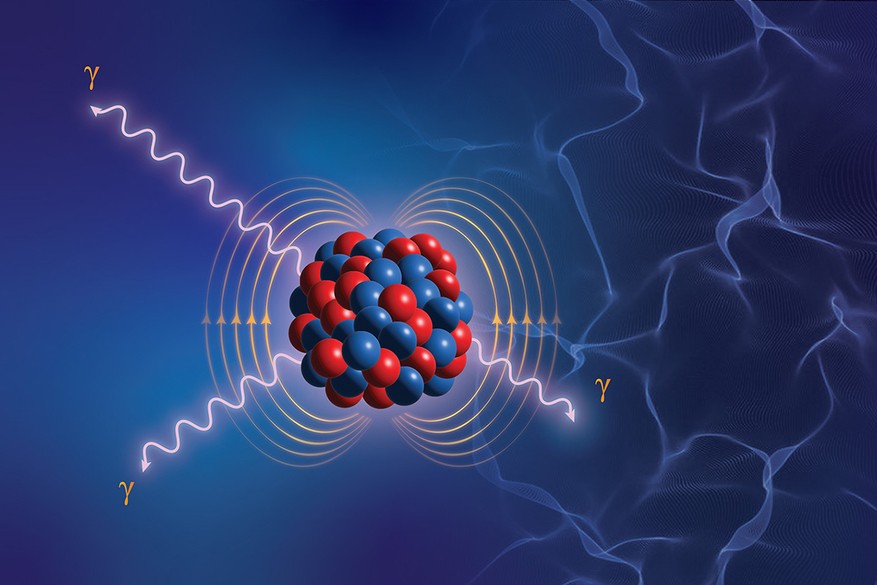
US FRIB Research Reveals Low-Energy Gamma-Ray Enhancement Originates from Nuclear Magnetic Transitions
An international research team led by the US Facility for Rare Isotope Beams (FRIB), with participation from Lawrence Livermore National Laboratory (LLNL) and other institutions, recently published findings in Nature that explain a long-standing question in nuclear physics: why some atomic nuclei emit anomalously high numbers of low-energy gamma rays. Image: FRIB Gamma rays are a type of electromagnetic radiation. Excited atomic nuclei release gamma rays during radioactive decay, gradually returning to lower, more stable energy levels. Over the past few decades, scientists have discovered that certain nuclei exhibit a low-energy enhancement phenomenon, where the number of low-energy gamma rays emitted exceeds expectations. However, this phenomenon is not universal, and its occurrence is theoretically difficult to predict.
2026-08-18
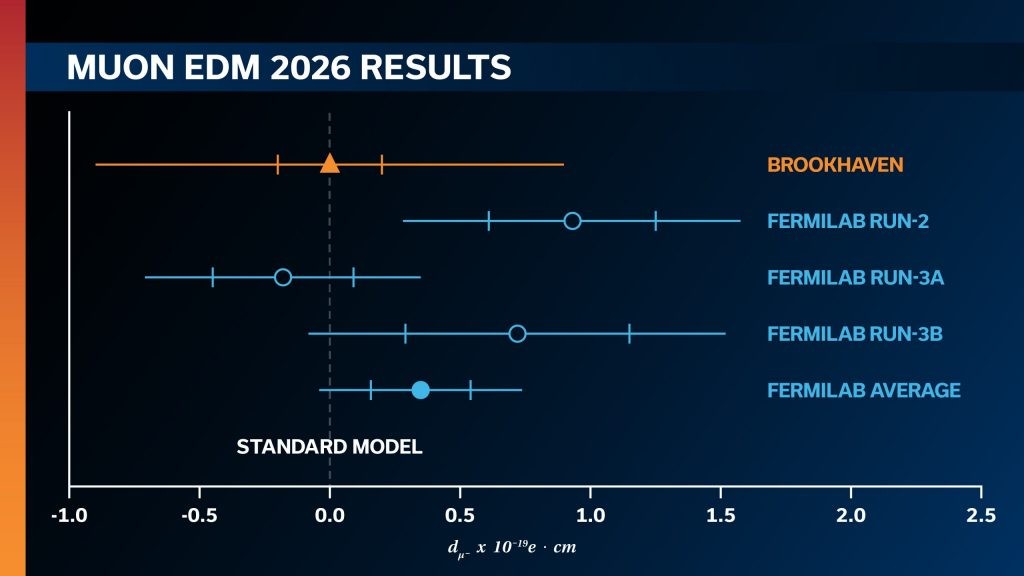
Fermilab Muon g-2 Experiment Sets New Direct Detection Limit on Muon Electric Dipole Moment
On August 12, 2026, the Muon g-2 Collaboration announced that a new analysis based on 25% of the data from the Muon g-2 experiment at the U.S. Department of Energy's Fermi National Accelerator Laboratory has produced the most sensitive direct measurement of the muon's electric dipole moment to date. The results show that if a muon electric dipole moment exists, its magnitude is below the current detection threshold of the experiment. The muon electric dipole moment values measured by Fermilab across different data-taking periods were compared with previous results from Brookhaven National Laboratory. The combined Fermilab value is consistent with zero (no observation). Although the experiment uses positive muons, results are typically reported for negative muons, which reverses the sign of the measured value...
2026-08-17
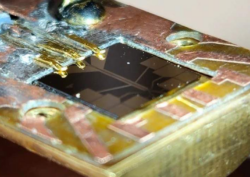
Russian Researchers Develop Highly Sensitive Radio Astronomy Sensor for Axion Dark Matter Detection
Researchers from the Institute for Physics of Microstructures of the Russian Academy of Sciences and Nizhny Novgorod State Technical University have developed a radio astronomy sensor whose sensitivity is reportedly two to three times higher than that of existing international counterparts, and it has been granted a Russian patent. The device is designed for detecting weak electromagnetic radiation signals and can be used in frontier physics experiments such as cosmic microwave background radiation studies and axion dark matter searches. The researchers explain that this type of detector is essentially an electromagnetic radiation receiver. When electromagnetic radiation strikes the sensitive element, the electron temperature rises, thereby altering the recorded signal. To improve detection sensitivity, the research team introduced a thin hafnium layer into the structure, which acts as a thermal...
2026-08-17
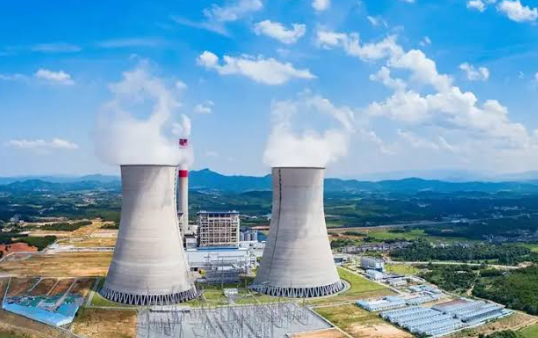
Kazakhstan Enters a New Era of Atomic Energy, with the Institute of Nuclear Physics Viewed as a Key Pillar of the National Nuclear Industry
Kazakhstan is entering a new stage of nuclear energy development. The construction of a nuclear power plant means not only the addition of a major energy project, but also the need for the country to simultaneously establish a complete nuclear industry system, including research support, personnel training, experimental infrastructure, nuclear and radiation safety systems, and indigenous technological capabilities. The article points out that a nuclear power plant can be built using foreign project designs, but true scientific and technological capability cannot be purchased along with the equipment; it is gradually formed through the long-term operation of nuclear facilities, conducting research, training engineering teams, and passing on experience. Against this backdrop, the Institute of Nuclear Physics of Kazakhstan is regarded as an important pillar of the future nuclear energy industry. The institution...
2026-08-14
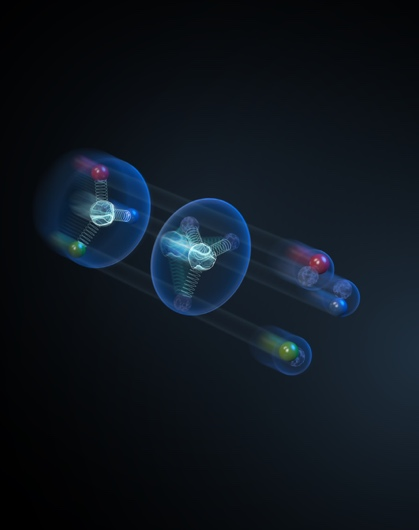
USTC Team Participates in STAR Experiment, Discovering Possible "Y"-Shaped Gluon Junction Inside Nucleons
The University of Science and Technology of China, together with Kent State University and Brookhaven National Laboratory, played a leading role in the STAR international collaboration. Through precise measurements of net baryon number and net charge in high-energy nucleus-nucleus collision experiments, they discovered an exotic structure inside nucleons that may overturn fundamental understanding of nucleon internal structure. In the early morning of August 14, the results were published online in the journal Science under the title "Tracking the baryon number with nuclear collisions." Nucleons are the fundamental particles that make up the material world, carrying more than 99% of the mass of the visible matter in the universe. Understanding the internal structure of nucleons is of paramount importance for understanding the fundamental constituents and fundamental interactions of the material world.
2026-08-14
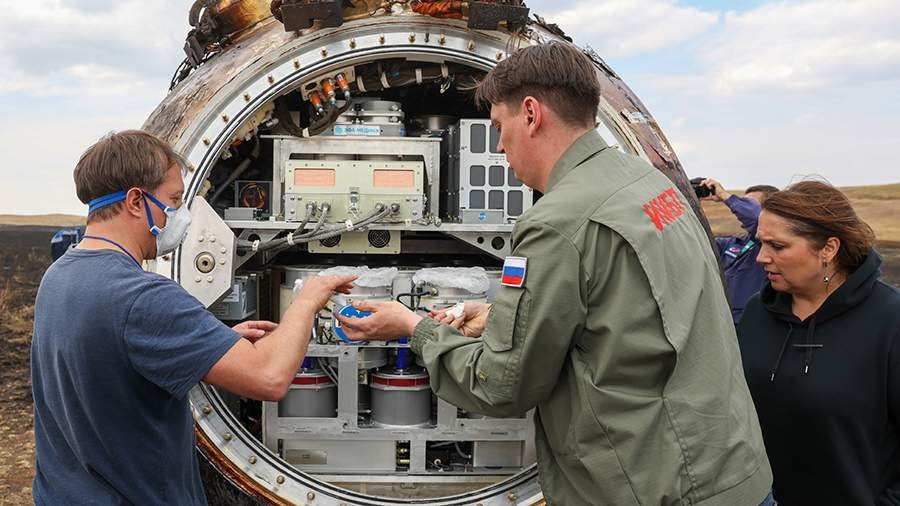
Russia's Bion-M 3 spacecraft planned for launch in 2030 to study effects of cosmic radiation on living organisms
Russia plans to launch the new Bion-M 3 spacecraft in 2030 to study the effects of cosmic radiation on living organisms under conditions similar to deep space. Vladimir Sychev, a senior official at the Institute of Biomedical Problems of the Russian Academy of Sciences, presented the plan at a meeting of the Presidium of the Russian Academy of Sciences' Space Council on August 4. Sychev stated that cosmic rays, solar proton events, and their effects on the human body are critical issues that must be understood when planning long-term interplanetary crewed missions. Participants have endorsed the draft scientific research program for the spacecraft's flight testing. According to the plan, Bion-M 3 will be placed into a polar orbit at an altitude of approximately 800 kilometers...
2026-08-14
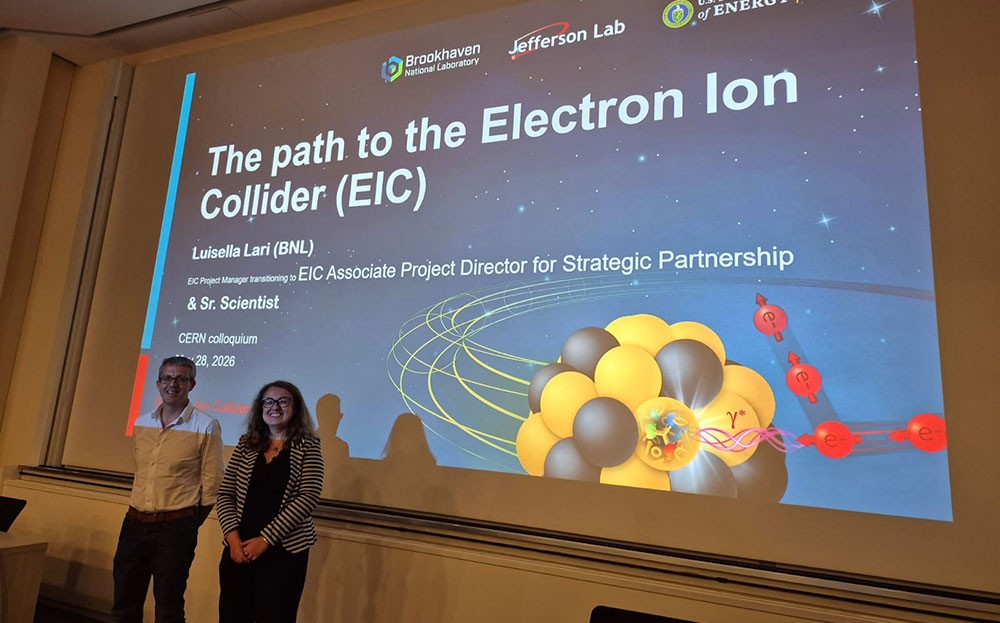
EIC and CERN Strengthen Cooperation to Advance International Scientific Exchange for the Electron-Ion Collider
August 12, 2026 - The collaboration between the Electron-Ion Collider (EIC) project and the European Organization for Nuclear Research (CERN) is deepening further. On May 28, CERN hosted a workshop themed around the EIC to introduce the project's scientific goals, construction progress, and future research opportunities to its international scientific community. Luisella Lari (right), Deputy Director for Strategic Partnerships of the Electron-Ion Collider (EIC) project, poses with Matthew Chalmers, organizer of the CERN lecture series, after delivering a talk titled "The Road to the Electron-Ion Collider" at CERN. Luisella Lari, senior scientist on the EIC project, delivered a talk titled "The Road to the Electron-Ion Collider" at the workshop.
2026-08-13
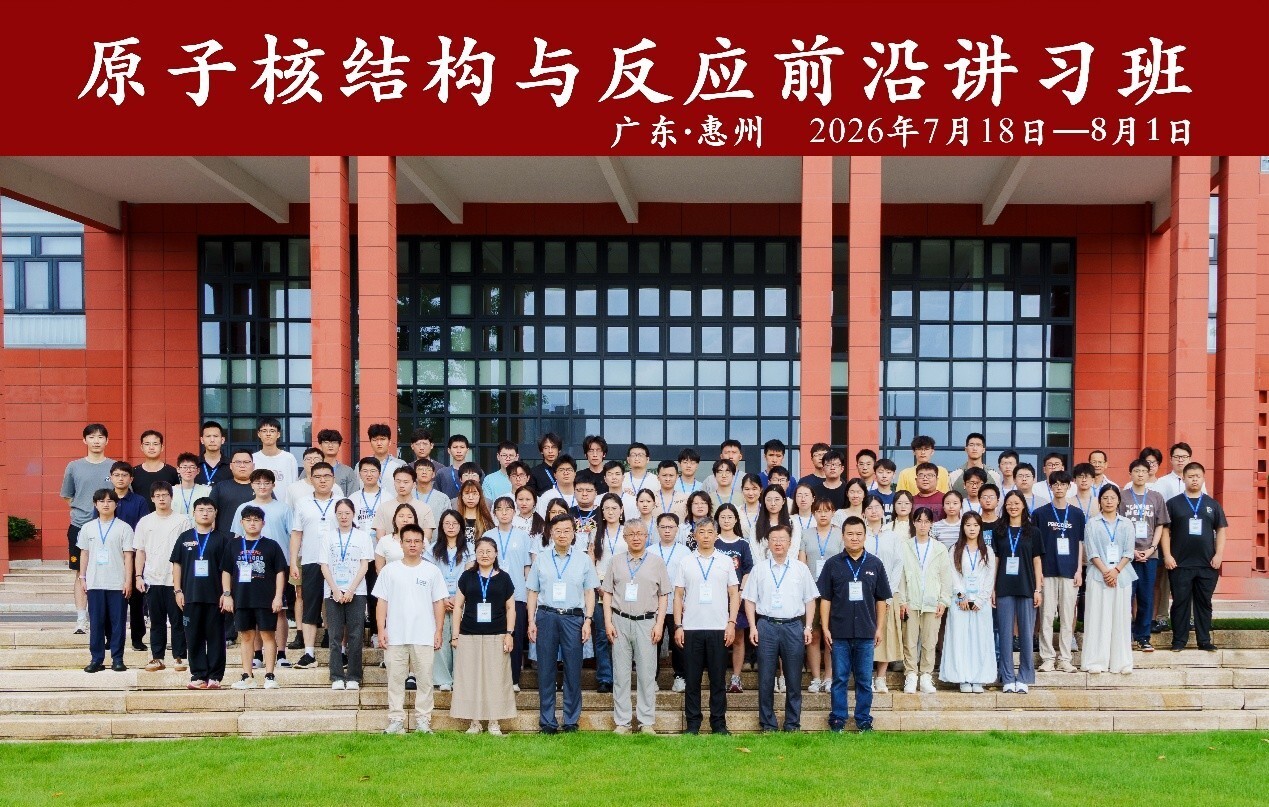
"Frontier Workshop on Nuclear Structure and Reactions" Successfully Held at the Institute of Modern Physics, Chinese Academy of Sciences
From July 18 to August 1, the Institute of Modern Physics of the Chinese Academy of Sciences hosted the Frontier Workshop on Nuclear Structure and Reactions. Funded by the Special Fund for Theoretical Physics of the National Natural Science Foundation of China, the workshop attracted 89 young faculty members, postdoctoral researchers, and graduate students from over 30 universities and research institutions nationwide. Twenty-one experts in nuclear physics were invited to give lectures, totaling nearly 80 class hours. Academician of the Chinese Academy of Sciences and President of East China Normal University, Professor Ma Yugang; Academician of the Chinese Academy of Sciences and Professor at Tsinghua University, Zou Bingsong; Director of the Institute of Modern Physics, Professor Sun Zhiyu; as well as representative lecturers Professor Ye Yanlin and Professor Yang Xiaofei from Peking University...
2026-08-13
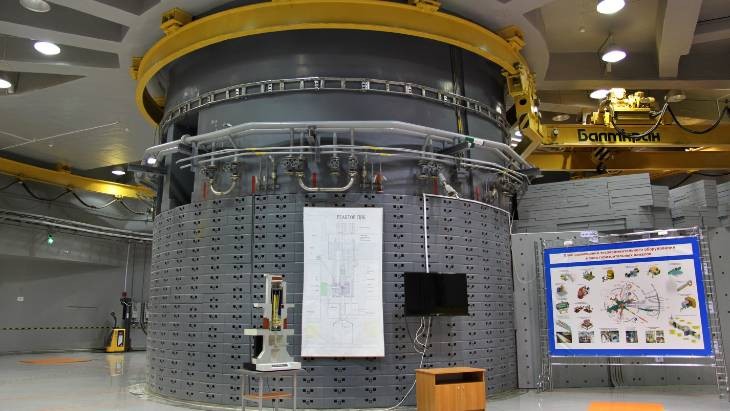
25 experimental stations of the PIK high-flux nuclear reactor at the Kurchatov Institute to be commissioned in December 2026
At a meeting of the Science and Education Committee, Mikhail Kovalchuk, Director of the National Research Centre "Kurchatov Institute," announced that 25 experimental stations of the PIK high-flux nuclear reactor at the Konstantinov Nuclear Physics Institute in Gatchina, Leningrad Oblast, Russia, will be commissioned in December 2026. According to reports, the project is being implemented pursuant to a presidential decree. Currently, construction of these 25 experimental stations is nearing completion, and the associated waveguide hall is planned to open in December of the same year. As a large-scale research facility, the PIK reactor will provide experimental conditions for related nuclear physics research once its experimental stations are commissioned...
2026-08-13
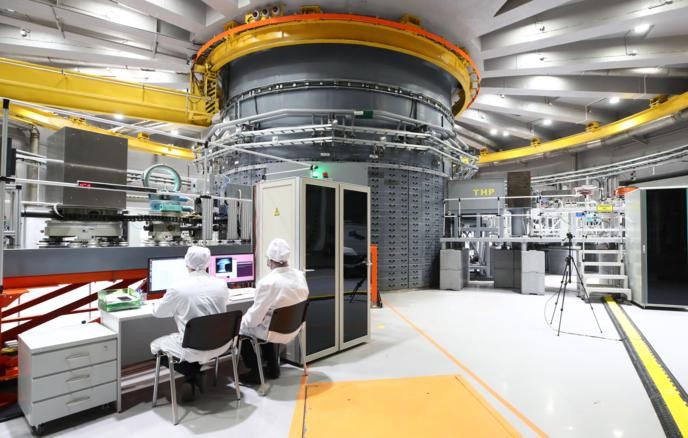
Russia Approves Chinese Academy of Sciences' Accession to International Research Organization at PIK Reactor
Mikhail Kovalchuk, Director of the Kurchatov Institute National Research Centre in Russia, recently stated that Russia has approved the Chinese Academy of Sciences' accession to the International Centre for Synchrotron Radiation, Neutron and Laser Research, which is being established around the PIK high-flux research reactor. Speaking at a meeting of the Science and Education Committee held in Novosibirsk, Kovalchuk said that three Chinese institutions have successively submitted applications to join the international organization, with the application from the Chinese Academy of Sciences having completed review and received approval. In June of this year, he had indicated that the Chinese side was interested in participating in this international research cooperation mechanism. The PIK high-flux research reactor is located in Gatchina, Russia, and was developed by the Konstantinov Petersburg Nuclear Physics Institute...
2026-08-12

International Team Measures Niobium-94 Neutron Reactions, Explaining Anomalous Molybdenum-94 Abundance in the Solar System
An international team of physicists has, for the first time, conducted a comprehensive study of the interactions between neutrons and the niobium-94 isotope. The findings have been published in Physical Review Letters. The study suggests that the elevated abundance of molybdenum-94 in the primordial material of the solar system can be explained by a series of neutron-involving nuclear reaction processes inside old stars, without requiring the introduction of previously unknown special formation mechanisms. The research was led by Alberto Mengoni, a researcher at the Italian National Institute for Nuclear Physics. The team conducted experiments using the n_TOF facility at CERN, focusing on tracking the interactions between neutrons and niobium-94 atoms. The n_TOF facility is used to...
2026-08-11
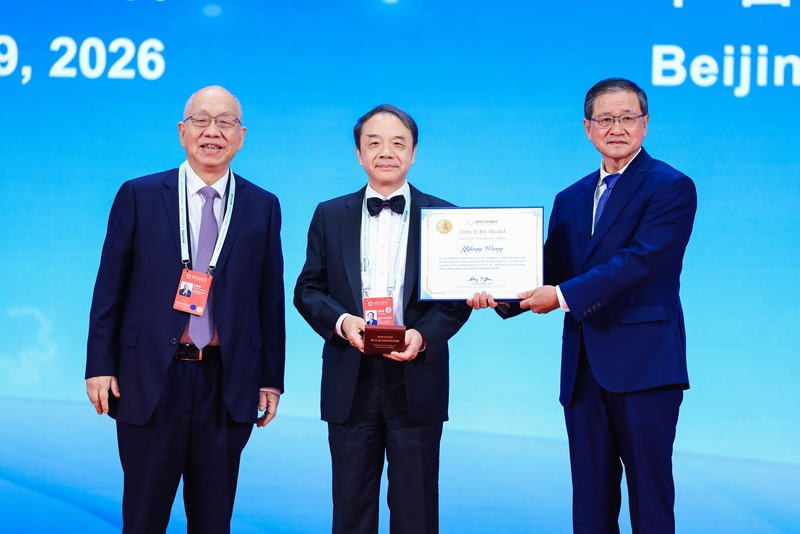
Jiangmen Neutrino Experiment Targets Mass Ordering Challenge; Wang Yifang Says Expected to Be Resolved Within 3 to 5 Years
On August 9, the 2026 International Congress of Basic Science opened in Beijing. Wang Yifang, academician of the Chinese Academy of Sciences and researcher at the Institute of High Energy Physics, Chinese Academy of Sciences, was awarded the Samuel C.C. Ting Physics Medal in recognition of his significant contributions to neutrino oscillation research, precise measurement of the mixing angle θ13, and the construction of the Jiangmen Underground Neutrino Observatory (JUNO). According to reports, the Basic Science Medal is established for scientists worldwide who have achieved groundbreaking results in basic sciences, covering three fields: mathematics, physics, and engineering. Wang Yifang's award-winning achievements include being the first to discover a new neutrino oscillation mode, first to precisely measure the mixing angle θ13, and leading the completion of the Jiangmen Neutrino Experiment...
2026-08-10