Registration
REGISTER FOR THE CONFERENCE
Registration
REGISTER FOR THE CONFERENCE
 Apply to Exhibit
APPLICATION FOR EXHIBITION
Apply to Exhibit
APPLICATION FOR EXHIBITION
 Sponsorship
SPONSORSHIP APPLICATION
Sponsorship
SPONSORSHIP APPLICATION
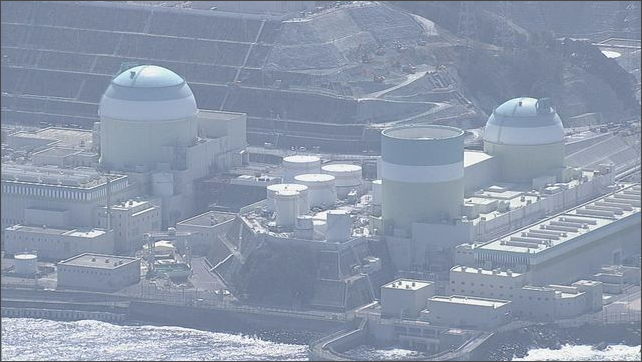
Ikata Nuclear Power Station Reports 5 Notifiable Events in July, None Causing Radiological Environmental Impact
Shikoku Electric Power Co. reported on August 10 that the five events reported to Ehime Prefecture, Ikata Town, and relevant local governments from the Ikata Nuclear Power Station in July 2026 did not fall under legally required reporting events and caused no radiological impact on the environment. The five events were as follows: On July 3, an employee of a partner company at the Ikata Nuclear Power Station experienced physical discomfort at an office location in a non-controlled area and was transported by ambulance at 17:18 that day. The employee was conscious at the time and experienced no radiation exposure or radioactive contamination. On July 16, during the decommissioning process of Unit 2 at the Ikata Nuclear Power Station, seawater leakage was discovered at the flange of the seawater outlet pipe of emergency diesel generator 2B in the reactor auxiliary building. After maintenance personnel determined that a detailed inspection of the flange was required, the leak point was isolated, and the leakage was confirmed to have stopped at 15:38 that day. The maximum estimated volume of leaked seawater was approximately 7 cubic meters, all of which was recovered in the floor drain sump within the building and did not flow outside. Subsequent inspection revealed a through-hole approximately 7 mm in diameter at the flange, and the station replaced the flange and confirmed water flow integrity, restoring normal conditions at 14:05 on July 17. This event did not affect the unit or cause radiological environmental impact, and further investigation into the cause will be conducted.
2026-08-10

MIT Research Proposes Framework for Assessing Economic Viability of Fusion Power Plants
2026-08-10
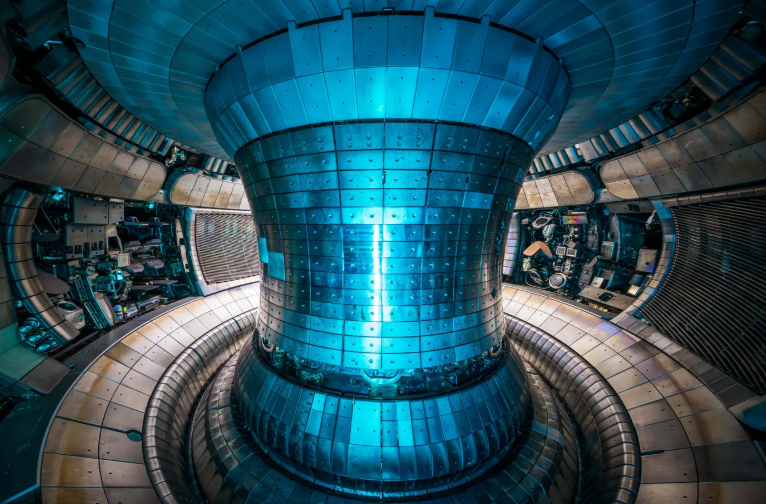
Two IPP studies reveal edge turbulence mechanisms in fusion plasmas from first principles
2026-08-10
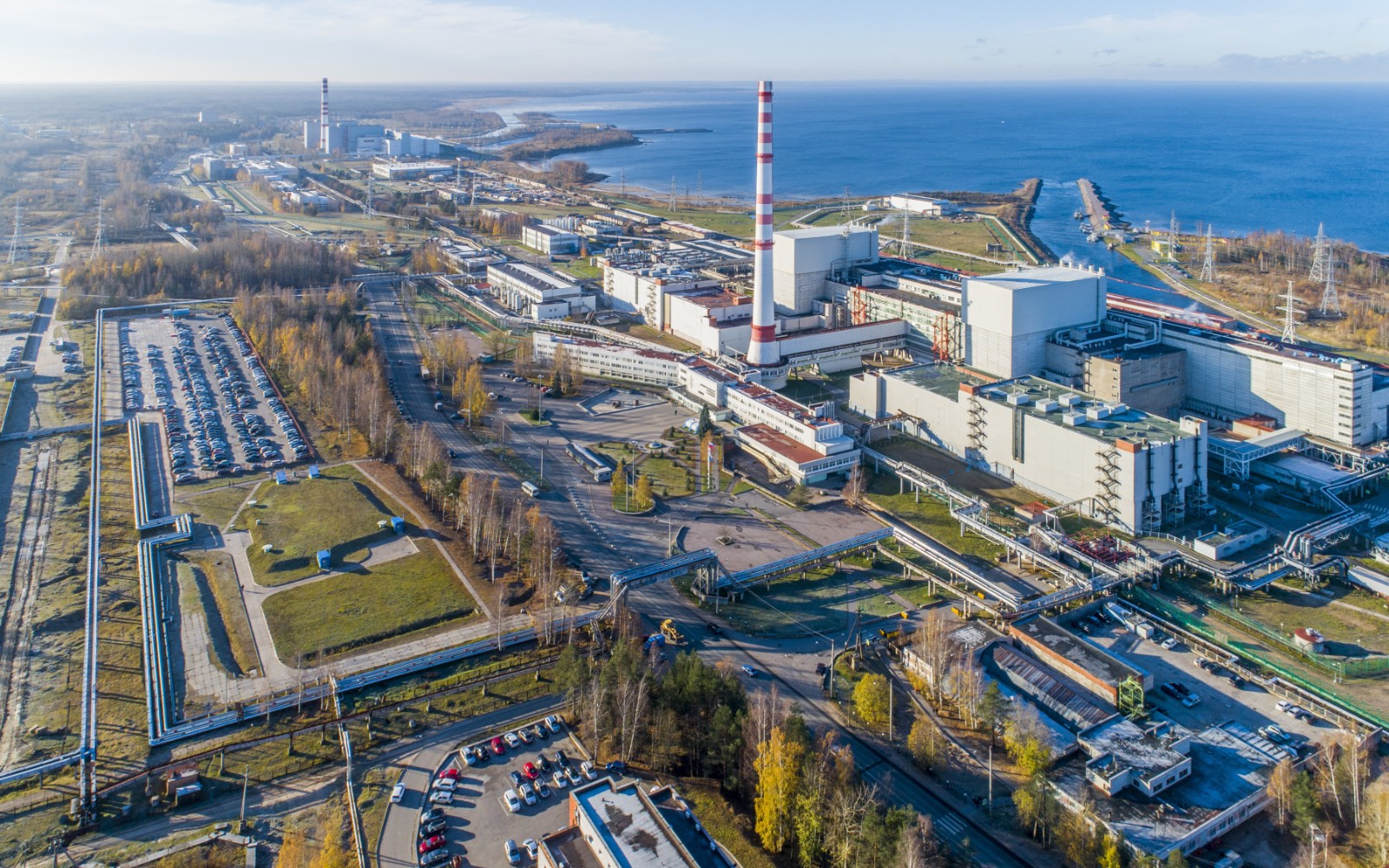
Unit 2 of Leningrad Nuclear Power Plant Phase II automatically shut down for equipment maintenance
2026-08-10
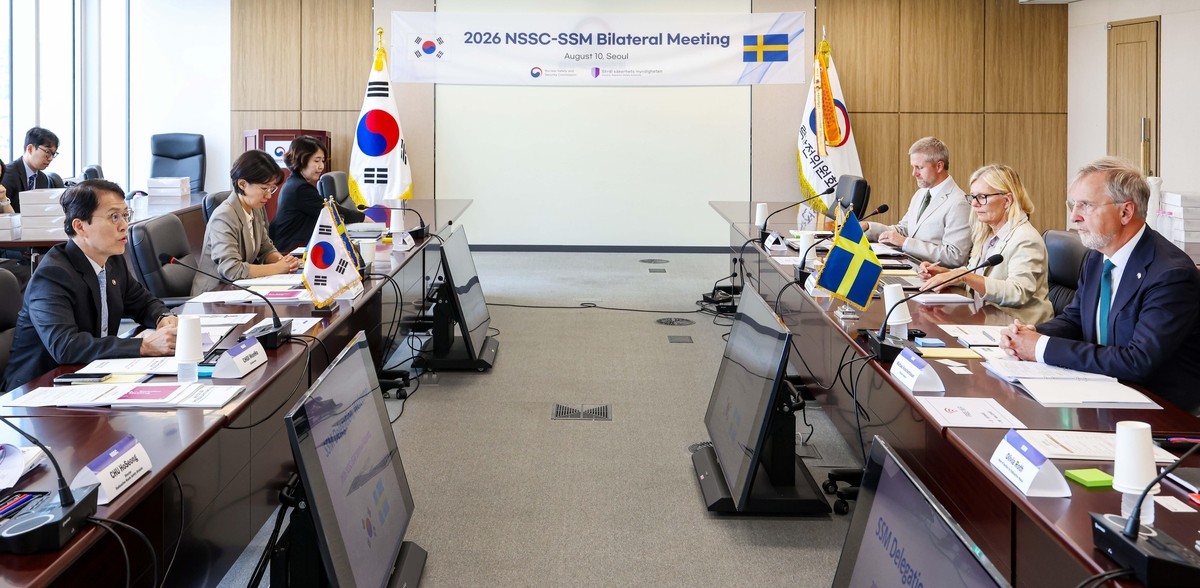
South Korea and Sweden Discuss Cooperation on High-Level Waste Disposal and SMR Regulation
2026-08-10
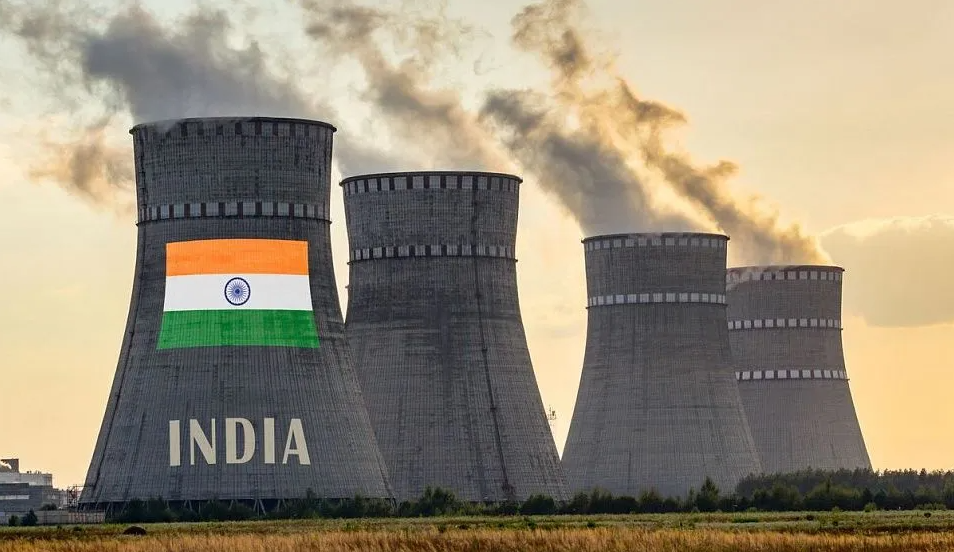
India's Nuclear Power Expansion Drives Up Uranium Demand, Annual Demand Could Reach 5,400 Tonnes
2026-08-10
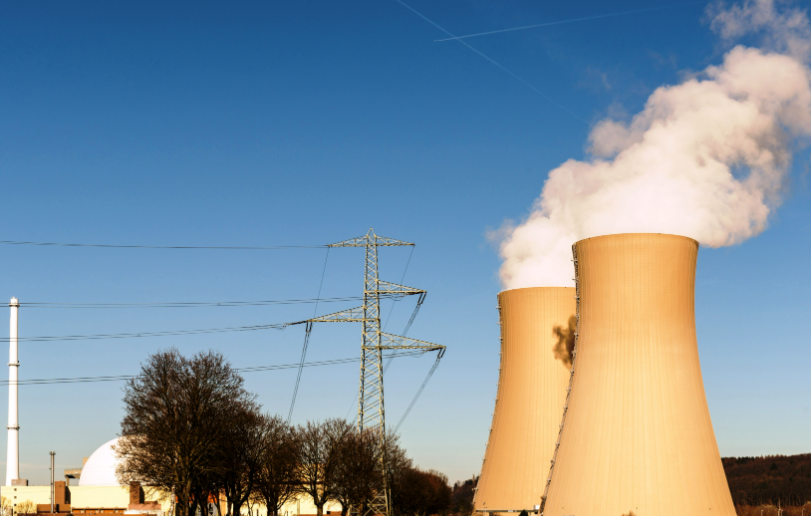
UK Sizewell C Nuclear Power Station Financing Finalized, Project Worth Over £26 Billion to Supply Power for 60 Years
2026-08-10

The Mecca Mutual Defense Agreement Opens a "Finance-Industry-Nuclear" Triad, with Nuclear Energy as an Energy Security Sub-route among Six Economic Pathways
2026-08-10

U.S. Plans $1 Billion Security Assistance to Colombia, Civil Nuclear Energy Added to Bilateral Cooperation List
2026-08-10
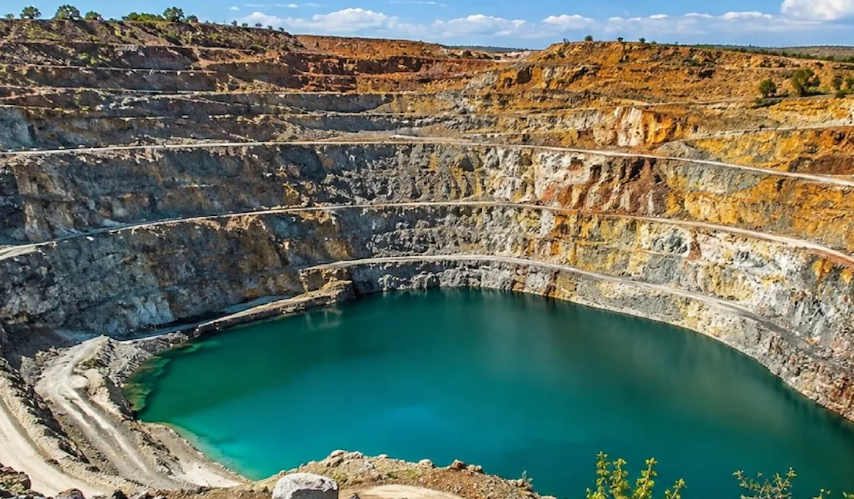
Türkiye is advancing a new round of exploration around a uranium deposit reportedly totaling 17,000 tons, planning drilling at 47 different points to further confirm ore body distribution, grade levels, and economic viability for extraction. This move is positioned within the context of Türkiye's energy supply security and nuclear energy development strategy, aiming to provide more domestic resource support for future nuclear fuel assurance. From an energy strategy perspective, uranium resource exploration is not merely a standalone mining project but part of Türkiye's efforts to reduce external energy dependence. Türkiye has long relied on imported energy, with external supplies of natural gas, oil, and other resources impacting its energy costs and macroeconomic performance. Globally...
2026-08-10
Satellite imagery shows Russia has installed anti-drone protective nets over multiple nuclear submarines at the Vilyuchinsk naval base on the Kamchatka Peninsula. The base hosts the Pacific Fleet's nuclear submarine deployment. A total of eight moored submarines are covered by the protection, including Borei-class and Borei-A-class ballistic missile submarines, as well as Oscar-class, Yasen-class, and Akula-class attack submarines. The protective installations consist mainly of L-shaped steel frames along the piers and retractable netting. When submarines are berthed, the nets can cover the upper hull; before submarines depart port, the netting is rolled up and stowed. Such facilities cannot withstand long-range cruise drones or heavy missile strikes, but can provide a degree of physical shielding against low-cost threats such as small FPV drones and improvised unmanned devices. The Russian side has also deployed double-layer floating barriers on the outer side of the mooring area to prevent unmanned surface vessels from entering the harbor.
2026-08-10
The General Secretariat of the League of Arab States held its second open-ended technical committee meeting at its headquarters from August 9 to 10, focusing on following up on the implementation of the Arab cooperation roadmap for nuclear and radiation emergency preparedness and response. The meeting was attended by representatives of Arab member states, the Arab Atomic Energy Agency (AAEA), and relevant Arab and international organizations, indicating that this issue has risen from mere technical cooperation to an important component of regional security governance. The core objective of the meeting is to enhance the coordination capacity and response capability of Arab countries in the face of nuclear accidents and radiological emergencies. As nuclear technology continues to expand in energy, medical, industrial, and scientific research applications, nuclear...
2026-08-10
New directions are emerging in Morocco-Russia economic and technical cooperation, with both sides intending to expand the scope of collaboration from traditional energy sectors to strategic industries such as civilian nuclear technology, seawater desalination, medicine, and agriculture. Russia's Ambassador to Morocco, Igor Belyaev, stated that Russia is willing to share civilian nuclear technology expertise with Morocco, a remark indicating that bilateral cooperation may extend from equipment supply and energy projects to more technology-intensive comprehensive partnerships. This development is closely linked to Morocco's current needs. In recent years, Morocco has continuously promoted the diversification of energy sources and accelerated efforts to address water scarcity, with seawater desalination having become a...
2026-08-10
The health condition of former U.S. President Joe Biden has recently drawn renewed attention. In an interview video, his son Hunter Biden stated that after Biden was diagnosed with prostate cancer, the cancer cells had metastasized, spreading to the bones and other parts of the body, and described the process as extremely painful. According to relevant information, Biden, now 83 years old, disclosed in May 2025 that he had been diagnosed with an aggressive form of prostate cancer, with cancer cells confirmed to have spread to the bones at that time. In October, a Biden spokesperson announced that he was undergoing radiation therapy and hormone therapy. Radiation therapy is one of the common nuclear technology medical applications in tumor treatment, primarily using ionizing radiation on tumor tissue to...
2026-08-10
Nearly four decades after the explosion of Unit 4 at the Chernobyl Nuclear Power Plant, the areas surrounding the damaged reactor remain heavily contaminated with radiation. In this high-radiation environment, researchers have discovered that a type of black fungus is not only capable of surviving but may also exhibit strong environmental adaptability, drawing continued scientific interest in its radiation tolerance mechanisms. According to available data, this fungus, scientifically known as Cladosporium sphaerospermum, has been found on the interior walls of buildings associated with the contaminated reactor at Chernobyl. Researchers point out that its deep black appearance is linked to the large amounts of melanin accumulated within its cells. Compared with ordinary organisms, this type of fungus exhibits exceptional tolerance in high...
2026-08-10
Yonsei University Yongin Severance Hospital is currently reviewing the introduction of a heavy ion therapy system to further strengthen its advanced cancer treatment capabilities. Heavy ion therapy is an advanced radiation therapy technique that typically delivers high-energy precisely to cancer cells by accelerating heavy ions such as carbon ions. This technology leverages the Bragg peak characteristics to concentrate radiation energy release at the tumor site, thereby minimizing exposure to surrounding normal tissues. According to relevant materials, heavy ion therapy is considered to offer new treatment options for certain refractory cancers with limited response to conventional radiotherapy, as well as tumors with high radioresistance. Yongin Severance Hospital hopes to leverage this technology to further...
2026-08-10